
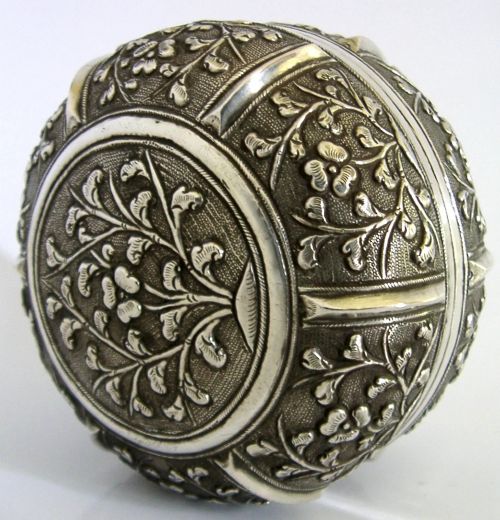


Silver Pill Pot
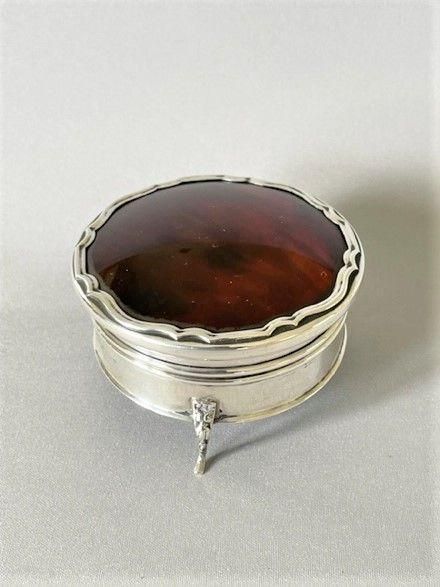
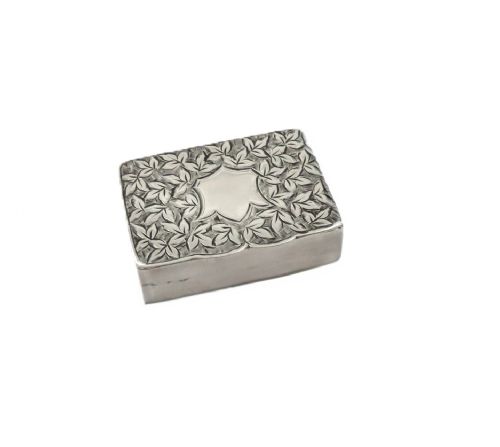
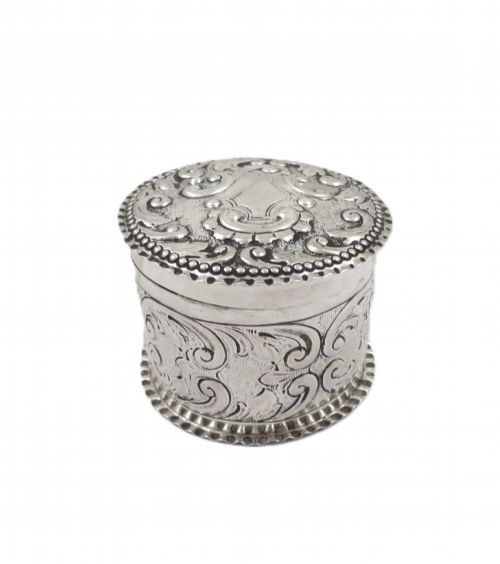
These small containers, which you search for as silver pill pot, range from simple Victorian receptacles to elaborate Edwardian boxes intended for pockets or dressing tables.
Silver Pill Pot
When you search for silver pill pot, you encounter a variety of small lidded containers intended for medicines, snuff, or small trinkets. These pieces emerge from the Victorian, Edwardian, and early twentieth-century periods.
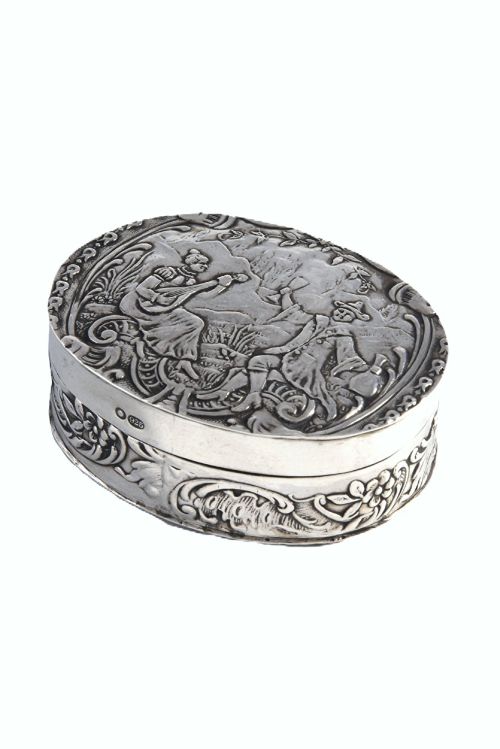
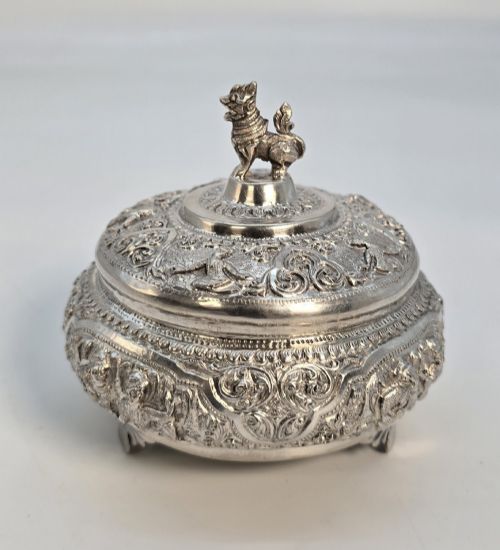
The forms span simple cylindrical jars, heart-shaped boxes, and oval vanity pots. Many examples derive from British assay offices in cities such as Birmingham and Chester, while others originate from colonial workshops and continental makers.
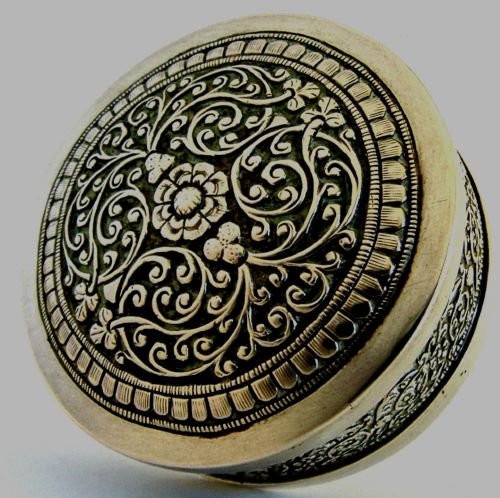
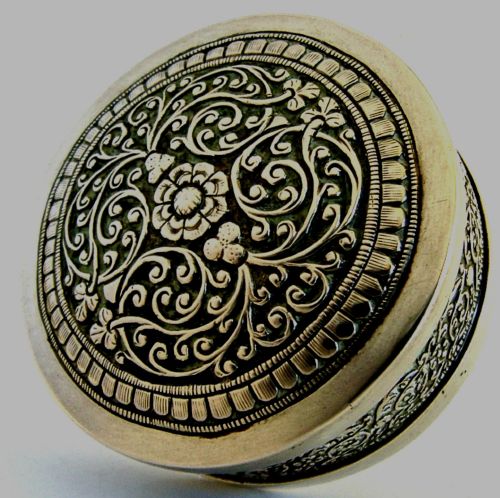
Makers utilised solid silver, sterling silver, and vermeil, frequently combining the metal with tortoiseshell, enamel, or glass. The selection reflects domestic utility alongside export craftsmanship from the Raj period and Asian workshops.
How they were made
Silversmiths formed the bodies of these boxes by hammering, stamping, or spinning solid silver and sterling silver. Arts and Crafts makers applied visible spot-hammering techniques to create textured surfaces on the metal.
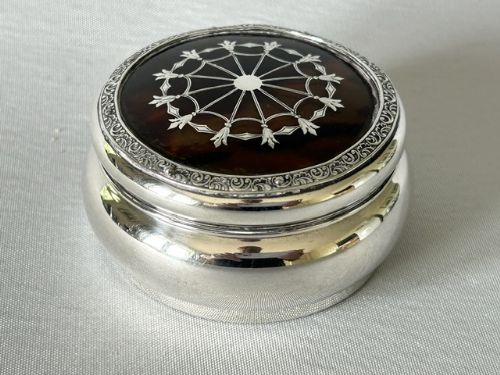
Designers incorporated decorative materials like tortoiseshell with pique work, guilloche enamel, and gold gilt washes known as vermeil. Hinged lids and snug-fitting covers required precise metalworking to ensure secure closures for small contents.
Early twentieth-century owners trusted these tiny metallic cylinders to keep their breath minty and their headaches at bay.
What varies in quality
The distinction between standard containers and superior examples lies in the execution of decorative details and the weight of the metal. Hand-worked guilloche enamel and intricate pique work on tortoiseshell require specialised artisan skill that elevates the piece.
Assay office hallmarks and maker marks provide documentary evidence of origin and standard, while substantial gauge silver imparts a satisfying heft. The refinement of the hinge mechanism and the tightness of the lid closure further separate everyday items from exceptional commissions.
Nathan & Hayes·Asprey & Co.
The Silver Pill Pot Glossary
- Sterling Silver
- An alloy of silver containing 92.5 percent pure silver and 7.5 percent other metals, usually copper. This standard alloy provides durability for small pocket items.
- Guilloche
- A decorative engineering technique producing precise, intricate repetitive patterns and waves on metal surfaces. Enamel is frequently laid over this engraved pattern to create translucent colour.
- Vermeil
- Sterling silver plated with a thin layer of gold. This finish offers the warm appearance of solid gold while utilising a silver base.
- Pique Work
- The technique of embedding tiny pins of gold or silver into tortoiseshell or ivory to form geometric or floral motifs. It appears frequently on Edwardian trinket boxes.
- Assay Office
- A statutory body that tests the purity of precious metals and stamps items with official hallmarks. Towns like Birmingham and Chester maintained active offices represented in these pieces.
Silver Pill Pot: Frequently Asked Questions
What were silver pill pots used for?
These small containers served to carry medicinal pills, lozenges, or snuff in pockets or handbags. Wealthy owners also kept them on dressing tables for daily accessories.
Their compact size made them portable items for personal grooming and health remedies during the Victorian and Edwardian eras.
How do I date an antique silver box?
Assay office hallmarks stamped onto the silver provide the most reliable dating evidence. Letters correspond to specific assay years, alongside maker marks and standard marks like the lion passant.
Stylistic indicators, such as Art Deco geometric lines or Arts and Crafts spot-hammering, help narrow the period when hallmarks are rubbed.
What is guilloche enamel on silver?
Guilloche enamel involves mechanical engraving of a geometric pattern onto a silver base, followed by the application of translucent coloured glass enamel. The underlying pattern shows through the glossy coloured surface.
This technique gained popularity during the late nineteenth and early twentieth centuries for vanity items and pill boxes.
Are these boxes made of solid silver?
Many listings specify sterling silver or solid silver construction, indicating the container is made entirely of precious metal rather than plated base metal. Some continental and export pieces use comparable high-grade silver standards.
Interior gilt washes, known as vermeil, appear in certain pieces to protect the silver from corrosive contents.
How should I clean antique silver pots?
Light dusting with a soft microfibre cloth is generally sufficient for antique silver with patinated surfaces. Avoid harsh chemical dips, particularly on pieces containing enamel, tortoiseshell, or gilt washes.
Professional silver polish should be used sparingly and kept away from inset organic materials to preserve the original finish.