





Foliate Silver Box
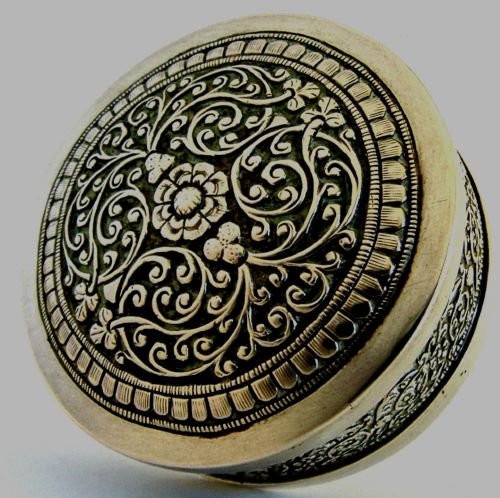
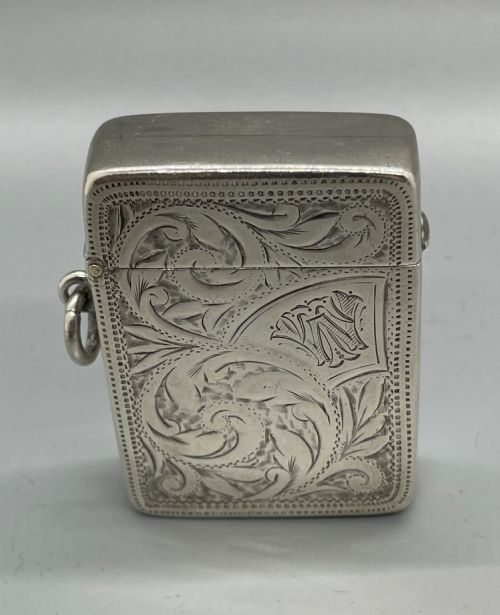
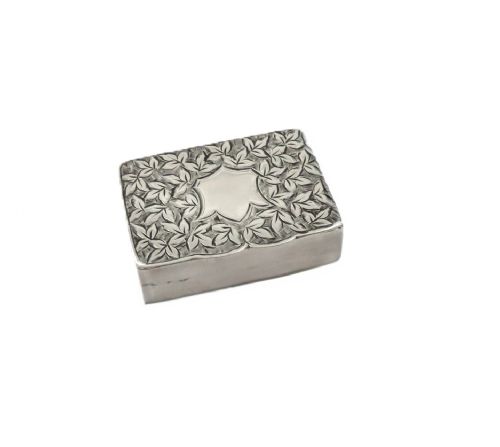
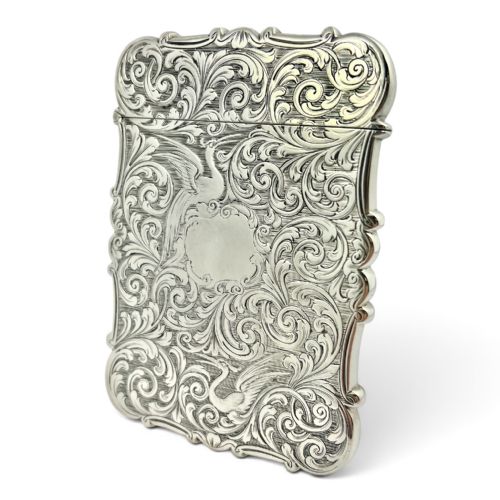
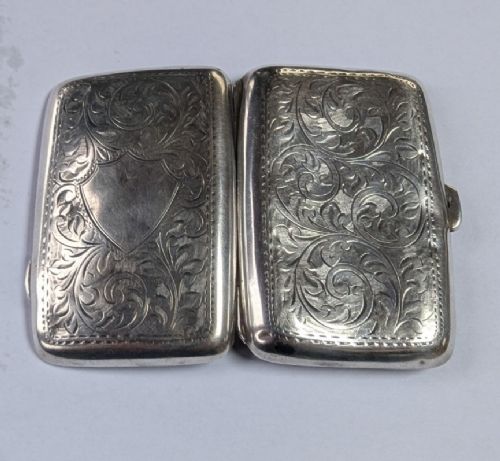
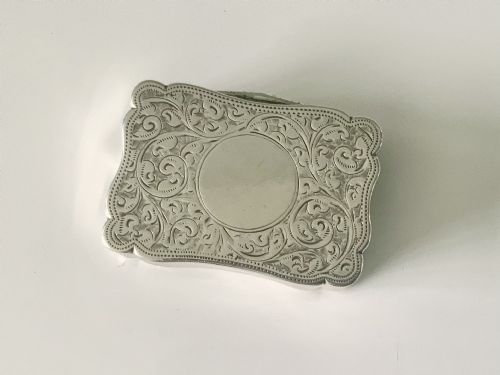
A foliate silver box carries leaves and tendrils chased into the metal, offering a tactile piece of Victorian, Edwardian, or Georgian craftsmanship.
Foliate Silver Box
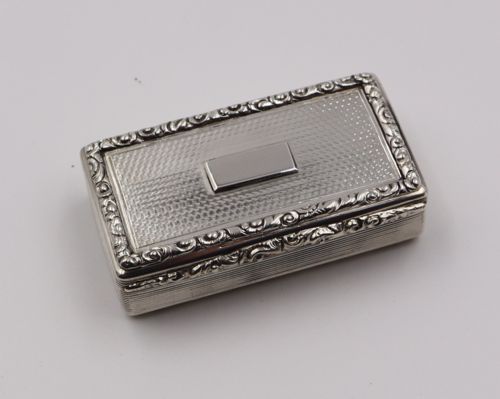
A foliate silver box encompasses small containers decorated with leaf and plant motifs, including card cases, snuff boxes, vesta cases, and trinket boxes. These items emerge predominantly from the Victorian and Edwardian eras, alongside occasional Georgian and Regency examples.
The pieces on this page range from heart-shaped trinket containers and pill boxes to cigarette cases and card cases. Buyers frequently encounter items featuring detailed chased leaf patterns alongside plain silver surfaces or cartouches.
Materials and construction methods
Silversmiths constructed these boxes using sterling silver, solid silver, and occasionally Sheffield plate or silver plate, often lining the interiors with silk, velvet, or leatherette. Makers applied techniques such as casting, piercing, and surface engraving to create the distinct plant motifs.
Makers shaped the metal into rectangular, square, or heart forms, frequently incorporating hinged lids and fitted compartments. Workshops utilised copper elements or internal linings to finish the construction of the smaller boxes and cases.
Materials recorded in these listings include sterling silver, solid silver, silver plate, Sheffield plate, copper, silk, velvet, and leatherette.
Distinctions in craftsmanship and finish
Quality separates objects by the depth and clarity of the chased leaf work, where crisp detail on the lid outlasts shallow surface stamping. The integration of the hinge and the snugness of the closure indicate the care taken during assembly.
The distinction between standard production items and distinguished pieces lies in the precision of the maker's mark and the execution of intricate piercing. Heavier gauges of solid silver provide a more substantial feel in the hand compared to lighter plated alternatives.
Nathaniel Mills·Sampson Mordan·William Neale And Sons·William Comyns
The Foliate Silver Box Glossary
- Foliate
- Decorated with leaf shapes, tendrils, or plant scrolls. This style appears frequently across Victorian and Edwardian silver pieces.
- Sterling silver
- An alloy containing 92.5 percent silver by mass, standard for durable British tableware and small boxes. It often carries hallmarks indicating assay office and date.
- Vesta case
- A small pocket container designed to hold matches and strike them on the base. These often feature matching foliate engravings.
- Sheffield plate
- A fused layer of silver over a copper base, developed in the eighteenth century. It appears on earlier items before electroplating became common.
Foliate Silver Box: Frequently Asked Questions
What periods do these silver boxes come from?
The pieces span the Victorian and Edwardian eras, with occasional examples originating from the Georgian and Regency periods. Dates in the evidence range from the nineteenth century into the early twentieth century.
Assay marks and style details help identify the specific decade of production for individual boxes and cases.
How were these small silver boxes used?
Owners used them for personal items such as visiting cards, snuff, matches, pills, or small trinkets and jewellery. Different shapes corresponded to specific contents, such as flat rectangular forms for cards or small hinged boxes for keepsakes.
Many items served both a practical daily function and a decorative role in the home or pocket.
What materials are found inside the boxes?
Interiors are frequently lined with materials like silk, velvet, or leatherette to protect delicate contents such as jewellery or cards. Other examples leave the solid silver interior plain or gilt.
The choice of internal lining often matches the intended use of the specific box or casket.