
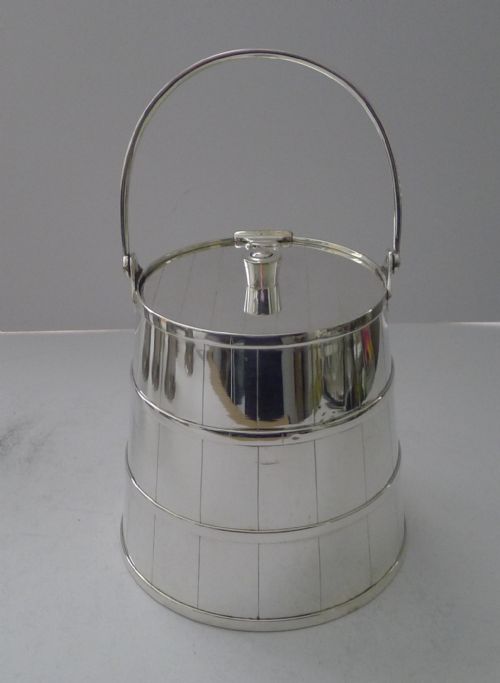
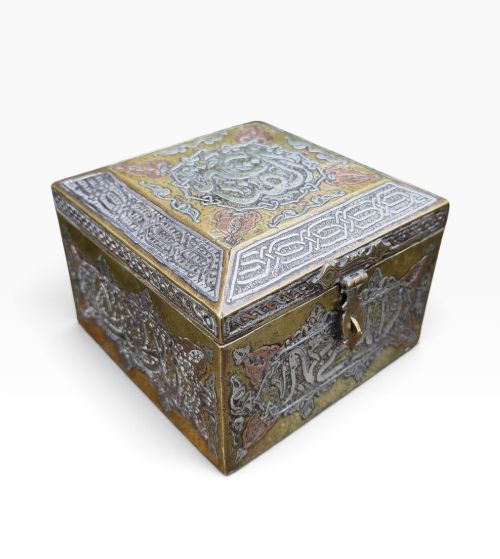
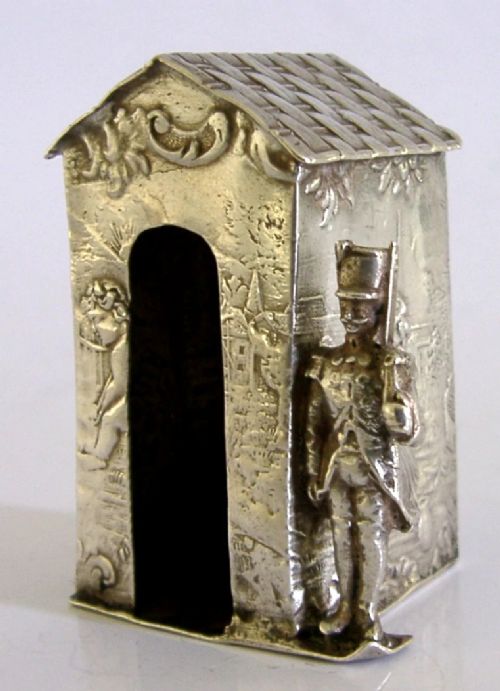
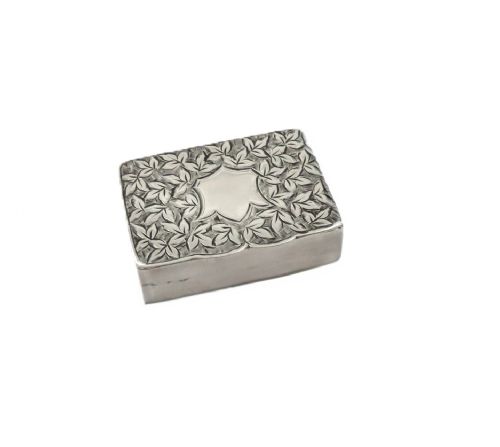



1900 Silver Box
A 1900 silver box brings the elaborate craftsmanship of the turn of the twentieth century directly to your dressing table or desk.
1900 Silver Box
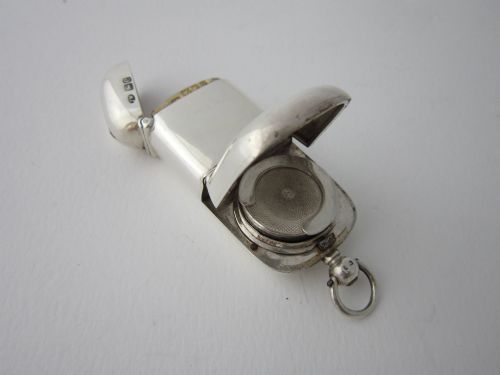
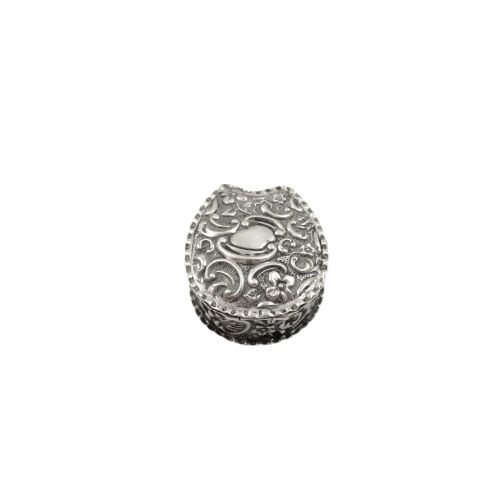
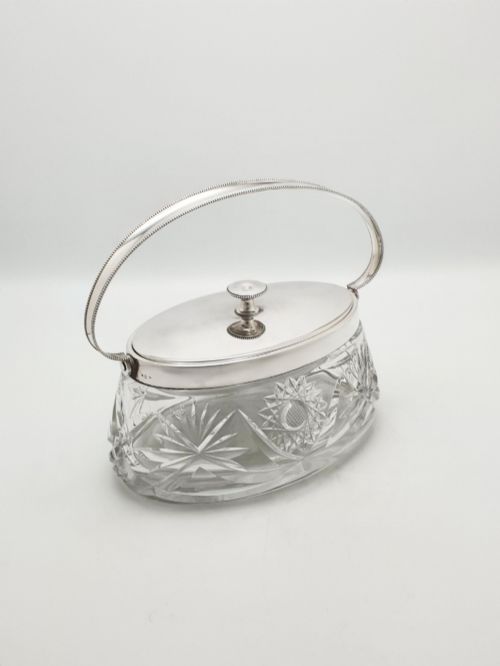
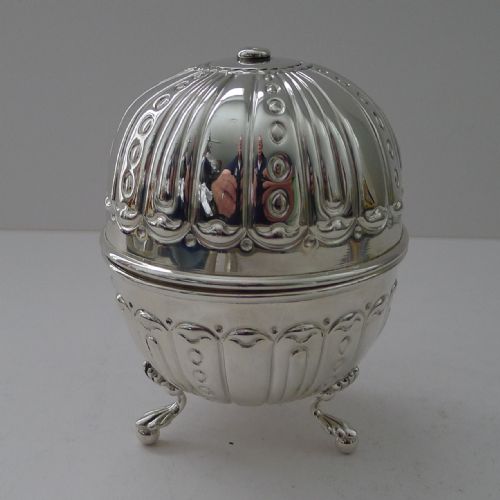
A 1900 silver box encompasses a wide variety of small decorative and utilitarian containers produced around the turn of the twentieth century. These include pill boxes, trinket cases, snuff containers, card boxes, and larger table caddies originating from Britain, continental Europe, and India.
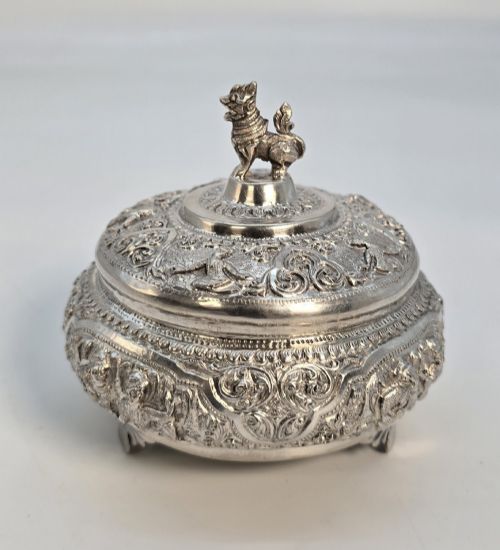
The pieces often reflect distinct regional styles, ranging from crisp English Victorian and Edwardian silverwork to ornate Hanau novelties and deeply chased Indian repoussé village scenes. Many survive in compact forms designed to hold stamps, vestas, or personal mementos on desks and dressing tables.
Materials and construction
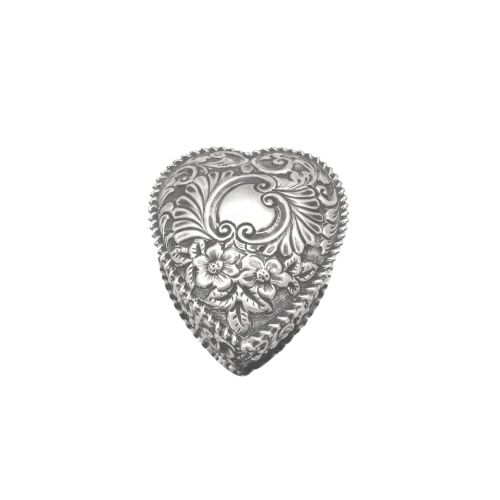
Makers utilised sterling silver, silver plate, and lower-purity continental silver alloys, frequently combining the metal with glass, enamel, or oak bodies. Repoussé and chased decoration allowed artisans to hammer intricate floral scrolls, figures, and animal scenes into the pliable metal from the reverse or front.
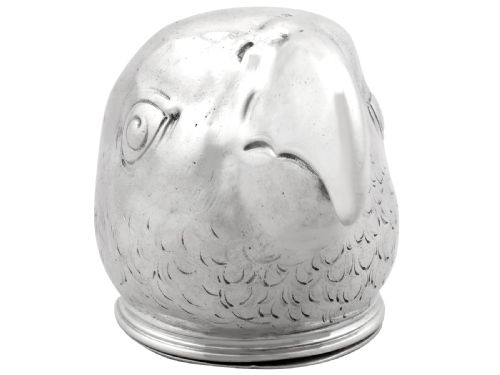
Many European and English items relied on casting and hinge-fitting for miniature novelties such as animal figures or architectural shapes. Piercing and engraving techniques added delicate fretwork borders and crisp monograms to match the prevailing tastes of the period.
Listings feature various regional styles including Mamluk revival brass, German Hanau silver novelties, and intricate Indian repoussé work.
Evaluating craftsmanship
The division between standard output and superior work rests on the crispness of the chasing and the structural integrity of the hinges. Heavily cast pieces with distinct relief show greater hand skill than mass-stamped thin metal sheets.
Internal gilding, intact enamel panels without hairline cracks, and tightly closing lids that align properly at the seams distinguish finer workshop output from ordinary commercial production.
Thomas Bradbury·David Andersen·George Unite
The 1900 Silver Box Glossary
- Repoussé
- A metalworking technique where the artisan hammers the design from the reverse side to create a raised relief on the front. This method creates tactile, three-dimensional scenes on the surface of small boxes.
- Vesta case
- A small pocket container specifically designed to hold matches and keep them dry. These often feature spring-loaded lids and striking grooves on the base.
- Guilloche enamel
- Decorative metalwork covered in translucent enamel over an engine-turned geometric pattern. It provides a glossy, reflective surface frequently seen on early twentieth-century pill and trinket boxes.
- Hallmark
- Official stamps punched into precious metal to indicate purity, the assay office, and the year of manufacture. British pieces carry distinct date letters corresponding to the turn of the century.
- Vinaigrette
- A small hinged box containing a perforated inner grill, traditionally used to hold a sponge soaked in aromatic vinegar. They offer insight into personal hygiene habits of the period.
1900 Silver Box: Frequently Asked Questions
What were 1900 silver boxes used for?
These containers served practical daily functions for holding small personal items such as matches, stamps, visiting cards, snuff, or pills. Wealthy households also utilised larger silver caddies for tea or sugar on the dining table.
Over time, many of these utilitarian objects transitioned into pure decorative pieces, kept on dressing tables or desks to store rings, cufflinks, and keepsakes.
How do I identify the date of a silver box?
British pieces rely on assay office marks and specific date letters stamped directly into the metal near the rim or base. Examining the maker's mark alongside standard lion passants or crown symbols helps narrow down the exact year of production.
Continental and Indian items often lack standard British hallmarks, requiring stylistic analysis of the repoussé work, regional hallmarks, or retailer documentation to determine the period.
How should I clean antique silver boxes?
Maintenance requires gentle dusting with a soft cloth and avoiding abrasive commercial dips that strip away desirable patination. For pieces featuring enamel, wood, or velvet inserts, moisture must be kept entirely away from the non-metal elements.
Storing the boxes in dry environments prevents accelerated tarnishing and protects delicate hinges from seizing up over time.
Are novelty silver boxes rare?
Novelty forms shaped like animals, miniature furniture, or figures were popular throughout the Victorian and Edwardian eras, particularly among German workshops in Hanau. While many were produced for export, surviving examples in clean condition remain sought after by specialist collectors today.
The survival rate varies significantly depending on how fragile the protruding parts, such as cast legs or hinged wings, were during daily use.