





Silver Mounted Glass Box
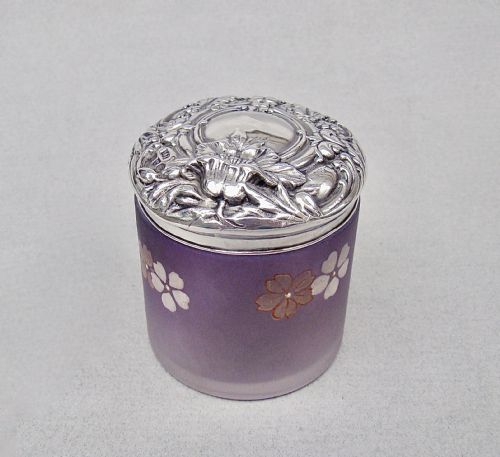
When you handle a silver mounted glass box, you hold a functional container that pairs clear or coloured crystal with hallmarked metal mounts.
Silver Mounted Glass Box
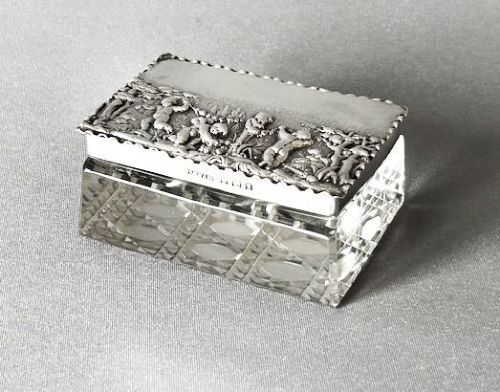
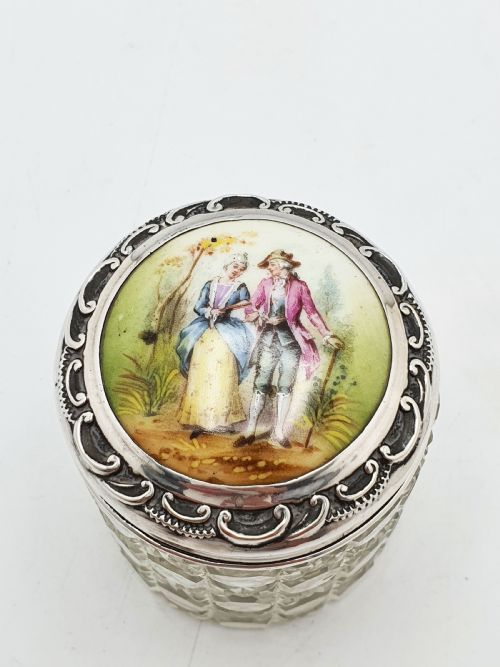
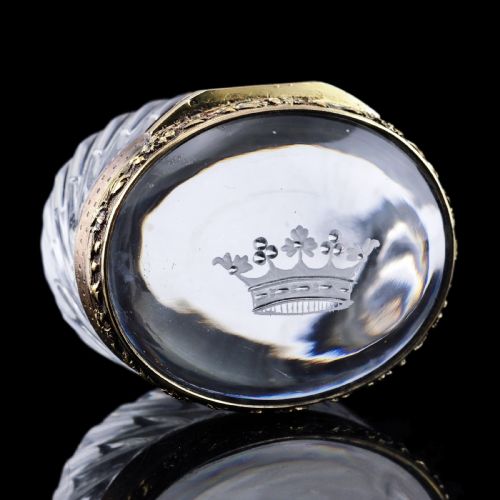
A silver mounted glass box combines a transparent or cut vessel with metal closures, hinges, and rims. These items serve various domestic roles, appearing as vanity jars, trinket boxes, stamp boxes, and desk accessories.
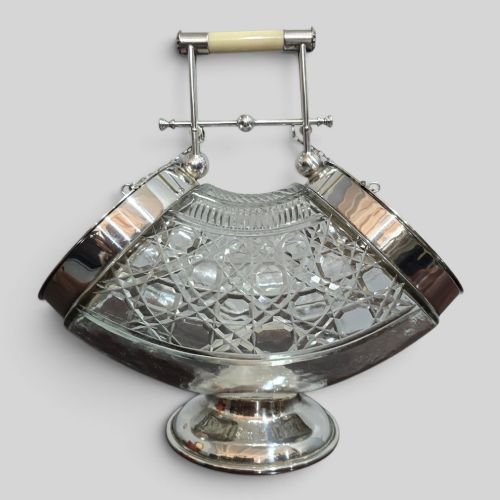
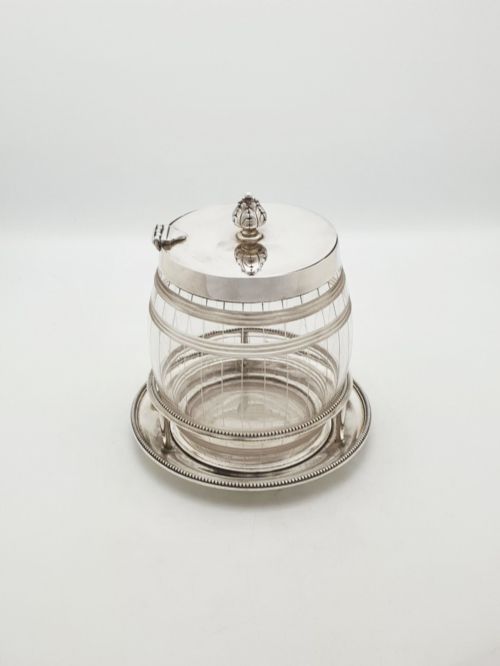
The pieces on this page span several eras, including the Georgian, Victorian, Edwardian, and Art Deco periods. You will regularly encounter small dressing table containers alongside larger items like biscuit barrels and tantalus sets.
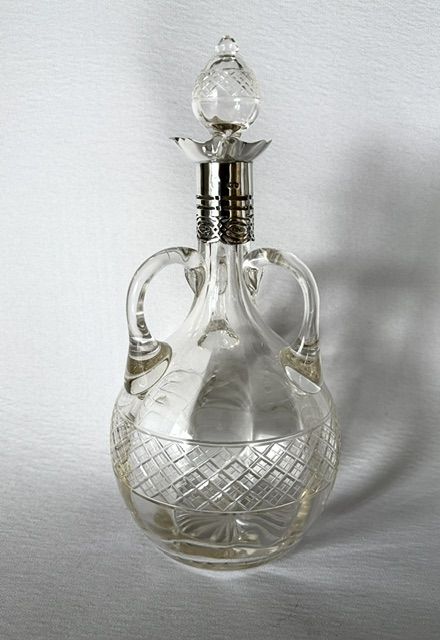
Makers utilised glass bodies shaped through cutting, moulding, or frosting, then fitted them with sterling silver, silver gilt, or silver-plated mountings. Many examples feature hallmarks that point to specific assay offices such as Birmingham and Chester.
How they were made
Makers produced the glass bodies using heavy cutting techniques like hobnail patterns, or moulded them into frosted and coloured forms. Craftsmen then fitted these vessels with custom metal mounts made from sterling silver, silver-plate, or silver gilt.
Hinges, rims, and lids were securely attached to the glass lips, sometimes incorporating internal velvet linings or wooden cases. Silversmiths stamped these mounts with assay office marks, dates, and maker initials.
Silver Mounted Glass Box Retail Price Guide 2026
Typical asking prices for silver mounted glass box among the pieces listed under this phrase on Sellingantiques today, from the lower quarter to the upper quarter. They describe what is for sale here now, not the wider market.
What varies in quality
Quality rests in the depth and clarity of the glass cutting, alongside the weight and thickness of the silver mounts. Finer examples display crisp, sharp facet work on the crystal and substantial metal lids that close flush against the rim.
The presence of crisp hallmarks and intact interior fittings elevates an item. Simpler silver-plated mounts on basic moulded glass sit lower in the range than heavy sterling silver and intricately cut crystal.
Elkington·Posen·William Rudkins·James Dixon and Sons
The Silver Mounted Glass Box Glossary
- Hallmark
- Official stamps punched into precious metal to indicate the standard of silver, the assay office, and the date of manufacture. These marks help verify the age and origin of the mounts.
- Guilloche
- An intricate decorative engine-turned pattern engraved into metal, often covered with translucent enamel. You see this technique on Art Deco boxes.
- Hobnail cut
- A sharp, geometric facet pattern cut into the surface of glassware to catch the light. This heavy cutting style appears frequently on Edwardian pieces.
- Sterling silver
- An alloy of silver containing 92.5 percent pure silver and 7.5 percent other metals, usually copper. Most British mounts utilise this standard.
- Silver gilt
- Sterling silver that has been coated with a thin layer of gold on the surface. This treatment provides a rich, warm finish to the interior or exterior mounts.
Silver Mounted Glass Box: Frequently Asked Questions
How do I clean the silver mounts?
Use a soft cloth and a gentle silver polish, taking care to avoid getting liquid or abrasive cleaners onto the glass or interior linings.
Apply the polish sparingly around the hinges and rims to preserve the hallmarks and original finish.
Can I use these boxes daily?
Most of these containers function well for holding small personal items, jewellery, or desk supplies on a daily basis.
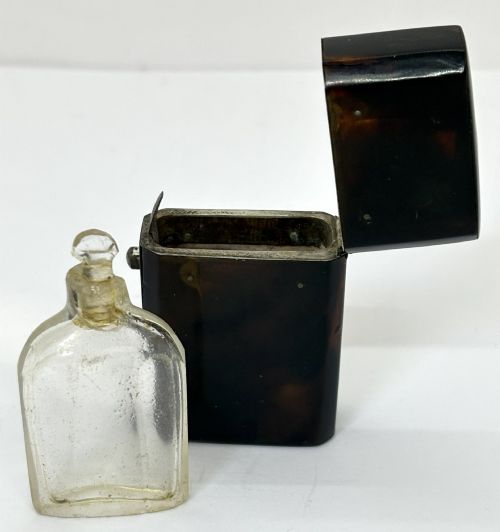
Handle pieces with delicate hinges or tortoiseshell additions with care to avoid straining the original construction.
How do I date the silver mounts?
Look for the stamped assay office marks and date letters located on the exterior or interior rim of the metal mount.
Matching these stamped symbols against standard assay tables reveals the exact year the metal component was tested and marked.
What were vanity jars used for?
Victorians and Edwardians kept vanity jars on dressing tables to store powders, creams, hairpins, and small trinkets.
The tight-fitting silver lids helped protect the contents from dust and moisture in the bedchamber.