



Silver Metal Urn
These silver metal urn pieces bring grand neoclassical form and reflective metallic lustre to a room, offering both decorative presence and historic utility.
Silver Metal Urn
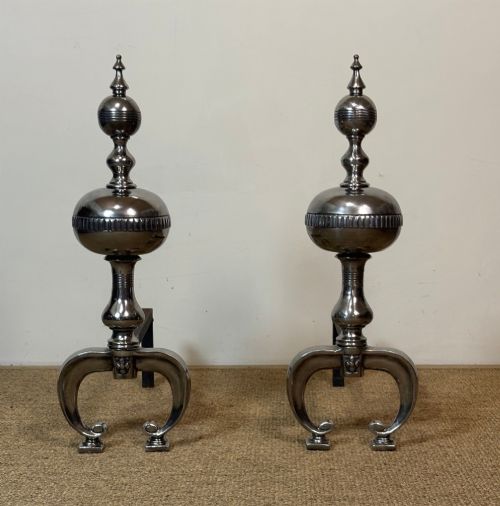
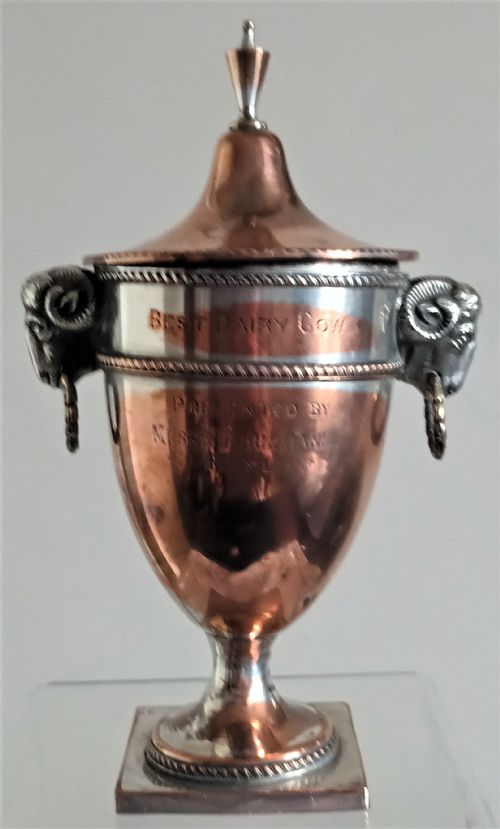
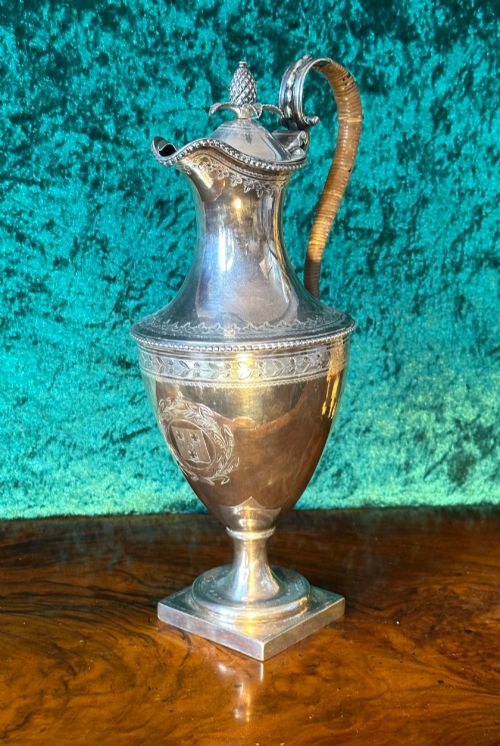
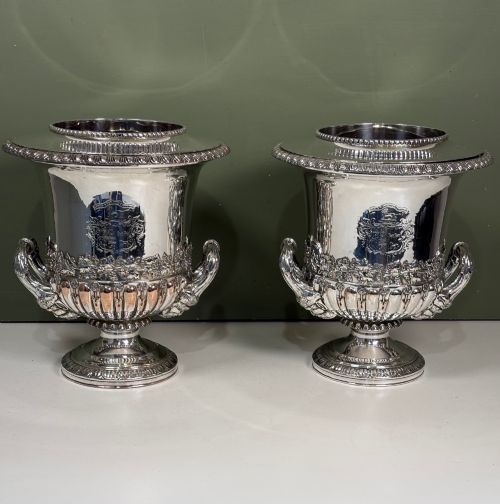
A silver metal urn search reveals a diverse group of objects spanning decorative vases, tea urns, samovars, wine coolers, and fire dogs from the eighteenth century to the twentieth century.
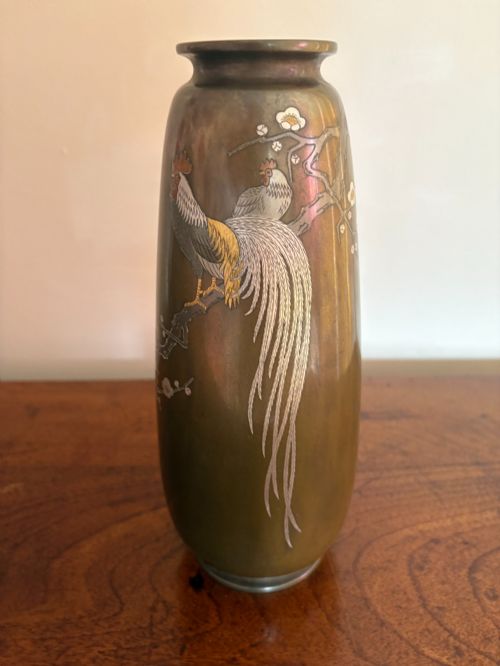
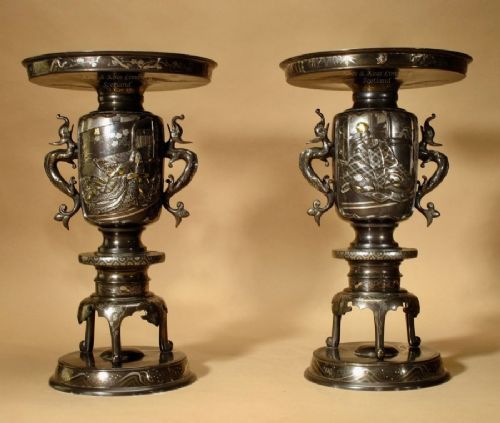
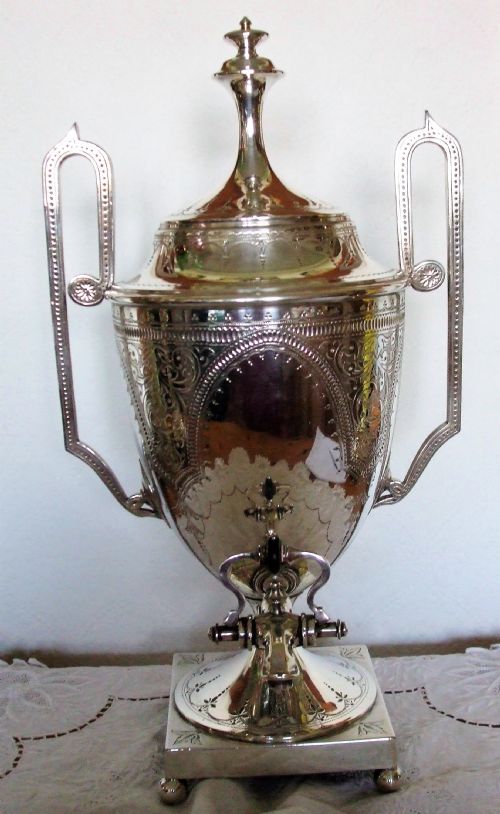
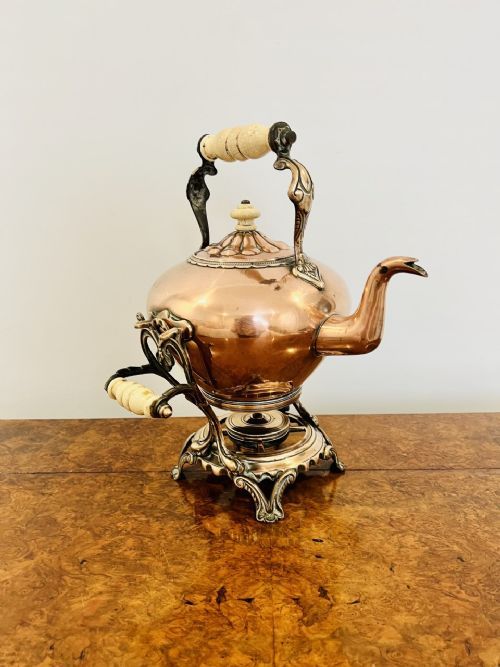
The most common items met on this page are silver plated tea urns and samovars from the Georgian and Victorian periods, alongside continental pedestal urns and Japanese bronze vases.
Makers ranged from major English silversmith firms like Walker and Hall to specialised metalworkers in Japan, France, and Germany producing Art Deco chrome or Jugendstil vessels.
Materials and construction
Pieces combine base metals such as copper, steel, and bronze with surface applications including silver plating, Old Sheffield plate, or silvered bronze to achieve a durable metallic sheen.
Methodologies vary from traditional hand-beaten copper and cast bronze to sophisticated silver plating techniques and intricate metal inlay work found in Meiji period Japanese pieces.
Internal components often include brass taps on samovars and cherry wood accents or marble plinths incorporated into decorative vases and centrepiece bowls.
Materials represented include silver, silver plate, Old Sheffield plate, bronze, copper, steel, marble, gold, and chrome.
Assessing quality
Quality rests in the crispness of cast or chased ornamentation, whether floral swags on Georgian neoclassical vessels or geometric lines on Art Deco chrome.
Substantial weight and gauge of metal indicate superior construction, distinguishing solid cast bronze or thick Old Sheffield plate from lighter, thinner modern alternatives.
Integrity of surface finish determines value, where original silver plating remains intact without excessive wear through to the base copper or brass substrate.
Walker & Hall·Lerolle Fres·Beldray Ltd·Kanasawa
The Silver Metal Urn Glossary
- Samovar
- A heated metal urn traditionally used to boil water for tea, often fitted with a spigot and internal heating pipe. These vessels frequently feature ornate handles and feet.
- Old Sheffield Plate
- An early fusing technique where a thin sheet of silver is fused to a thicker copper core by heat and pressure. This method produces a rich lustre characteristic of eighteenth-century tableware.
- Tazza
- A shallow bowl or cup mounted on a stem and foot, used for display or serving. They appear in silvered bronze paired with classical motifs.
- Jugendstil
- The German variant of Art Nouveau, prevalent around nineteen hundred, characterised by flowing organic lines. Pieces from this movement display stylized floral and natural motifs.
- Grand Tour
- A nineteenth-century tradition where wealthy travellers collected classical antiquities and bronze reproductions. Such objects often draw directly on ancient Roman and Greek architectural forms.
Silver Metal Urn: Frequently Asked Questions
What is a silver metal urn?
A silver metal urn is a hollow vessel fashioned from metals with a silver appearance, encompassing decorative pedestal urns, tea samovars, and wine coolers.
These objects draw upon classical neoclassical design, utilising materials like silver plate, Old Sheffield plate, and silvered bronze for display and hospitality.
How were tea urns used?
Tea urns and samovars served as functional water heaters and dispensers during formal dining and tea service in Georgian and Victorian households.
Guests or hosts drew hot water via a small tap at the base, keeping tea dilution consistent throughout long gatherings.
How do I clean silver plated urns?
Silver plated and Old Sheffield plate surfaces require gentle cleaning with non-abrasive silver polish and a soft cloth to protect the thin silver layer.
Aggressive rubbing wears through the plating to reveal the base copper or brass underneath, diminishing the historical finish.
How do I date a metal urn?
Dating relies on stylistic markers such as neoclassical handles, Art Deco geometric symmetry, or Jugendstil organic curves, combined with manufacturing techniques.
Maker marks and base metals like Old Sheffield plate or nineteenth-century copper provide further chronological clues.