
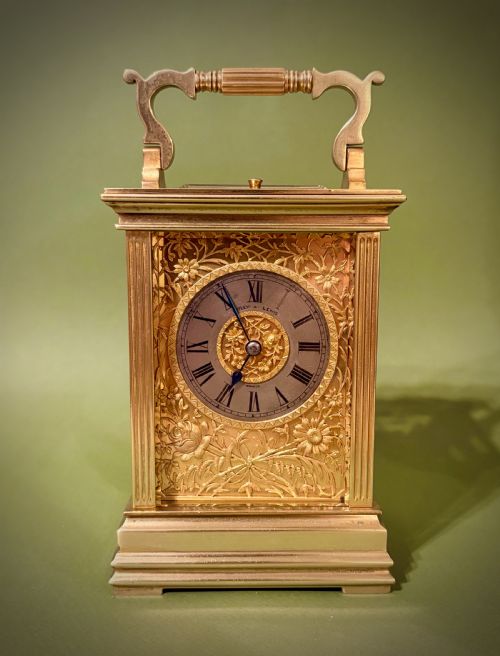
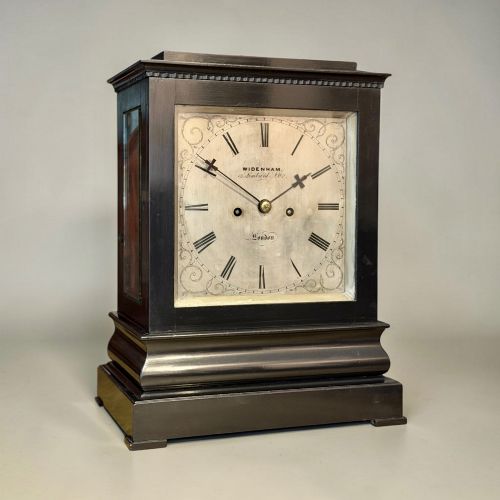
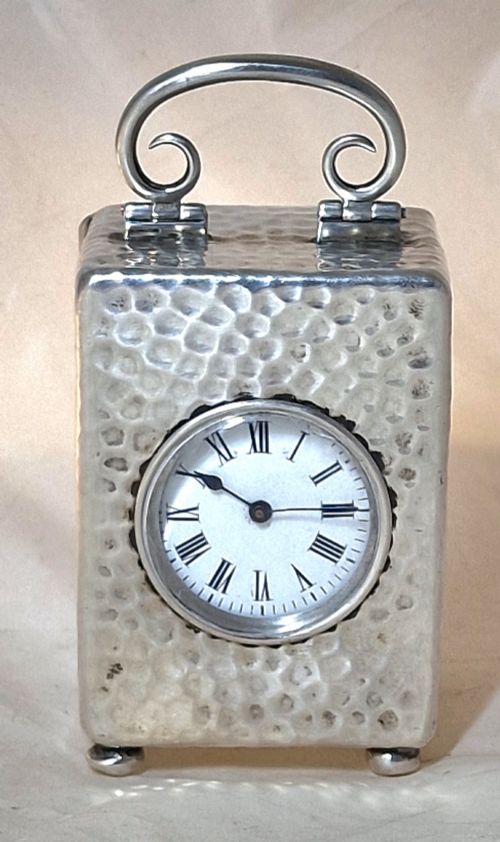
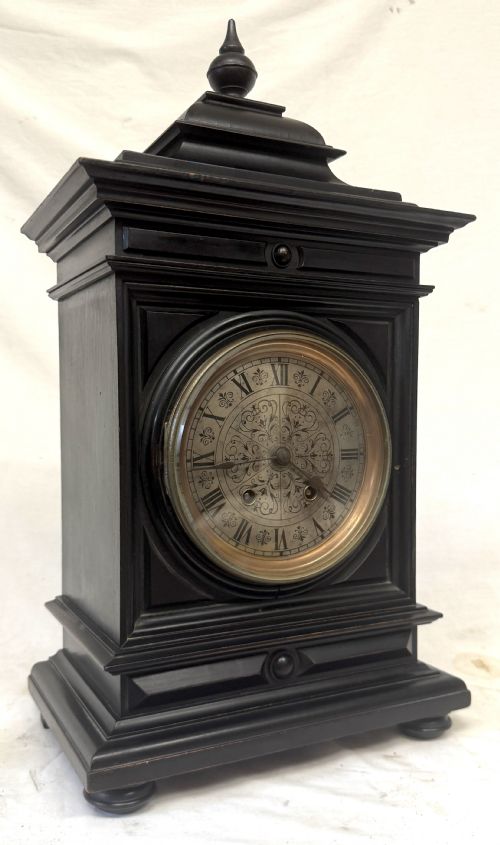
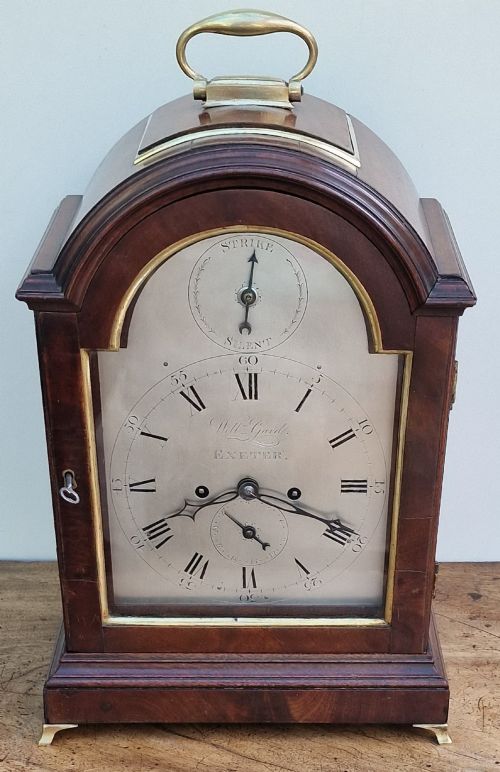
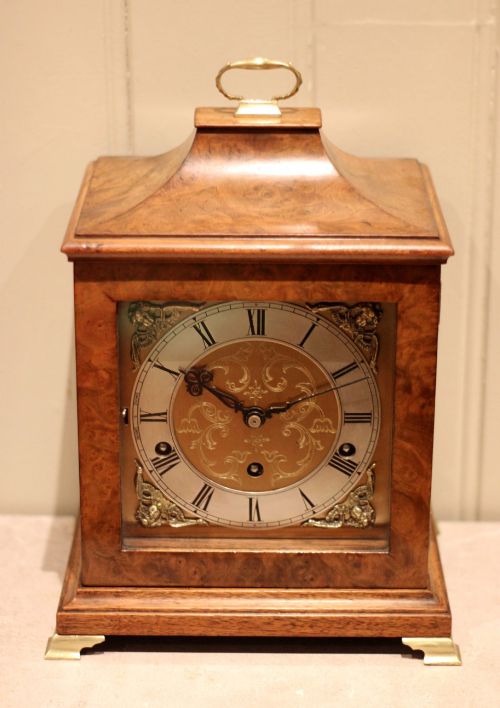
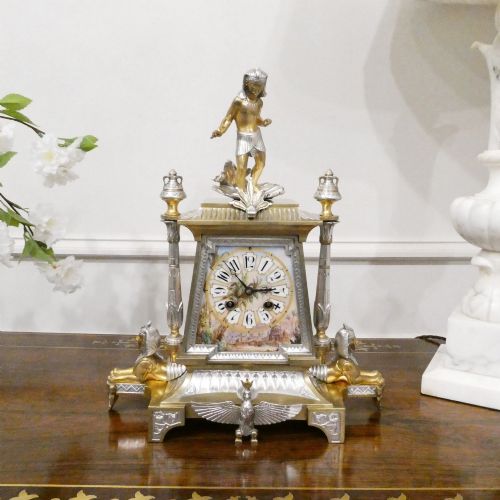
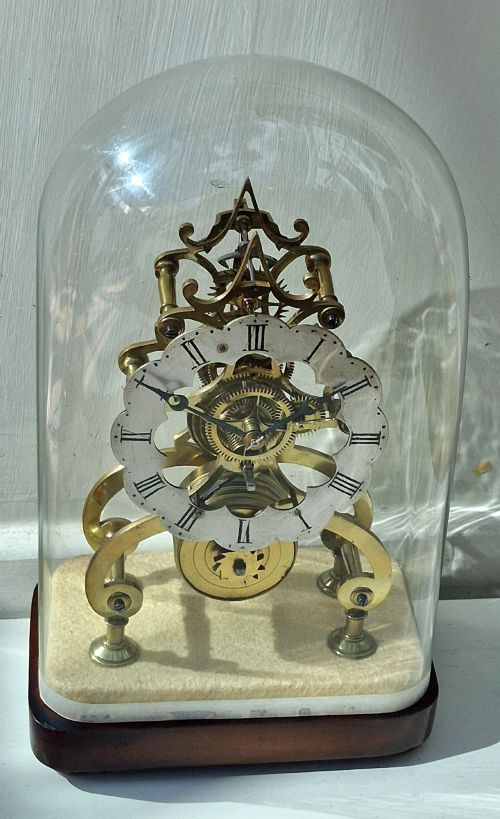

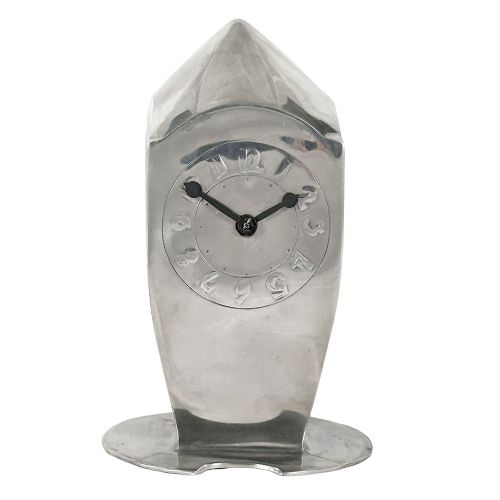
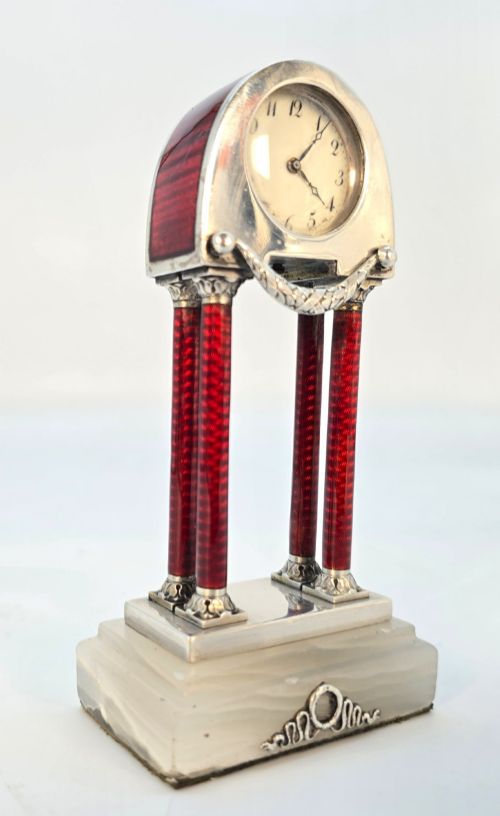
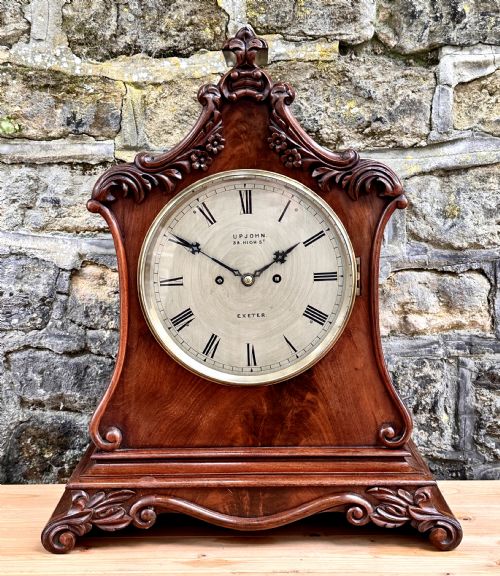
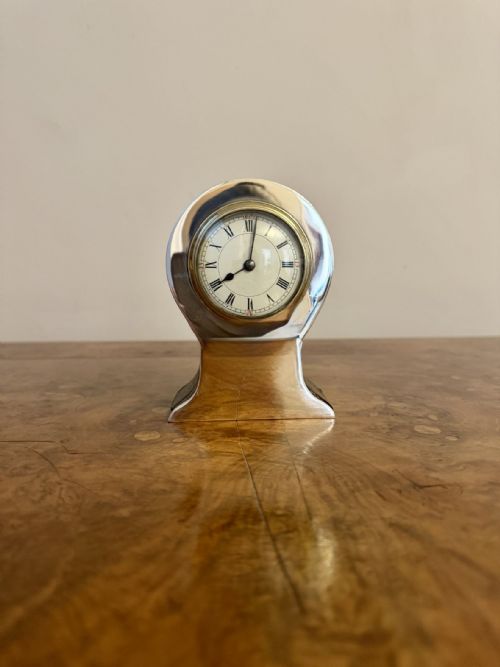
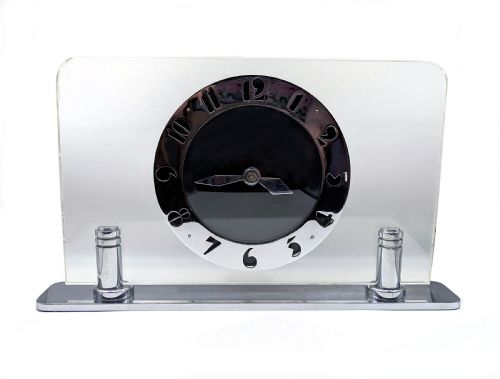
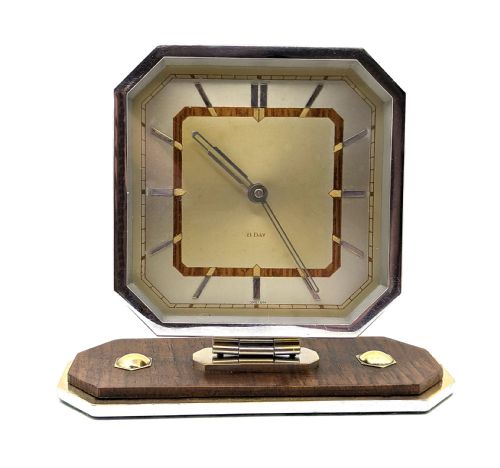
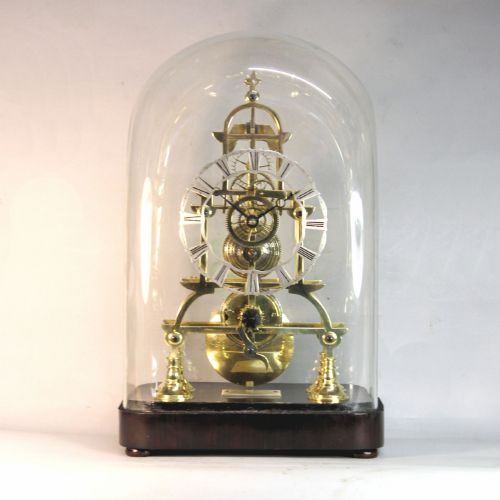
Silver Mantel Clock
When you search for a silver mantel clock, you are looking at timepieces cased or faced in silver, silver plate, or silvered metal.
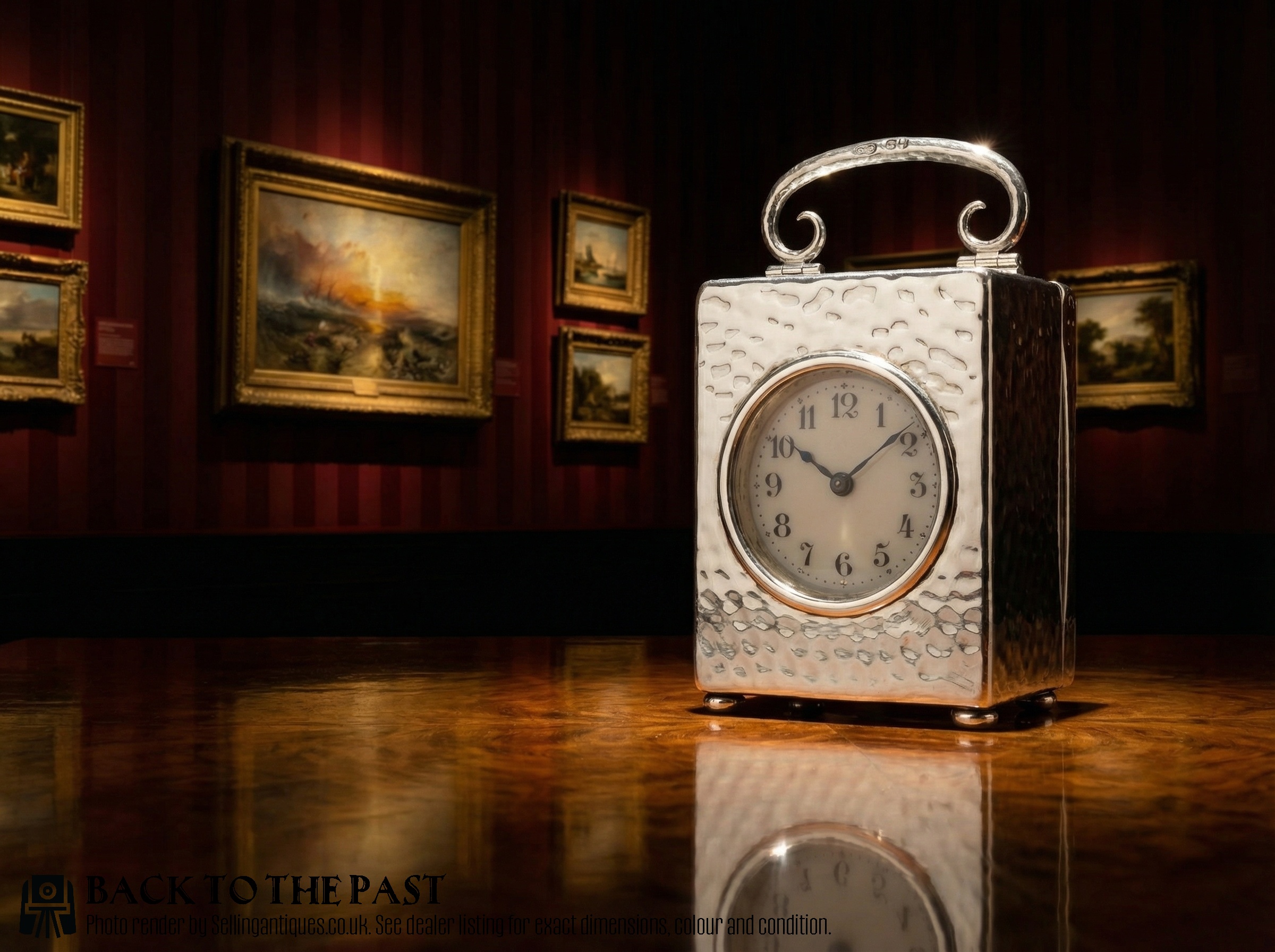
Silver Mantel Clock
A silver mantel clock combines mechanical timekeeping with precious or reflective metal surfaces designed to sit on a shelf, desk, or mantelpiece. The pieces gathered here span from the seventeenth century through the Victorian and Edwardian eras into the Art Deco period.
You will encounter smaller Edwardian solid silver and silver-fronted carriage clocks, alongside silver-plated architectural designs and Napoleon hat cases from the early twentieth century. French carriage clocks and English bracket clocks with silvered dials also appear frequently in the selection.

How They Were Made
Clockmakers housed movements inside wooden frames of mahogany, burr walnut, ebonised wood, or ebony, often mounting them with cast brass, bronze, and glass panels. Silver metal, silver plate, and solid hallmarked silver provided the visible faces, bezels, and frontplates.
Dials were frequently executed in silvered metal with engraved numerals, while movements ranged from standard spring-driven platforms to fusee mechanisms and specialised eight-day designs.
Silver Mantel Clock Retail Price Guide 2026
Typical asking prices for silver mantel clock among the pieces listed under this phrase on Sellingantiques today, from the lower quarter to the upper quarter. They describe what is for sale here now, not the wider market.
Listings feature mahogany, oak, ebony, and burr walnut cases paired with silvered brass dials and solid silver fronts.
What Varies in Quality
Quality rests upon the crispness of metal chasing, the integrity of the casework, and the original pairing of the movement to its housing. Hand-engraved silvered dials and solid silver casework distinguish finer examples from mass-produced silver-plated alternatives.
The precision of the internal clockwork and the preservation of original glass panels, bezels, and hallmarks dictate the standing of an individual piece.

Widenham of London·Lenzkirch·William Gard·Mappin & Webb·Richard et Cie·Archibald Knox·Liberty & Co·Georg Adam Scheid·Smiths Clockmakers·Richard Winter·Friedrich Adler·Osiris·WMF·Jonathon Lowndes·David Veasey·Thwaites of London·William Comyns·W&H·Walker·Dent·John Pepys·William Speakman·Bryson·Howell & James·Vincenti
The Silver Mantel Clock Glossary
- Silvered metal
- A base metal treated with a silver solution to give a bright, reflective surface finish. This technique was widely utilised on clock dials to ensure high contrast against dark hands.
- Carriage clock
- A small, portable spring-driven timepiece originally designed for travel. They commonly feature glass panels on all sides to expose the escapement.
- Bracket clock
- A portable table clock historically placed on a matching wall bracket or shelf. Many examples feature arched wooden cases with brass carrying handles.
- Fusee
- A conical pulley used in mechanical clocks to equalize the diminishing power of the mainspring as it unwinds. This mechanism supports consistent timekeeping accuracy.
- Hallmark
- An official stamp applied to precious metals indicating purity, origin, and maker. British silver pieces carry these marks to verify metal standards.
Silver Mantel Clock: Frequently Asked Questions
Can these clocks run daily?
Many of these mechanical timepieces remain fully operational and are capable of running daily if they have been properly serviced. Fusee and spring-driven movements require clean oil and correct beat setting to function reliably.
If a clock has not run for years, a professional service by a horologist is recommended before starting the movement.
How should I clean silver clock cases?
Use a soft, dry microfiber cloth to gently dust silver-plated or solid silver surfaces without applying harsh commercial dips. Avoid getting liquid polish inside the movement or onto paper and enamel dials.
For intricate chased or engraved areas, a soft bristle brush helps remove accumulated dust from crevices.
What is a fusee movement?
A fusee is a conical pulley connected to the mainspring via a chain or cord. It compensates for the drop in torque as the spring unwinds, delivering even power to the escapement.
This system was favoured in higher-grade English clocks to promote consistent accuracy throughout the running period between windings.