



Silver Lidded Box
A silver lidded box combines practical storage with decorative metalwork, offering a secure home for small keepsakes, trinkets, and vanity items across various historical periods.
Silver Lidded Box
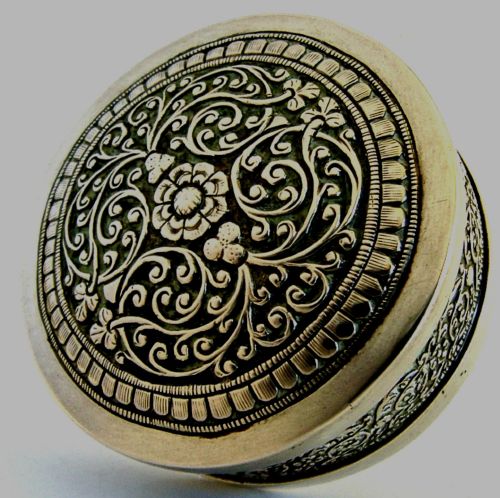
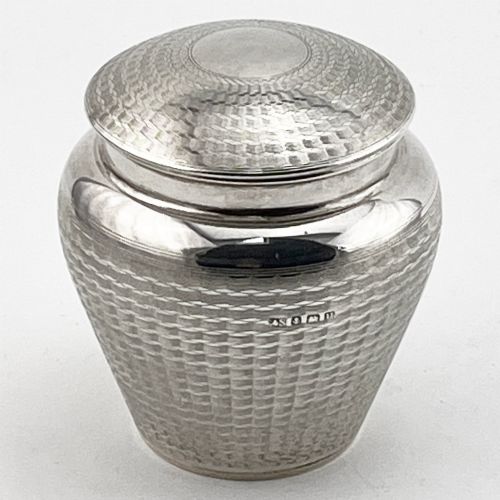
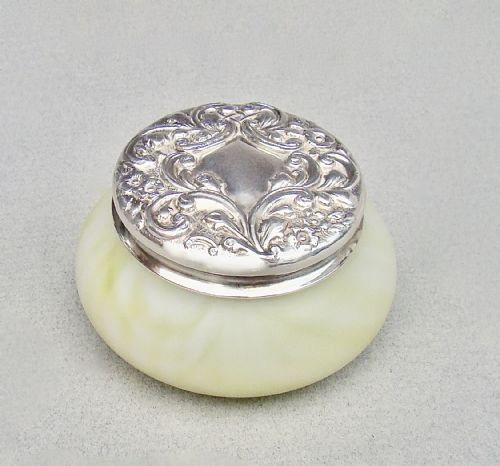
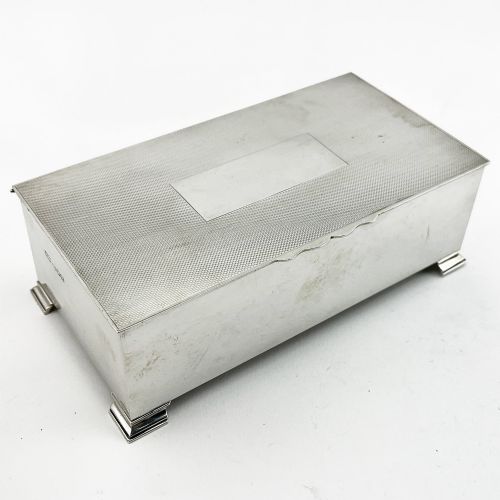
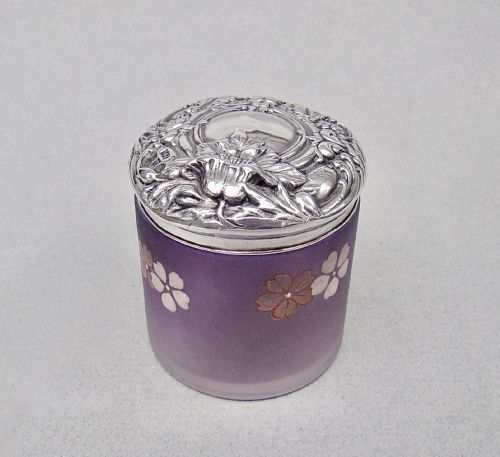
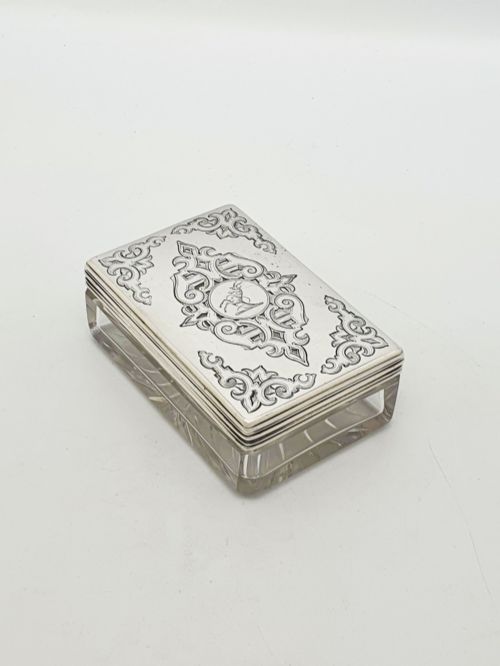
A silver lidded box encompasses a wide variety of small decorative and utilitarian vessels, ranging from pocket-sized pill boxes and snuff containers to larger vanity jars, tea caddies, and dressing table pots.
The pieces on this page span several centuries, with prominent examples originating from Georgian, Victorian, and Edwardian eras, as well as the Art Deco and Arts and Crafts periods.
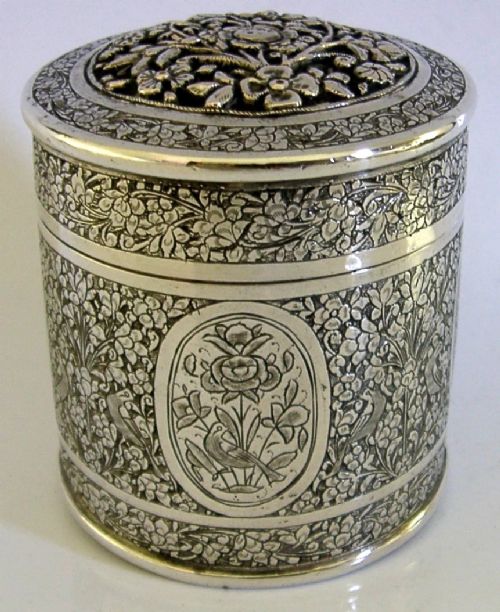
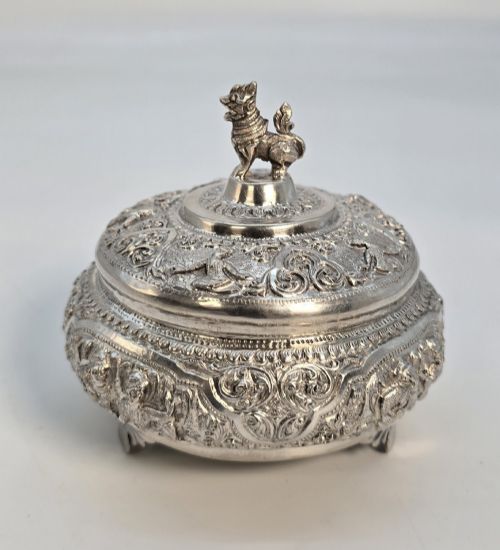
Makers utilised diverse regional styles, incorporating British sterling silver alongside Anglo-Indian, Ottoman, and Dutch colonial designs to create versatile containers for daily use.
How they were made
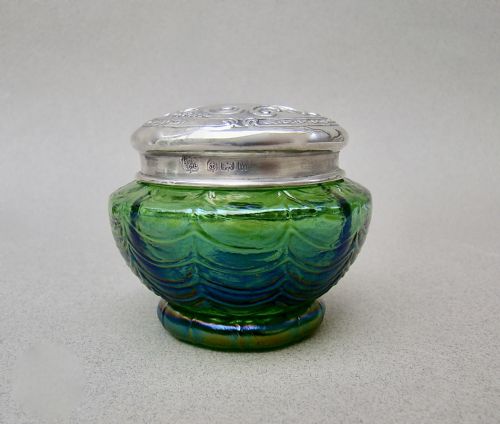
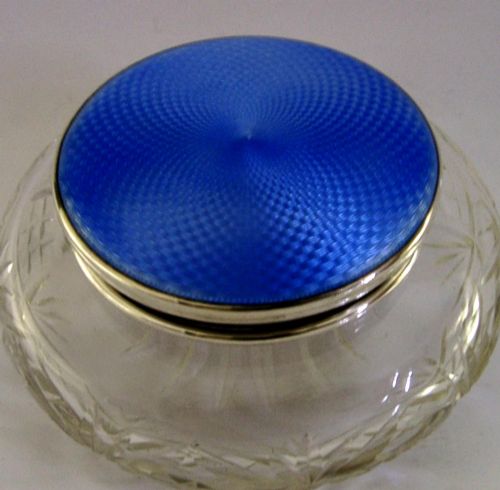
Silversmiths combined solid silver, silver plate, and sterling silver with transparent materials such as cut glass, satin glass, cranberry glass, and crystal to form the bodies of these lidded vessels.
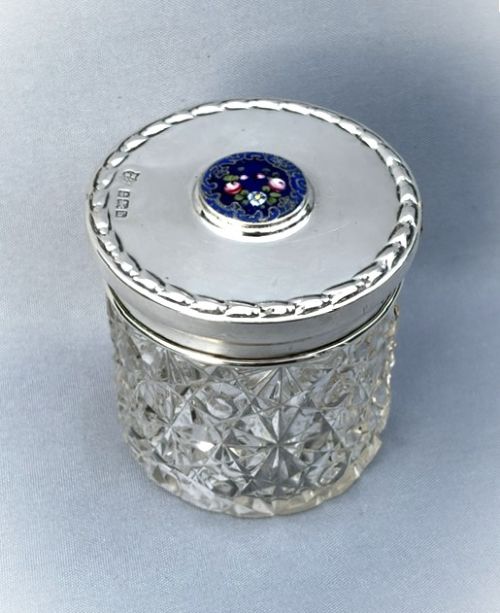
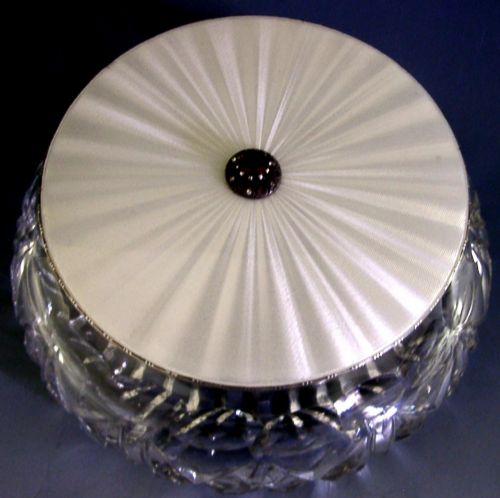
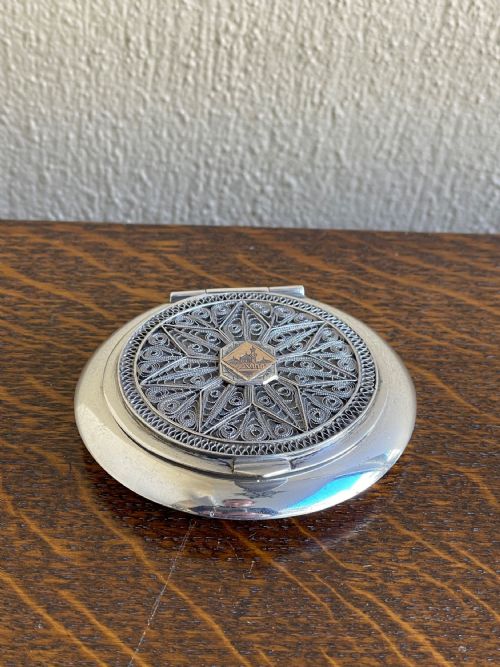
Surface decoration frequently involved intricate techniques including hand repoussé work, filigree wirework, and guilloché enamel panels applied to the lids.
Some containers integrate organic elements like mother of pearl, tortoise shell, staghorn, or carved wood alongside metal mounts and hinged lids.
Listings feature items incorporating cut glass, cranberry glass, and ceramic alongside sterling silver and silver plate.
What varies in quality
The calibre of a silver lidded box depends heavily on the crispness of the hand-chased or repoussé detail and the structural integrity of the hinges and closures.
Pieces featuring applied guilloché enamel or hand-set stones demonstrate higher artisan input than plain stamped counterparts.
The weight of the metal, clarity of the associated hallmarks, and integration of specialised glass bodies separate standard utilitarian items from finer examples.
A. J. Pepper & Co·A. Bromet & Co·Mappin & Webb·Thomas Bradbury·Jane Brownett Alexander Jones·William Eaton·Edward Farrell·Wright & Davies·Ernest Druiff & Co·Omar Ramsden·Archibald Douglas·Martin Hall and Co·Elkington & Co·Wan-Hing·David Anderson·John Evans·Wang Hing
The Silver Lidded Box Glossary
- Sterling silver
- An alloy containing 92.5 percent silver by mass, with the remainder consisting of other metals like copper to increase durability.
- Guilloché enamel
- A decorative technique where a precise geometric pattern is mechanically engraved beneath a translucent layer of coloured enamel.
- Repoussé
- A metalworking method in which the artisan hammers the metal from the reverse side to form a raised design in relief.
- Hallmark
- An official stamp applied by an assay office indicating the purity of the metal, the maker, and the year of production.
- Caddy
- A small container originally designed for storing loose tea leaves before they became widely available and affordable.
Silver Lidded Box: Frequently Asked Questions
How are silver lidded boxes dated?
Assay office hallmarks stamped directly onto the metal provide the most reliable indicator of origin and year of manufacture.
Stylistic shifts between Georgian neoclassical forms, Victorian ornamentation, and Art Deco geometry also help determine the period.
What were vanity jars used for?
Vanity jars sat on dressing tables to hold powders, creams, hairpins, and small cosmetics during the nineteenth and early twentieth centuries.
Their decorative glass bases and silver lids kept personal items protected from dust while displaying craftsmanship.
Can I clean the enamel lids?
Enamel surfaces require gentle cleaning with mild soap and warm water using a soft cloth to avoid scratching the glass paste.
Harsh metal polishes must be kept away from enamelled areas to prevent permanent damage to the coloured finish.
What is the difference between solid silver and plate?
Solid silver objects consist entirely of precious metal throughout their structure, marked by standard purity symbols.
Silver-plated pieces feature a thin layer of silver bonded over a base metal foundation such as brass or pewter.