
Early 20th Century Silver
Early 20th century silver encompasses diverse domestic objects, lighting, and decorative items reflecting rapid stylistic evolution from Edwardian tradition to Art Deco modernity.
Early 20th Century Silver
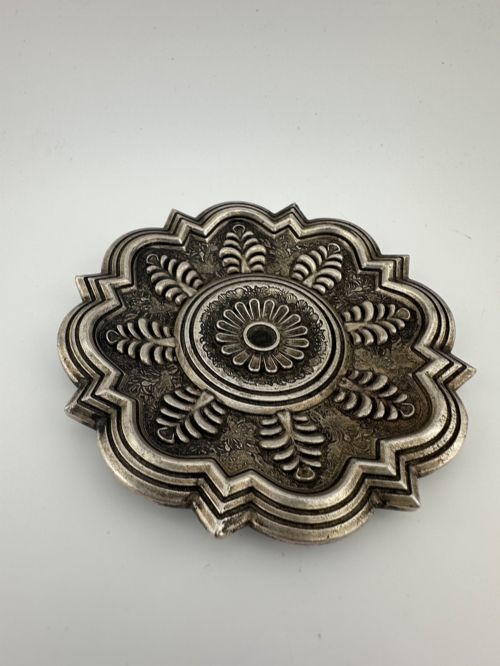
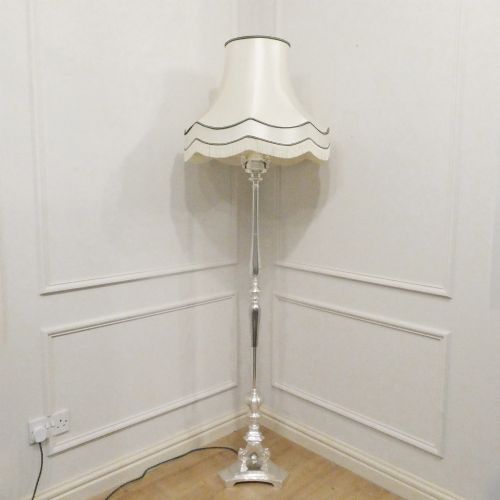
The selection ranges from functional tableware and vanity accessories to sculptural desk objects and lighting components. Buyers encounter sterling pieces alongside silver-plated items and silvered finishes applied to bronze, brass, and glass.
Edwardian refinement gives way to the geometric rigour of Art Deco and the organic curves of Art Nouveau and Arts and Crafts movements. Items appear alongside related metalwork including bronze, nickel, and brass.
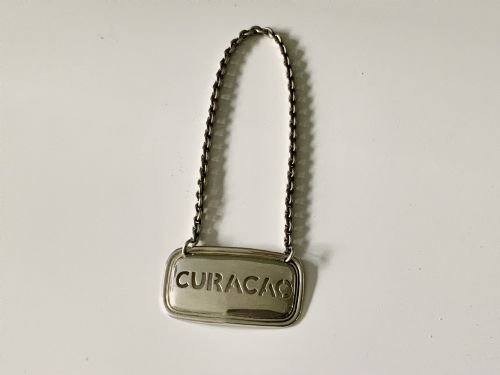
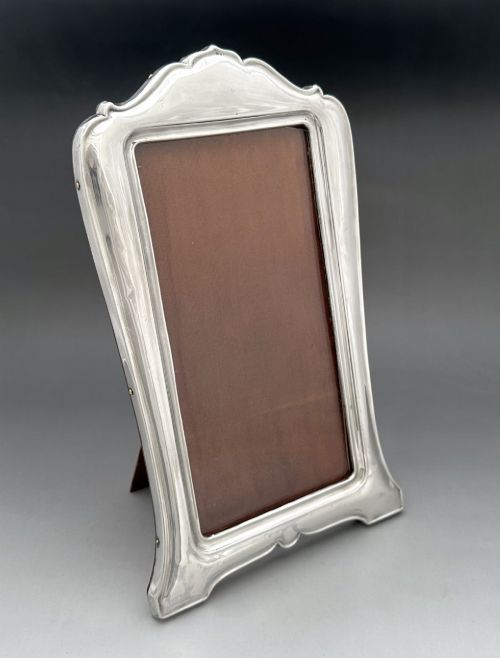
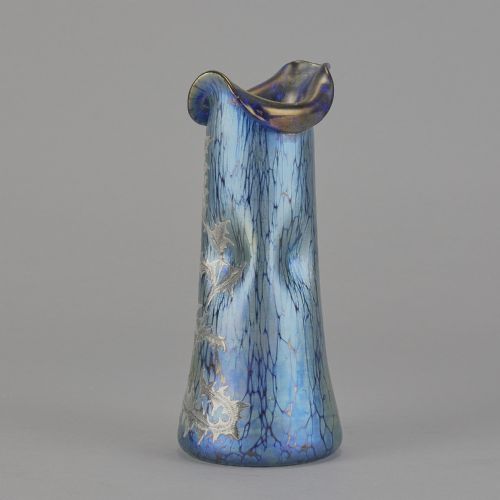
Common utilitarian forms include picture frames, decanter labels, perfume bottles, and smoking accessories. Decorative pieces like vases and plaques demonstrate the period's experimental surface treatments.
Materials and construction techniques
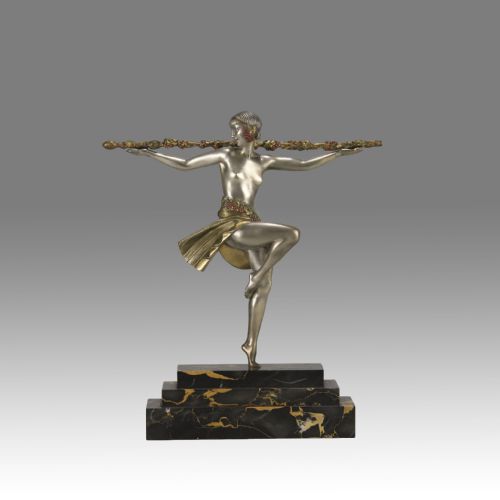
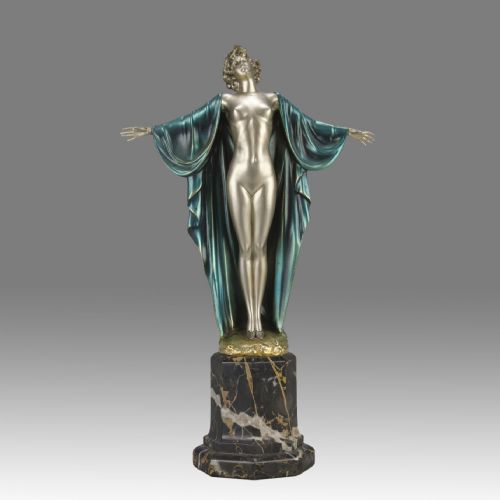
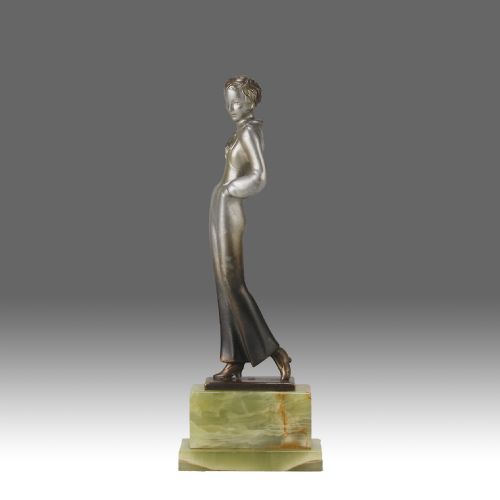
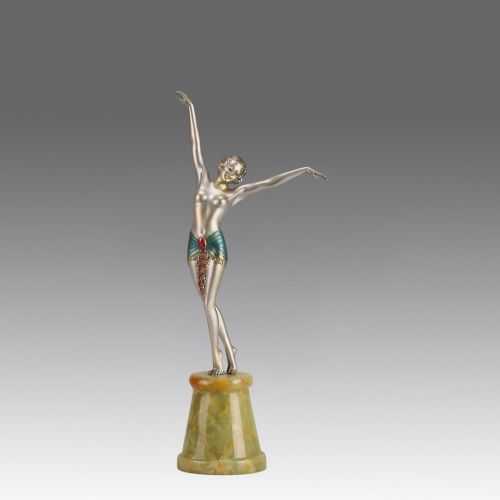
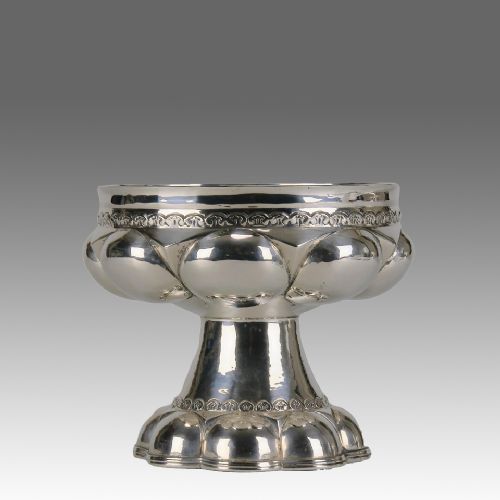
Objects utilise solid sterling silver, silver plate on copper or base metals, and silvered glass or bronze. Cold-painted surfaces frequently appear on sculptural bronze figures, combining metallic finishes with applied polychrome pigments.
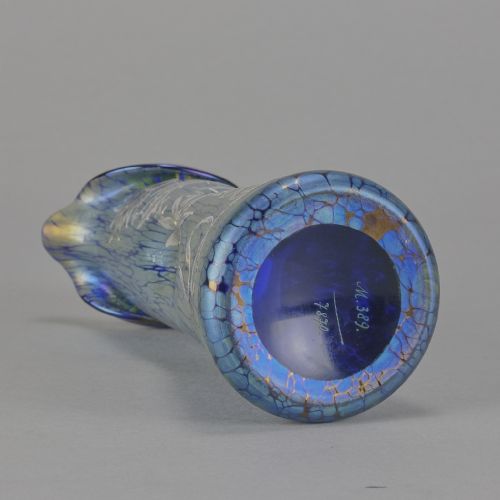
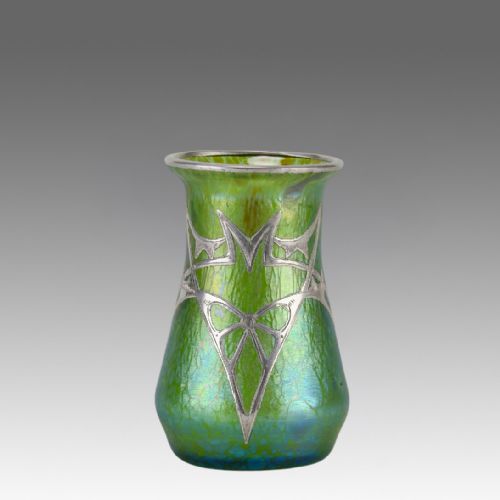
Enamelling techniques add colour and pattern to small accessories like spoons, boxes, and brooches. Glass elements incorporate iridescent treatments and silvered infusions to catch the light.
Early 20th Century Silver Retail Price Guide 2026
Typical asking prices for early 20th century silver among the pieces listed under this phrase on Sellingantiques today, from the lower quarter to the upper quarter. They describe what is for sale here now, not the wider market.
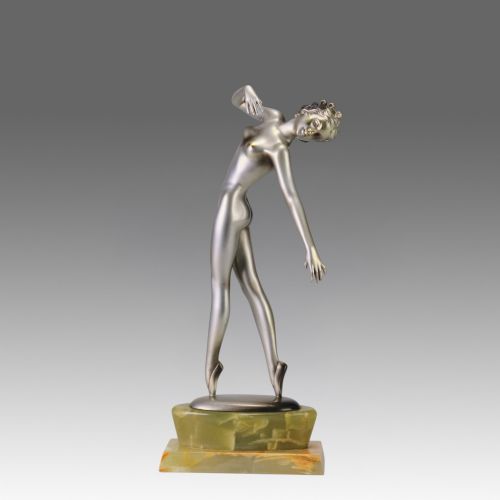
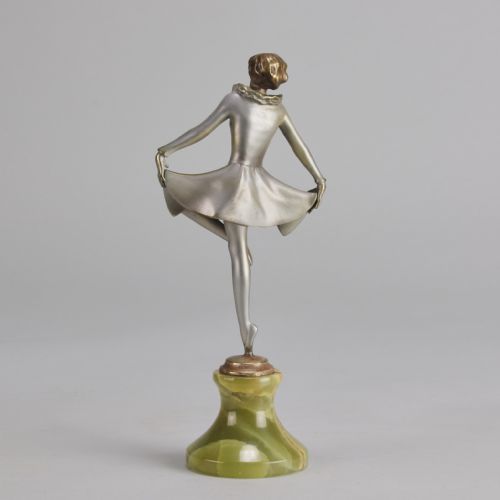
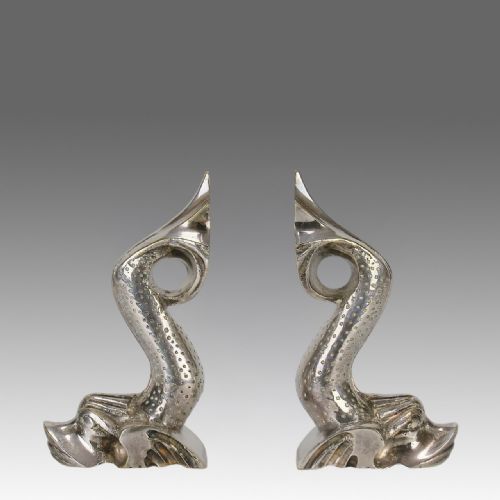
Dogs of Fo, cold-painted dancers, and silvered fish bookends prove that early 20th century makers had a wonderful sense of theatre.
Factors influencing quality
The distinction between standard commercial output and superior craftsmanship rests in the weight of the metal and the precision of surface decoration. Hand-chased detailing and crisp hallmarks denote higher workshop standards.
Makers known for specific artistic movements command attention through innovative design execution rather than mere utility. The integrity of applied patinas, cold-painted pigments, and enamel work determines overall execution.
Pierre le Faguays·Ferdinand Preiss·Josef Lorenzl·Loetz Witwe·Nathan and Hayes·David Andersen
The Early 20th Century Silver Glossary
- Sterling silver
- An alloy consisting of ninety-two point five percent silver by mass, with the remainder composed of other metals, usually copper.
- Silver plate
- A layer of silver applied to a base metal core such as copper, brass, or nickel silver.
- Cold-painted bronze
- Sculptural metalwork painted with oil-based pigments after casting, rather than fired in a kiln.
- Art Deco
- A design style characterised by sleek geometric shapes, streamlined forms, and modernist ornamentation.
- Art Nouveau
- An international style of art and architecture characterised by intricate linear designs and flowing natural curves.
Early 20th Century Silver: Frequently Asked Questions
How do I clean antique silver?
Use a soft microfibre cloth and a gentle, non-abrasive silver cleaner formulated specifically for antique metalwork. Avoid harsh chemical dips that strip desirable patinas from recessed areas.
Store pieces in tarnish-resistant cloths away from direct sunlight and high humidity to preserve the finish between polishings.
What is the difference between silver and silver plate?
Solid silver contains a high, regulated purity proportion throughout the entire object and bears official town and maker hallmarks. Silver plate consists of a thin layer of silver bonded to a base metal substrate.
Examining worn edges often reveals the underlying base metal on plated items, whereas solid silver maintains consistent composition.
How do I date these items?
Official hallmarks on British pieces provide precise assay office marks, date letters, and maker symbols. Stylistic markers such as Edwardian restraint, Arts and Crafts hand-working, or Art Deco geometry also indicate the period.
Comparative analysis of manufacturing techniques and documented signatures helps place unmarked continental or decorative objects.
How do I incorporate these pieces into a modern interior?
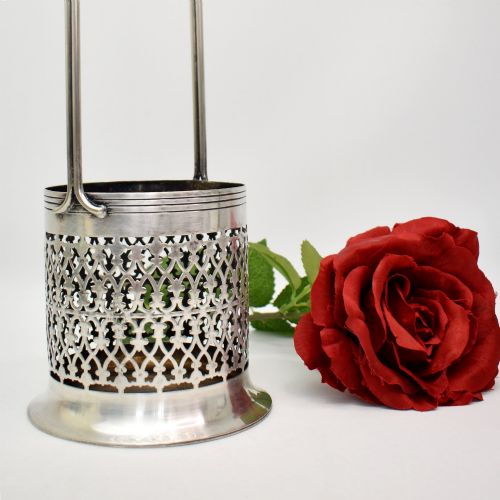
Combine reflective silver frames, trays, and lighting fixtures with matte textures and neutral backgrounds to create visual contrast. Small decorative items anchor bookshelves, side tables, and mantelpieces without overwhelming contemporary spaces.
Mix periods carefully, pairing clean-lined Art Deco silver with minimalist decor or placing Edwardian vanity items on modern dressing tables.