



Sterling Silver Decanter Tag
These sterling silver decanter tag examples label your decanter with distinct character, offering a practical way to identify spirits with period charm.
What a sterling silver decanter tag is
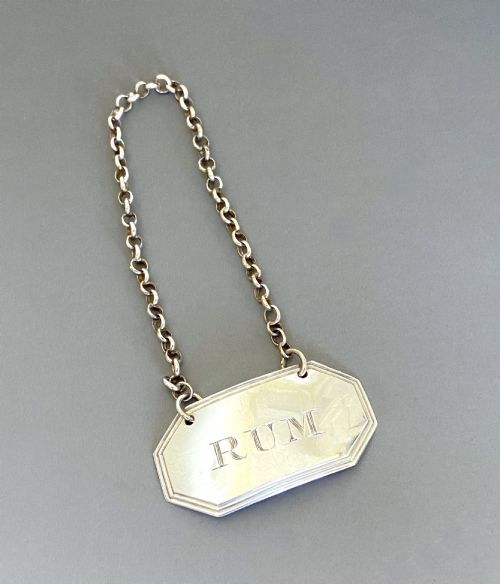
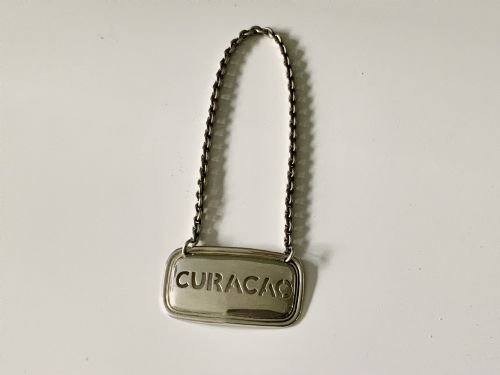
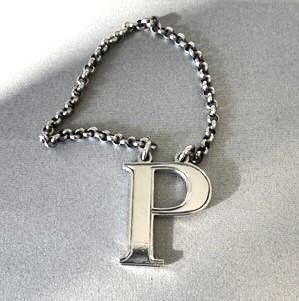
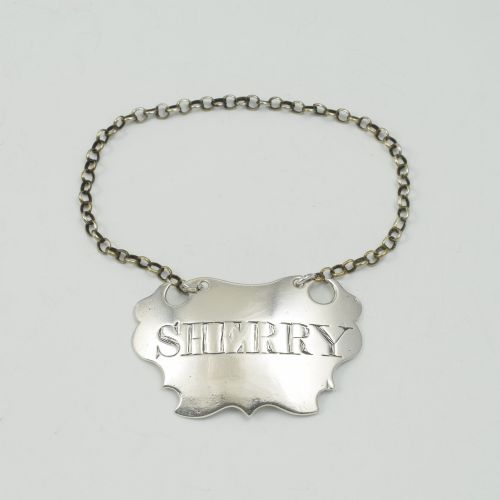
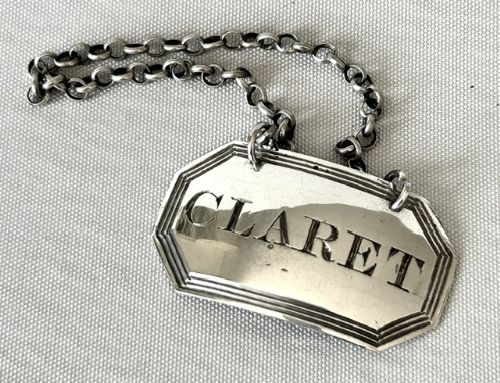
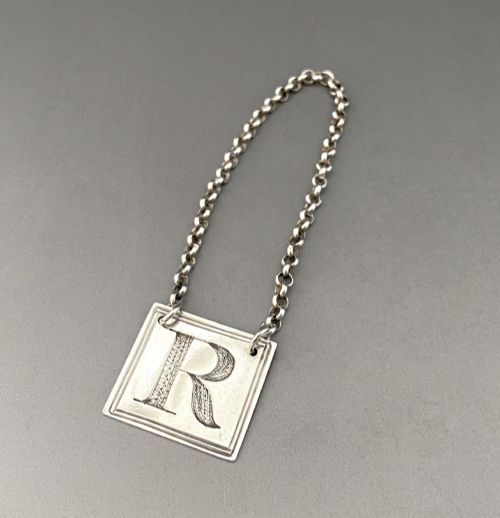
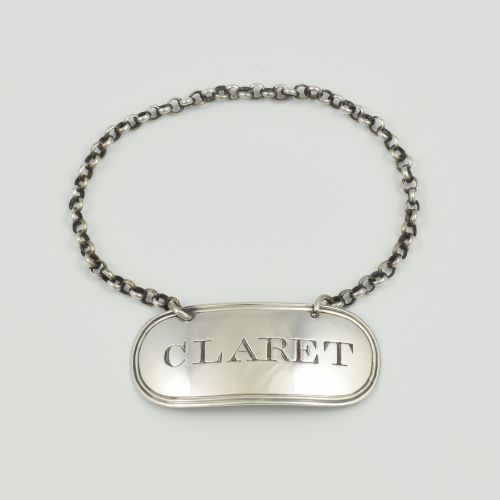
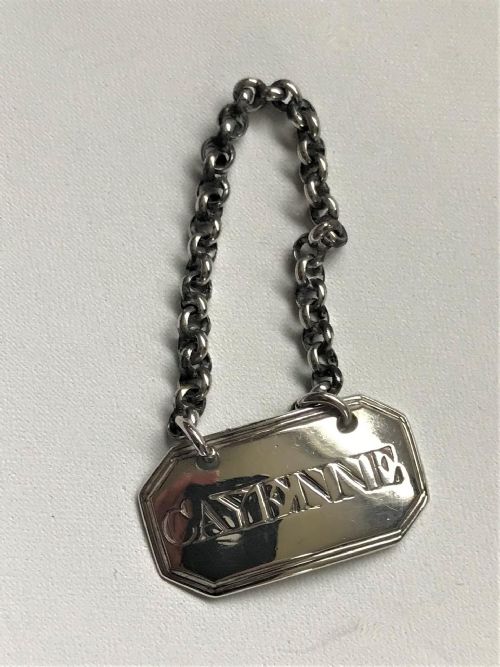
A sterling silver decanter tag serves to identify the contents of a decanter, hanging around the neck of the bottle on a chain or band. These labels range from Georgian examples bearing specific wine names to mid-century British iterations.
The versions most commonly met on this page include Georgian pieces alongside mid-century silver and enamel designs from Birmingham. They encompass traditional spirit names like claret, port, sherry, whisky, and brandy.
Originating in periods spanning the Georgian era through to the 1960s, these objects reflect changing domestic habits across centuries. They bridge functional utility and table ornamentation in British dining traditions.
How they were made
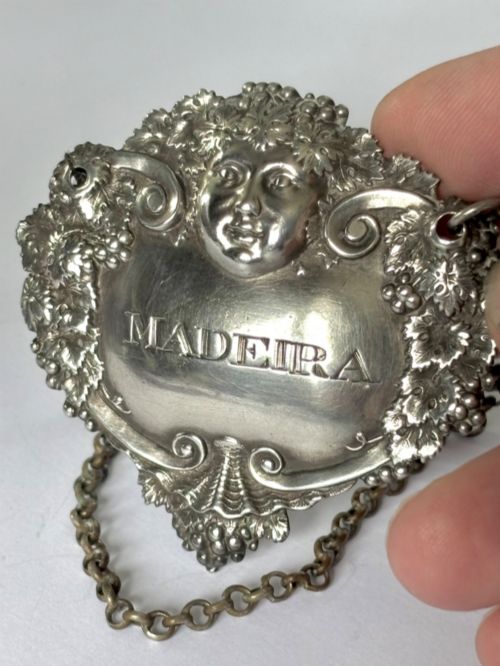
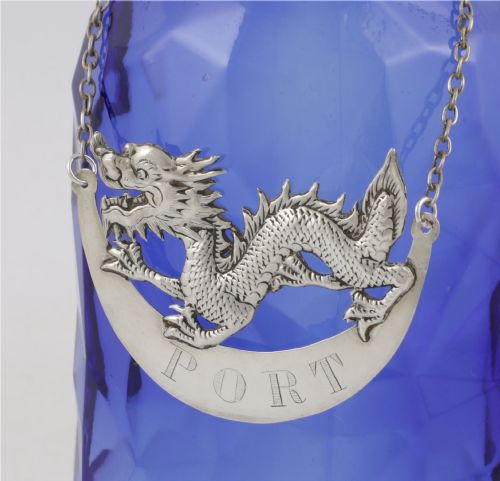
Makers shaped these tags from sterling silver and solid silver, employing traditional metalworking techniques. Pierced, engraved, or cast ornamentation defines the structural bodies of the earlier pieces.
Later mid-century examples incorporate vitreous enamel decoration alongside silver. Birmingham workshops applied colourful enamel sections to solid silver bases to highlight the spirit titles.
Retail Price Guide 2026
Typical UK retail prices for sterling silver decanter tag, calculated from the Sellingantiques database of over a million retail prices indexed since 2003. This retail price guide relies exclusively on Sellingantiques data; no external sources or auction records are used, so the figures do not describe the wider market.
Materials recorded across the inventory include sterling silver, solid silver, and vitreous enamel.
What varies in quality
Quality separates through the crispness of engraving and the depth of the silver work. Hand-engraved Georgian lettering displays a fluidity absent in simpler stamped versions.
The integration of materials dictates distinction in enamelled pieces. Smooth, well-fired vitreous enamel set cleanly within solid silver mounts marks out superior mid-century execution.
Tiffany·Turner and Simpson
The Sterling Silver Decanter Tag Glossary
- Decanter label
- An alternative term for a decanter tag, suspended from the bottle neck to name the beverage inside.
- Georgian
- Pertaining to the period of the Hanoverian kings from 1714 to 1830, noted for refined silver craftsmanship.
- Vitreous enamel
- Glass fused to a metal surface through firing, used to add permanent colour and detail to mid-century silver pieces.
- Solid silver
- Metal composed of pure silver alloyed with other metals to ensure durability while maintaining high silver content.
Frequently Asked Questions
How do you hang a decanter tag?
These tags suspend from a silver chain or rigid collar that slips around the bottleneck. This allows the label to hang freely against the glass.
Ensure the chain length matches the taper of your specific decanter neck so the label rests securely without slipping down.
What spirits do these labels name?
Traditional tags identify specific wines and spirits such as claret, port, sherry, whisky, and brandy. Each label corresponds to the historic contents of the decanter.
Matching the label correctly to the bottle ensures proper identification during formal dining or casual serving.
How do you clean silver decanter tags?
Cleaning requires a soft cloth and specialist silver polish applied gently to avoid damaging engraved details or enamel work. Enamelled surfaces need particular care to preserve the glass fusion.
Store the tags flat or hang them carefully when not in use to prevent scratching the precious metal.
How do I tell Georgian tags apart from mid-century ones?
Georgian pieces typically feature hand-engraved text, cast frames, and traditional wine names without added colour. They rely purely on silver craftsmanship for their decorative impact.
Mid-century examples often incorporate brightly coloured vitreous enamel and Birmingham assay markings that distinguish them from their eighteenth and early nineteenth-century predecessors.