




Silver Letter Holder
A silver letter holder brings functional desk elegance from the Victorian, Edwardian, and Georgian periods into everyday home organisation.
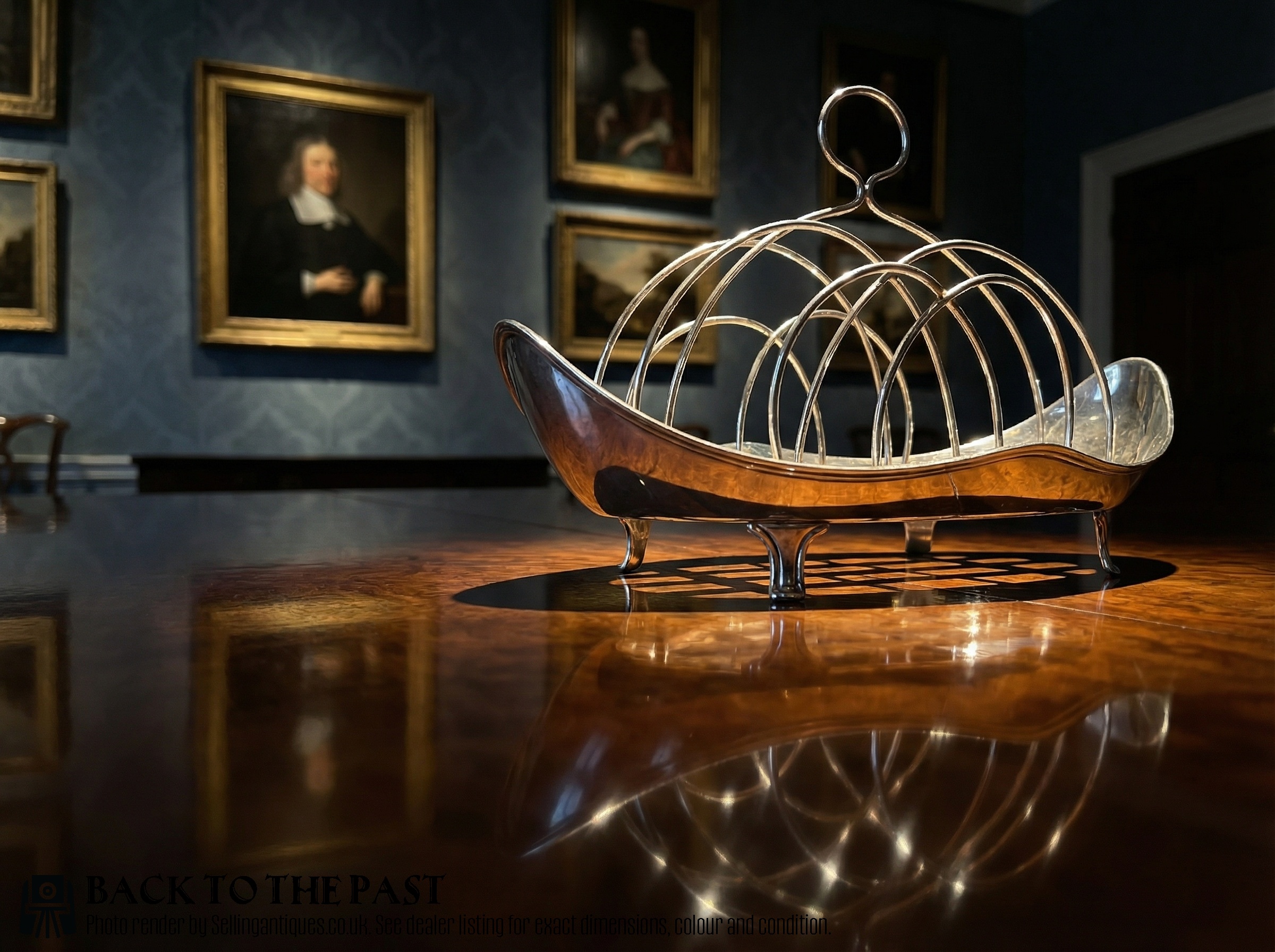
Identifying Silver Letter Holders
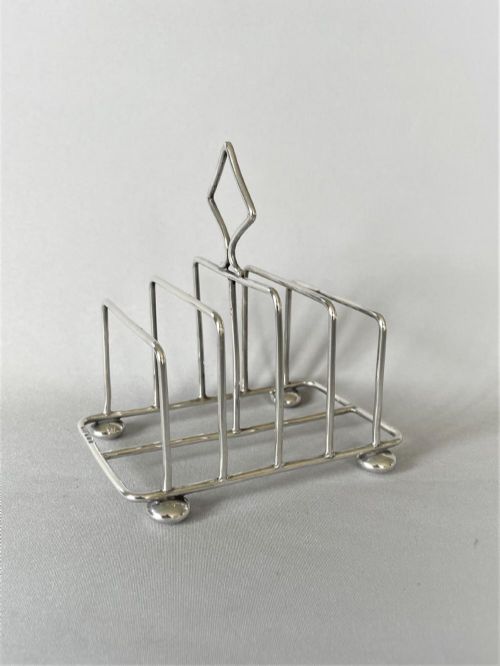
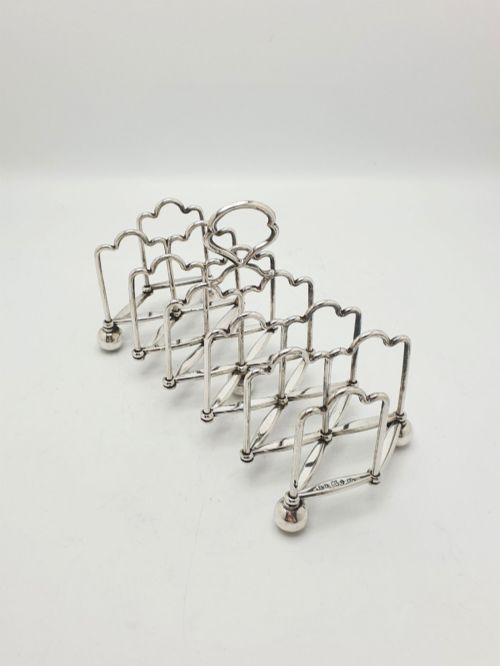
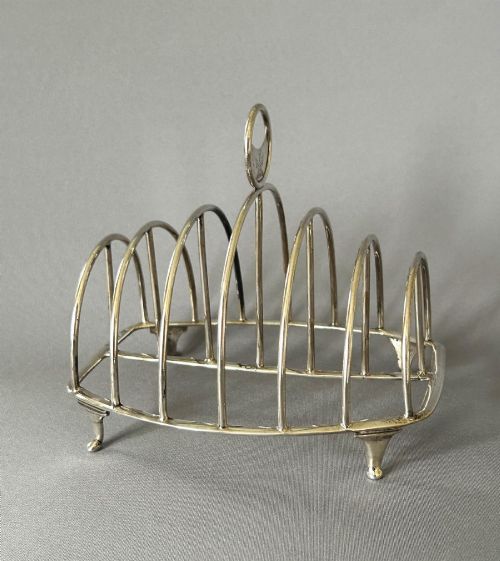
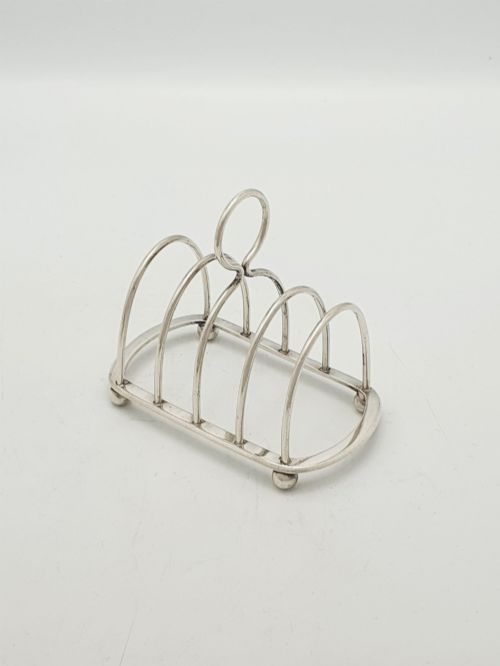
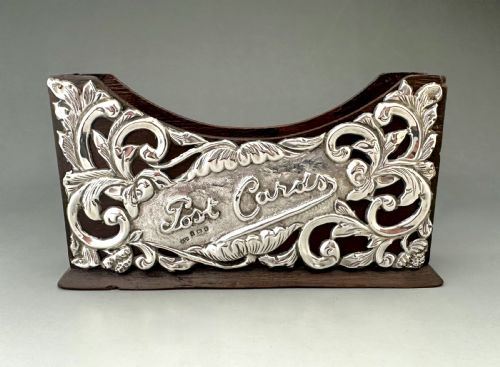
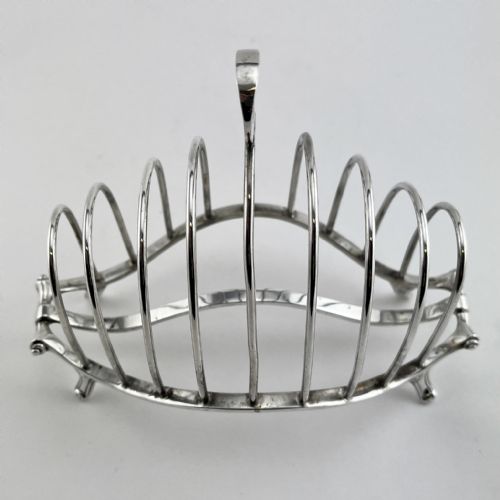
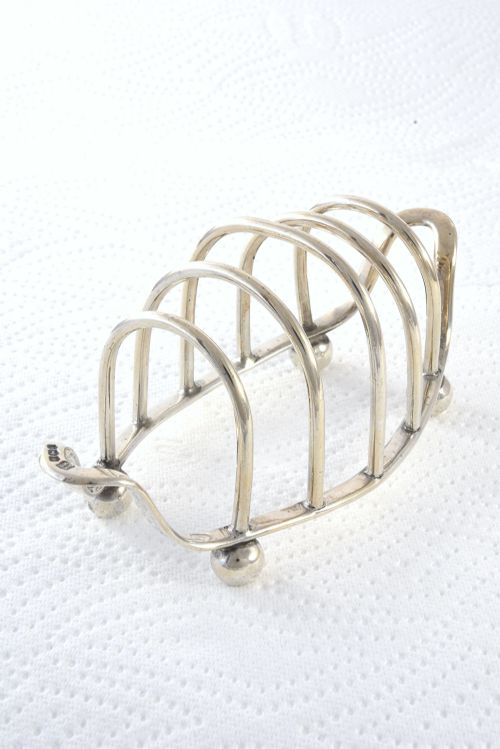
A silver letter holder encompasses desk tidies, postal letter racks, and card holders designed for correspondence, alongside dual-purpose pieces combining letter compartments with toast racks. These functional items appear across Georgian, Victorian, and Edwardian periods, reflecting the heavy reliance on written post during those eras.
The version most commonly encountered on this page is the silver plate or sterling silver toast rack and letter holder hybrid, often featuring novelty designs such as golf themes, horseshoes, stirrups, wishbones, and heart shapes. Makers also combined silver plate with solid oak or Royal Worcester blue and white ceramic elements to create distinctive desk and table accessories.
Materials and Construction
Items in this category were fashioned primarily from sterling silver or silver plate, utilising foundational metals shaped through silversmithing techniques. Workshops integrated mixed media, combining silver plate with solid oak bases or leather in blotters and incorporating Imari ceramics or Royal Worcester porcelain inserts.
Novelty pieces required specialist casting and soldering methods to form specific motifs like golf clubs, horseshoes, lyres, and wishbones. Makers stamped or hallmarked items to record standards, registration years, and maker marks.
Retail Price Guide 2026
Typical UK retail prices for silver letter holder, calculated from the Sellingantiques database of over a million retail prices indexed since 2003. This retail price guide relies exclusively on Sellingantiques data; no external sources or auction records are used, so the figures do not describe the wider market.
Listings feature items from the Georgian, Victorian, and Edwardian periods, fashioned in sterling silver and silver plate.
Distinctions in Quality
Quality rests upon the crispness of the casting in novelty motifs, such as the detailed rendering of golf equipment, stirrups, or wishbones. Pieces demonstrating strong architectural form, whether an oblong rack or a lyre shape, show superior design execution.
The integration of secondary materials dictates refinement, distinguishing standard plated items from those combining solid oak, leather, or ceramic components like Imari and Royal Worcester. Maker attribution also plays a role, with established firms yielding distinct design execution.
Elkington·Sampson Mordan·Padley, Parkin And Staniforth·Roberts And Belk·Atkin Brothers·Walker And Hall
The Silver Letter Holder Glossary
- Silver Plate
- A base metal coated with a layer of silver. This technique allowed manufacturers to produce decorative items at a commercial scale.
- Sterling Silver
- An alloy consisting of silver and other metals, typically copper, standardly containing high silver purity for solid metal objects.
- Toast Rack
- A table accessory featuring vertical metal divisions to hold pieces of toast. Many examples were dual-purposed to hold letters as well.
- Desk Tidy
- A functional container designed to organise correspondence, cards, and writing implements on a desk. These often incorporate letter racks and blotters.
- Novelty
- An object shaped into a humorous, thematic, or recognizable non-standard form. Examples include golf equipment, wishbones, and horseshoes.
Frequently Asked Questions
What is a silver letter holder?
A silver letter holder is a desk or table accessory designed to organise correspondence and notes. These pieces range from dedicated postal racks and card holders to dual-purpose designs.
Many examples combine letter storage with toast racks, utilising silver plate or sterling silver. They reflect the domestic writing habits of past eras.
How were dual purpose racks used?
Dual-purpose items functioned both at the breakfast table for toast and on the desk for mail. Their versatile frames accommodated different household needs.
Such pieces demonstrate the Victorian appetite for multifunctional tableware and desk accessories.
How do I date a silver piece?
Dating involves examining hallmarks, registration numbers, and stylistic markers. Sterling silver items often carry city marks and date letters indicating the assay office and year.
Silver plated items rely on registration years and maker marks to narrow down their period of production.
What styles are available?
Styles span the Georgian, Victorian, and Edwardian periods. Designs range from formal oblong frames to elaborate novelty shapes.
Common novelty themes include golf clubs, horseshoes, stirrups, and wishbones, alongside lyre-shaped racks and ceramic combinations.
Are these pieces made of solid silver?
Materials vary between sterling silver and silver plate over base metal. Some examples incorporate solid oak, leather, or ceramic inserts.
Listings specify the exact material makeup for each individual piece.