



Antique Silver Rack
When you search for an antique silver rack, you encounter functional dining table accessories and desk items shaped by Victorian, Edwardian, and Art Deco makers.
Antique Silver Rack
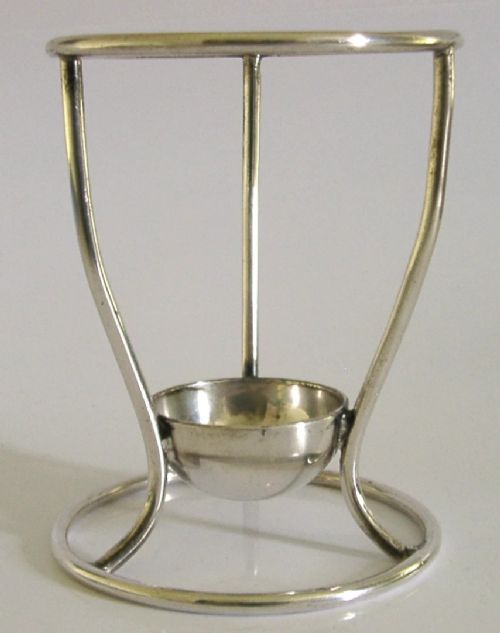
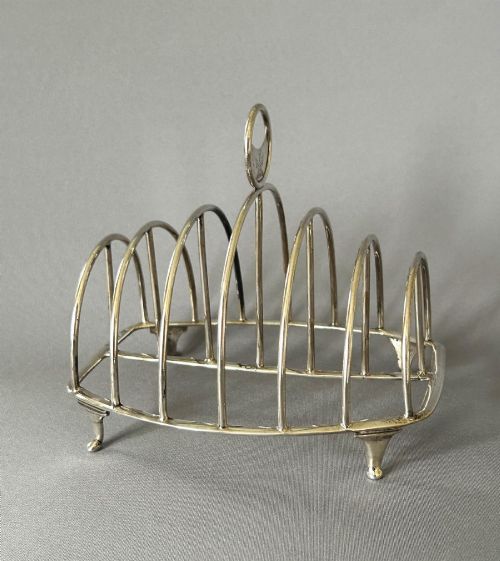
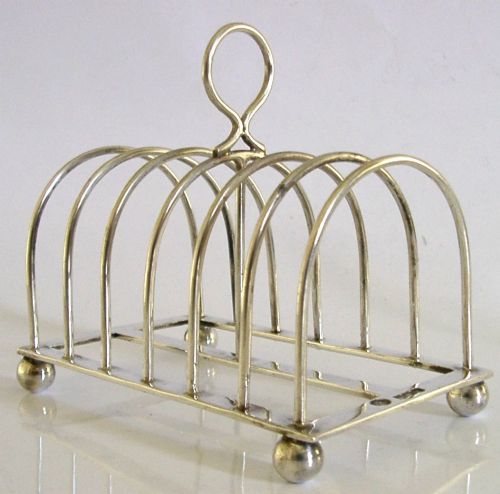
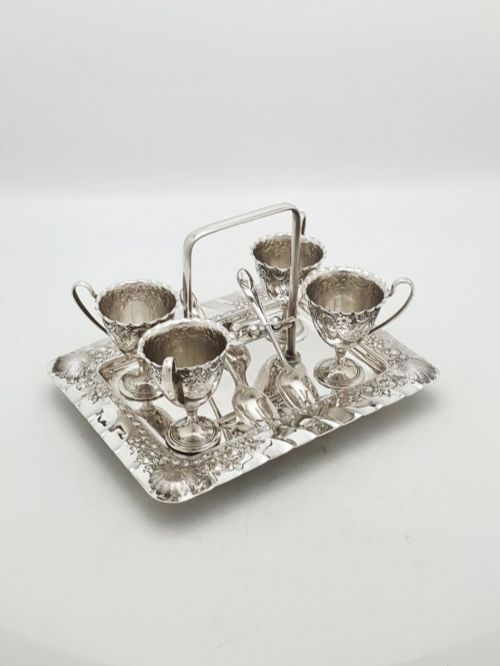
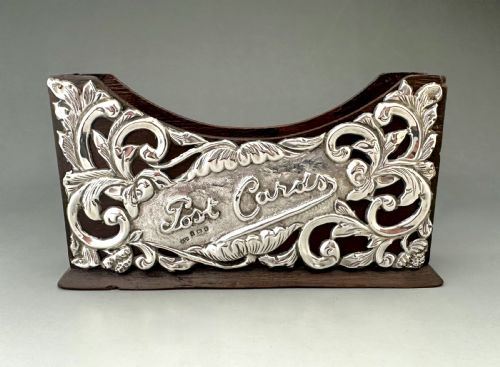
An antique silver rack primarily encompasses toast racks designed for breakfast tables, alongside letter holders, umbrella stands, and bottle holders. The pieces originate from Georgian, Victorian, Edwardian, and later periods spanning into the twentieth century.
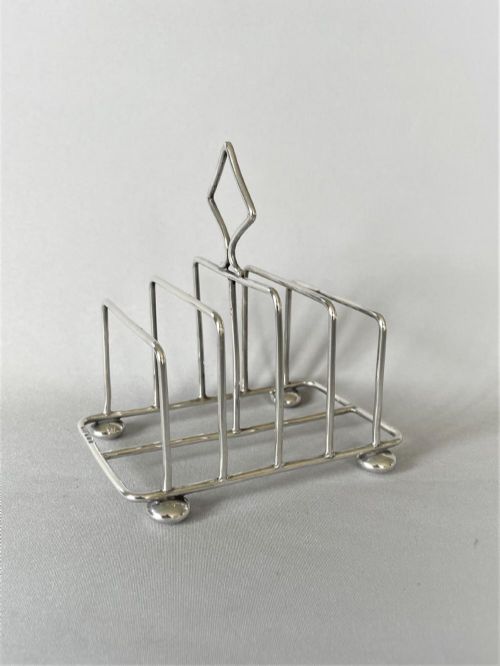
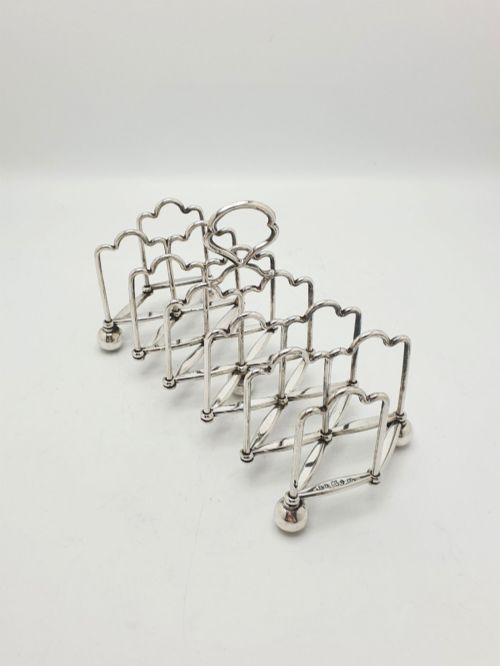
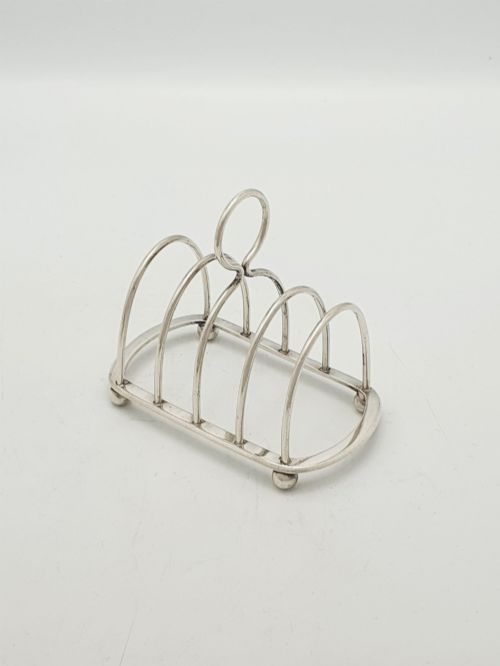
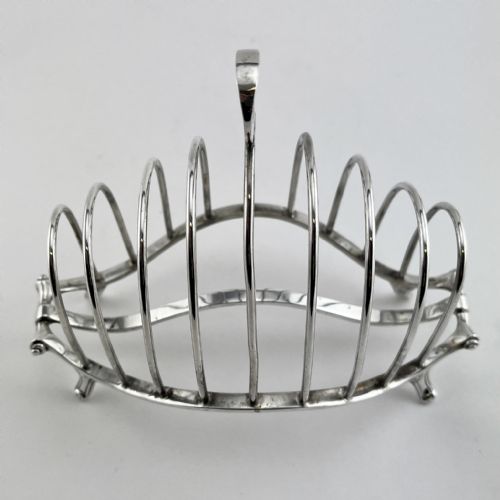
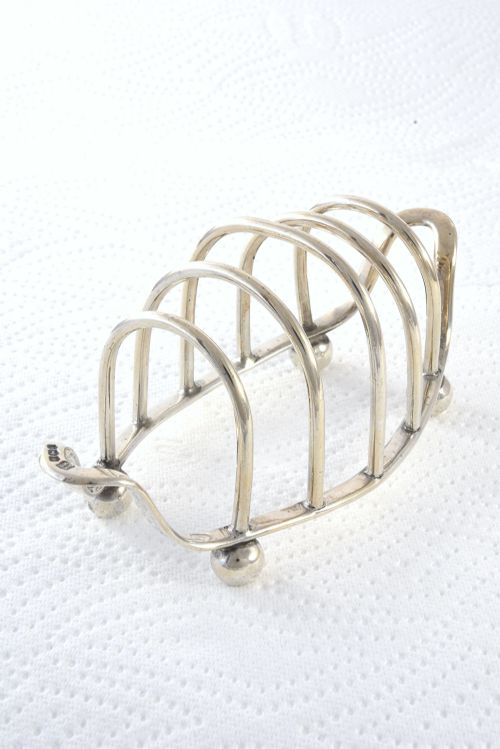
Toast racks dominate the selection, appearing in four-slice, six-slice, and expanding formats. Makers also produced novelty designs modelled as wagons, horseshoes, golf clubs, and wishbones.
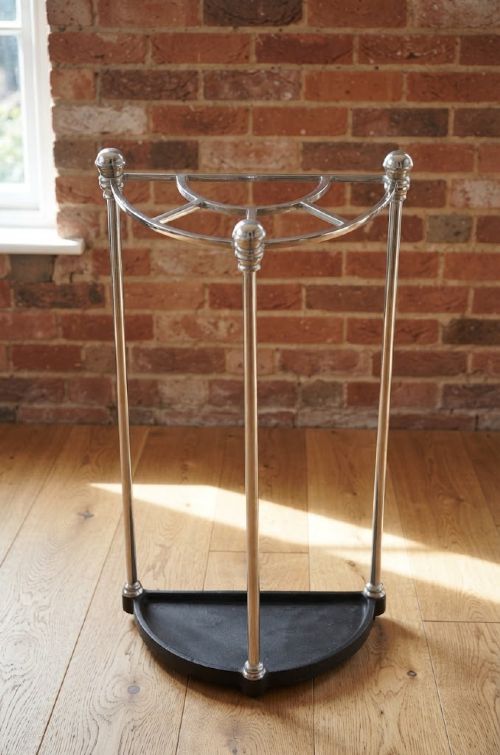
Desk accessories and umbrella stands broaden the category beyond tableware, incorporating materials like oak, cut glass, and cast iron alongside metalwork.
How they were made
Silversmiths utilised sterling silver and silver plate over base metals, applying techniques such as piercing, stamping, and wire-forming to create the distinct vertical divisions of toast racks and letter holders.
Makers integrated supporting materials including hardwood bases, cut glass inserts, and cast iron frames, particularly within cruet sets, umbrella stands, and bottle holders.
Plating methods involved electroplated nickel silver or standard silver plating on base metals, while solid sterling pieces received official hallmarks from assay offices in cities like London, Birmingham, and Sheffield.
Victorian breakfast tables gained amusement from novelty toast racks shaped like miniature railway caravans, golf clubs, and horseshoes.
What varies in quality
Quality differentiates through the weight of the metal, the rigidity of the soldered arch divisions, and the crispness of the chasing or embossing on the frame. Heavier sterling silver pieces demonstrate greater substance than lightweight plated alternatives.
Design complexity separates standard table items from novelty examples, such as expanding mechanisms or figural shapes representing sport and transport. The integration of secondary materials like oak bases or Guilloche enamel adds to the execution level of the piece.
Elkington·Mappin and Webb·Roberts and Belk·Walker and Hall·Asprey and Co·Georg Jensen
The Antique Silver Rack Glossary
- Sterling silver
- A silver alloy containing 92.5 percent pure silver by mass, denoted by British hallmarks. This standard guarantees the metallic composition of the piece.
- Silver plate
- A layer of silver applied to a base metal core, such as copper or nickel brass. This technique offered an accessible alternative to solid silver tablewares.
- Electroplated nickel silver
- A base metal alloy of copper, nickel, and zinc coated with silver via an electrical current. It provided a durable surface for heavily used serving pieces.
- Cruet set
- A matched group of bottles or containers for condiments and toast, held within a metal frame. These sets often combine silver mounts with cut glass components.
- Novelty rack
- A piece shaped to represent an object or theme unrelated to its immediate function, such as a golf club or wagon. These items reflect Victorian and Edwardian playful design interests.
Antique Silver Rack: Frequently Asked Questions
What is an antique silver rack used for?
An antique silver rack primarily served to hold pieces of toast upright on breakfast tables to keep the slices crisp. Other forms functioned as letter holders, napkin stands, or bottle frames.
Victorian and Edwardian dining customs placed high value on specialised tableware for every course and condiment. These metal frames combined practical utility with decorative display during formal meals.
How do I date an antique silver piece?
Dating relies heavily on official hallmarks stamped into sterling silver items, which indicate the assay office, standard, and specific year letter. Stylistic markers also point to particular eras.
Georgian and Victorian pieces display distinct decorative motifs that differ from later Edwardian or Art Deco designs. Maker marks further narrow down the production period when cross-referenced with silversmith records.
What is the difference between silver plate and sterling silver?
Sterling silver consists of solid precious metal meeting a strict purity standard throughout the entire object. It carries official hallmarks confirming its composition.
Silver plate involves a thin coating of silver applied over a base metal foundation like copper or nickel alloy. Plated items offer the appearance of solid silver at a different weight and material value.
How should I clean my silver rack?
Cleaning requires a soft cloth and a specialised silver polish formulated to remove tarnish without abrading the surface. Care must be taken around soldered joints and engraved details.
Silver plated items demand extra gentleness to avoid wearing through the thin outer layer of precious metal down to the base metal underneath.