
Silver Leather Wristwatch
A silver leather wristwatch pairs precious metal casing with suppleness on the wrist, drawing collectors who appreciate mid-century design.
Silver Leather Wristwatch
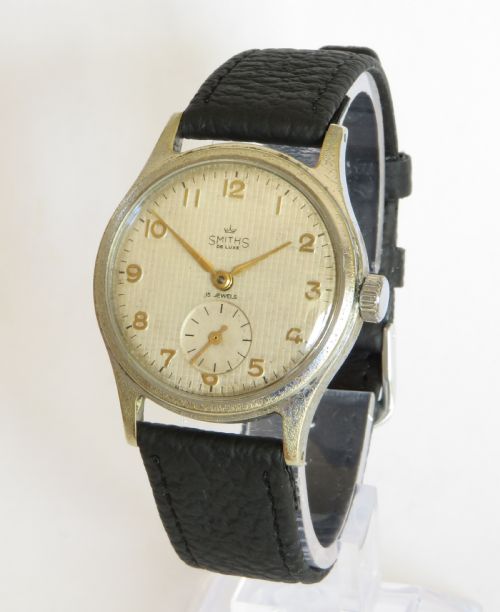
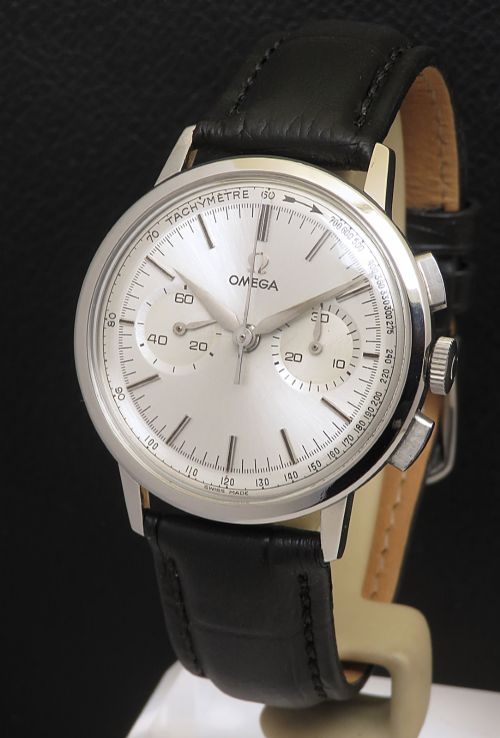
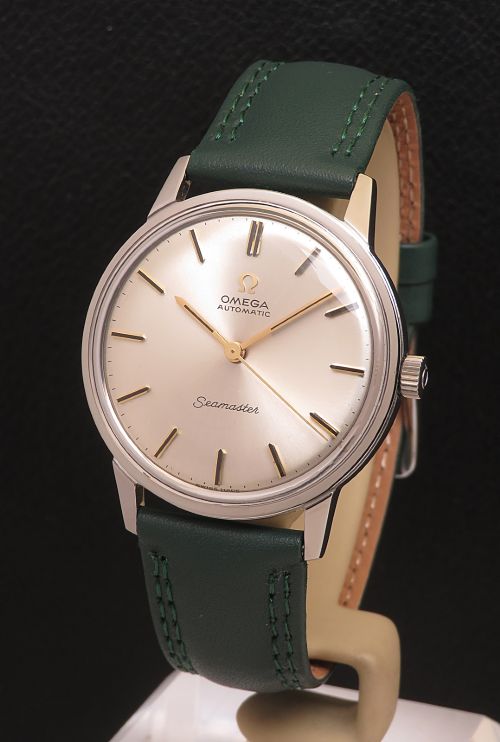
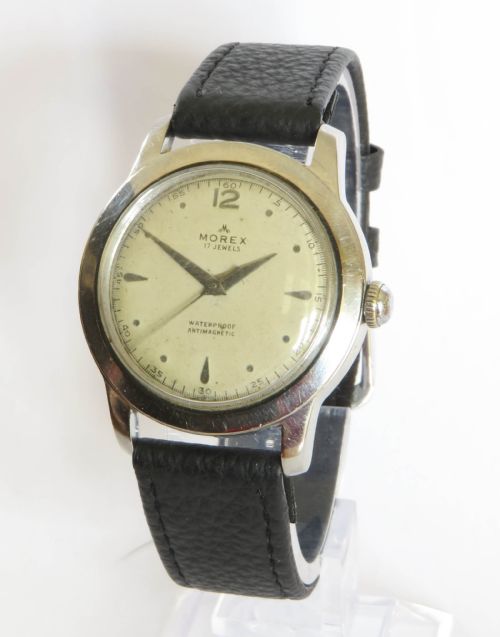
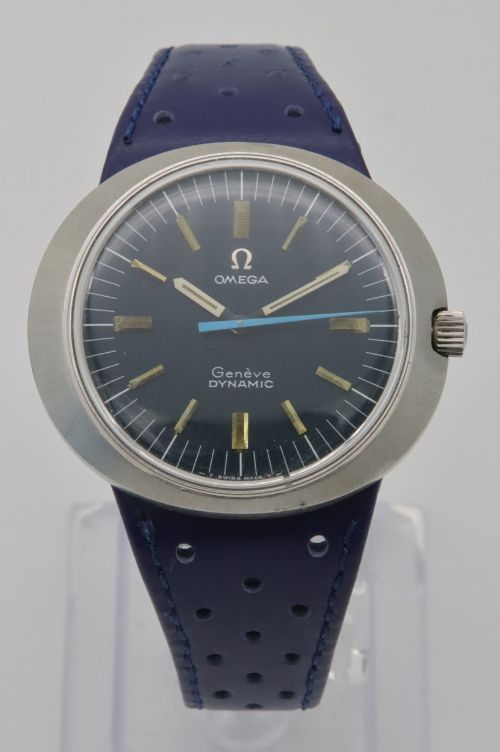
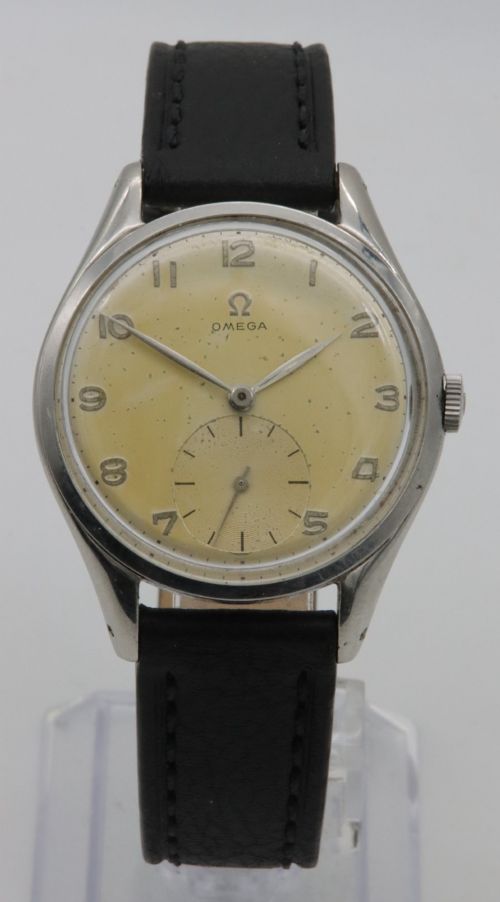
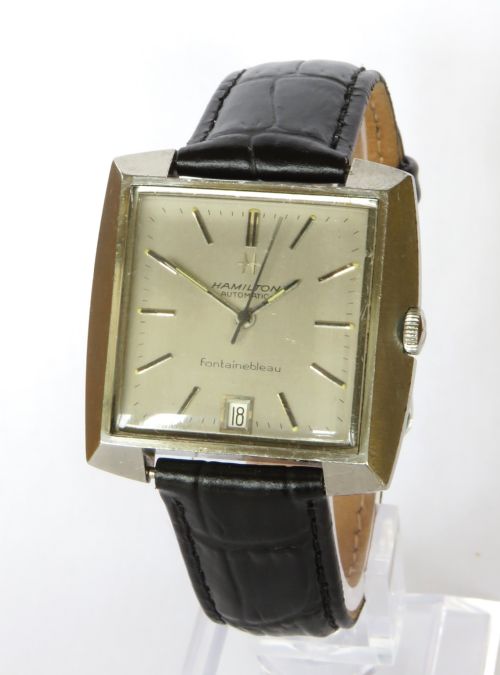
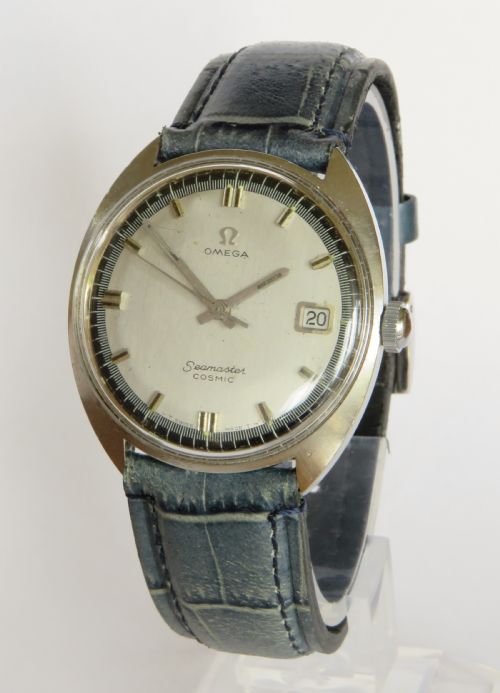
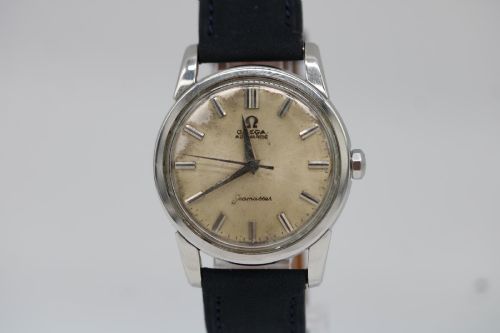
A silver leather wristwatch combines metallic watch heads with fitted leather straps spanning several decades of horological history. Most examples encountered here originate from the mid-twentieth century, capturing utilitarian military designs alongside refined dress pieces.
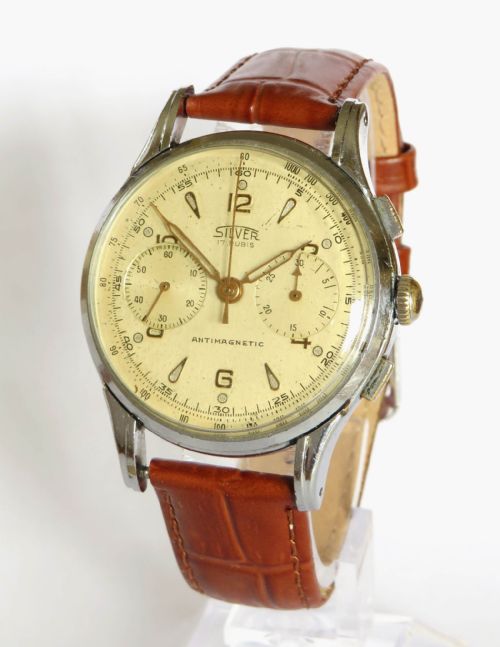
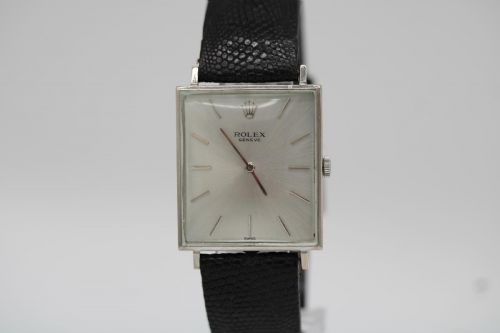
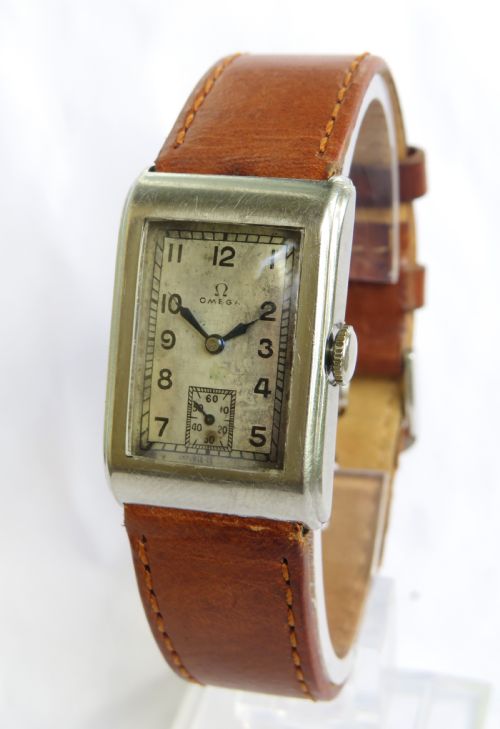
Makers such as Omega, Longines, and Rolex dominate the selection, offering everything from robust chronographs to minimalist calendar models. These horological instruments reflect periods ranging from the 1910s trench watch era through the bold modernist aesthetics of the 1970s.
Materials and construction
Watch heads incorporate stainless steel, chrome, brass, and precious metals including silver, housing delicate mechanical movements beneath glass or acrylic crystals. Enamel dials occasionally provide contrasting depth, while traditional leather straps secure the casing to the arm.
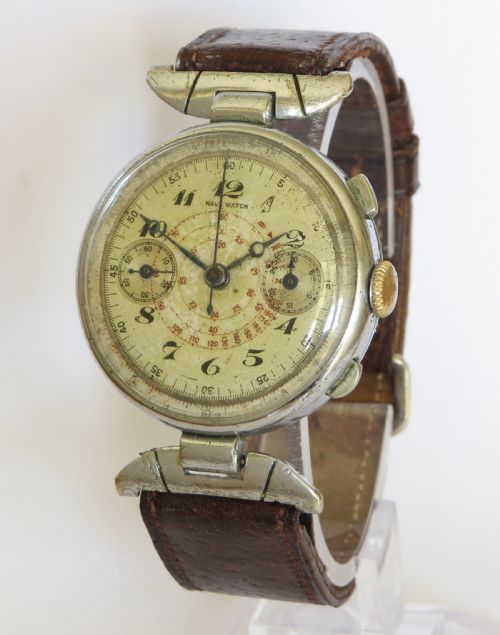
Craftsmen utilised manual wind and automatic mechanical movements, often paired with specialist complications like chronographs or date displays. Military iterations frequently featured protective additions such as shrapnel guards or hermetic seals.
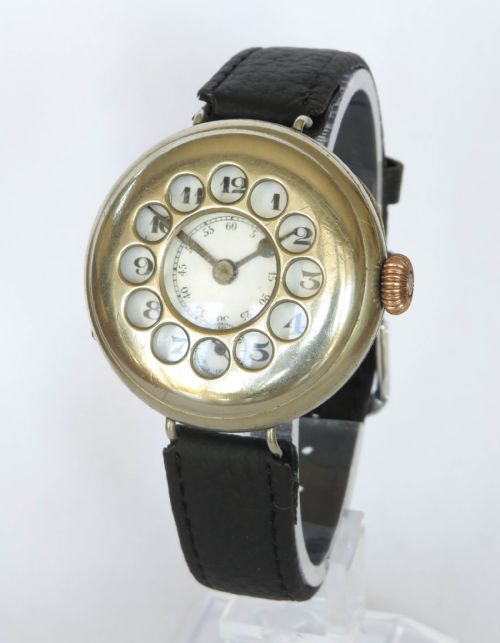
Some military models wear the scars of past campaigns beneath their leather straps, whispering tales from the trenches of the First World War.
Variations in quality
Quality rests upon the preservation of original dial components, case geometry, and the mechanical integrity of the internal movement calibre. Unpolished metal cases and factory dials command greater attention from discerning collectors.
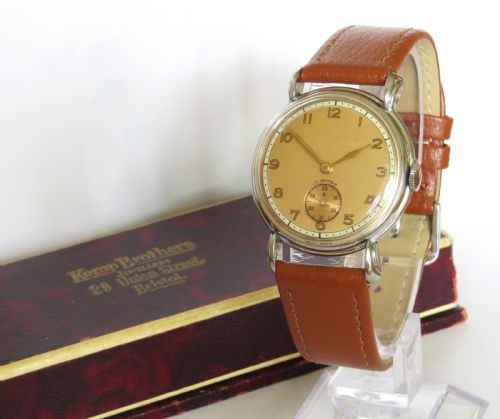
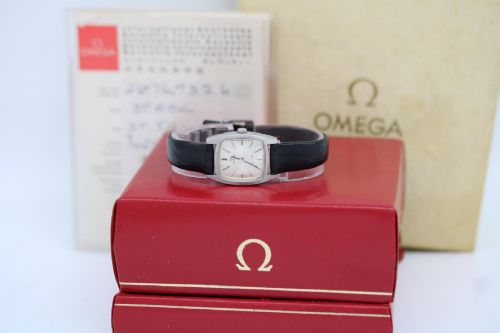
The sophistication of the movement, whether a standard manual wind calibre or an advanced automatic chronograph mechanism, dictates the horological standing of the piece. Provenance, such as military issue documentation or original boxing, further distinguishes individual examples.
Omega·Longines·Rolex·Eterna·Seiko·Smiths·Breitling·Tudor·Zenith
The Silver Leather Wristwatch Glossary
- Calibre
- The specific internal mechanical movement designed and numbered by a watch manufacturer. This identifier helps date the assembly and reveals the technical complexity housed inside the case.
- Chronograph
- A watch equipped with a stopwatch function alongside traditional timekeeping hands. These mechanisms often utilise dedicated sub-dials to measure elapsed seconds and minutes.
- Hermetic
- A specialised case construction designed to resist dust and moisture ingress. Such models typically feature threaded components to protect the movement from environmental wear.
- Manual wind
- A mechanical movement powered by manually turning the crown to tension the mainspring daily. This traditional method requires no battery and exposes the intricate gear train to human interaction.
- Acrylic
- A lightweight, shatter-resistant synthetic material moulded to form the crystal protecting the dial. It was widely utilised across mid-century watch production for its clarity and flexibility.
Silver Leather Wristwatch: Frequently Asked Questions
How do I wind a manual watch?
Gently rotate the crown clockwise between your thumb and forefinger until slight resistance indicates the mainspring is fully tensioned. Avoid forcing the crown past this stopping point to prevent internal damage.
Perform this action at a consistent time each day to maintain steady timekeeping accuracy throughout the power reserve.
Can these vintage watches handle water?
Most historic timepieces lack modern rubber gasket sealing and remain vulnerable to moisture penetration during everyday tasks. Even models marketed as hermetic should be kept well away from swimming pools and heavy rain.
Condensation behind the crystal signals an immediate need for professional drying and gasket replacement by a watchmaker.
What is a trench watch?
Trench watches emerged during the early twentieth century as military personnel transitioned from pocket watches to wrist-worn timepieces in combat. They typically feature wire loop lugs soldered to the case and luminous dials for nocturnal legibility.
Many surviving examples retain protective metal shrapnel grids designed to shield the glass crystal from battlefield impacts.
How often should a vintage movement be serviced?
Mechanical movements require periodic cleaning and lubrication every few years to prevent friction from wearing down the brass pivots and steel gears. A watchmaker dismantles the calibre, removes dried oils, and regulates the timing balance.
Regular servicing preserves the longevity of vintage components and ensures consistent daily precision.