

Silver Handle Cane
A silver handle cane combines utilitarian support with decorative metalwork, offering collectors a wearable sculpture from the nineteenth and early twentieth centuries.
Silver Handle Cane
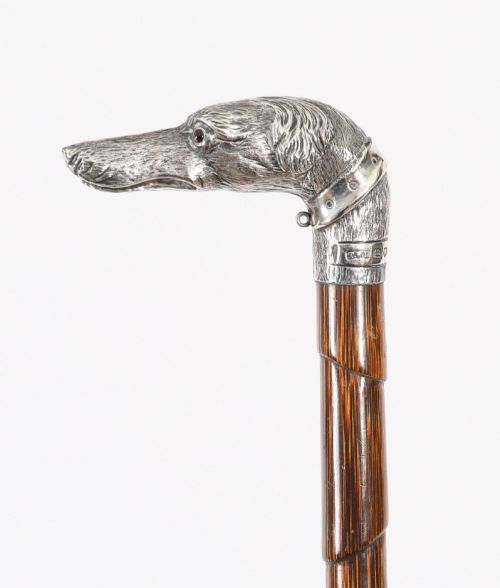
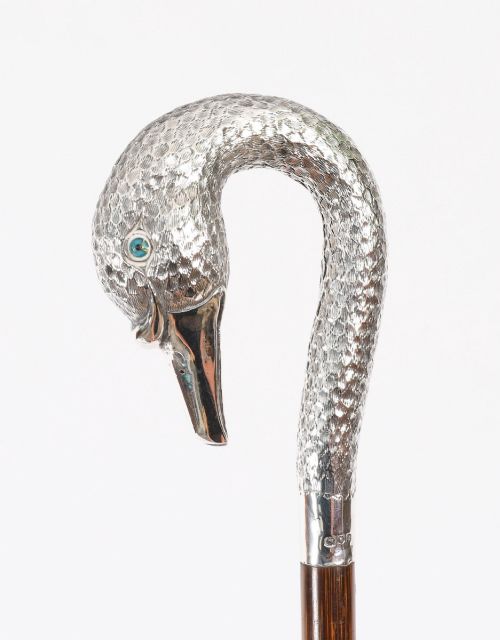
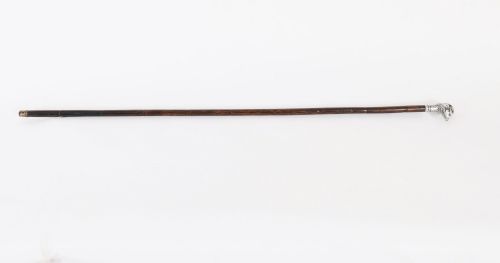
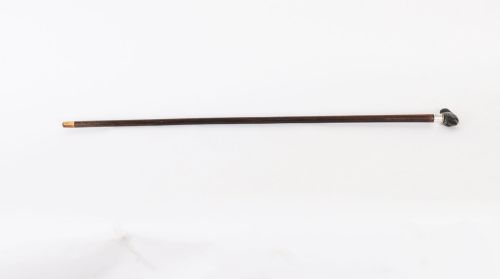
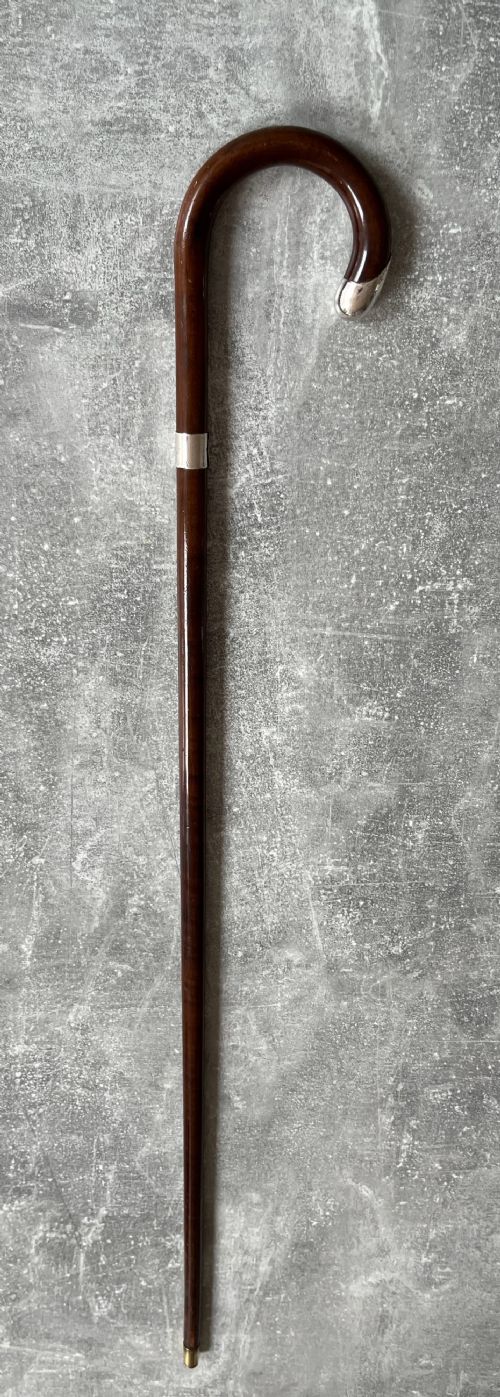
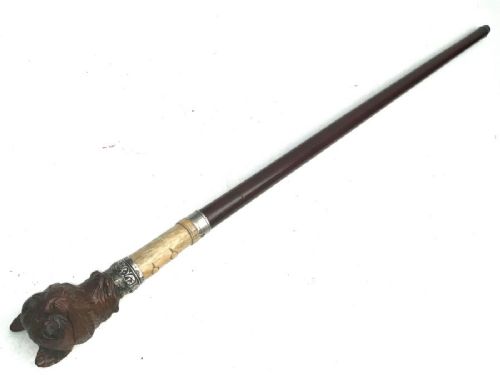
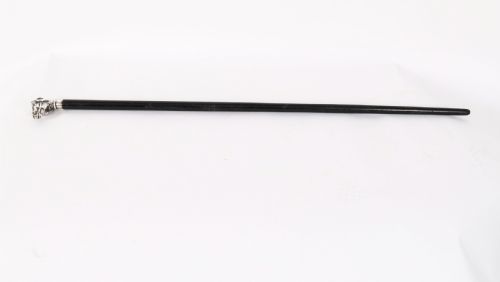
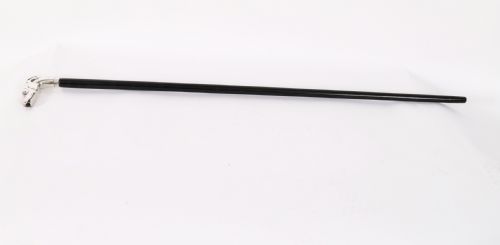
A silver handle cane typically pairs a detailed metal grip with a sturdy wooden or bamboo shaft, originating predominantly from the Victorian, Edwardian, and Art Deco periods. Surviving examples range from simple gentleman's walking sticks to elaborate novelty pieces featuring animal heads, carved birds, and dogs.
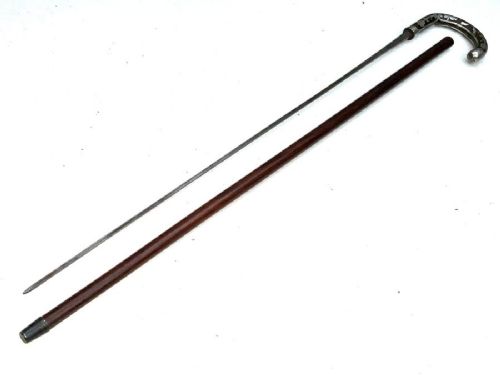
Makers produced these accessories for daily use, ceremonial display, and specialised functions, incorporating hidden blades, flasks, or snuff boxes into the design. Animal motifs such as greyhounds, ducks, and swans appear frequently alongside Chinese export silver and Continental European silver work.
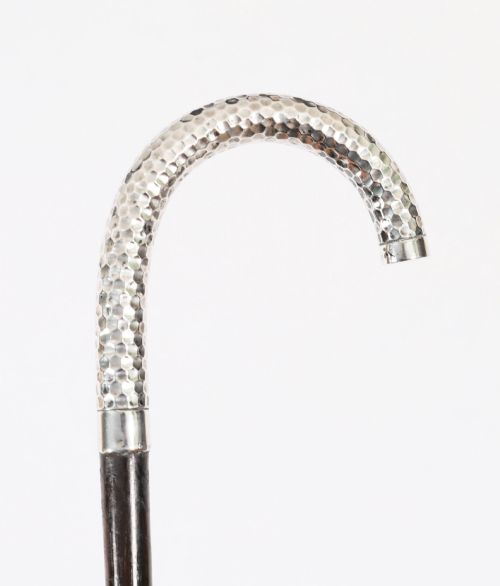
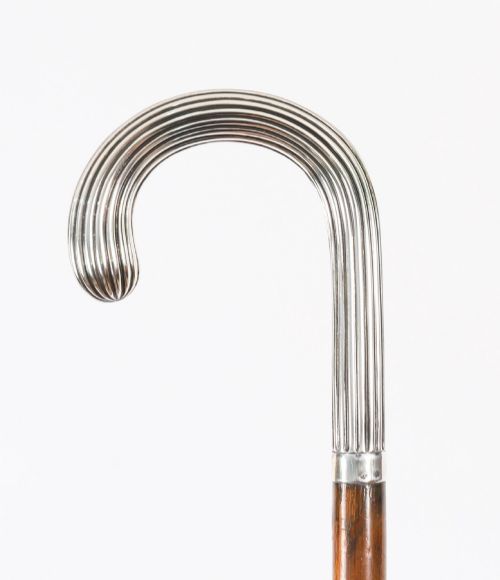
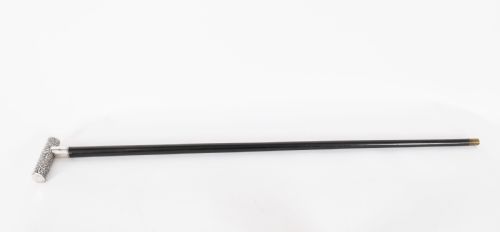
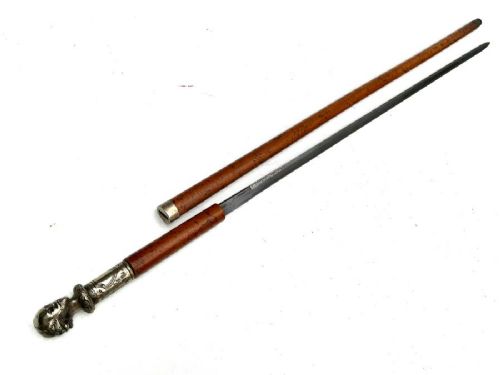
The selection on this page includes standard walking sticks alongside specialised gadget canes equipped with corkscrews or concealed weapons. Shaft materials vary from palm wood and snakewood to ebonised wood and root ball timber.
Materials and Construction
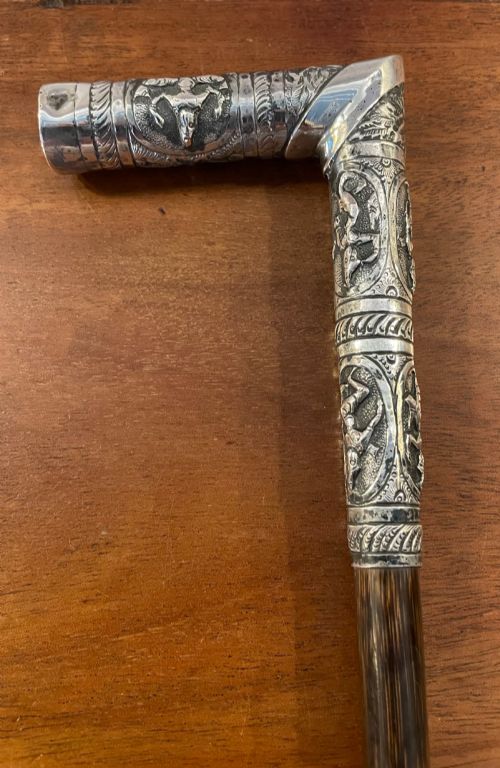
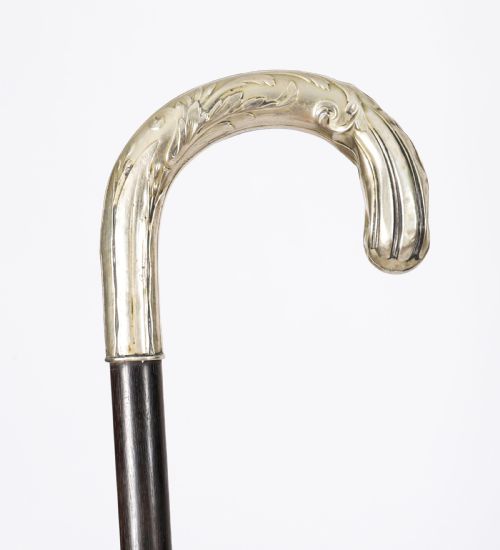
Craftsmen shaped the handles using solid sterling silver, silver plate, or silver gilt, often applying repoussé, chasing, or hand-engraving techniques to define feathers, fur, and floral patterns. Many mounts and collars bear hallmarks indicating London or continental assay offices, alongside maker marks from workshops like Brigg.
Shafts rely on dense natural materials such as malacca, bamboo, rosewood, horn, and hardwood to ensure structural integrity under weight. Metal collars secure the connection between the hollow or solid metal handle and the wooden shaft, sometimes housing internal blades forged by makers like Wilkinson.
Listings demonstrate silver handle canes spanning the nineteenth century through the 1930s, utilising materials like horn, sterling silver, bamboo, and hardwood.
Quality and Craftsmanship
The sculptural ambition of the handle largely determines the standard of a piece, separating cast mass-market items from individually chased animal heads with expressive detail and deep relief. Maker attribution also elevates certain examples, particularly documented pieces by Brigg or Henry Howell.
The integrity of the join between handle and shaft, the preservation of the original silver surface without excessive polish wear, and the complexity of integrated mechanisms like hidden corkscrews or functional sword blades distinguish superior specimens.
Brigg·Henry Howell·Roberts and Belk·Liberty and Co·Archibald Knox
The Silver Handle Cane Glossary
- Repoussé
- Metalworking technique where the artisan hammers the design from the reverse side to create a raised relief on the surface. This method appears frequently on Edwardian silver collars and handles.
- Gadget Cane
- A walking stick that conceals a secondary utility, such as a sword, dagger, flask, corkscrew, or snuff box within the shaft or handle. These multifunctional items served gentlemen requiring discretion or amusement.
- Hallmark
- Official stamp applied by an assay office indicating metal purity, origin city, and date of manufacture. British sterling silver pieces often display standard lion passant and regional town marks.
- Knop
- A rounded knob or ornamental swelling at the top of a walking stick handle. Horn and bone examples often feature this terminal shape.
- Malacca
- A type of rattan cane imported from Southeast Asia, prized for its mottled brown finish and resilience. It serves as a primary shaft material for Victorian and Edwardian walking sticks.
Silver Handle Cane: Frequently Asked Questions
What is a gadget cane?
A gadget cane is a walking stick designed with a concealed secondary function hidden inside the shaft or handle. Common integrations include hidden sword blades, flasks, corkscrews, and small storage compartments.
These pieces were popular among gentlemen during the nineteenth and early twentieth centuries as both practical tools and novelties. Collectors value them for the mechanical ingenuity required to conceal the tool without compromising the rigidity of the walking stick.
How do I identify the date of a silver handle cane?
Dating relies primarily on hallmarks stamped into the silver handle or collar, which indicate the assay office and year of manufacture. Stylistic clues such as Art Nouveau curves, Edwardian proportions, or Victorian motifs also help narrow down the period when hallmarks are absent.
Makers' marks provide further historical context by linking the piece to documented workshops operating during specific decades. Comparing the shaft wood, handle fastening method, and overall wear patterns offers additional verification.
What woods were used for walking stick shafts?
Shafts were constructed from dense, resilient woods and natural materials capable of supporting body weight during daily use. Common selections include exotic timbers like malacca, snakewood, palm wood, and rosewood, alongside domestic hardwoods such as ebonised wood.
Some shafts incorporate root ball sections or horn components to provide a natural grip near the top mount. The choice of wood often aligns with the formality and origin period of the accompanying silver handle.
How should I display a walking stick collection?
Displaying walking sticks typically involves wall-mounted racks, floor stands, or specialised display cabinets that keep the shafts upright and secure. Proper spacing prevents the silver handles and wooden shafts from rubbing against each other.
Environmental control is essential to preserve both the metal and organic materials, requiring stable indoor humidity away from direct sunlight. Ensuring adequate support prevents warping of slender wooden or bamboo shafts over time.