


Silver Head Cane
These silver head cane pieces are practical walking supports and fashionable accessories that bring character and distinction to any collection.
Silver Head Cane
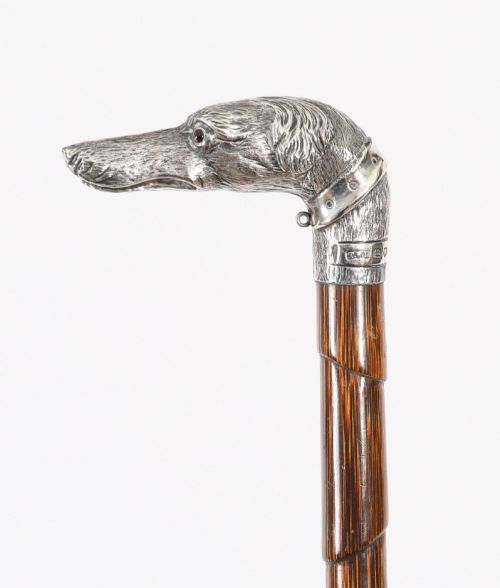
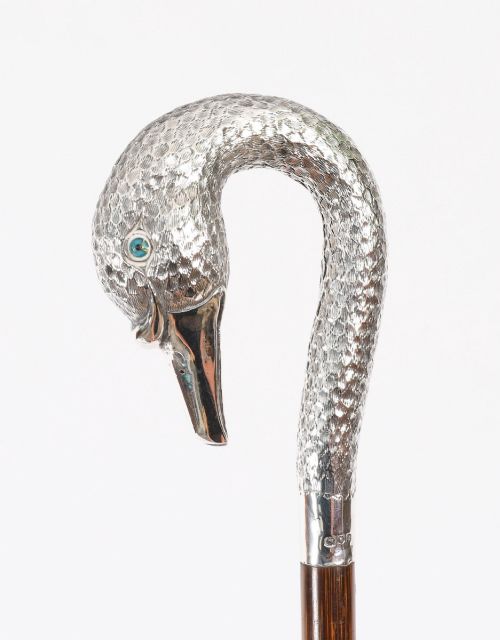
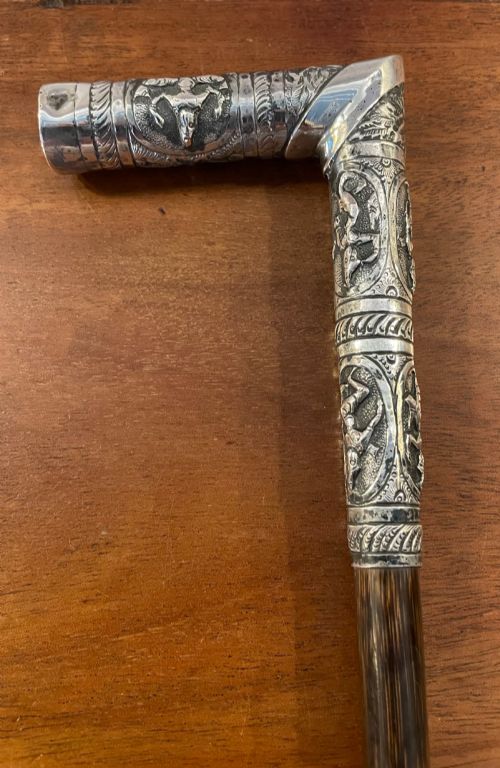
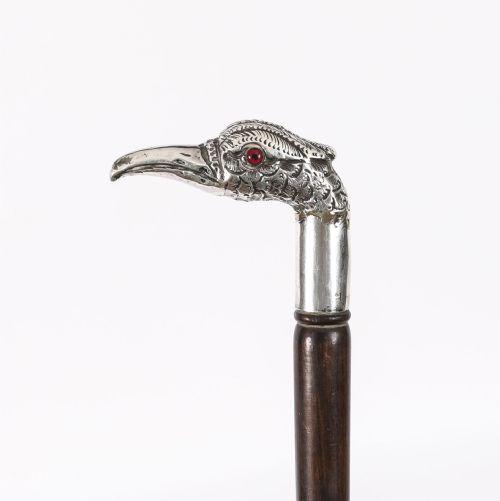
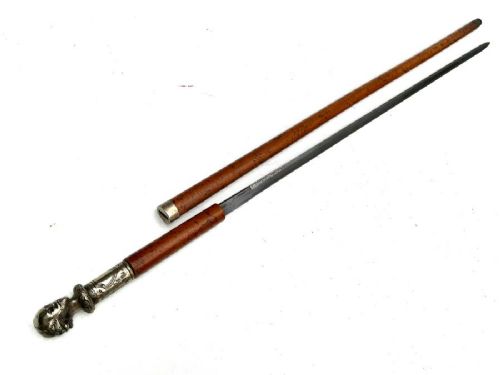
A silver head cane combines a supportive shaft with a decorative metal grip, reflecting the social status of its original owner during the nineteenth and early twentieth centuries. You will frequently encounter walking sticks and parasol handles shaped into animal forms, alongside concealed sword sticks.
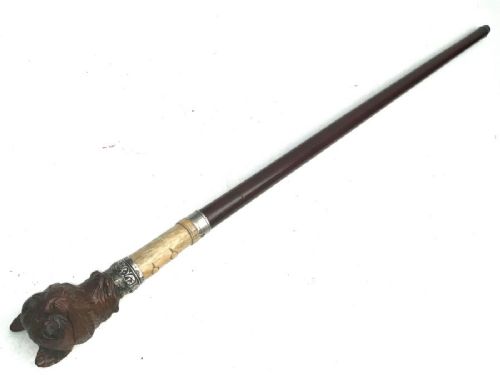
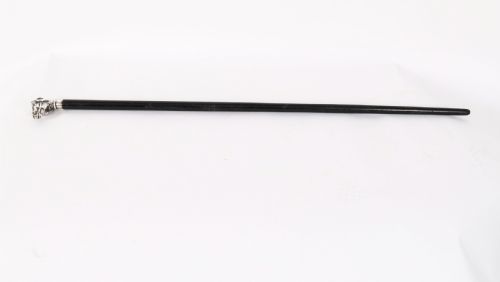
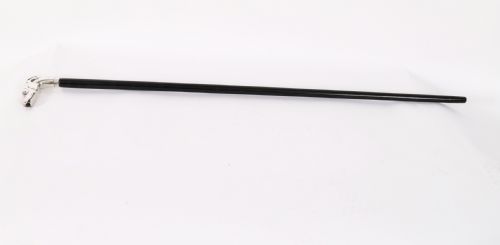
The objects span periods from the Victorian and Edwardian eras through to the Art Deco movement, originating from Britain, France, continental Europe, and beyond. Animal representations such as dogs, birds, and waterfowl dominate the selection, paired with wooden or ebonised shafts.
Materials and technique
Craftsmen shaped sterling silver and plated metal into detailed animal heads and decorative tops, often mounting them onto shafts of hardwood, ebonised wood, bamboo, or malacca. Some examples incorporate glass eyes into animal heads to add realism and expression.
Several walking sticks double as golf clubs, proving that Victorian gentlemen liked to practise their swing on the promenade.
Quality variations
The definition and depth of the metalwork distinguish standard production from superior pieces, particularly in the hand-chased details of animal hair, feathers, and expression. Makers who incorporated glass eyes or utilised solid sterling silver rather than plating achieved a greater level of refinement.
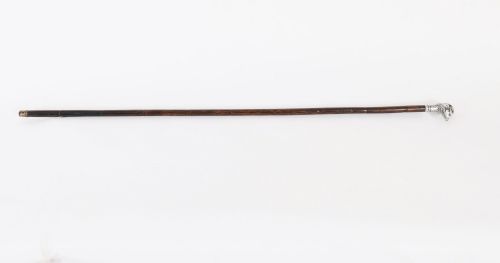
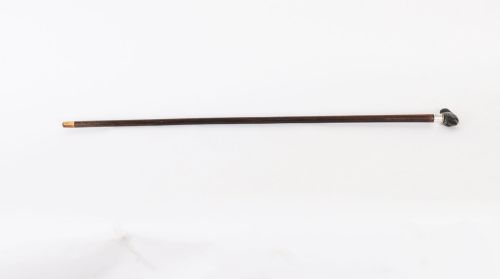
The balance and proportion of the handle relative to the shaft contribute to the overall integrity of the piece. Well-preserved wooden shafts and secure collar attachments maintain the structural wholeness expected in finer examples.
Asprey·Ben Cox·Brigg
The Silver Head Cane Glossary
- Sterling silver
- A silver alloy containing 92.5 percent pure silver and 7.5 percent other metals, commonly marked on British handles to denote standard purity.
- Ebonised wood
- Timber treated with a dark stain or finish to imitate ebony, frequently utilised for walking stick shafts.
- Sword stick
- A walking cane containing a concealed blade within the wooden shaft, popular among officers and gentlemen.
- Parasol handle
- A smaller decorative grip designed for a sunshade or umbrella rather than a full-length walking stick.
- Malacca
- A sturdy, mottled rattan cane imported from Southeast Asia and prized for walking stick shafts.
Silver Head Cane: Frequently Asked Questions
How do I date a silver head cane?
Dating relies on hallmarks stamped into the metal, stylistic indicators such as Art Deco geometry, and registration marks where present. British pieces often carry assay office marks and date letters that pinpoint the exact year of manufacture.
Changes in fashion and animal motifs across the Victorian and Edwardian periods also help establish a chronological window for unmarked or continental examples.
Were these canes used for walking?
Many served as fashionable accessories for gentlemen and ladies during daily promenades rather than heavy orthopaedic supports. Novelty handles shaped like animal heads or golf clubs reflected the personal interests and social standing of the owner.
Some specialised variations doubled as sword sticks for personal defence, while shorter parasol handles served an entirely different accessory market.
What woods were used for the shafts?
Shafts commonly feature hardwood, ebonised wood, bamboo, or malacca, selected for straightness and durability. The choice of timber often complemented the metal handle and the intended formality of the accessory.
Makers occasionally shaped wood to mimic alternative materials or incorporated specialised forms such as golf club heads into the construction.
How should I display my cane?
Displaying a collection safely involves wall-mounted racks or vertical floor stands that support the weight evenly without stressing the handle or collar. Keeping pieces away from direct sunlight and fluctuating humidity preserves the wooden shaft and metal finishes.
Gentle dusting maintains the surface appearance of both the silver top and the polished wooden body.