


Silver Glass Wall Mirror
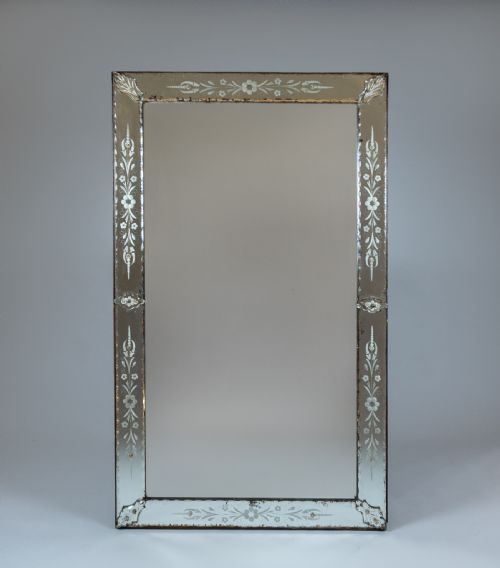
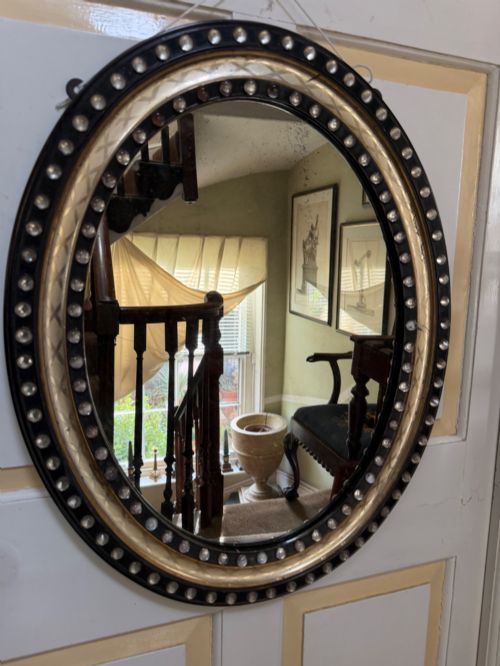
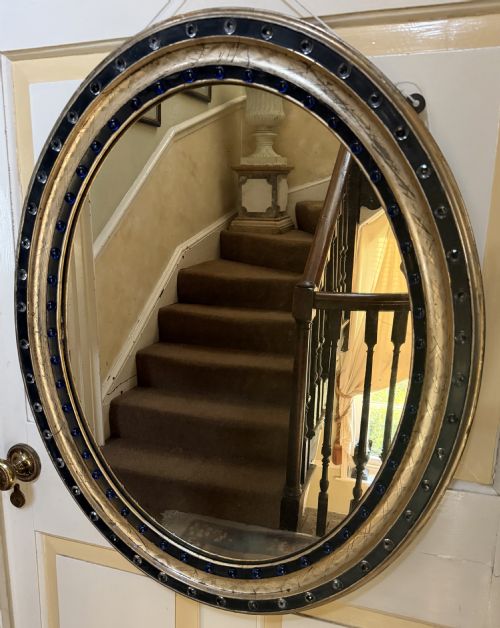
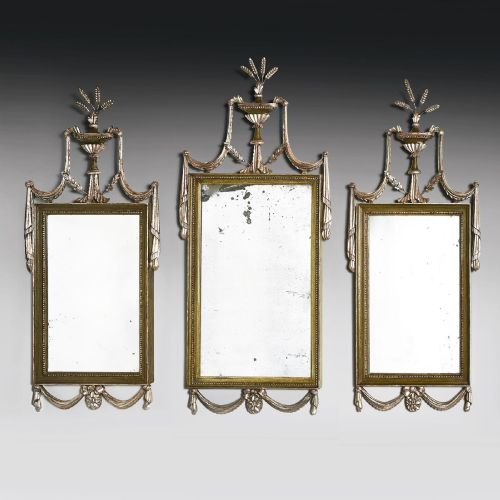
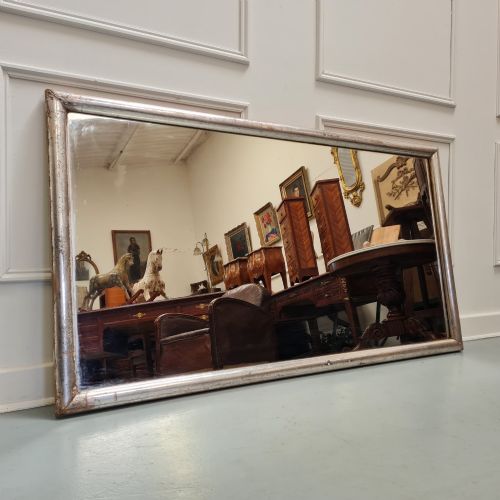
These silver glass wall mirror pieces capture light and space with period charm, spanning Victorian Venetian work to striking Art Deco designs.
Silver Glass Wall Mirror
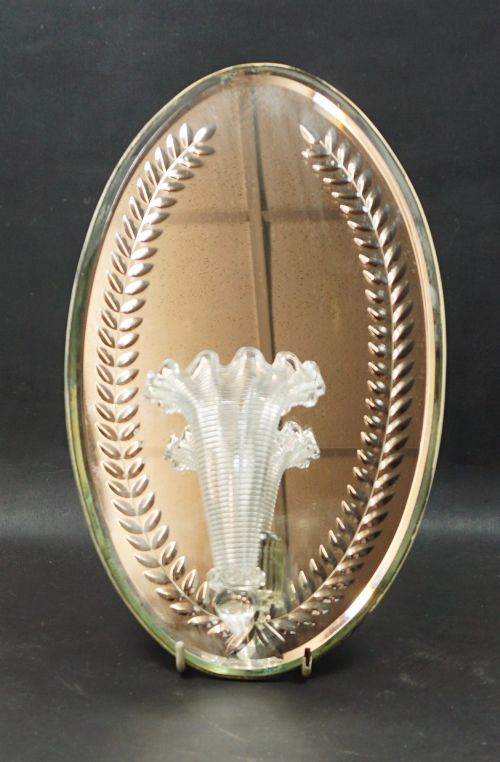
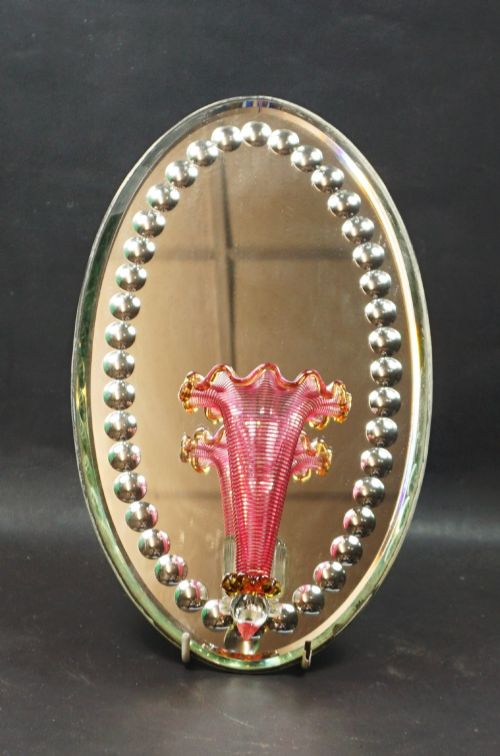
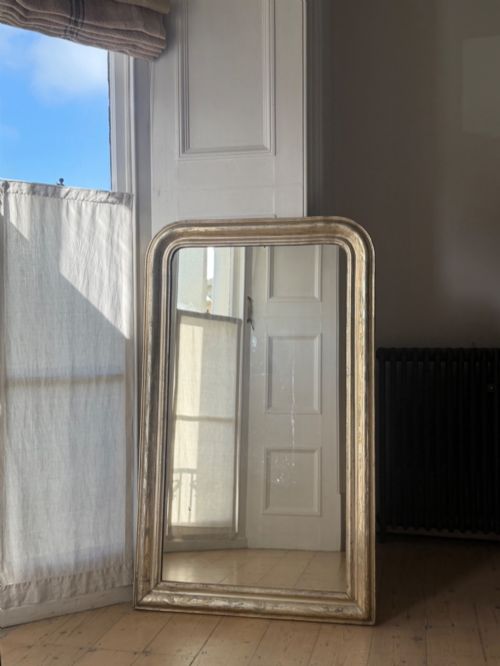
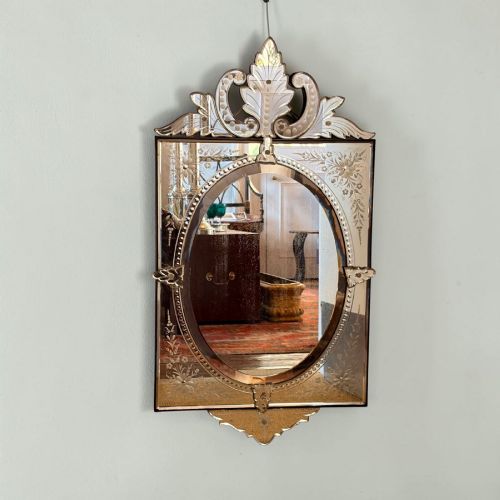
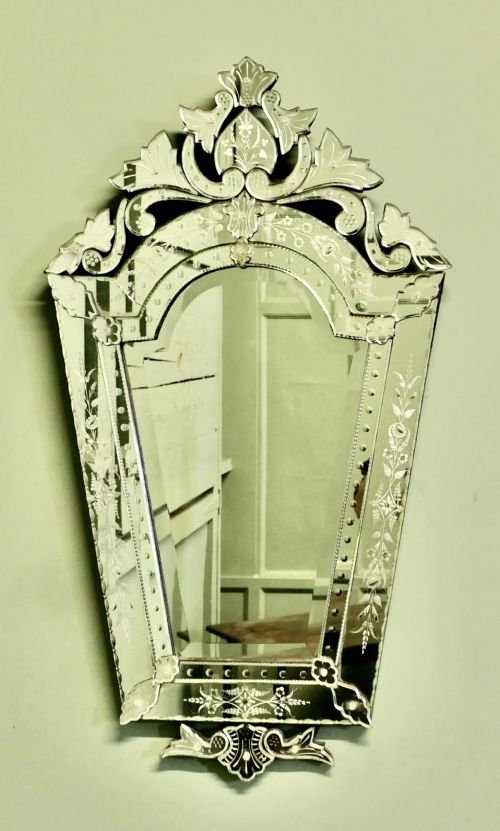
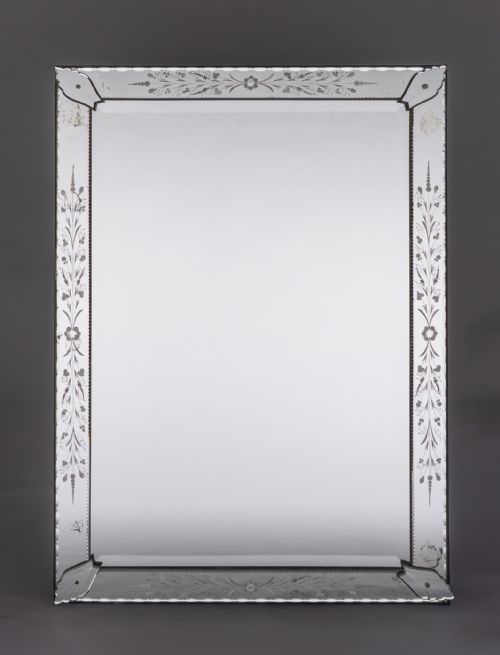
A silver glass wall mirror brings immediate depth and reflected light to a room, functioning as both a decorative focal point and a practical furnishing. Buyers searching for a silver glass wall mirror encounter varied forms ranging from ornate nineteenth century cushion designs to geometric nineteen twenties and thirties creations.
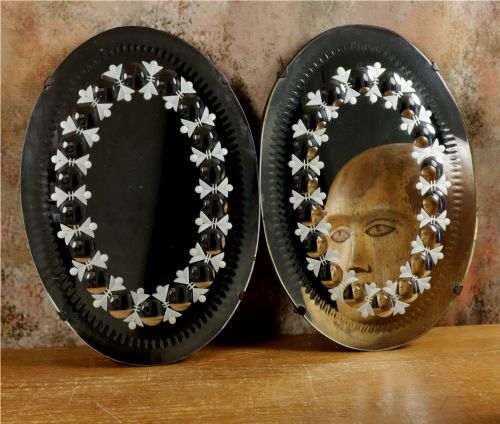
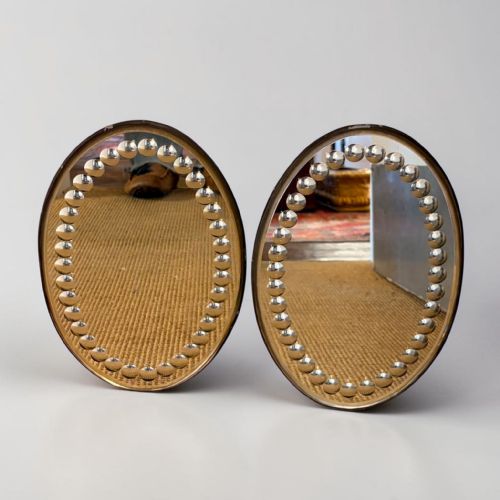
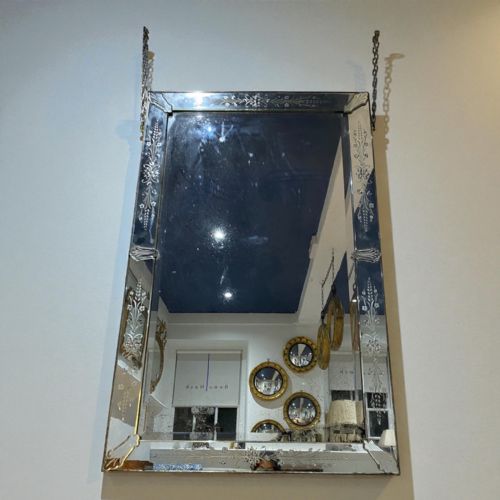
The selection here includes cushion mirrors from the nineteenth century alongside distinct twentieth century wall mirrors. Art Deco examples feature prominently, offering jazz age styling, two tone treatments, and unusual figural motifs like soldiers.
How They Were Made
These pieces utilise glass and mirrored glass panels, frequently supported by wood backings or metal frameworks. Chrome appears in twentieth century examples, bringing a modern metallic finish to the frame construction.
Surface decoration relies on techniques such as oval cutting and multi-toned glass layering. Paper elements sometimes contribute to the backing or finishing of the piece during assembly.
Silver Glass Wall Mirror Retail Price Guide 2026
Typical asking prices for silver glass wall mirror among the pieces listed under this phrase on Sellingantiques today, from the lower quarter to the upper quarter. They describe what is for sale here now, not the wider market.
What Varies in Quality
Quality rests upon the ambition of the design and the precision of the glass cutting. Simple geometric nineteen thirties plates contrast with elaborate nineteenth century Venetian cushion work where every angled facet requires specialist hand shaping.
The integration of secondary materials like chrome and wood dictates the structural integrity of the frame. Superior examples demonstrate careful alignment between the reflective surface and its supporting mount.
The Silver Glass Wall Mirror Glossary
- Venetian mirror
- A style characterised by glass plates mounted on a wooden base, often featuring engraved decoration and cushion moulded edges. These pieces originate from traditional Italian glassmaking centres.
- Art Deco
- A design style from the nineteen twenties and nineteen thirties favouring bold geometric shapes, stylised motifs, and modern industrial materials. It replaced the flowing organic lines of earlier periods.
- Cushion mirror
- A wall mirror featuring a raised or convex central section framed by angled border panels. This construction creates multiple reflective planes that catch ambient light from various angles.
- Two tone
- A decorative treatment utilising contrasting shades of glass within a single frame. This method was particularly popular during the nineteen thirties to enhance geometric designs.
- Mirrored glass
- The primary reflective medium used in wall mirrors, created by applying a silver or metal backing to a sheet of glass. The quality of this backing determines the clarity of the reflection.
Silver Glass Wall Mirror: Frequently Asked Questions
How do I hang a heavy wall mirror safely?
Heavy wall mirrors require secure fixings anchored directly into wall studs or masonry rather than plaster alone. Ensure the weight is distributed evenly across robust hanging brackets.
Consult a professional if the wall construction is uncertain, particularly with large nineteenth century or twentieth century plate glass examples.
How do I clean antique silver glass safely?
Clean antique glass gently with a soft microfibre cloth and a mild, ammonia-free glass cleaner applied to the cloth rather than the mirror. Avoid spraying liquid directly onto the edges where moisture might seep behind the silvering.
Take care around original wooden or chrome frames to prevent harsh cleaning agents from damaging the surrounding materials.
How do I distinguish Art Deco from Victorian mirrors?
Victorian mirrors, particularly Venetian styles, tend to feature ornate cushion moulding, engraved details, and traditional floral or scroll motifs. They emphasise classic decorative curves and heavy craftsmanship.
Art Deco mirrors focus on streamlined geometry, symmetrical layouts, and modern materials like chrome and two tone glass. They reflect the industrial design aesthetics of the nineteen twenties and thirties.
Can these mirrors be used in a bathroom?
Humidity in bathrooms can accelerate the degradation of original silver backing and damage wooden or paper components behind the glass. Historic mirrors are generally better suited to dry living spaces, hallways, or bedrooms.
If placed in a bathroom, ensure adequate ventilation and keep the piece away from direct sources of steam and water splashes.