

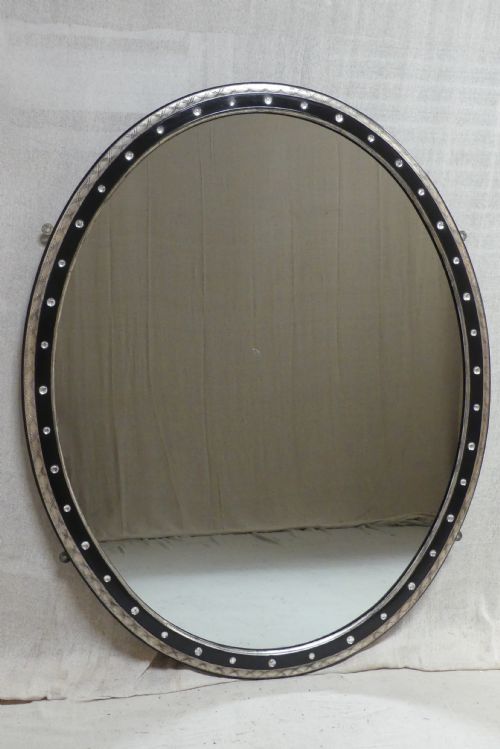


Silver Glass Mirror
When you search silver glass mirror, you find reflective glass and metal surfaces spanning centuries of design from French chateaux to Art Deco parlbours.
Silver Glass Mirror
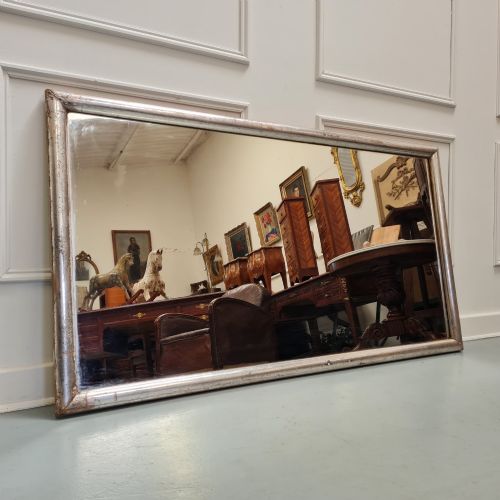
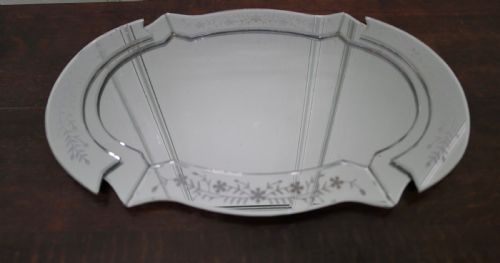
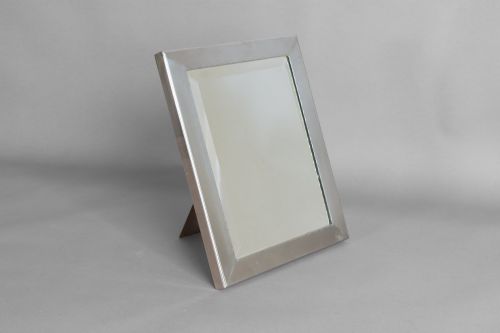
A silver glass mirror combines reflective glass panes with frames or structures formed from wood, gesso, metal, or silver leaf. You encounter wall-hanging formats, overmantel centrepieces, dressing table accessories, and trays designed for domestic display.
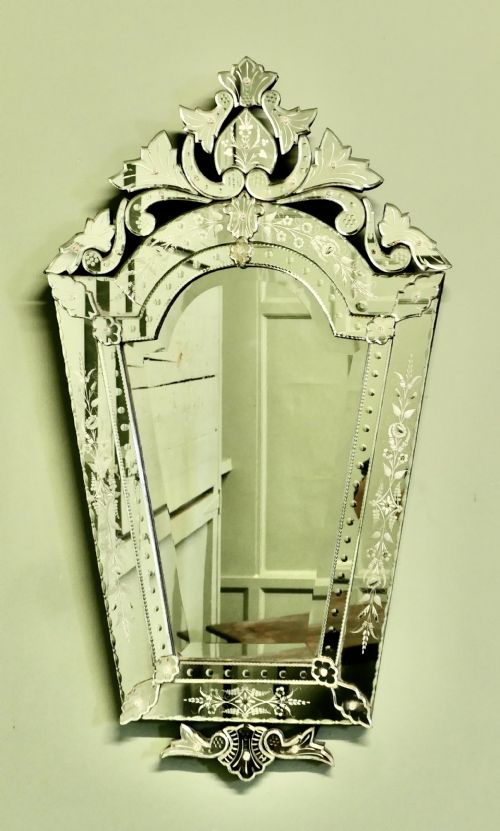
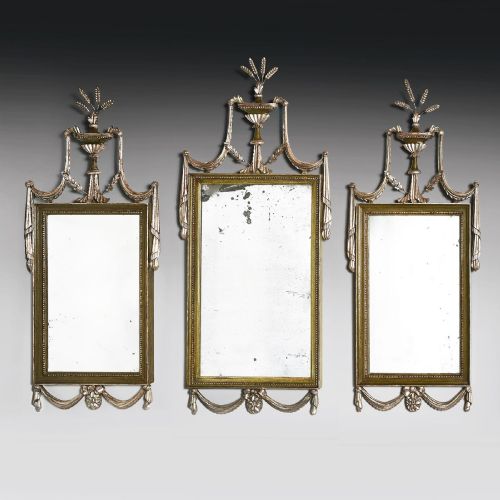
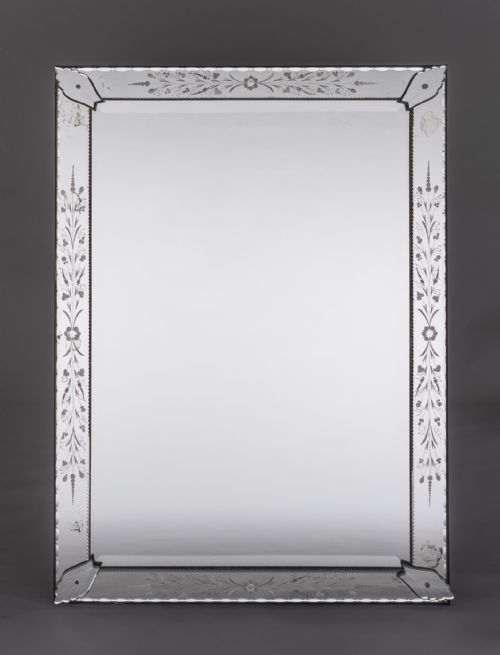
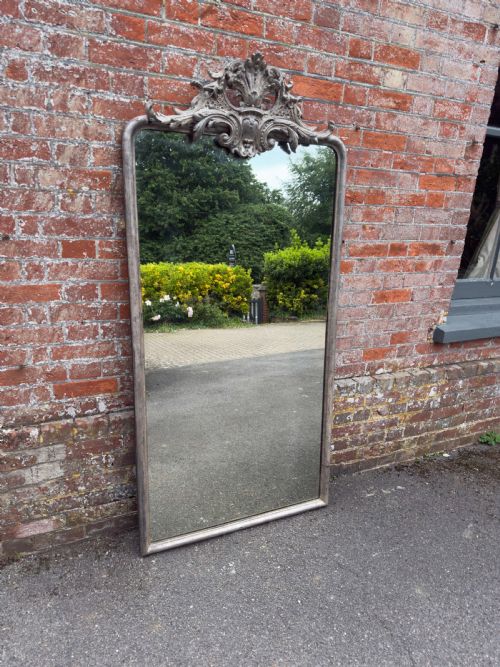
The pieces on this page originate across the nineteenth and twentieth centuries, taking influence from Venetian workshops, French regional makers, and British cabinet makers. Wall mirrors and cushion-framed plates dominate the selection alongside specialised lighting and barware.
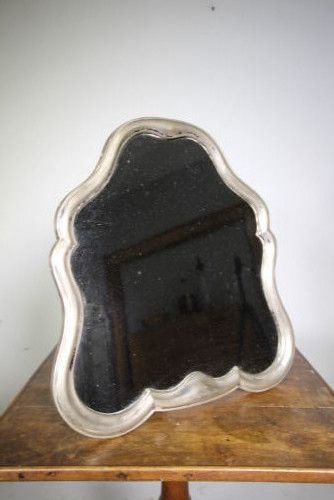
Makers utilised diverse forms ranging from arched top panels to circular wall units, incorporating etched details and bevelled edges. These items served both practical dressing functions and decorative interior purposes in period rooms.
Materials and construction methods
Makers constructed frames from timber such as oak or walnut, applying layers of gesso to build up sculptural relief before adding silver leaf or silver gilt finishes. Metal components in brass, spelter, and silver plate also support the glass elements.
Mirrored plates utilise mercury backing in older examples or later silvering techniques applied to glass. Craftsmen secured these plates into frames using original backing fittings and wood surrounds.
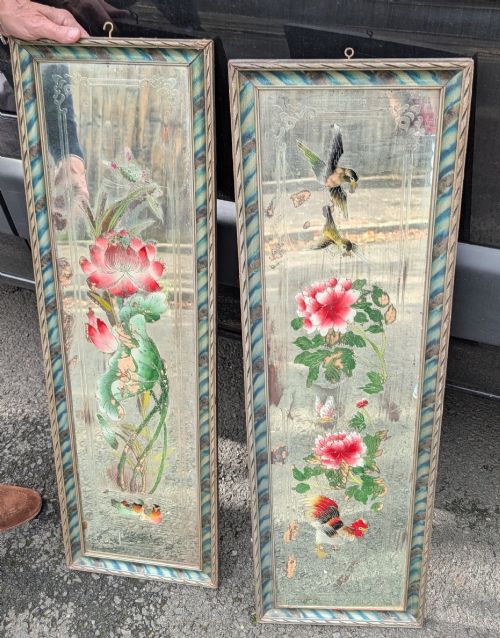
Surface decoration involves hand-cut bevels, etched motifs, and engraved details directly onto the glass. Ebonised highlights and painted accents frequently frame the primary silvered surfaces.
Original glass circus mirrors distort reflections for amusement, preserving early twentieth-century entertainment in domestic metal and glass formats.
Assessing quality and craftsmanship
The calibre of a silver glass mirror rests in the depth of hand-carving on the wooden gesso frame and the clarity of the original mercury or silvered plate. Pieces with deeply bevelled plates and intricate engraving demonstrate superior workshop execution.
Construction integrity distinguishes standard production items from bespoke pieces, visible in the joinery of the frame and the retention of original fittings. Uniformity in the silver gilt application and the preservation of authentic surface patina elevate specific examples.
Gillows Of Lancaster
The Silver Glass Mirror Glossary
- Silvered glass
- Glass treated with a reflective metallic coating to create a mirror surface. This technique evolved from early mercury backing to chemical silvering methods.
- Cushion mirror
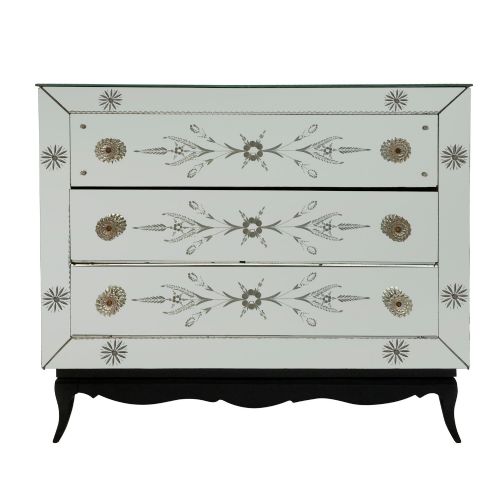
- A frame design where the outer border slopes inward toward the central glass plate. This style is frequently associated with Venetian production.
- Gesso
- A plaster mixture applied to wood frames to create a smooth surface for gilding. Skilled artisans carved intricate relief patterns directly into this material.
- Mercury glass
- Double-walled blown glass coated on the interior with a silver-mercury mixture. It creates a dense, reflective finish seen in vintage pendant lights and decorative items.
- Overmantel mirror
- A large horizontal mirror designed to sit directly above a fireplace mantel. These pieces anchor the decorative scheme of a period room.
Silver Glass Mirror: Frequently Asked Questions
How do I date an antique mirror?
Examine the construction of the frame, the type of wood used, and the characteristics of the glass plate. Older pieces often feature hand-bevelled edges and mercury backing.
Inspect the backboards, fixings, and overall wear patterns to confirm the period of manufacture.
How do I care for silvered glass?
Keep mirrors away from direct moisture and damp walls to prevent the silver backing from degrading. Clean the glass gently with a dry or barely damp microfiber cloth.
Avoid harsh chemical cleaners that can damage the surrounding silver leaf or gesso frame.
What distinguishes Art Deco mirrors?
Art Deco mirrors display geometric forms, clean lines, and minimal ornamentation compared to Victorian or Neoclassical styles. They often incorporate peach or tinted glass sections alongside clear mirrored panels.
Circular and octagonal shapes are common in this twentieth-century aesthetic.