



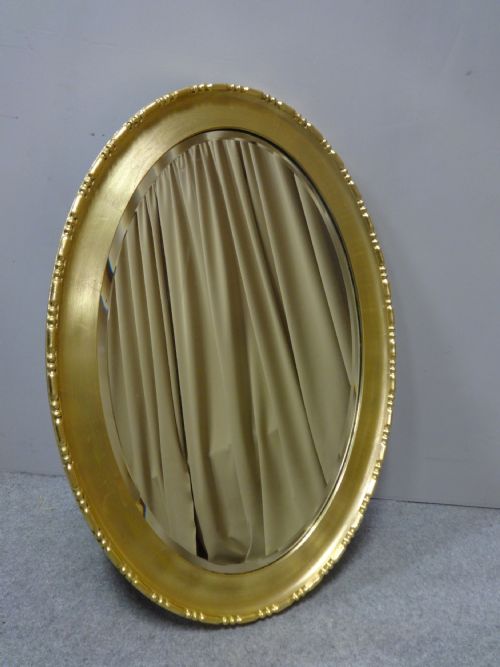
Beaded Edge Mirror
A beaded edge mirror brings texture and reflection to a room, offering both wall and plateau variants across several periods.
Beaded Edge Mirror
A beaded edge mirror combines reflective glass with a textured surround, appearing frequently across Victorian, Edwardian, and nineteenth-century pieces. Buyers searching for a beaded edge mirror encounter wall mirrors, overmantels, plateau mirrors, and framed hanging pieces.
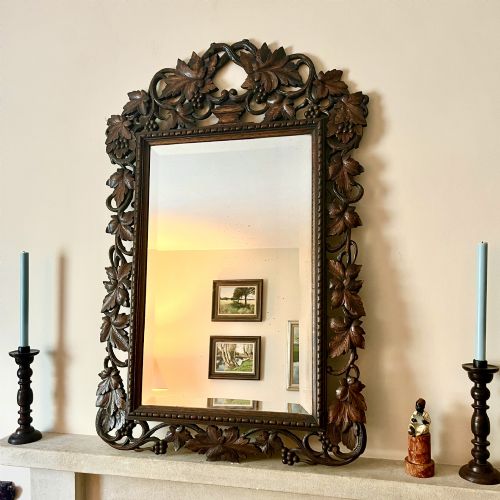
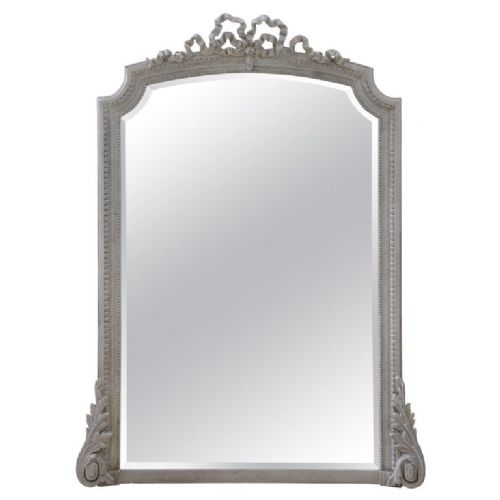
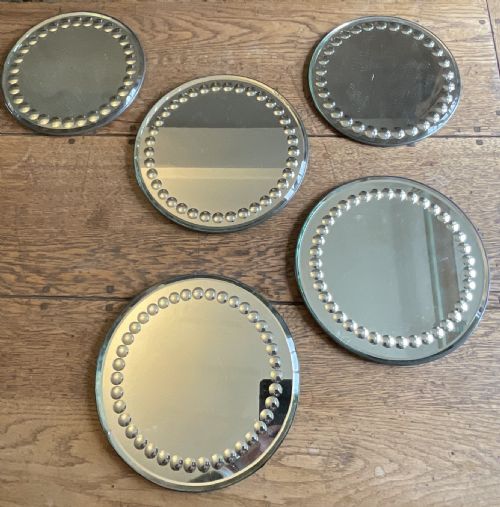
The selection on this page spans oak, gilt wood, and velvet frames, alongside specialised forms such as sorcerer mirrors and jeweller's plateau mirrors. These objects range from compact tabletop circles to tall Louis Philippe and French chateau wall fixtures.
Edwardian and Victorian examples dominate the records, supplemented by Art Nouveau, Art Deco, and mid-century modern interpretations. Each piece utilises the distinctive beaded moulding to frame silvered glass plates of varying shapes.
How they were made
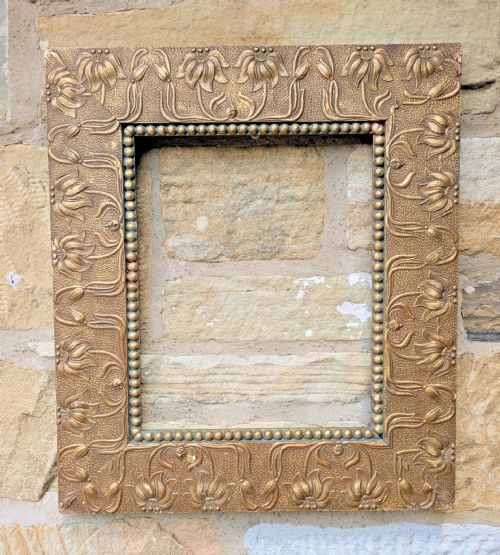
Makers fashioned frames from solid timbers like oak and mahogany, or carved gesso upon wooden foundations before applying gold leaf and paint. The beaded detail itself required precise carving or moulding directly into the wooden or gessoed surround.
Silvered glass plates provide the reflection, occasionally featuring bevelled edges that catch the light. Backings and supports incorporated velvet framing, castors, and moulded wooden structures to stabilise heavier wall and cheval designs.
Listings feature periods from the nineteenth century through to the nineteen-thirties, spanning Victorian, Edwardian, Art Nouveau, and Art Deco styles.
What varies in quality
The crispness of the carving along the beaded moulding separates finer examples from softer, less defined work. In gilded pieces, the depth and integrity of the gold leaf or gesso surface dictate the visual richness.
Structural cohesion in the wooden frames and the clarity of the silvered glass plate influence the overall calibre. Original components, such as intact velvet mounts and period-appropriate glass, elevate a piece above later adaptations.
The Beaded Edge Mirror Glossary
- Beaded edge
- A decorative moulding carved or applied in the shape of small contiguous spheres. This texture frames the glass plate and distinguishes the style.
- Overmantel mirror
- A large mirror designed to hang specifically above a fireplace mantelpiece. These often span considerable widths to reflect the room.
- Plateau mirror
- A tabletop mirror base originally used to display centrepieces or ornaments. They frequently incorporate low wooden frames and protective feet.
- Sorcerer mirror
- A convex mirror designed to distort reflections across a wider field of view. These curved glasses create a distinct fish-eye visual effect.
- Gesso
- A plaster-like mixture applied to wood surfaces as a base for gilding or painting. It allows intricate relief work, including beaded details, to be formed.
Beaded Edge Mirror: Frequently Asked Questions
Where should I hang an overmantel mirror?
An overmantel mirror belongs above a fireplace mantelpiece, anchored securely to the wall to support its substantial weight. It fills vertical space and reflects light back into the room.
Ensure the hanging fixings match the wall construction and align the frame centrally with the fireplace opening below for visual balance.
What was a plateau mirror used for?
A plateau mirror sat on dining tables or sideboards as a reflective base for candlelabra, silver service, or floral arrangements. The mirrored surface amplified the candlelight.
These pieces protected furniture surfaces from wax drips while adding decorative gleam to formal dining settings during the nineteenth and early twentieth centuries.
How do I identify an Edwardian mirror?
Edwardian mirrors often feature lighter timbers like mahogany, alongside refined oval shapes and delicate bevelled glass edges. Their construction reflects lighter domestic interiors of the early twentieth century.
Look for restrained decoration and secondary materials such as velvet framing or subtle moulded supports that differ from heavier Victorian equivalents.
What is a sorcerer mirror?
A sorcerer mirror uses a convex glass plate to capture a panoramic reflection of the entire interior space. These unusual pieces derive from historic convex looking glasses.
They function primarily as decorative optical curiosities rather than functional mirrors for grooming, offering a distorted perspective of the surrounding room.