


Silver Glass Biscuit Box
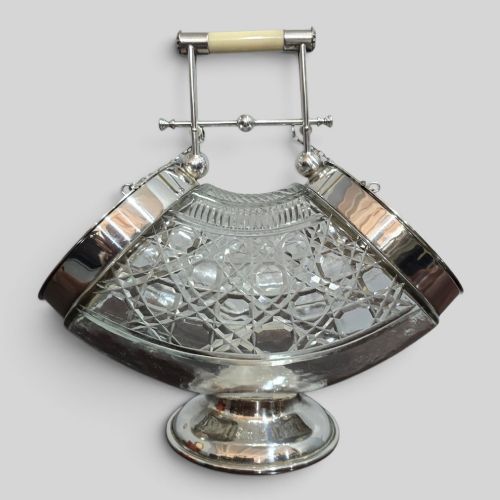
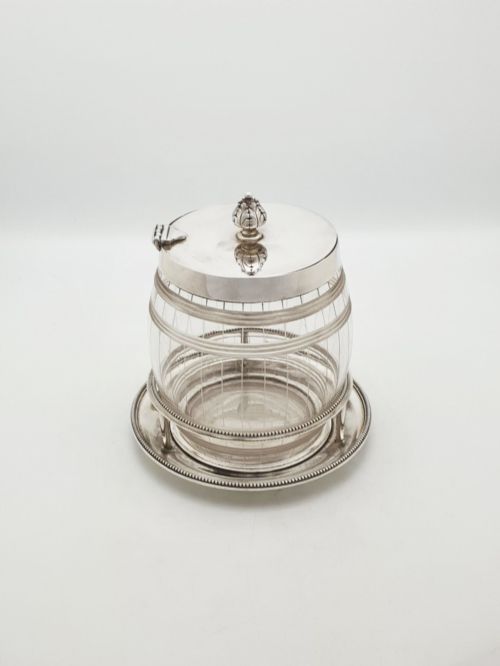
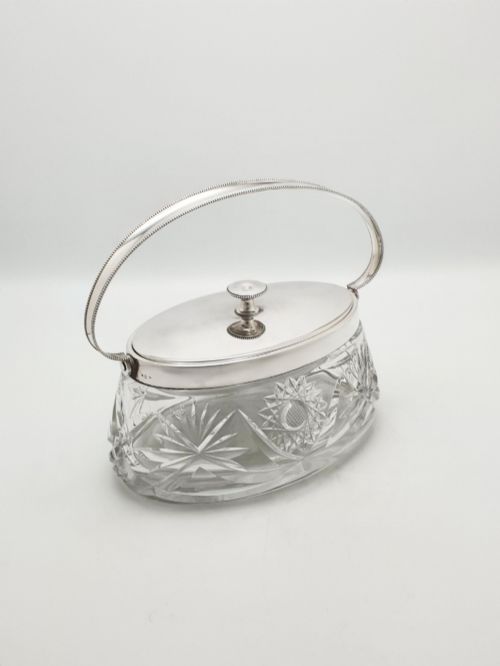
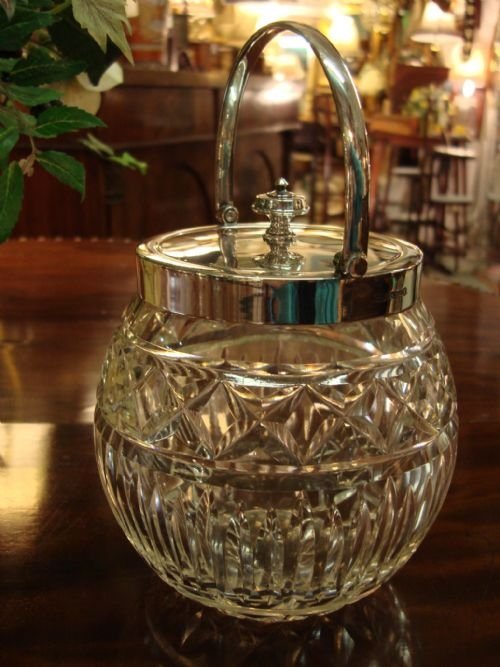
These silver glass biscuit box pieces combine heavy cut glass bodies with gleaming metal mounts to serve afternoon tea with elegance.
Silver Glass Biscuit Box
A silver glass biscuit box, often styled as a barrel or drum, is a table container designed to store and present dry biscuits or sweet treats. These vessels appear frequently in Victorian and Edwardian guises, alongside later Art Deco and Jugendstil designs from the early twentieth century.
The form relies on a glass container paired with metal mounts, handles, and hinged lids, occasionally incorporating coloured glass liners such as cranberry, blue, or green. Most examples seen here date from the mid-nineteenth century through to the 1930s, reflecting changing dining habits and interior aesthetics across several decades.
Materials and Construction
Makers formed the bodies from thick glass, utilising techniques like hobnail cutting, faceting, and moulding to create light-catching patterns across the surface. Coloured glass varieties such as cranberry or opaline blue appear alongside clear cut crystal and frosted finishes.
Metal components typically consist of silver plate over a base metal, though solid sterling silver examples also exist with official hallmarks. Mounts often incorporate swing handles, pierced galleries, and detailed cast finials shaped as birds or heraldic motifs.
Listings feature biscuit boxes spanning from the Victorian and Edwardian eras through to the 1930s Art Deco period.
Measures of Quality
The distinction between standard items and superior pieces rests on the crispness of the glass cutting and the weight of the metal mounts. Deeper, sharper facets and heavier gauge silver plate or solid sterling silver indicate higher production standards.
Artistic ambition also separates the range, with elaborate figural lids, automated mechanisms, and distinct stylistic influences like the Egyptian style or Jugendstil representing the more ambitious end of the craft.
Elkington·WMF·Walker and Hall·James Dixon and Sons·Cooper Bros·W Coulthard Ltd·Grinsell and Sons·William Hutton·Martin Hall
The Silver Glass Biscuit Box Glossary
- Biscuit Barrel
- A covered container designed specifically for holding biscuits on the dining table or sideboard. These pieces gained widespread popularity during the Victorian era.
- Silver Plate
- A layer of silver bonded to a base metal such as nickel silver or Britannia metal. This technique allowed manufacturers to produce decorative tableware at a lower cost than solid silver.
- Cut Glass
- Glass shaped and patterned by holding it against rotating abrasive wheels, creating deep geometric incisions that refract light. It forms the heavy body of many antique serving vessels.
- Finial
- A decorative knob or figure attached to the top of a lid for lifting. On these barrels, finials sometimes take the form of birds or heraldic creatures.
- Liner
- A removable glass insert that sits inside the metal frame of a container. Coloured glass liners in shades like Bristol blue or cranberry add visual contrast to the piece.
Silver Glass Biscuit Box: Frequently Asked Questions
What were silver glass biscuit boxes used for?
These containers were utilised in the dining room or drawing room to keep biscuits fresh while offering an attractive centrepiece for afternoon tea. The fitted lid helped protect the contents from moisture.
Hosts would place them on the table for guests to help themselves during formal gatherings or domestic tea services.
How do I date a biscuit barrel?
Dating relies on stylistic clues, manufacturer marks, and the type of glass or plating used. Victorian examples often feature ornate floral engraving and heavy silver plate.
Later Edwardian and Art Deco pieces display cleaner geometric lines or characteristic Jugendstil motifs from the early twentieth century.
Are coloured glass liners original?
Many pieces retain their original coloured glass liners, which came in shades such as cranberry, deep blue, or emerald green. These coloured inserts were blown or moulded specifically to fit the dimensions of the metal frame.
Examining the fit and the wear patterns on the glass helps confirm whether the liner belongs to the period of the mount.
How should I clean the silver and glass?
The glass liner can usually be removed and washed in warm soapy water with a soft cloth. Avoid harsh abrasives that might scratch the surface.
For the silver plate or sterling silver mounts, use a gentle silver polish applied sparingly, taking care not to let residue get trapped in the glass joints or engraved crevices.