


Antique Tableware Biscuit Box
An antique tableware biscuit box is a refined Victorian and Edwardian container designed to keep biscuits crisp while gracing the dining table.
Antique Tableware Biscuit Box
An antique tableware biscuit box serves as a charming storage vessel for dry biscuits during formal afternoon tea and post-dinner gatherings. These objects primarily originate from the Victorian and Edwardian eras, spanning the nineteenth and early twentieth centuries.
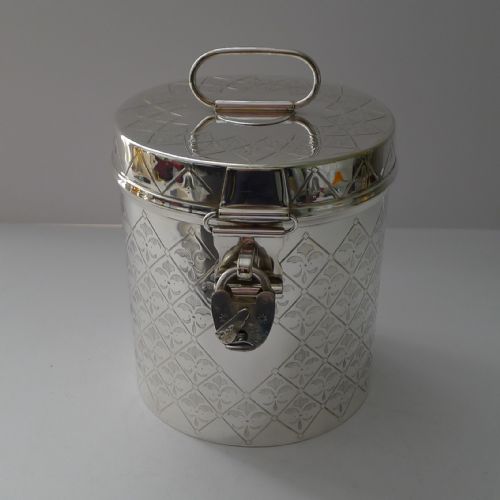
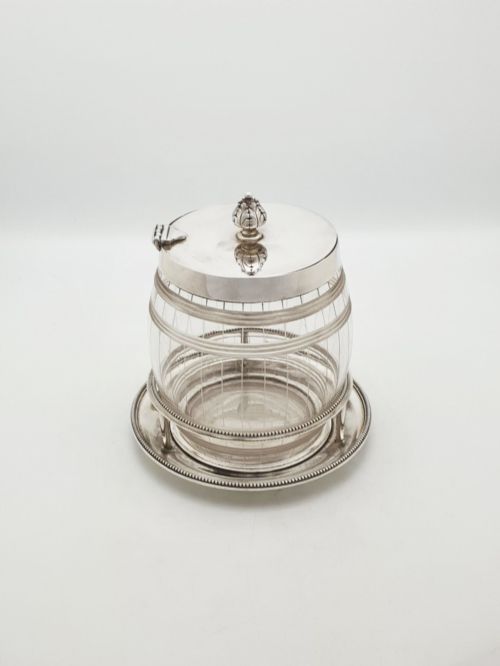
The pieces on this page appear as traditional biscuit barrels, hinged boxes, and folding shell containers, often resting upon dedicated stands. Most examples pair polished metal mounts with fitted glass liners or bodies designed to preserve freshness.
Makers from the nineteenth and early twentieth centuries shaped these containers into cylindrical, faceted, and shell-inspired forms, reflecting the changing aesthetic tastes of the period.
What varies in quality
The distinction between standard and superior pieces rests upon the crispness of the cast mounts, the weight of the silver plating, and the depth of the glass cutting. Well-executed examples display balanced proportions and secure hinges that operate smoothly.
Attribution to recognised makers through clear hallmarks or stamped registry marks elevates a piece, as does the integration of unusual mechanical actions like folding shell designs or locking mechanisms.
The listings span several decades, moving from Victorian silver-plated barrels through Edwardian designs to early twentieth-century faceted glass forms.
Mappin and Webb·Elkington·Robert and Belk·Walker and Hall·Fenton Brothers
The Antique Tableware Biscuit Box Glossary
- Biscuit barrel
- A cylindrical container designed for holding dry biscuits on the dining table. These vessels typically feature a fitted lid and a matching handle.
- EPNS
- Electroplated nickel silver. This designation denotes a base metal of nickel silver coated with a thin layer of pure silver through electrolysis.
- Cranberry glass
- A rich red glass produced by adding gold chloride to the molten batch. It appears frequently in late-nineteenth-century tableware.
- Finial
- A decorative ornament attached to the top of a lid. On these pieces, finials often take the form of heraldic elements or organic motifs.
- Cut glass
- Glass decorated by grinding facets or patterns into the surface using rotating wheels. This technique enhances the refractive quality of the material.
Antique Tableware Biscuit Box: Frequently Asked Questions
What is an antique biscuit box?
An antique biscuit box is a covered container produced during the Victorian, Edwardian, or early twentieth-century periods to serve dry biscuits at the table.
These pieces combine silver-plated or sterling silver mounts with glass bodies or internal liners to keep baked goods fresh.
How were biscuit boxes used?
Victorian households utilised these vessels during formal afternoon teas and after-dinner rituals to present dry biscuits to guests in an elegant manner.
Servants placed the filled container on the dining or drawing-room table, where hosts could easily open the hinged lid or folding shell mechanism.
How do I date a biscuit box?
Dating relies on stylistic clues, manufacturer marks, and the combination of materials like cranberry glass or electroplated nickel silver.
Victorian examples often display ornate engraving or figural finials, while Edwardian and later pieces tend toward simpler faceted glass and cleaner metallic mounts.
What materials are common?
The primary materials comprise silver plate, electroplated nickel silver, and occasionally solid sterling silver for the structural mounts and hardware.
Cut glass, crystal, and cranberry glass form the transparent bodies and removable liners that hold the biscuits.