


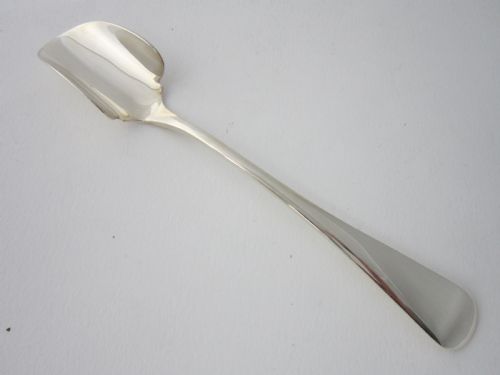

Silver Dining Flatware
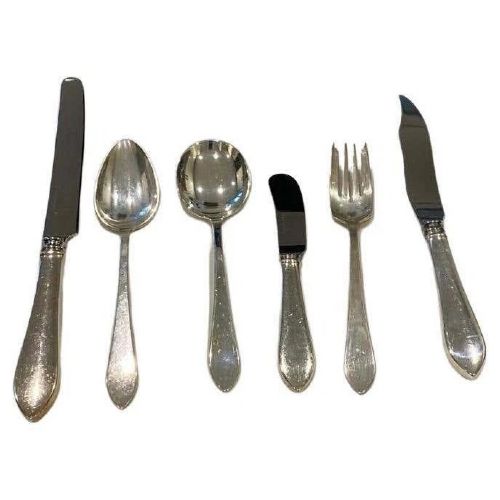
Silver dining flatware brings together centuries of British, European and American table service, spanning solid sterling silver and plated sets designed for formal dining.
Silver Dining Flatware
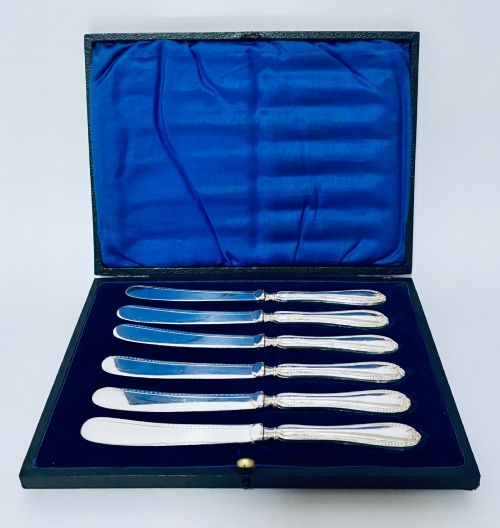
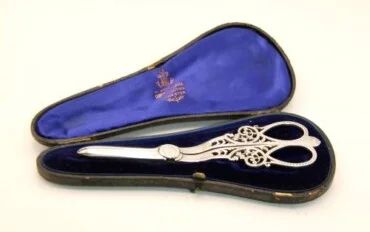
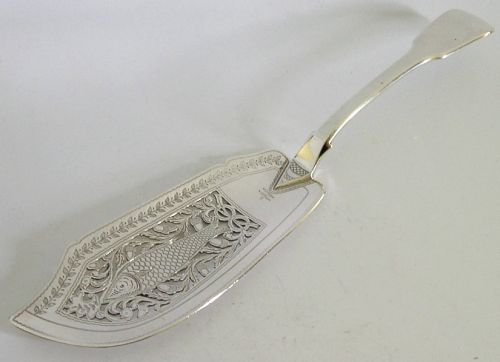
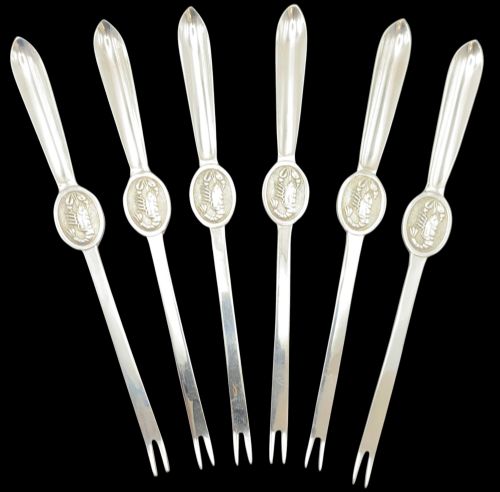
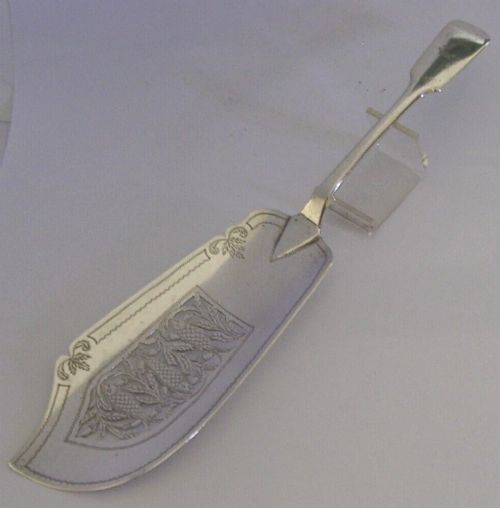
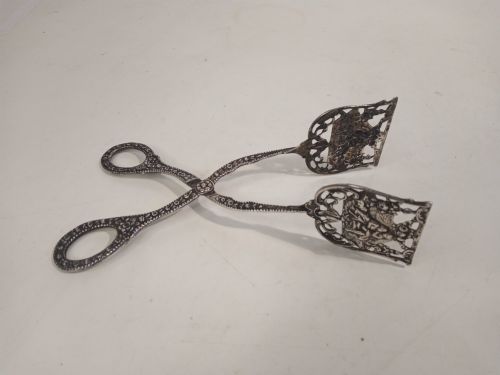
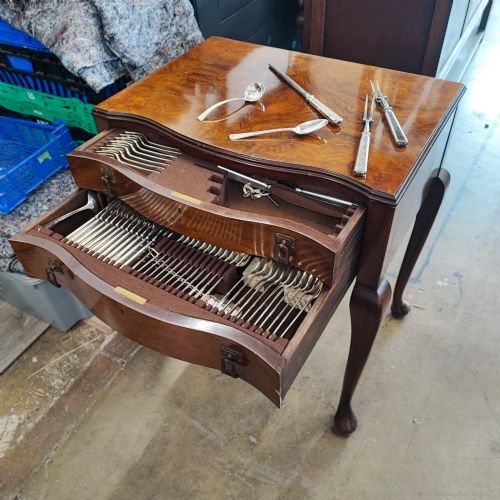
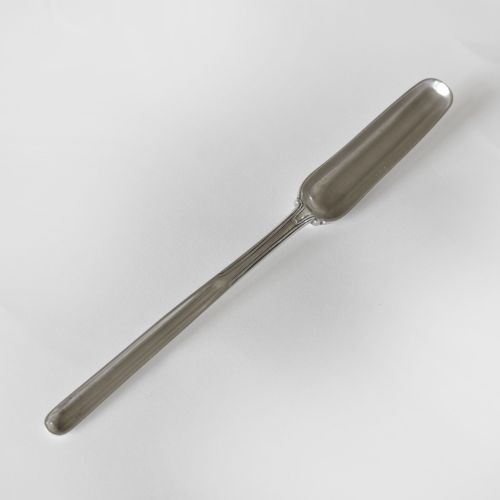
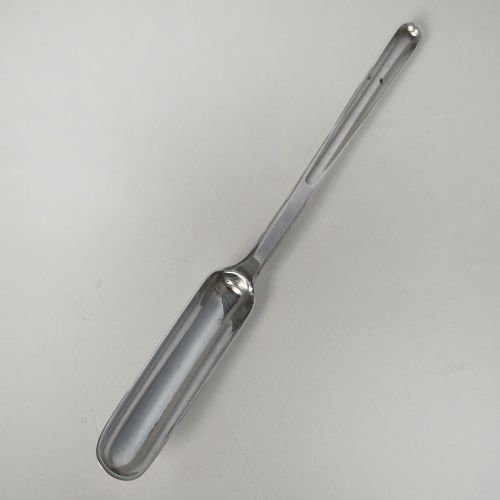
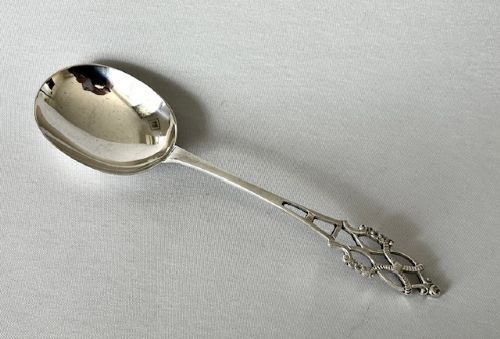
Silver dining flatware encompasses everything from single serving utensils to extensive canteens for twelve persons. Buyers seeking silver dining flatware encounter objects intended for specific courses, including fish servers, asparagus tongs, marrow scoops, and grape scissors alongside standard place settings.
What varies in quality
Quality rests upon the weight of the silver, the crispness of the chased or engraved pattern, and the integrity of any associated hallmarks. Pieces bearing clear assay office marks, maker's marks, and date letters demonstrate higher documentary value.
The retention of original fitted cases, matched sets, and undamaged organic handle materials such as mother of pearl, horn, or antler separates comprehensive services from assembled collections.
Some dining sets include dedicated lobster forks and marrow scoops, proving our ancestors took their shellfish and bones very seriously.
Jonathan Hayne·Charles Reily and George Storer·Benjamin Watts·Thomas Johnson·Walter and John Barnard·Garrard and Co
The Silver Dining Flatware Glossary
- Sterling silver
- A silver alloy containing 92.5 percent pure silver by mass, standard for quality British tableware.
- Marrow scoop
- A narrow, elongated utensil with shallow troughs at both ends, designed for extracting bone marrow.
- Canteen
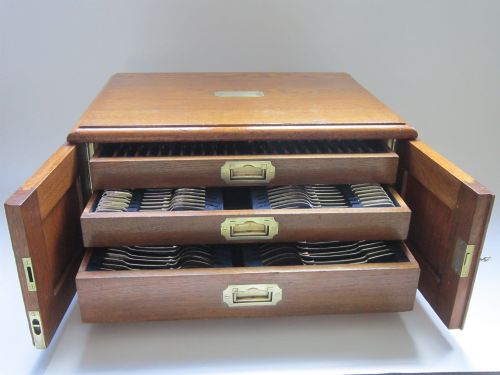
- A fitted box or chest designed specifically to store a complete set of cutlery or flatware.
- Fiddle pattern
- A traditional 19th century cutlery handle shape widening at the base with a characteristic shoulder.
- Hanoverian pattern
- An 18th century spoon style featuring a central ridge down the stem and a upturned terminal.
Silver Dining Flatware: Frequently Asked Questions
How do I clean antique silver flatware?
Use a soft cloth and a gentle, non-abrasive silver polish formulated specifically for antique items. Avoid harsh chemical dips that strip patination and damage vulnerable organic handles.
Store pieces individually in flannel rolls or within their fitted wooden canteens to prevent scratching and tarnishing between uses.
Can I use antique silver flatware daily?
Many people choose to use silver dining flatware for special meals, provided they wash the pieces by hand promptly after use. Dishwashers subject silver and composite handles to excessive heat and harsh detergents.
Hand washing preserves steel blades, bone elements, and silver plate layers from premature wear and corrosion.
What is the difference between sterling and silver plate?
Sterling silver is solid metal meeting a strict purity standard throughout the entire piece, marked with assay symbols. Silver plate consists of a thin layer of silver bonded to a base metal core.
Plate offers the appearance of silver at a different material tier, though the underlying metal may show through where the plating wears thin.
How do I date antique silver flatware?
British silver typically bears hallmark stamps indicating the assay office, standard, and a date letter corresponding to the year of manufacture. Stylistic indicators like Fiddle pattern handles or Art Deco geometries also point to specific eras.
Comparing maker marks against historical records provides precise production dates for individual pieces.