


Silver Diamond Necklace
These silver diamond necklace selections unite past craftsmanship with wearable brilliance, offering timeless elegance for collectors.
Silver Diamond Necklace
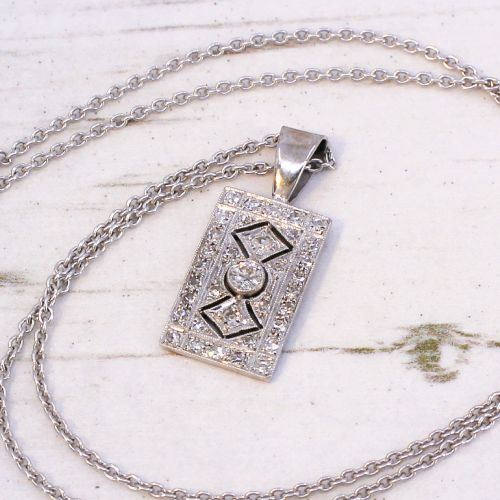
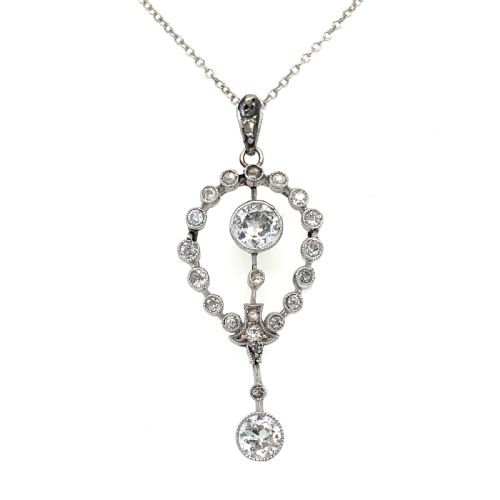
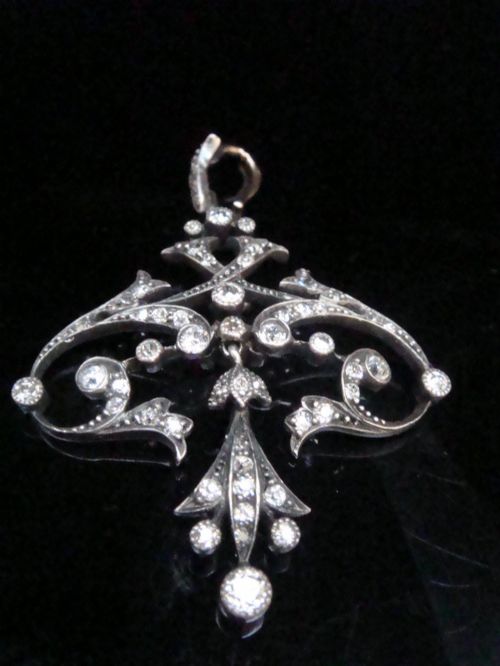
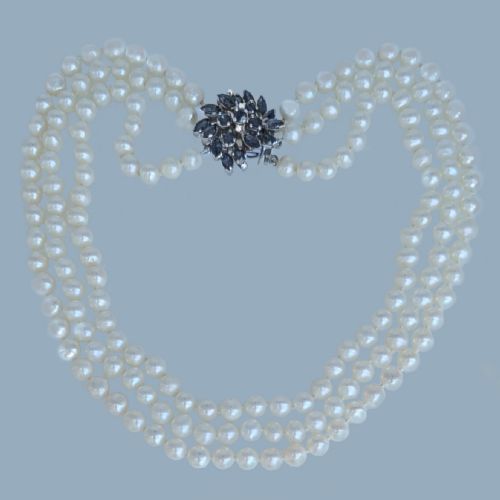
A silver diamond necklace combines shimmering stones with versatile metal settings across eras from the Victorian period to the mid-century. Buyers seeking a silver diamond necklace encounter diverse forms, including delicate pendants, lavalieres, and multi-strand pearl arrangements fastened with gem-set clasps.
The pieces on this page span Victorian, Edwardian, Art Nouveau, Art Deco, and 1950s designs. Pendants and brooches adapted into necklaces dominate the selection, often featuring central clusters or cascading fringe details.
Origins range from British workshops to continental makers, reflecting shifting aesthetic preferences for geometric symmetry or organic floral motifs. Each surviving item demonstrates the enduring appeal of silver combined with fine diamonds.
How they were made
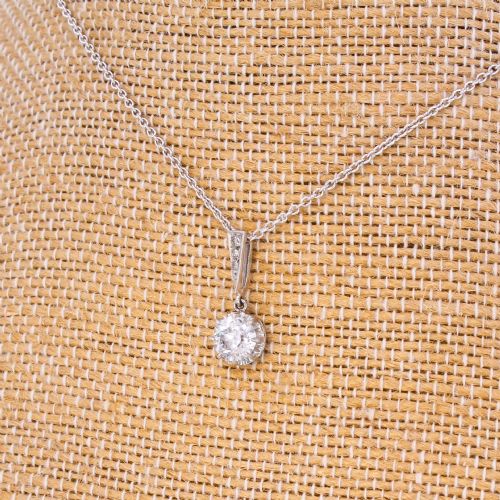
Goldsmiths and silversmiths utilised combination settings, mounting diamonds in silver to brighten their appearance while supporting the structure with gold or platinum. Stones were cut by hand, resulting in characteristic old cut or rose cut facets that catch candlelight differently than modern brilliants.
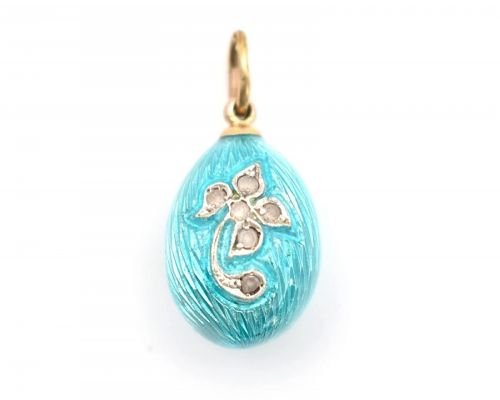
Constructive techniques included open-back collets to let light pass through the stones, alongside fine millegrain borders on platinum and silver mounts. Enamel work, pearls, and coloured gemstones such as rubies, sapphires, opals, and turquoise were integrated to add vibrant contrast.
Silver Diamond Necklace Retail Price Guide 2026
Typical asking prices for silver diamond necklace among the pieces listed under this phrase on Sellingantiques today, from the lower quarter to the upper quarter. They describe what is for sale here now, not the wider market.
Current selections encompass items featuring diamonds paired with pearls, sapphires, rubies, opals, and turquoise across eight distinct historical periods.
What varies in quality
The standard of a silver diamond necklace depends on the harmony of stone selection, the delicacy of the metalwork, and the preservation of the original setting. Pieces featuring uniform old cut diamonds with high clarity command attention through their subtle fire and individual hand-cut character.
Craftsmanship is evident in the precision of pierced silver galleries and secure prong or bezel settings that hold gems firmly without excess metal obscuring the stones. Original clasps, integrated chains, and untouched maker marks elevate the historical integrity of the piece.
Tiffany and Co
The Silver Diamond Necklace Glossary
- Old cut
- A vintage diamond cutting style characterised by a high crown, small table, and deep pavilion, designed to sparkle under artificial illumination.
- Rose cut
- A flat-bottomed diamond shape with a domed top covered in triangular facets, resembling an unopened rosebud.
- Lavaliere
- A pendant necklace featuring a suspended gemstone or drop that sways gently below the main chain or collar.
- Millegrain
- A decorative technique featuring a row of tiny raised metal beads along the edges of a setting.
- Silver gilt
- Silver that has been coated with a thin layer of gold to combine the appearance of gold with a silver base.
Silver Diamond Necklace: Frequently Asked Questions
How do I wear a convertible pendant?
Many historical necklaces feature detachable bails or pin stems on the reverse, allowing a central pendant to transform easily into a brooch.
This versatility reflects period styling practices where formal dress ornaments doubled across multiple garment types.
Are these diamonds natural?
The stones found in these historical pieces are natural earth-mined gems shaped by hand long before modern synthetic alternatives existed.
Each diamond carries unique inclusions and facet arrangements typical of pre-computer cutting methods.
How should I care for silver jewelry?
Silver naturally develops a patina over time, which many collectors prefer to leave undisturbed as proof of age and authenticity.
Store pieces in dry conditions away from humidity and chemical sprays to protect vulnerable gems like pearls, opals, and turquoise.
How do I date a necklace?
Dating relies on stylistic clues, such as the geometric lines of Art Deco or the flowing botanical curves of Art Nouveau.
Metal combinations, particularly the shift from silver-topped gold to platinum, also provide clear chronological markers.