




Silver Claret Pitcher
A silver claret pitcher brings historic elegance to the dining table, combining precious metal mounts with finely worked glass bodies for serving wine.
Silver Claret Pitcher
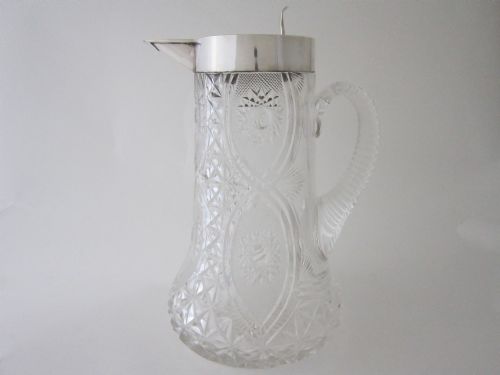
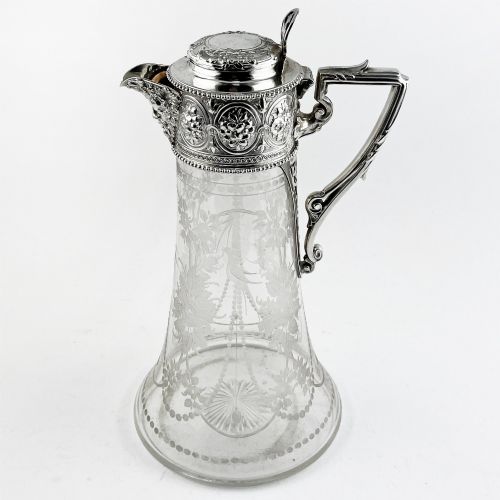
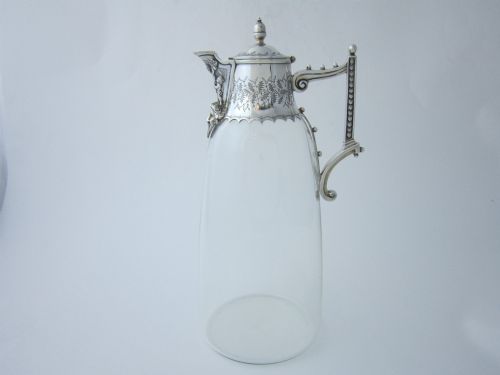
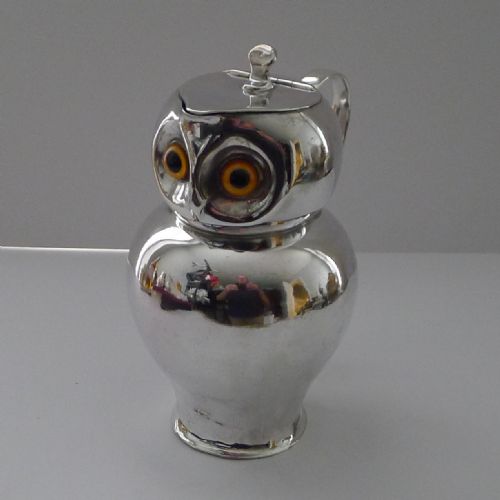
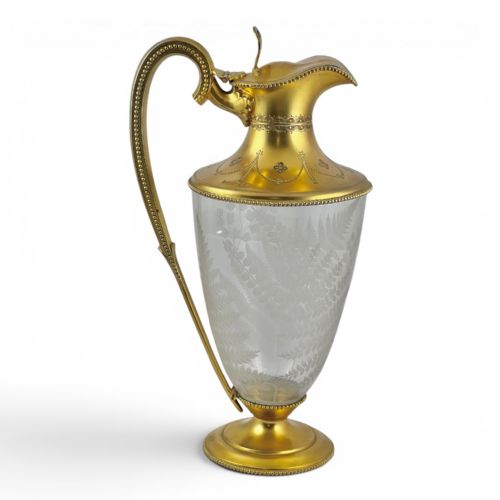
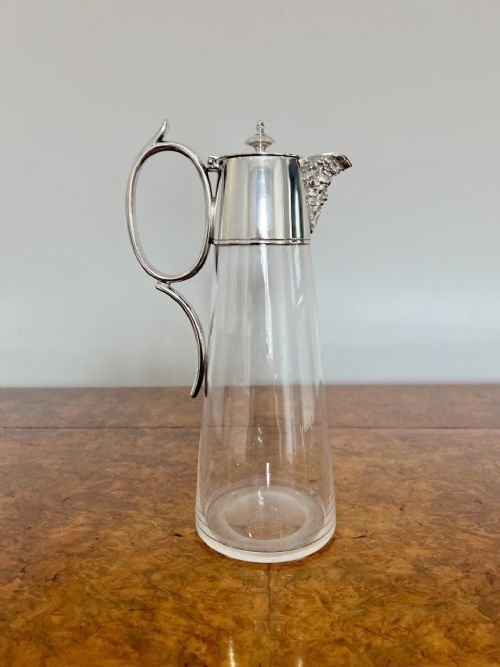
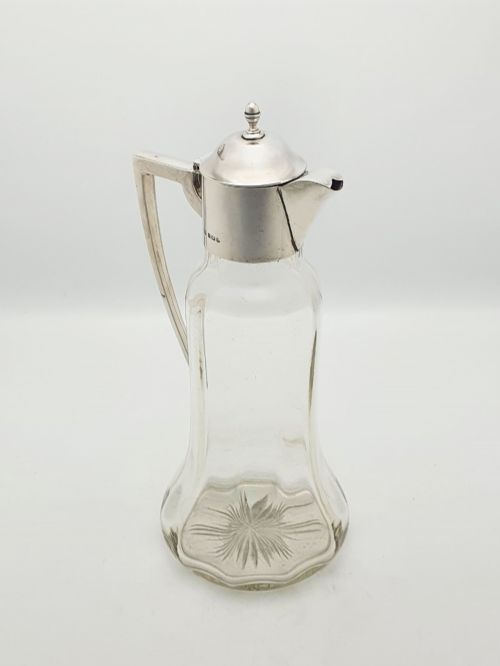
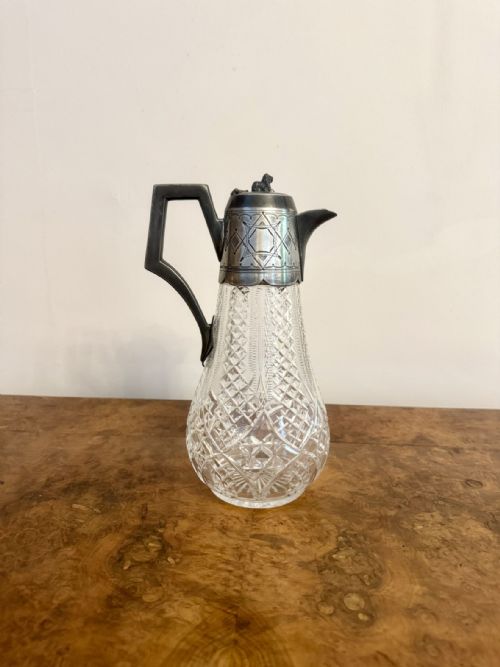
A silver claret pitcher is a table vessel designed specifically for pouring red wine, appearing frequently in Victorian and Edwardian forms. Buyers encounter examples that pair mounted precious metal or silver plate with blown and cut glass bodies.
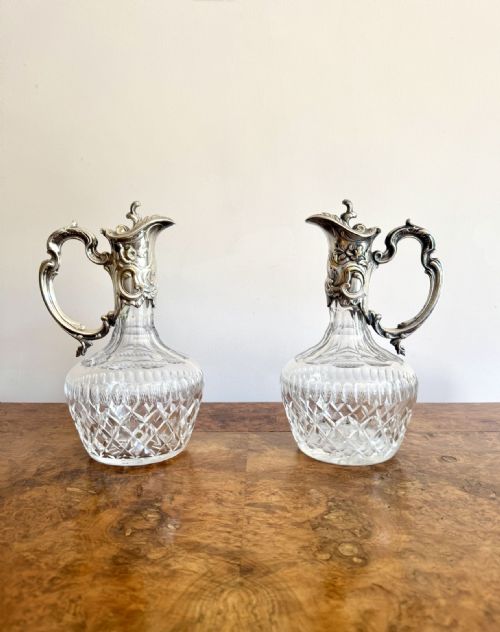
The most common versions on this page combine clear cut crystal or etched glass with hinged silver or silver-plated mounts, often featuring slender necks and sturdy handles. These vessels date primarily from the nineteenth and early twentieth centuries, reflecting changing dining rituals across decades.
Makers utilised various glass treatments, ranging from simple wheel cuts to cranberry glass and elaborate cranberry tones. The structural forms span standard bulbous jugs, tall ewers, and specialised vessels fitted with internal ice tubes.
Materials and construction
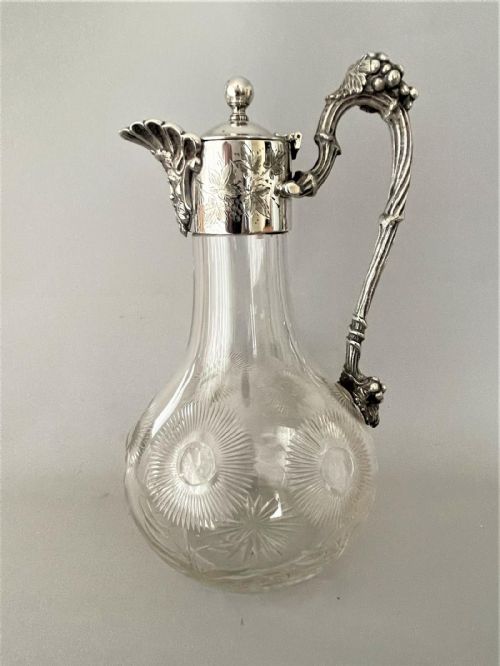
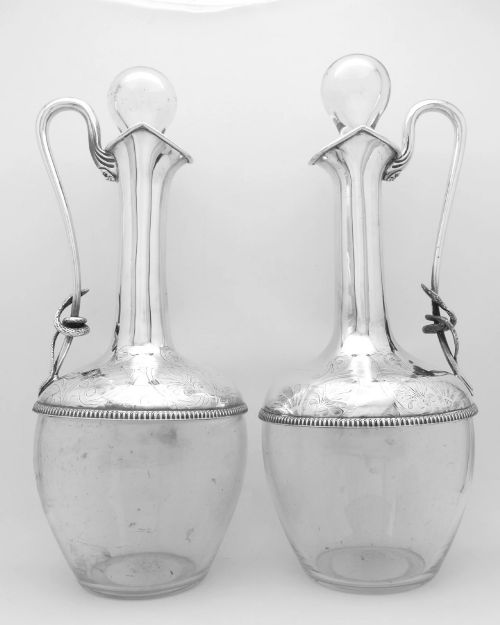
Silversmiths constructed mounts using either sterling silver or durable silver plate over base metals like copper or pewter. Cast elements such as Bacchus masks or serpent handles required skilled metalworking and detailed chasing before attachment to the collar.
Glass bodies were mouth-blown and subsequently shaped in moulds or left plain for surface engraving and deep diamond cutting. Artisans then secured the metal collars and hinged lids firmly to the glass necks using waterproof adhesives or tight mechanical seals.
Assessing quality in pitchers
Quality rests in the crispness of the glass cutting and the weight of the silver mount. Heavy crystal bodies with deep, clean wheel engravings indicate superior manufacture compared to thin, light glass with shallow patterns.
The articulation of the metalwork also separates standard examples from exceptional pieces. Cast handles modeled as serpents or detailed animal masks, alongside tight-fitting hinged lids that align properly with the spout, demonstrate higher levels of craftsmanship.
Asprey and Co. Ltd·Henry Bourne·Mappin and Webb·Liberty and Co·Elkington and Co·Tiffany
The Silver Claret Pitcher Glossary
- Claret jug
- A vessel designed for serving red wine at the table. These pieces typically feature a glass body with a metal handle, collar, and hinged lid.
- Silver plate
- A thin layer of silver fused or electroplated to a base metal such as copper, nickel, or brass. This technique allowed makers to produce ornate vessels at a lower cost than solid silver.
- Crystal
- A high-clarity glass containing lead oxide, which increases the weight and refractive index of the material. It allows for deep, sharp cutting and brilliant light reflection.
- Electrotype
- A metal-copying process using electrolysis to deposit a thick layer of silver onto a mould. This method created highly detailed sculptural reliefs on nineteenth-century vessels.
- Cranberry glass
- A rich red-pink glass coloured by the addition of gold chloride to the molten batch. It appears frequently in Victorian tableware and decorative jugs.
Silver Claret Pitcher: Frequently Asked Questions
Were these pitchers only used for claret?
While designated primarily for claret and red wine during formal dining, these versatile vessels also served water, lemonade, and mixed drinks. Some larger Victorian examples incorporate internal ice tubes designed to cool beverages without diluting the contents.
Households adapted the pitchers according to the meal and the contents available, meaning many functioned as general table ewers or water jugs. The presence of ice tubes or specialised spouts often indicates use for lemonade or summer cups.
How can I tell a Victorian pitcher from an Edwardian one?
Victorian examples often display heavy, elaborate ornamentation such as deep diamond cutting, naturalistic floral engraving, or sculptural motifs like Bacchus masks. The mounts tend to be ornate and substantial, reflecting the eclectic revival styles of the nineteenth century.
Edwardian pieces frequently show cleaner, lighter lines influenced by neoclassical tastes or early Art Nouveau curves. The glass cutting can be simpler and more restrained, while the silver mounts lean toward symmetrical elegance rather than heavy Victorian exuberance.
What is silver plate on these jugs?
Silver plate refers to a base metal substrate, commonly copper or nickel silver, coated with a thin layer of pure silver. Nineteenth-century innovations like electroplating enabled manufacturers to cover complex cast mounts evenly with precious metal.
This technique provided the visual appeal and lustre of solid silver at a fraction of the cost, making decorative table wares accessible to a wider public. The base metal shows beneath the silver only where heavy polishing or wear has removed the top layer.