

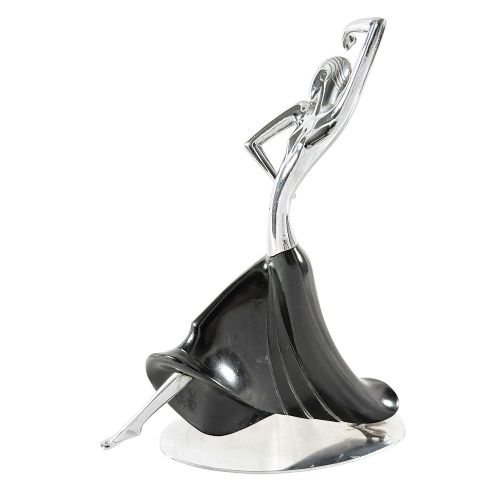
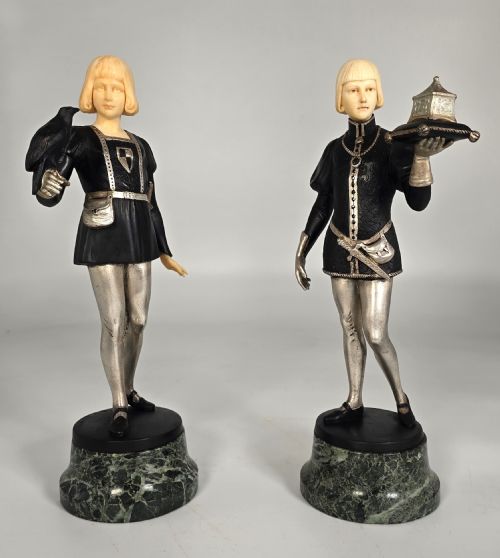


Silver Art Deco Statue
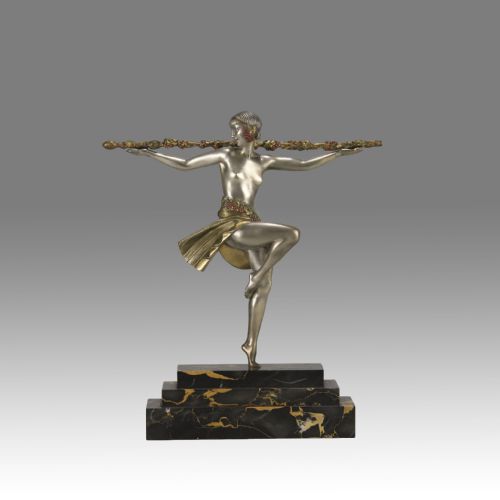
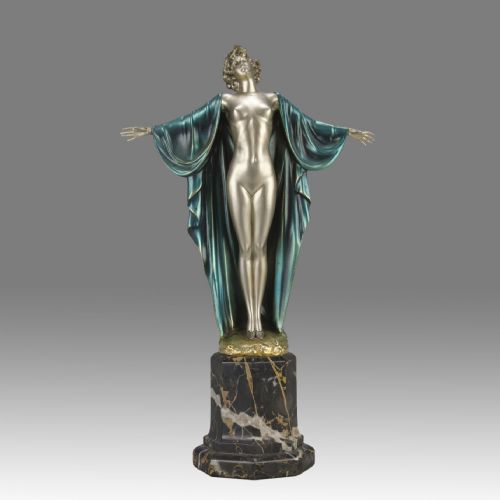
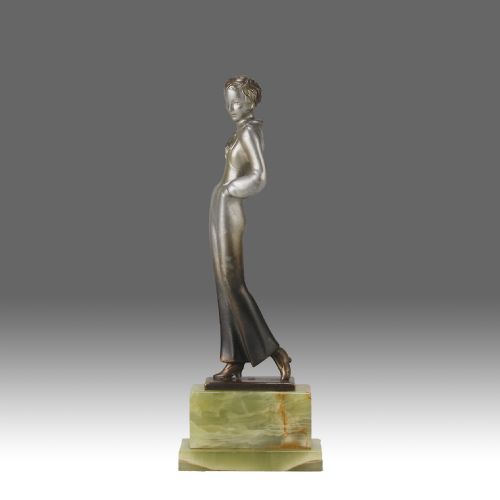
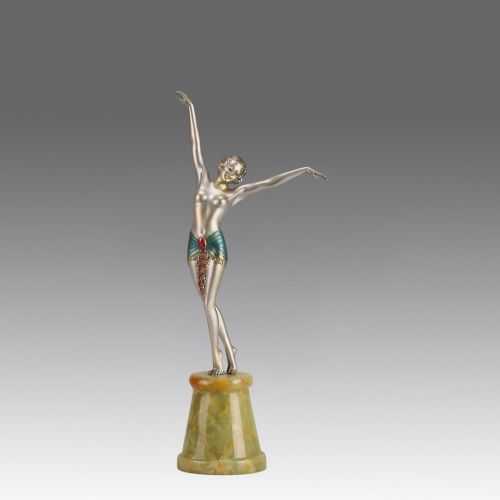
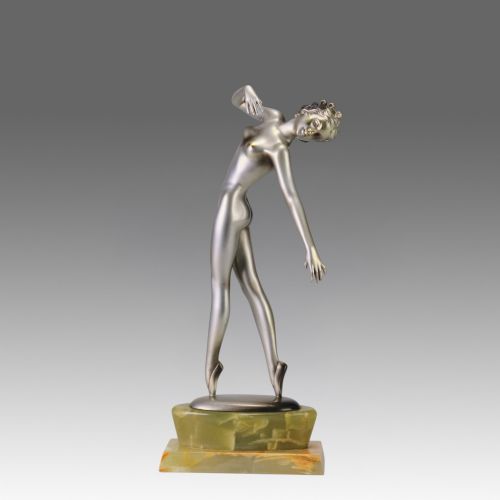
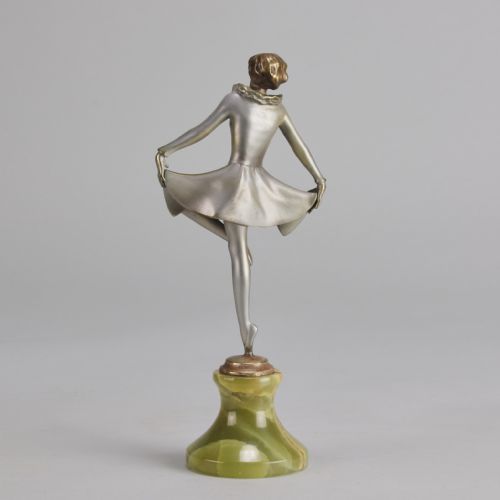
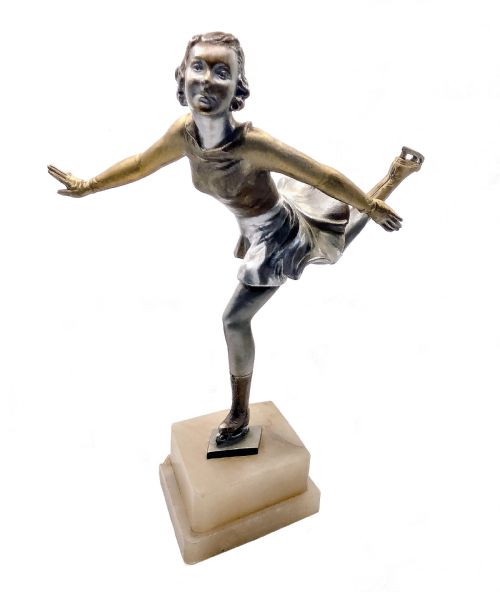
These silver art deco statue pieces capture the sleek lines and dynamic motion characteristic of the interwar period, offering a striking focal point for any interior.
Silver Art Deco Statue
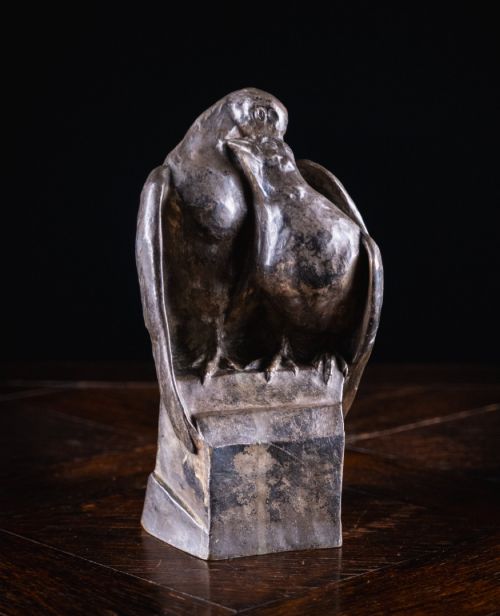
A silver art deco statue embodies the modernist aesthetic of the early twentieth century, taking the form of dancers, athletes, animals, and figural groups. These objects function as standalone sculptures, bookends, desk ornaments, and automotive mascots, reflecting the era's fascination with speed and grace.
The versions most frequently met on this page are metal figures produced during the nineteen twenties and nineteen thirties, often mounted on heavy stone bases of marble or onyx. They span full-scale gallery bronzes, silvered bronze castings, and more accessible spelter or chrome-plated pieces made in France and Austria.
Makers and sculptors of the period utilised distinct artistic idioms, ranging from the fluid choreography of female dancers to stylised depictions of greyhounds and panthers. Whether cast in solid bronze or finished with silver plating, each piece reflects the prevailing geometry and stylised human form of the Art Deco style.
How they were made
Foundries employed the lost-wax casting technique for fine bronze sculptures, allowing for intricate details in drapery, hair, and facial expressions. This method produced durable works that could then be hand-finished with cold painting, enamel, or silver plating.
Alternative metals such as spelter - a zinc alloy - and chrome plate provided more economical manufacturing routes for mass-market figures during the nineteen thirties. These bases often incorporated natural materials like marble and onyx to add stability and weight to the composition.
Surface treatments varied from polished silvered bronze to delicate cold-painted polychrome finishes applied directly to the metal. Skilled artisans combined these metallic surfaces with contrasting elements such as carved ivory or painted metal details.
Greyhounds were so popular in interwar design that even racing cars ended up chasing metal dogs down the highway.
What varies in quality
The integrity of the original surface finish, whether cold paint, silver plating, or silvered bronze, dictates the piece's fidelity to its period appearance. Retaining the intended patina without heavy intervention distinguishes well-preserved examples.
The choice and mounting of the base contribute significantly to the overall architectural balance of the sculpture. High-grade pieces use substantial, well-cut marble or onyx plinths that complement the proportions of the metal figure above.
Pierre le Faguays·Ferdinand Preiss·Josef Lorenzl·Claire Jeanne Roberte Colinet·Demetre Chiparus
The Silver Art Deco Statue Glossary
- Spelter
- A zinc alloy commonly used as a cost-effective alternative to bronze for figural sculptures during the Art Deco period. It often receives a bronze or silver-coloured finish to mimic more expensive metals.
- Cold-painted bronze
- A technique where the bronze sculpture is painted by hand with oil or enamel paints without subsequent high-temperature firing. This method allows for vibrant polychrome details on dancers and animals.
- Silvered bronze
- Bronze metal that has undergone a process to coat its surface with a thin layer of silver. This treatment gives the sculpture a bright, reflective sheen characteristic of modernist luxury.
- Automotive mascot
- A decorative figurine mounted on the radiator cap of a motor car during the early twentieth century. Many popular Art Deco designs were produced in both large display sizes and smaller mascot formats.
- Patina
- The surface coloration and sheen acquired by metal over time through age and handling, or applied artificially by the foundry. It adds depth and character to the sculpture's contours.
Silver Art Deco Statue: Frequently Asked Questions
What materials were used for these statues?
These sculptures utilise a range of metals including bronze, silvered bronze, spelter, chrome plate, and nickel bronze. Many figures incorporate cold-painted details, enamel, or carved elements.
Heavier components such as plinths are frequently constructed from contrasting slabs of marble or onyx to anchor the dynamic postures of the figures.
How do I clean a silvered bronze statue?
Dust the surface gently with a soft, dry cloth to prevent the accumulation of abrasive particles. Avoid chemical polishes, water, or abrasive cleaners, as these can strip away the delicate silver plating or historical patina.
Professional conservation advice should be sought if deeper cleaning or restoration of the metal surface becomes necessary.
Were these pieces signed by the artist?
Many sculptures from this era bear the signature or foundry mark of the artist cast directly into the metal base or body. Signatures can appear in script or block capitals depending on the foundry and the specific sculptor.
Unsigned pieces were also common, often attributed to specific studios or styles based on their form, casting quality, and material composition.
How do I display them at home?
Place statues on stable, level surfaces away from direct sunlight and excessive moisture to protect both the metal finish and the stone base. Bookends require sturdy placement to support book collections effectively while displaying the figural work.
Allow adequate clearance around the sculpture so its silhouette and extended limbs can be appreciated from multiple angles.