


Austrian Bronze Figurine Lorenzl
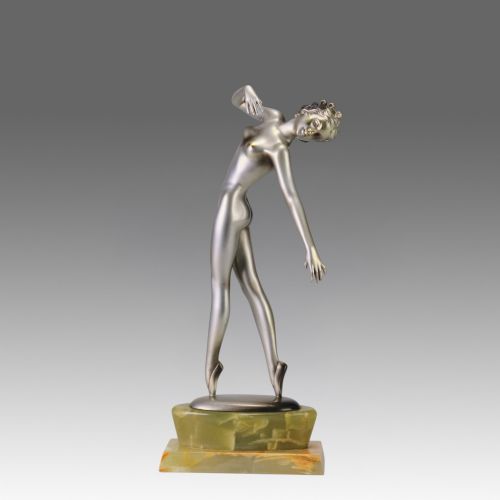
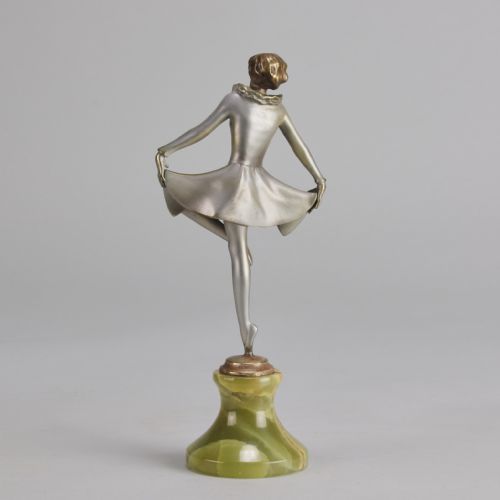
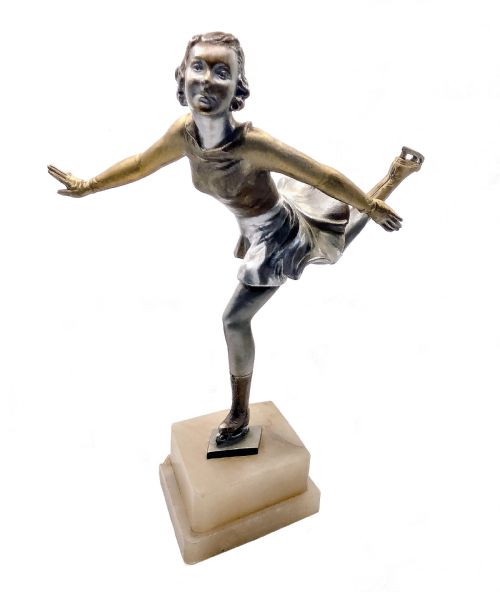
An austrian bronze figurine lorenzl captures the energetic elegance of the Art Deco era through dynamic dancers and striking female figures.
Austrian Bronze Figurine Lorenzl
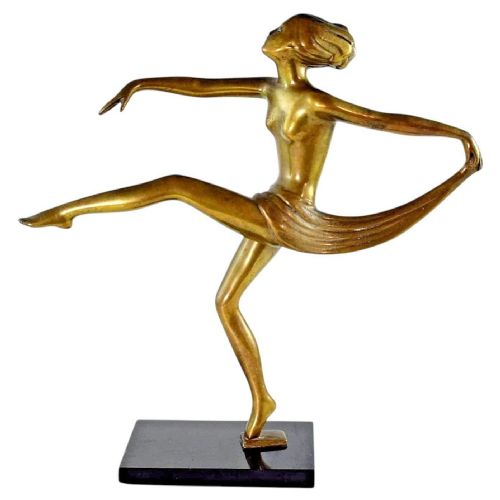
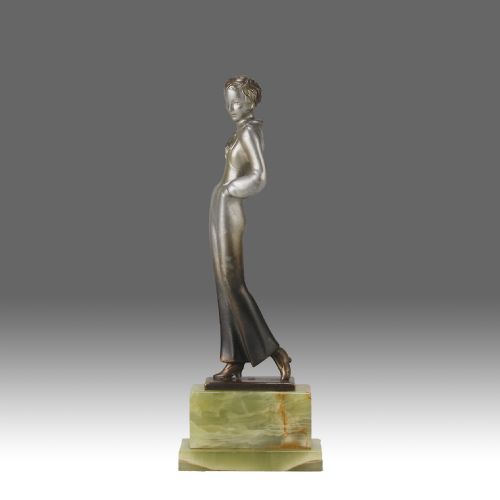
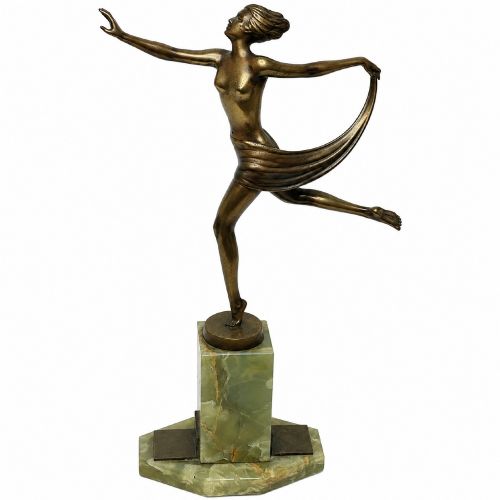
An austrian bronze figurine lorenzl embodies the distinctive aesthetic of Art Deco sculpture from the 1920s and 1930s. These pieces primarily depict female figures, including dancers, ballerinas, scarf dancers, and character studies such as the Trouser Girl or Maria Jeritza.
The objects appearing here take the form of sculptures, statuettes, and figurines designed to capture movement and theatricality. Makers and studios of the period often mounted these figures on solid bases such as onyx or marble to complement the metallic form.
How they were made
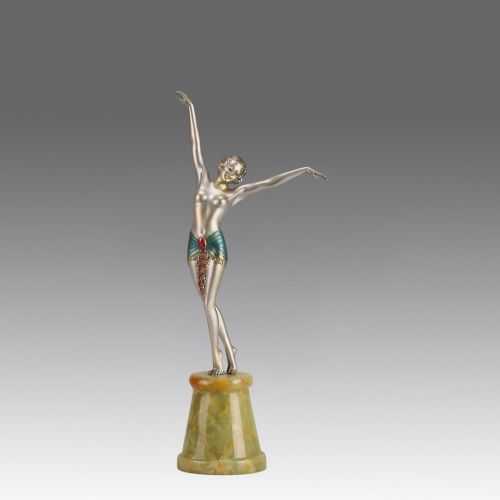
The creation of an austrian bronze figurine lorenzl relies on metal casting techniques utilising bronze, silvered bronze, or spelter. Artisans then applied cold paint or enamel finishes by hand to highlight the garments, hair, and facial expressions of the subjects.
Many sculptures incorporate mixed media elements, securing the metal figures onto heavy bases made of onyx or wood. This combination provided stability and added a contrasting natural texture to the polished or painted metal work.
Listings for an austrian bronze figurine lorenzl span the 1920s and 1930s, featuring materials such as bronze, spelter, onyx, and cold paint.
What varies in quality
The distinction between tiers of an austrian bronze figurine lorenzl rests on the choice of primary material and the finesse of the casting. Works rendered in solid bronze or gilt bronze generally display sharper anatomical detail and more intricate drapery than alternative alloy castings.
Quality also appears in the preservation of the original cold-painted or silvered surfaces. Examples retaining vibrant, undisturbed hand-painted finishes command greater attention than those with extensive surface wear or later repainting.
Josef Lorenzl
The Austrian Bronze Figurine Lorenzl Glossary
- Spelter
- A zinc alloy frequently utilised as a cost-effective alternative to bronze during the period. It provides a similar metallic appearance for figurative sculptures.
- Onyx
- A banded variety of chalcedony commonly employed as a substantial mounting base for Art Deco figurines. Its polished surface provides a weighty foundation for slender bronze dancers.
- Silvered bronze
- Bronze metal treated with a silver finish to impart a luminous, reflective sheen. This surface treatment was favoured for specific modernist aesthetic effects.
- Art Deco
- The dominant design style of the 1920s and 1930s characterised by sleek lines, geometric forms, and dynamic movement. Figurative works from this movement celebrate modern dance and athleticism.
Austrian Bronze Figurine Lorenzl: Frequently Asked Questions
Who created these bronze figures?
The pieces in this category are associated with the Austrian sculptor Josef Lorenzl, who worked prolifically during the Art Deco period.
His workshop produced numerous dancer and female figurative models that defined the aesthetic of interwar Vienna.
What materials were used?
Sculptures from this group were cast primarily in bronze, silvered bronze, or spelter.
Many examples feature cold-painted coloration and are mounted onto heavy onyx, marble, or wooden bases.
How can I date these pieces?
Most works originate from the 1920s and 1930s, aligning with the peak of the Art Deco movement.
Stylistic markers such as costume design, dancer poses, and casting methods help place them within this specific twentieth-century window.