


Silver Animal Figure
A silver animal figure brings the presence of the natural world to the desk or table.
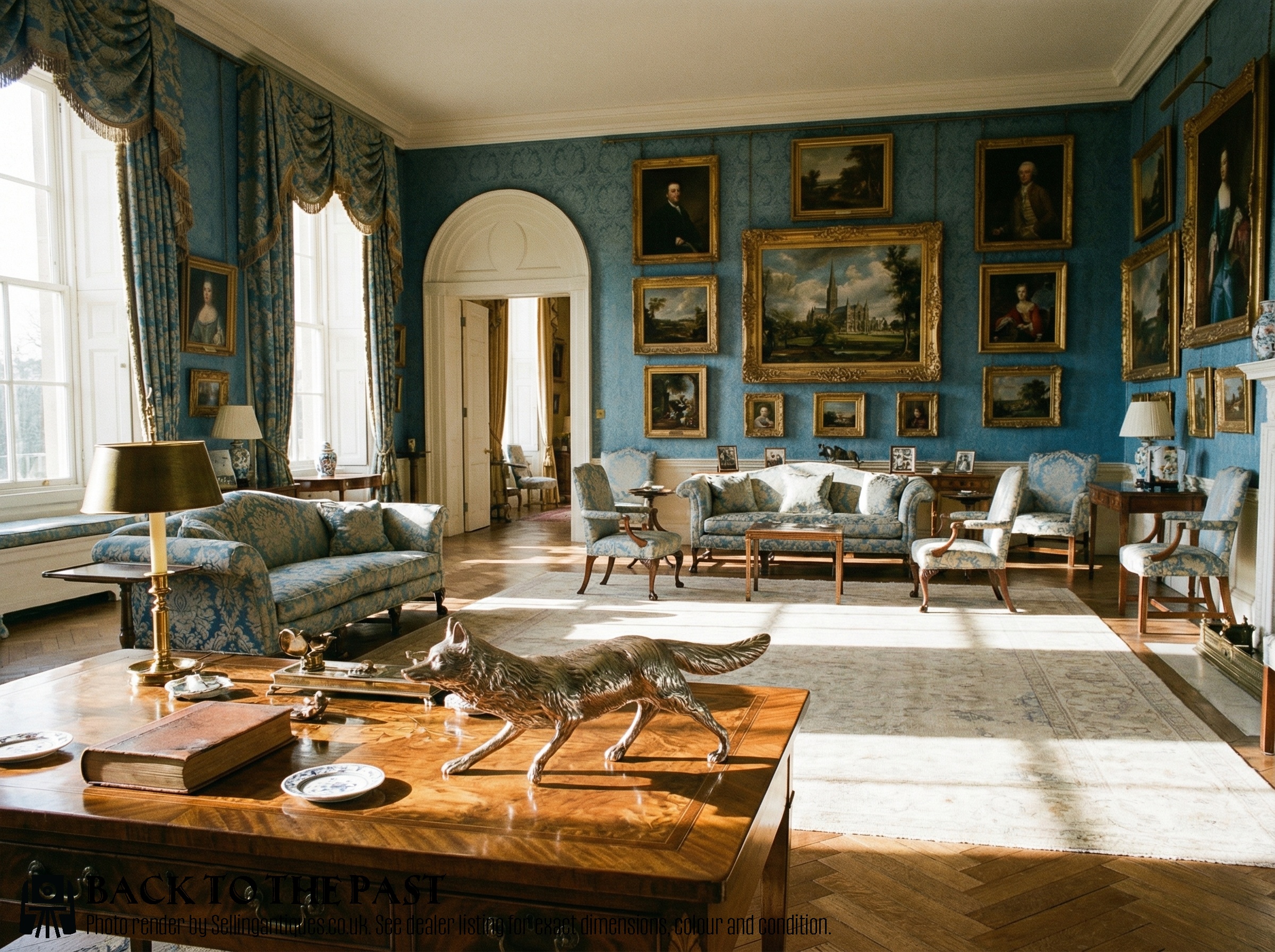
Silver Animal Figure
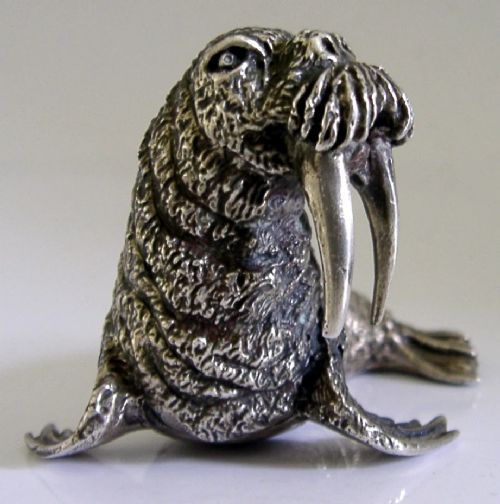
When you search for a silver animal figure, you are looking at small sculptures, table ornaments, and decorative figurines shaped as birds, mammals, and marine creatures. These pieces range from miniature pin cushions and pepper pots to substantial statues and presentation trophies.
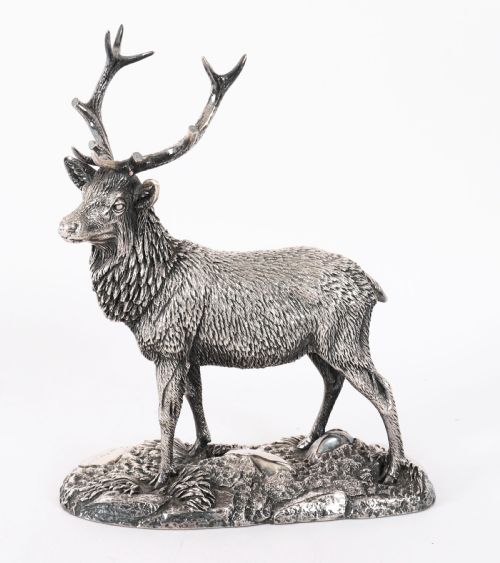
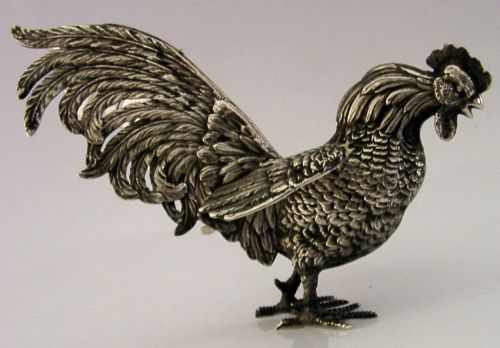
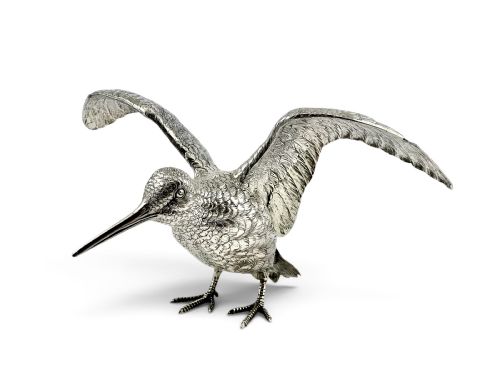
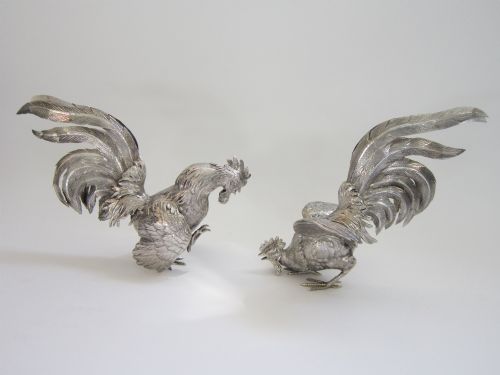
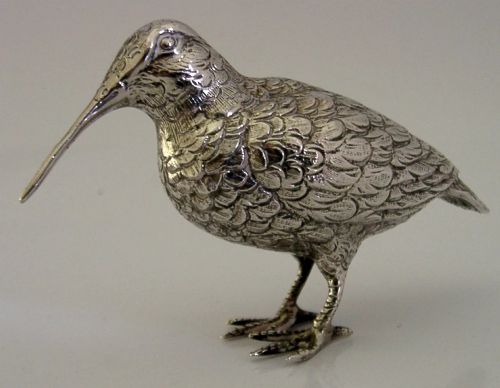
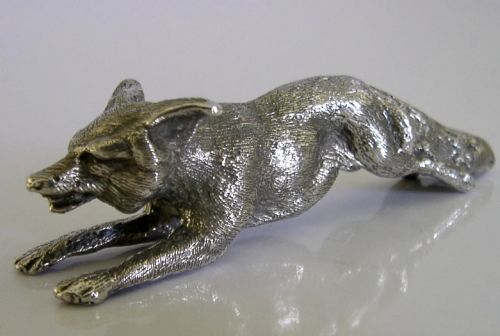
You are most likely to meet solid silver and sterling silver interpretations originating from British, European, and colonial workshops across the Victorian, Edwardian, and mid-century periods. Birds such as cockerels, pheasants, and woodcocks appear frequently alongside foxes, stags, and lions.
How They Were Made
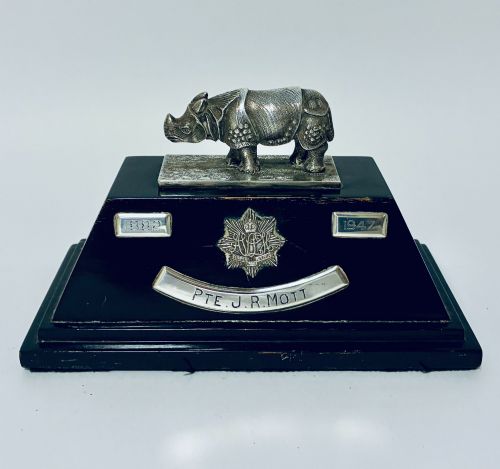
The pieces in these records combine solid silver, sterling silver, and silvered bronze, occasionally mounted on marble or ebonised wood bases. Workshops employed casting and detailed hand-chasing to render feathers, fur, and anatomical forms.
Continental makers often utilised lower silver standards such as 833 and 830 alongside standard sterling, while some animalier studies utilised bronze finished with a silvered surface.
Listings span Victorian, Edwardian, and mid-century periods, featuring materials from solid sterling silver to silvered bronze and ebonised wood.
What Varies in Quality
Quality rests in the precision of the casting and the crispness of the surface detail applied to the fur and plumage. The finest examples display careful observation of the subject's posture and musculature rather than a generic outline.
Substantial weight relative to size separates solid cast pieces from lighter constructions, while maker marks and clear import hallmarks add documentary clarity to the craftsmanship.
Tom Mackie·Karl Hagenaur·Mario Bucellati·Michel Decoux·Berthold Muller
The Silver Animal Figure Glossary
- Animalier
- A nineteenth-century artistic style focusing on realistic depictions of animals in motion or repose. It gained popularity across European bronze and silver foundries.
- Sterling silver
- A silver alloy containing 92.5 percent pure silver by mass, with the remainder consisting of other metals like copper. This standard forms the basis of most British table ornaments.
- Pin cushion
- A small domestic object incorporating a padded insert, often shaped as an animal to sit on a dressing table. Victorian versions frequently used silver animals with textile inserts.
- Hallmark
- A series of official marks stamped onto items to certify the metal purity, origin city, and year of production. These stamps provide the primary date evidence for antique pieces.
Silver Animal Figure: Frequently Asked Questions
What were silver animal figures used for?
These pieces served as decorative table ornaments, paperweights, pin cushions, and functional items like pepper pots. Many also functioned as presentation trophies for sporting and military events.
Larger sculptures occupied prominent spaces on sideboards and desks, bringing natural history subjects into the domestic interior.
How can I tell the period of a silver animal?
Hallmarks stamped directly onto the metal provide the most reliable guide to a piece's date and origin. British items carry town marks and date letters, while continental pieces often display standard purity numbers.
Stylistic cues such as the naturalistic animalier modelling of the nineteenth century or the clean lines of mid-century design also help narrow the timeframe.
Are all animal figures made of solid silver?
Not every piece consists entirely of solid metal, as listings include silvered bronze, silver-plated surfaces, and mixed media additions like marble and jade bases. Continental items frequently utilise 830 or 833 silver standards alongside British sterling silver.
Examining the weight and checking for hallmarks helps determine the exact material composition of an individual sculpture.
How should I clean antique silver figures?
Dusting with a soft cloth preserves the surface integrity and maintains the natural contrast in recessed details. Aggressive polishing removes the darker oxidation that defines feather and fur textures.
Keeping pieces away from direct moisture and handling them gently protects delicate elements such as chased plumage and applied whiskers.