





Silk Needlework Tapestry
Silk needlework tapestry comprises historic embroidered panels and pictorial pictures worked in fine threads, offering rich textures and traditional designs for interior display.
Silk Needlework Tapestry
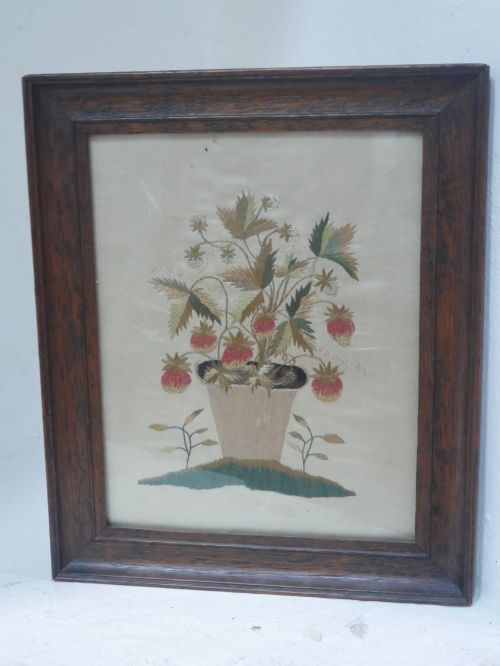
A silk needlework tapestry covers a broad spectrum of historic decorative textiles, ranging from English pictorial pictures and samplers to large Central Asian embroidered panels. Pieces span several centuries, with particular representation from the Georgian, Victorian, and nineteenth-century periods, alongside earlier seventeenth and eighteenth-century examples.
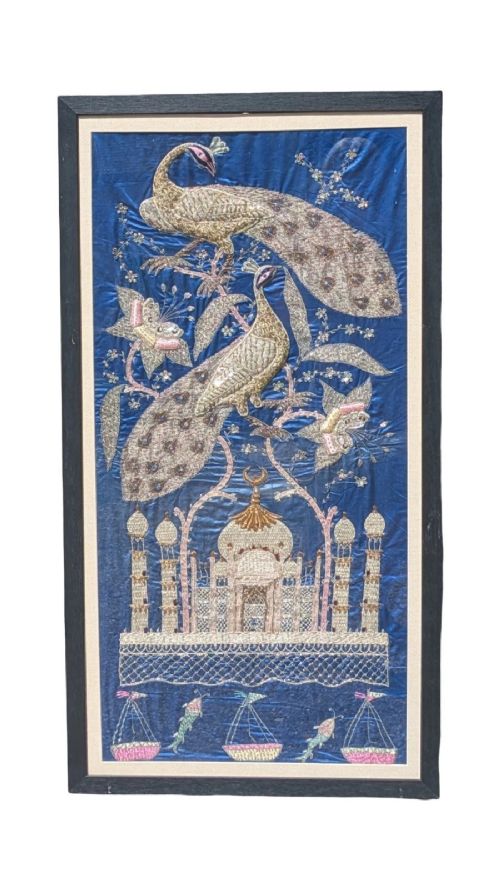
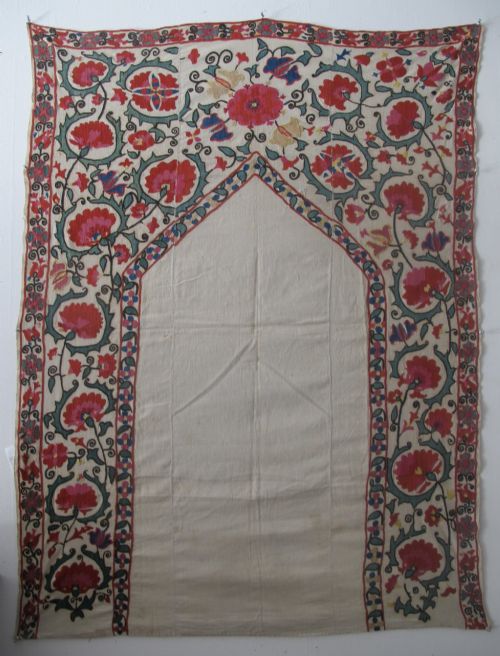
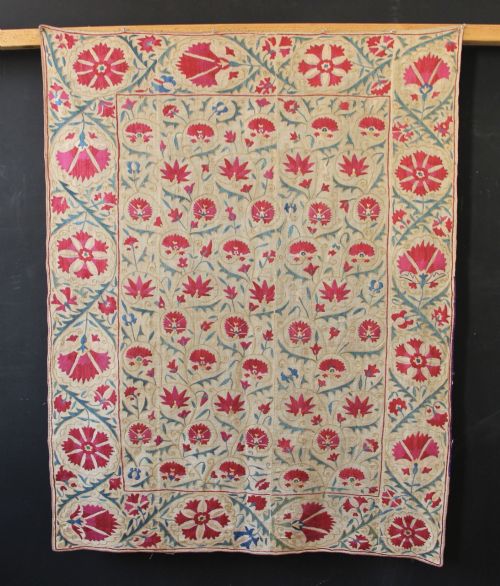
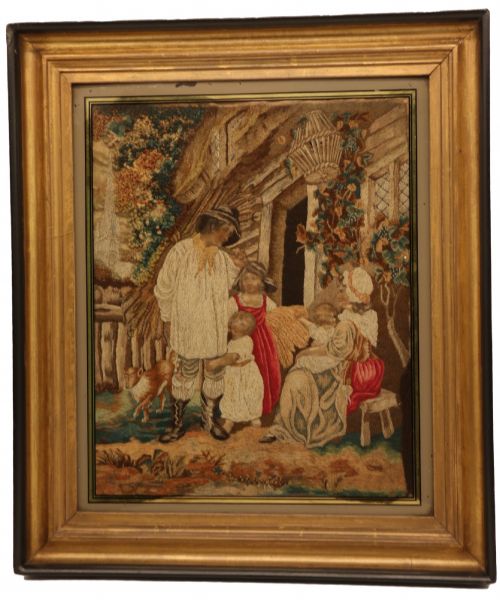
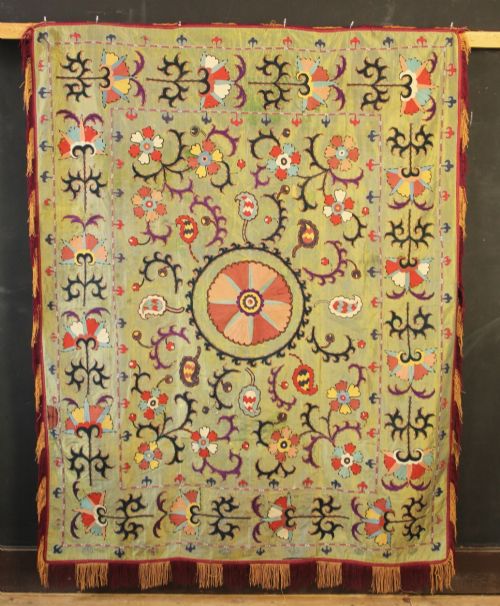
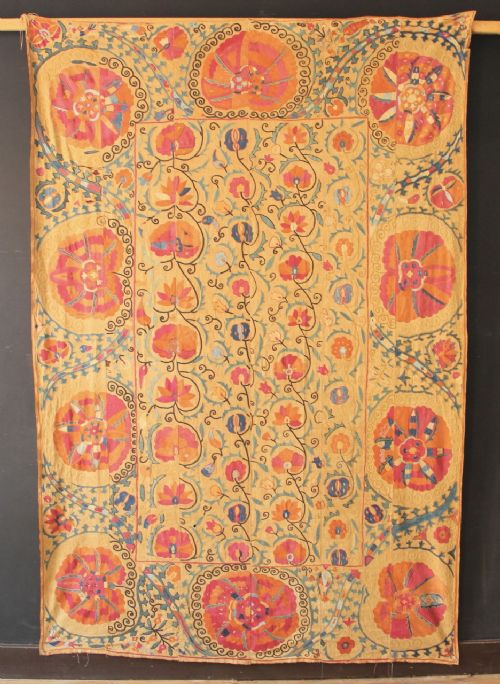
The selection includes framed English landscape and animal scenes, Dutch metal-thread embroidered panels, and vibrant Central Asian suzanis featuring traditional floral and architectural motifs. Buyers will also encounter ceremonial horse covers, fire screens, and cushion covers created across various global traditions.
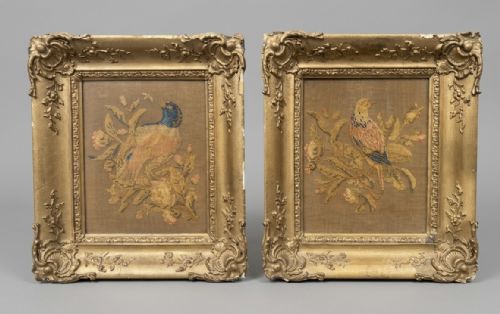
Most entries are designed for wall hanging or display, frequently presented within period frames such as giltwood or Verre Églomisé surrounds. The diversity of origins - from England and France to Uzbekistan, Persia, and Japan - provides collectors with distinct regional techniques and aesthetic styles.
Materials and construction methods
The creation of these textiles relies heavily on silk thread and ground fabrics such as linen, cotton, wool, and felt. Artisans employed specialised needlework techniques, including long stitch, crewel work, and intricate applique work, often combining silk with metal threads for added lustre.
Support structures varied according to function and origin, with many items mounted as framed panels, stretched over screens, or backed onto sturdy cotton and wool foundations. Frames incorporated carved wood, giltwood, and specialised glass decoration to protect the fragile textiles within.
Listings feature eighteenth-century French and English needlework panels alongside nineteenth-century pictorial woolwork and silk pictures.
Distinctions in craftsmanship and preservation
Quality in these pieces is dictated by the finesse of the needlework execution, the complexity of the design layout, and the harmonious selection of thread colours. Superior examples display dense, precise stitching and intricate pictorial composition rather than simple or repetitive motifs.
The condition of the silk and ground materials strongly influences the standing of a piece, particularly regarding thread retention and the integrity of the fabric base. Original framing, especially period surrounds like Verre Églomisé glass panels, further enhances the historical completeness of the object.
The Silk Needlework Tapestry Glossary
- Suzani
- A type of embroidered and decorative tribal textile made in Tajikistan, Uzbekistan, and other Central Asian countries. These large panels typically feature bold floral motifs on cotton or silk grounds.
- Sampler
- A piece of needlework produced as a demonstration or test of skill in various stitches, often featuring alphabets, numbers, and maker details. Many historic examples include dates and the age of the maker.
- Verre Églomisé
- A process of applying a design and gilding onto the rear face of glass to create a mirror-like or decorative border. This technique frequently appears on frames surrounding nineteenth-century pictures.
- Crest
- A heraldic design or emblem often incorporated into needlework panels and embroidered pictures. It denotes the lineage or ownership associated with specific historic commissions.
- Crewel work
- A type of embroidery utilising wool yarn on a heavy linen or cotton twill fabric. It allows for textured, multi-coloured designs popular in seventeenth and eighteenth-century pieces.
Silk Needlework Tapestry: Frequently Asked Questions
How were historic silk needlework panels displayed?
Many of these textiles were mounted in wooden frames to protect the delicate threads and hung on interior walls as pictorial art. Others served practical functions within the home, such as fire screens, cushion covers, or ceremonial furnishings.
Over time, fragile pieces transitioned primarily into decorative wall art. Today, collectors continue to frame them securely behind glass to shield the silk and metal threads from environmental damage.
What is the difference between a sampler and a pictorial picture?
A sampler focuses on demonstrating various stitching techniques, alphabets, and numbers, often recording the name and age of the maker. These pieces served as educational exercises in needlework.
In contrast, a pictorial picture portrays a specific scene, such as a landscape, animal study, or architectural view. These works function purely as decorative art rather than technical displays.
Where do Central Asian suzanis originate?
Suzanis are traditional embroidered textiles originating from regions such as Uzbekistan, including Bukhara and Shahrisabz. Families created them as part of dowry traditions, utilising bold silk embroidery on cotton or linen foundations.
These large panels typically feature central medallions and floral motifs symbolising health, fertility, and long life. Their vibrant red or neutral grounds make them distinctive additions to textile collections.
How can I identify the period of an embroidered textile?
Dating relies on examining the style of the stitching, the type of ground fabric, and any inscribed dates or maker signatures. Georgian and Victorian English works often depict specific domestic scenes, sporting events, or formal botanical studies.
Earlier seventeenth and eighteenth-century examples display distinct Baroque tastes or classical motifs. Material analysis, such as identifying the specific weave of the linen or cotton, also aids in establishing age.