



Silk Ikat Wall Hanging
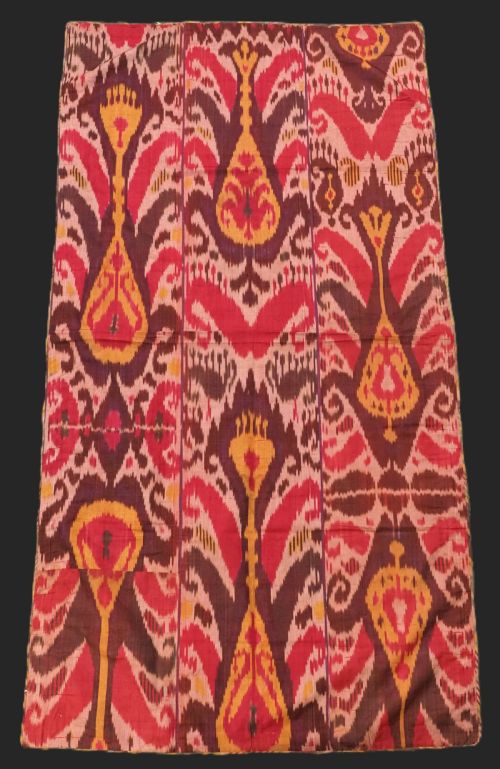
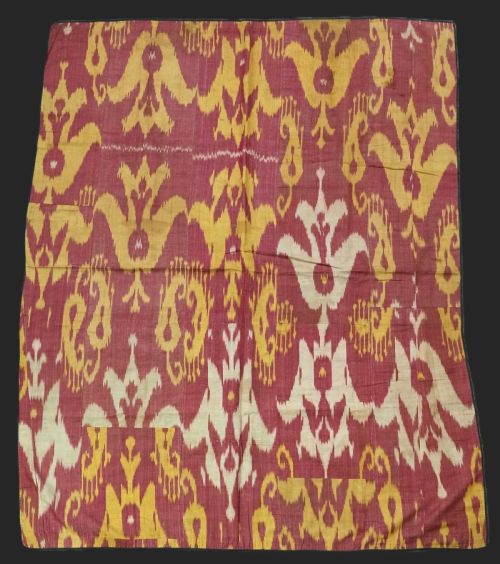
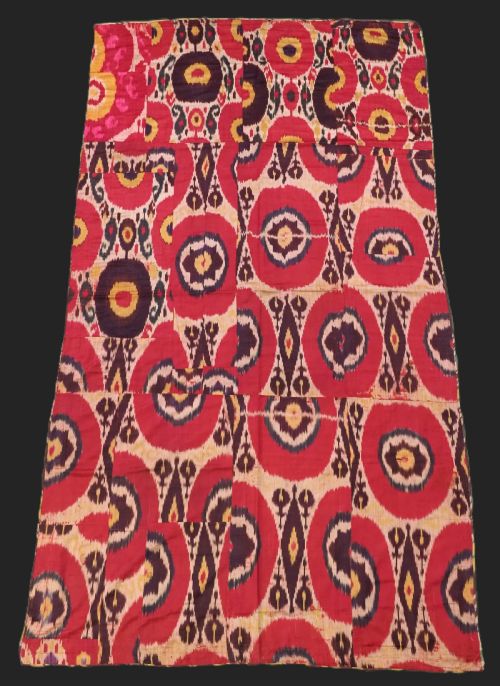
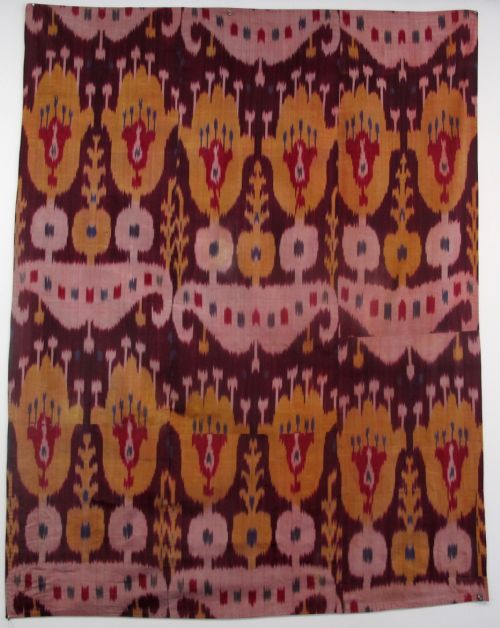
These silk ikat wall hanging pieces are vibrant textile panels and garments carrying the bold patterns of nineteenth century Central Asia.
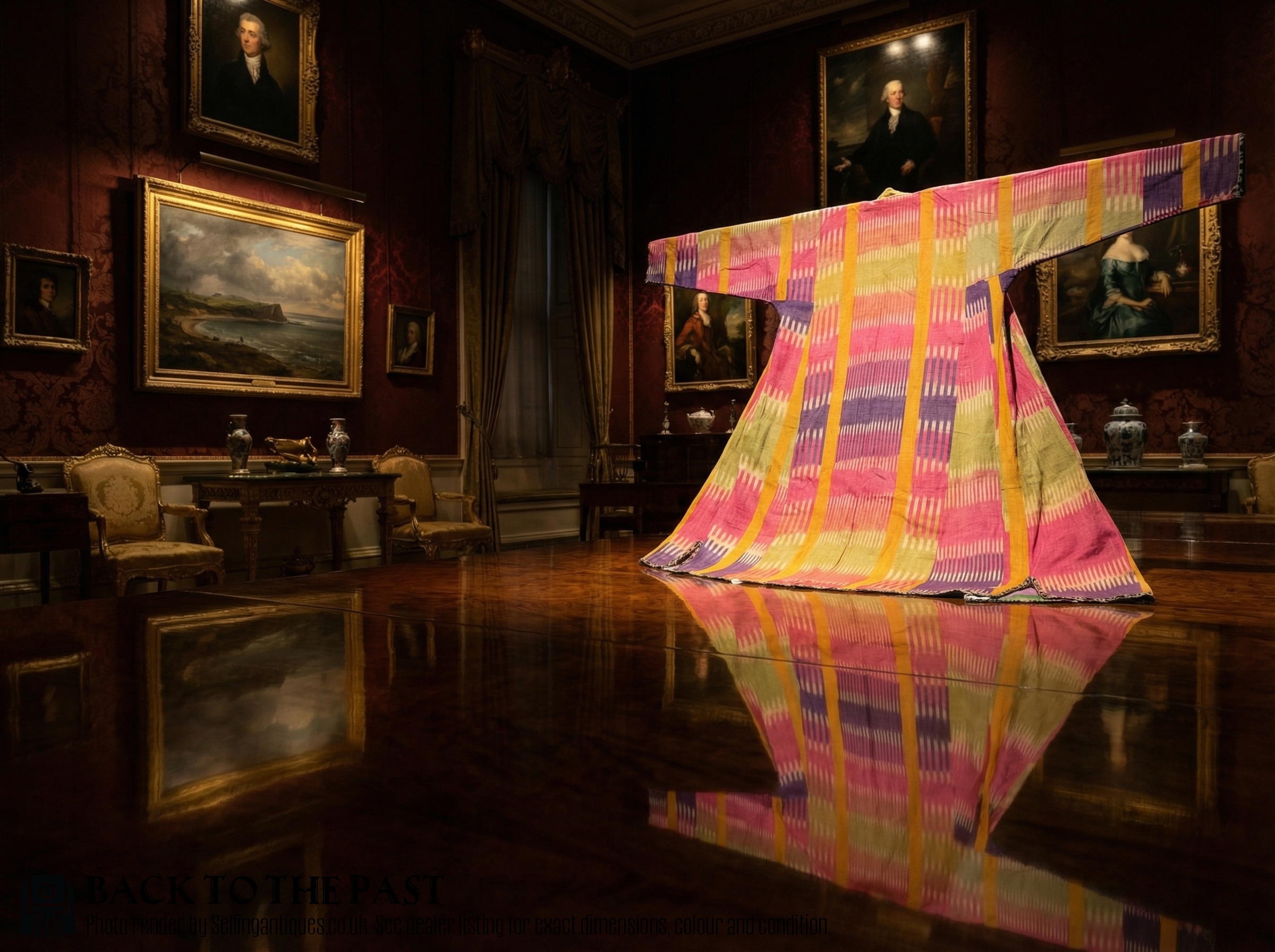
Silk Ikat Wall Hanging
A silk ikat wall hanging brings bold Central Asian colour and pattern into a room through antique textile panels or repurposed garments. When searching for a silk ikat wall hanging, buyers encounter nineteenth century Uzbek pieces originating from regions such as Bukhara and Samarkand.
The selection includes large fabric panels alongside traditional garments like coats and chapan robes adapted for display. These items showcase traditional Uzbek designs spanning the 1880s, 1890s, and around 1900.
Most examples function effectively as textile art and tapestries, bringing historic pattern and texture directly to interior walls. The panels display distinct regional styles that reflect the rich textile heritage of nineteenth century Central Asia.
Materials and construction
These textiles utilise silk and cotton yarns, often combined in semi silk adras fabrics or woven purely from silk. Artisans bound and dyed the warp threads prior to weaving, creating the characteristic blurred outlines along the pattern edges.
Many winter garments incorporate quilting and padding for structure and warmth. The intricate dyeing and weaving process required skilled hands to align the complex motifs across large fabric panels.
Some nineteenth century gentlemen stayed remarkably warm in winter by wearing quilted coats stuffed with layers of padding.
Assessing quality and character
Quality rests in the clarity of the dye work and the precision of the resist dyeing technique on the silk and cotton threads. Finer examples display sharper pattern definition and richer colour saturation across the panel.
The complexity and scale of the design also determine the distinction of a piece, alongside the condition of the historic fabric. Surviving panels and coats from Bukhara and Samarkand demonstrate varied artistic expression within traditional Uzbek craft.
The Silk Ikat Wall Hanging Glossary
- Ikat
- A dyeing technique where warp threads are bound and dyed before weaving to create intricate patterns. The resulting designs possess characteristic hazy outlines.
- Adras
- A traditional semi silk fabric woven with a silk warp and a cotton welt. This material appears frequently in nineteenth century Uzbek panels.
- Khalat
- A long, loose gentleman coat worn in Central Asia. These garments often feature striking silk ikat patterns.
- Chapan
- A quilted and padded winter coat from Uzbekistan. Such robes provide substantial structure when displayed as decorative textiles.
- Bukhara
- A historic city and major regional centre for textile production in Uzbekistan. Many surviving panels and coats originate from this area.
Silk Ikat Wall Hanging: Frequently Asked Questions
How do I hang a silk ikat panel?
Mounting a textile panel safely requires distributing the weight evenly across the top edge rather than piercing the fabric directly. A professional framer can stitch the textile onto a padded backing board covered in neutral cloth.
Alternatively, a sleeve can be hand stitched to the reverse side to slide over a slim wooden batten. This method supports the historic silk and cotton fibres without causing damage.
How old are these textiles?
The pieces available date from the late nineteenth century, specifically spanning the 1880s through to around 1900. This era represents a peak period for traditional Uzbek textile production.
Objects from this timeframe are attributed to workshops in regions like Bukhara and Samarkand. Their age is identified through material analysis, dye characteristics, and traditional weaving structures.
What is the difference between panels and coats?
Panels were woven specifically as decorative hangings or covers for domestic interiors. They offer large, continuous expanses of symmetrical or repeating ikat patterns.
Coats such as khalats and chapans were constructed to be worn as garments. When used as wall displays, these tailored pieces bring unique vertical lines and historical depth to a room.
How do I care for antique silk ikat?
Preserving antique textiles involves protecting them from direct sunlight to prevent the natural dyes from fading. Dust should be removed gently using a low suction vacuum with a mesh screen.
Keeping the environment stable in terms of humidity helps maintain the integrity of the silk and cotton fibres. Professional textile conservators should handle any major cleaning requirements.