
Central Asian Silk Hanging
When you search for a central asian silk hanging, you step into a rich tradition of vibrant embroidery and woven textile panels from nineteenth and early twentieth-century workshops.
Central Asian Silk Hanging
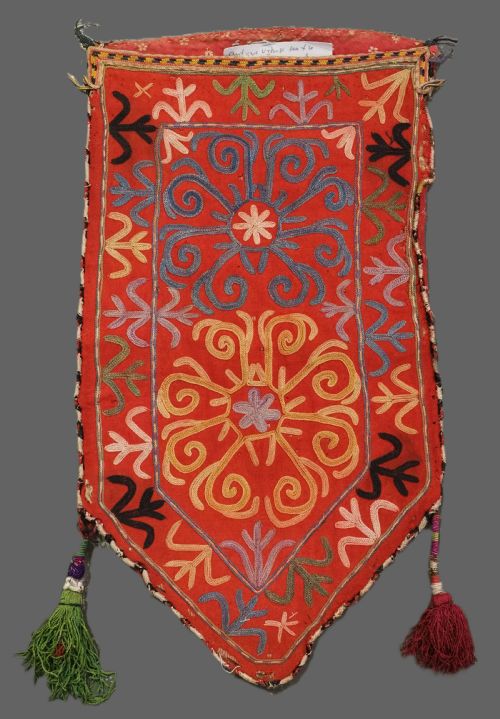
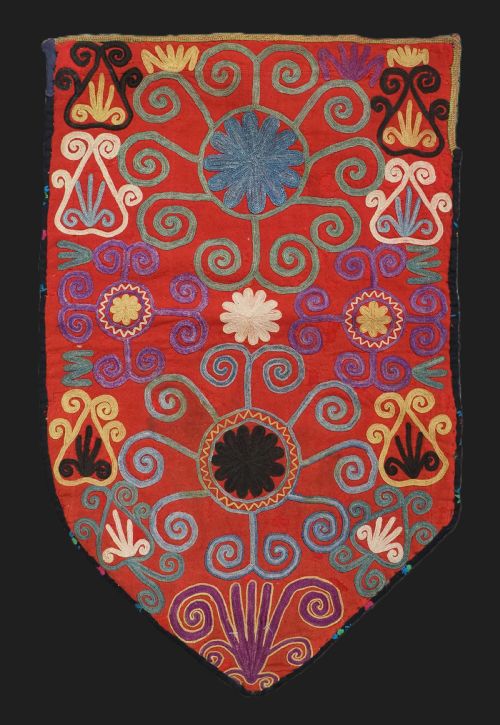
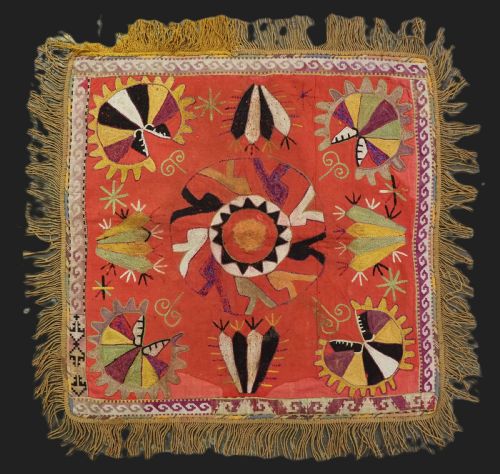
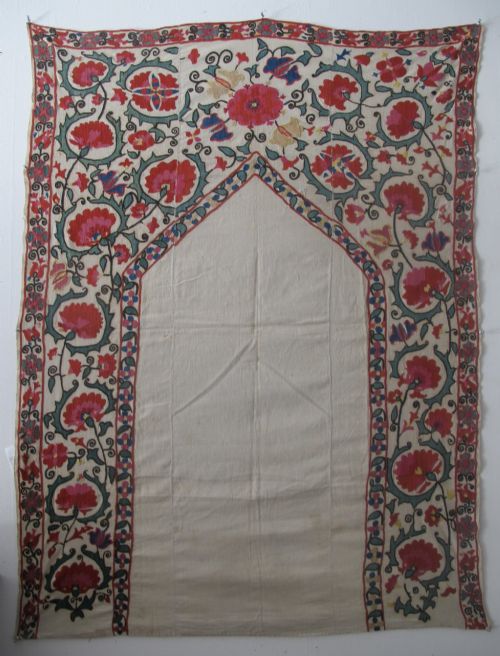
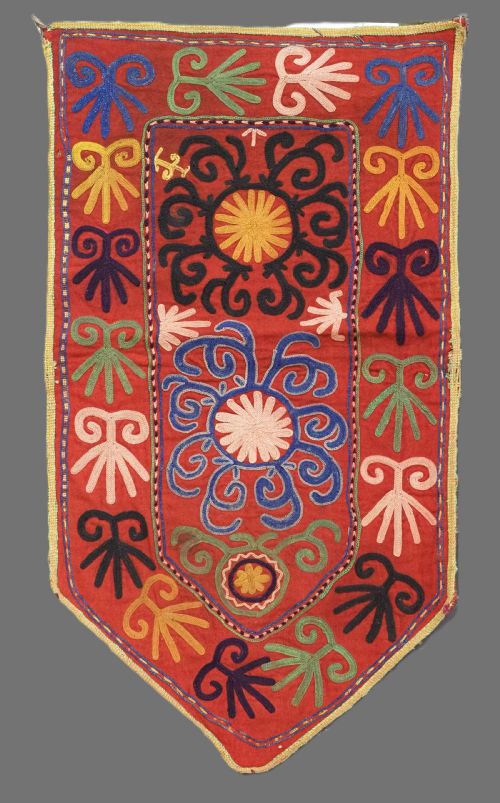
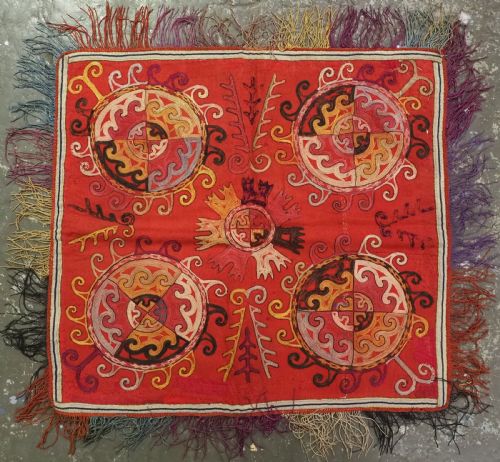
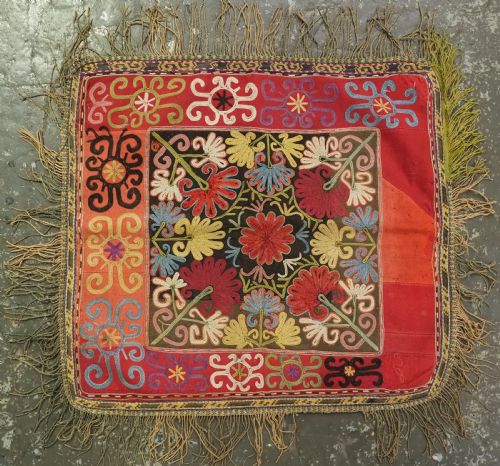
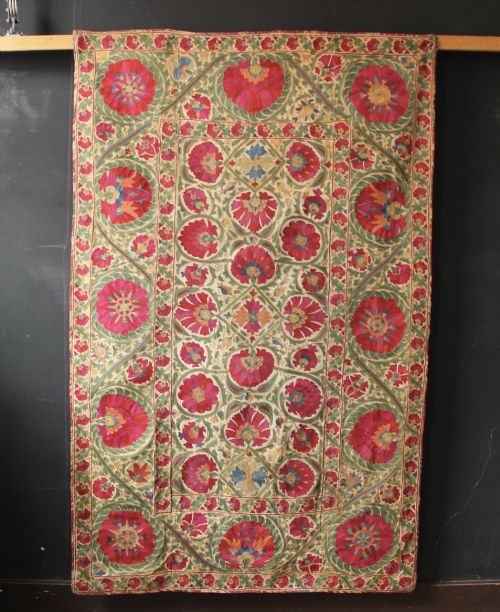
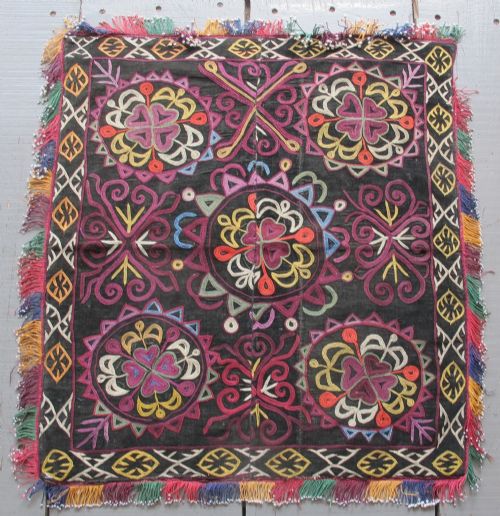
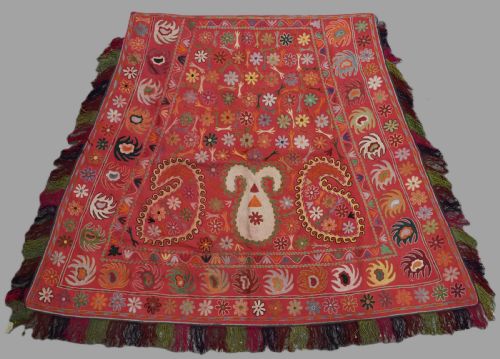
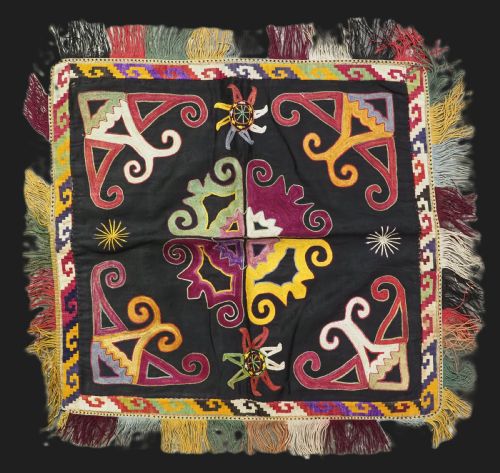
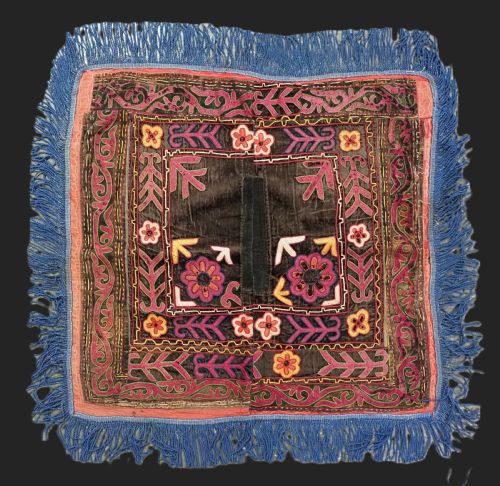
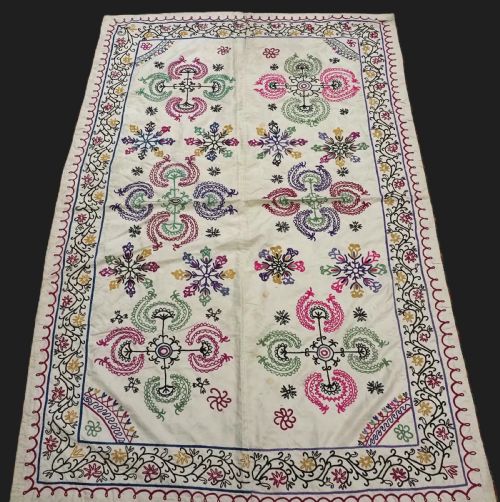
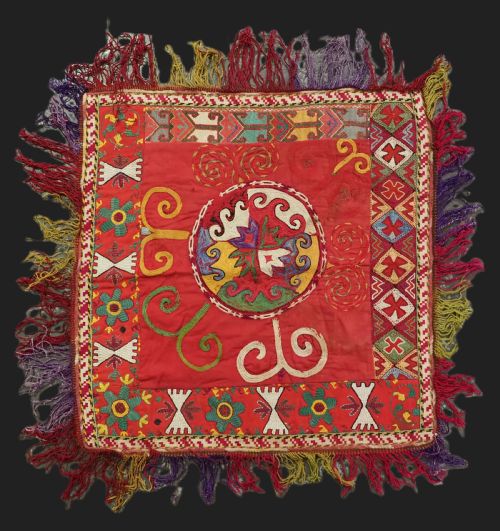
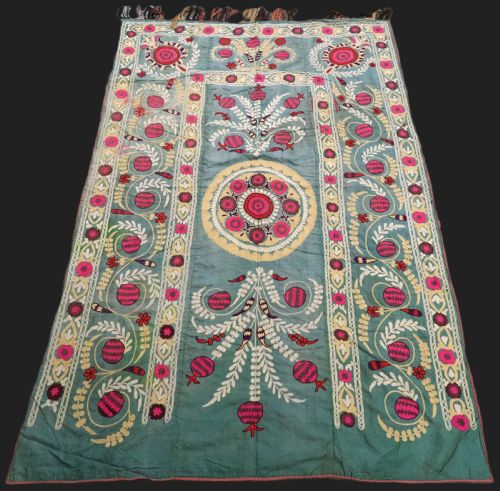
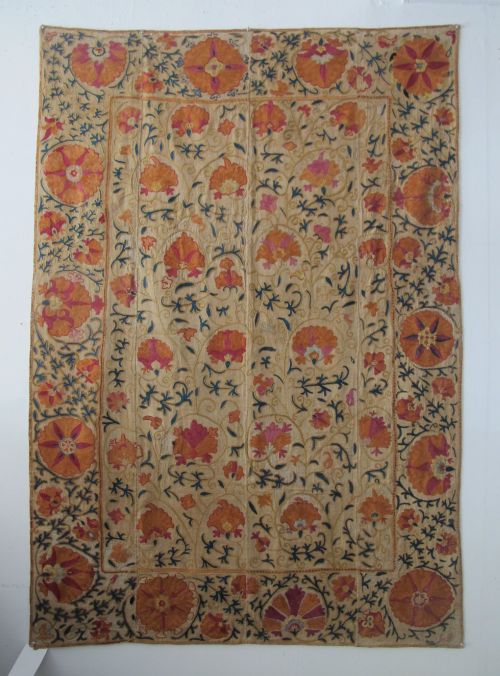
A central asian silk hanging encompasses traditional dowry embroideries, ceremonial horse covers, and decorative wall panels originating from Uzbekistan and surrounding regions. These works include suzanis, ilgiches, and ikat fabric panels created by tribal groups such as the Lakai and Uzbek makers.
The pieces on this page span the mid-nineteenth century through the early twentieth century, showing regional varieties from Bokhara, Samarkand, Nurata, and Ura Tube. Forms range from large medallion variant suzanis down to smaller mirror covers and bed covers.
Domestic and ceremonial contexts shaped these textiles, functioning as protective household hangings, wedding dowry items, or garments repurposed for display. Buyers encounter rich floral motifs, geometric tribal patterns, and architectural designs executed across diverse formats.
Materials and Technique
Artisans constructed these textiles using silk thread, cotton, and wool, frequently working onto grounds of silk, wool felt, or mogul red wool. Materials like glass beads also appear as highlights on specific tribal pieces.
Needlework techniques dominate the suzani and ilgich categories, deploying silk embroidery stitches to build dense botanical and geometric compositions. Ikat panels utilise resist-dyeing methods on semi-silk adras fabrics before weaving.
Padding and quilting techniques reinforce garments like chapan coats and specific hanging panels for structural durability. These combined textile methods yield richly textured surfaces with distinct regional colour palettes.
Listings span periods from the mid-nineteenth century up to the 1930s, featuring silk, cotton, wool, and glass beads.
Variations in Quality
The density and precision of the silk thread embroidery dictate much of the visual impact across these textiles. Finer pieces demonstrate meticulous needlework handling complex floral medallions and architectural layouts without crowding.
The condition and integrity of the ground fabric, whether silk, cotton, or red wool felt, influence the structural strength of the panel. Superior examples maintain vibrant dye saturation and stable foundational textiles despite their age.
Compositional balance and the crispness of ikat resist-dyed patterns separate standard output from masterworks. The artistic expression found in tribal pieces like Lakai ilgiches relies on spontaneous, dynamic placement of geometric motifs.
The Central Asian Silk Hanging Glossary
- Suzani
- A large embroidered wall hanging or decorative textile from Central Asia, traditionally worked in silk on a cotton or linen ground. These pieces often feature bold floral and medallion designs.
- Ikat
- A dyeing and weaving technique where yarns are resist-dyed prior to being woven into fabric, creating characteristic feathered edges along the pattern motifs. Adras fabrics combine silk and cotton in this technique.
- Ilgich
- A specific form of Central Asian embroidery used for wall hangings or dowry items, frequently associated with the Lakai tribe. They display distinct tribal geometric patterns.
- Uut Kap
- A storage bag or hanging panel traditionally used in nomadic dwellings, often elaborately decorated with embroidery. Examples frequently originate from Lakai makers.
- Khalat
- A traditional long coat or robe worn in Central Asia, often fashioned from rich silk ikat fabric. These garments occasionally appear as textile panels or collectible display pieces.
- Nim Suzani
- A smaller scale version of the traditional suzani embroidery, often square or compact in format. These pieces serve well as compact wall displays.
Central Asian Silk Hanging: Frequently Asked Questions
How do I hang a vintage textile?
Mounting requires non-damaging methods such as a custom fabric sleeve stitched to the reverse to hold a lightweight rod. Alternatively, professional framing behind conservation glass protects delicate silk and wool surfaces from dust and handling.
Avoid hanging textiles in direct sunlight or damp environments to preserve natural dye pigments and prevent fibre degradation over time.
What is the difference between a suzani and an ikat?
A suzani is primarily an embroidered textile where artisans stitch silk threads onto a woven ground fabric by hand. These pieces showcase elaborate needlework motifs like medallions, flowers, and architectural elements.
An ikat is a woven textile created by resist-dyeing the warp threads before the piece goes onto the loom. This technique produces characteristic blurred pattern edges rather than embroidered textures.
How do I clean a silk hanging?
Surface dust should be removed gently using low suction through a mesh screen without pressing down on the embroidery. Professional textile conservators should handle any deeper cleaning needs.
Water or chemical spot cleaning can cause dyes to run and weaken fragile historical silk threads and wool felt grounds.
Where were these pieces made?
Makers across historical centres in modern-day Uzbekistan produced these textiles, with specific regions like Bokhara, Samarkand, Nurata, and Shakrisabz developing distinct aesthetic traditions. Nomadic and semi-nomadic groups, including the Lakai tribe, created their own recognisable styles.
Urban workshops focused on large floral suzanis, while tribal makers favoured geometric and zoomorphic embroidery motifs.