


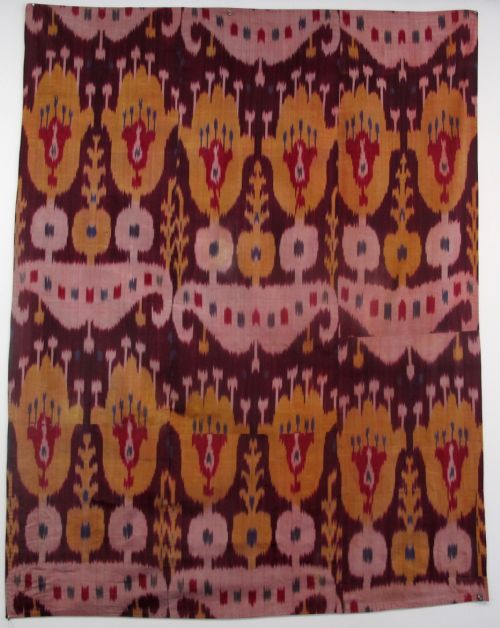


Vintage Ikat Textile
These vintage ikat textile pieces bring striking Central Asian and Indonesian patterns into modern interiors through rich woven panels and traditional garments.
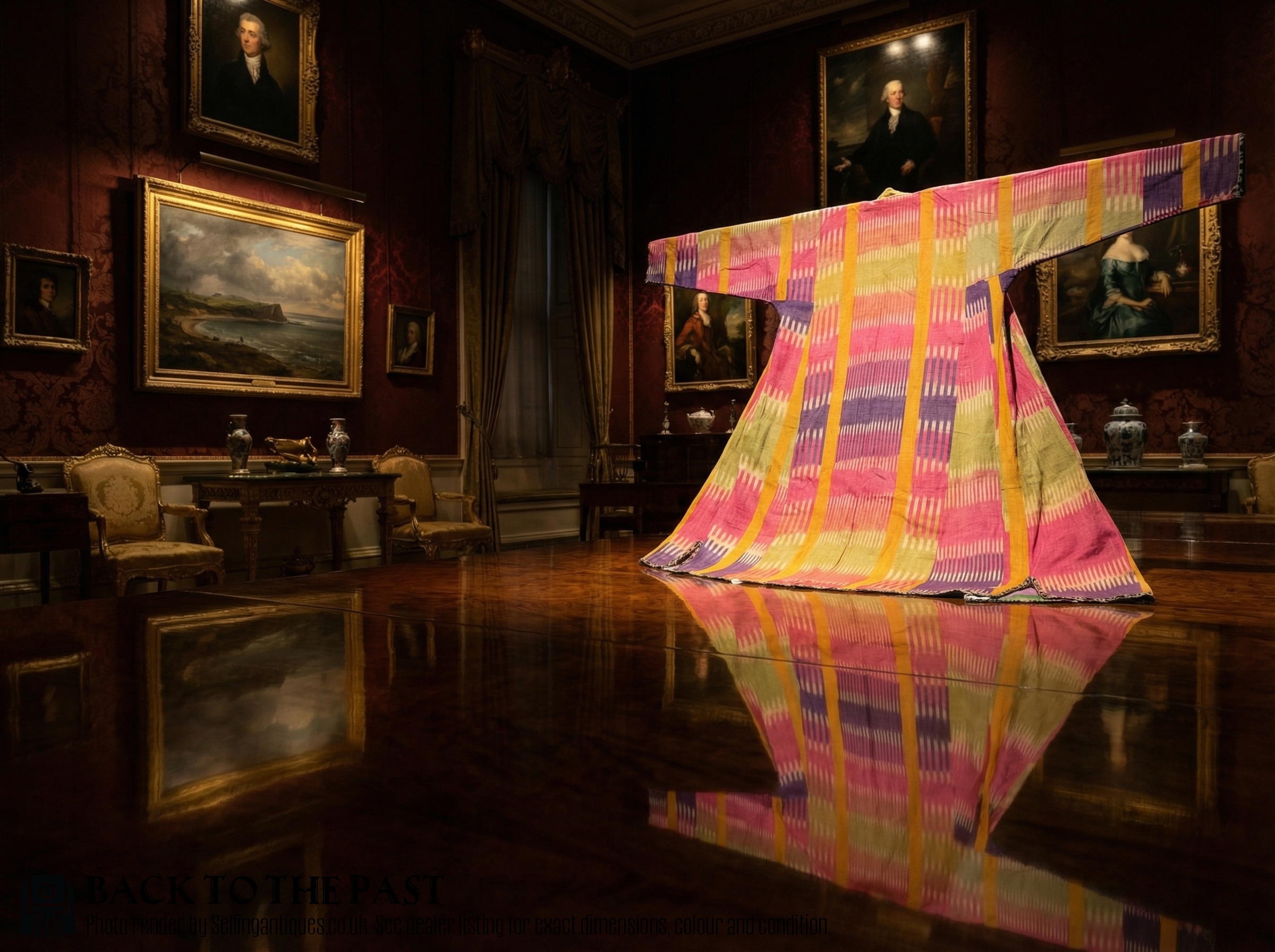
Vintage Ikat Textile
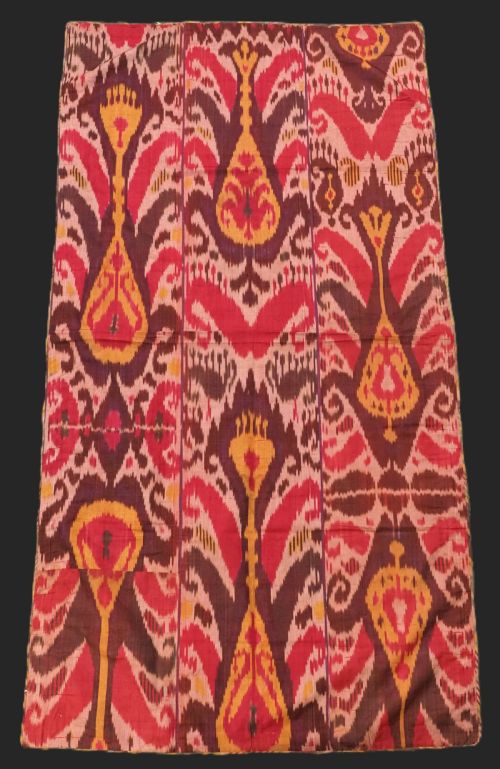
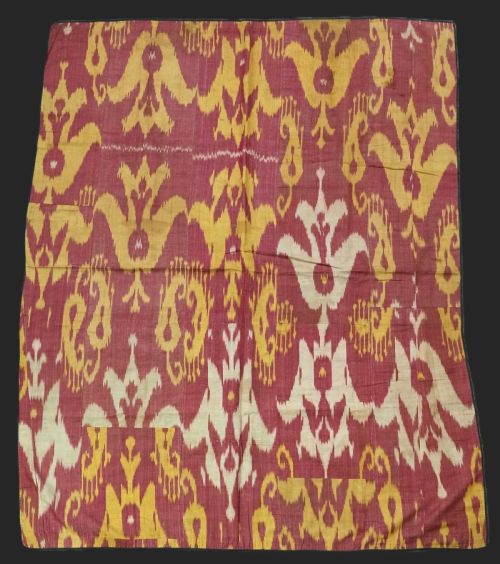
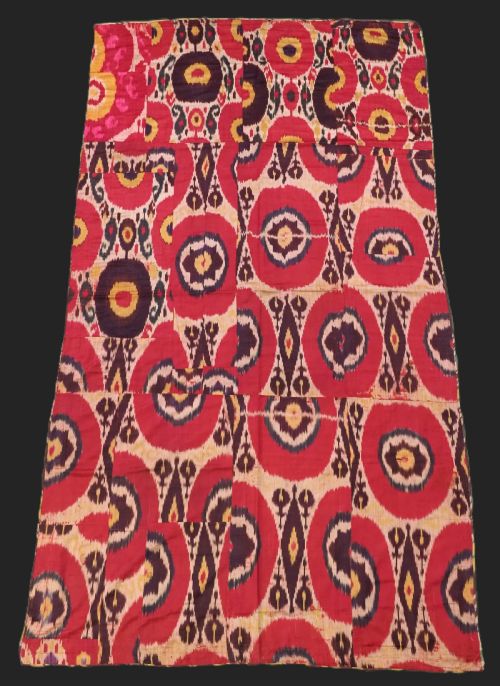
When you search for a vintage ikat textile, you encounter colourful hand-woven panels and garments originating primarily from Central Asian regions such as Uzbekistan and Bukhara. The selection centres heavily on Uzbek panels and traditional gentleman coats known as khalats or chapan robes.
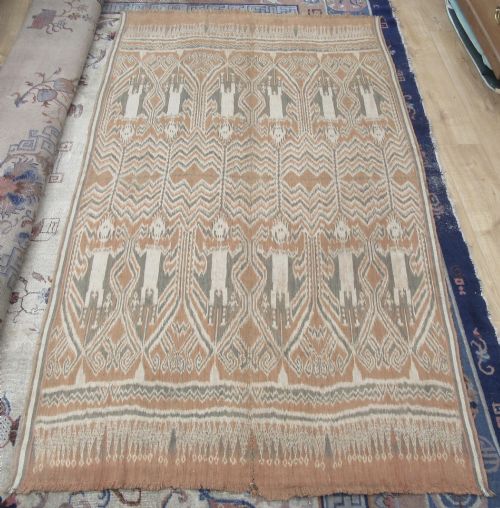
Beyond large wall hangings and coats, smaller items such as purses and bags appear alongside Indonesian tribal examples. Pieces range across the late nineteenth century, predominantly dated around 1880, 1890, and 1900.
How they were made
These textiles rely on complex resist-dyeing techniques applied to warp threads before weaving, creating the characteristic blurred pattern edges. Makers utilised natural materials including silk, cotton, handspun cotton, semi silk adras, wool, and occasionally glass beads for embellishment.
Garments like winter coats received quilting and padding for structure and warmth. Panels were woven on traditional looms, yielding durable fabrics designed for practical use or ceremonial wear.
Listings span the late nineteenth century, concentrating heavily on pieces dated between 1880 and 1900 from Uzbekistan and Indonesia.
What varies in quality
Quality depends upon the precision of the resist-dyeing process and the complexity of the pattern alignment across the woven fabric. Finer examples display intricate motifs with sharp colour separation and dense fibre construction.
The choice of materials also dictates standard, with pure silk or semi silk adras creations offering greater sheen than simpler cotton versions. Condition, scale, and regional weaving density further distinguish exceptional panels from standard items.
The Vintage Ikat Textile Glossary
- Ikat
- A dyeing and weaving technique where threads are tie-dyed before being set on the loom to create patterns. The blurred edges characteristic of the style arise from slight shifts during the weaving process.
- Adras
- A traditional fabric woven with a silk warp and a cotton weft. This hybrid textile combines the lustre of silk with the durability of cotton.
- Khalat
- A traditional long coat or robe worn across Central Asia. These garments were often fashioned from vibrant ikat fabrics and lined with cotton.
- Torba
- A small storage bag produced by Turkmen tribal groups. They frequently feature traditional geometric or ikat-influenced designs.
- Chapan
- A quilted and padded outer robe worn during winter months. These garments provided substantial warmth while displaying rich surface patterns.
Vintage Ikat Textile: Frequently Asked Questions
How should I hang a vintage ikat textile panel?
Large panels suit wall display when mounted using a non-damaging sleeve or supported evenly along the top edge to distribute weight. Avoid direct sunlight to protect the natural dyes from fading over time.
Ensure the mounting method allows the textile to hang flat without pulling individual threads or straining the historic weave.
Are vintage ikat coats wearable?
Many garments remain structurally sound for gentle wear, though historic textiles require careful handling due to their age. Most owners choose to display them as textile art rather than daily attire.
Storage should involve breathable covers and dry conditions to preserve the integrity of the silk, cotton, and quilting materials.
How do I date a vintage ikat textile?
Dating relies on assessing the types of dyes used, the weave structure, and the specific regional tailoring of garments or panels. Pieces from the late nineteenth century often show distinct handspun cotton bases and characteristic natural colour palettes.
Comparing structural details with documented examples from regions like Bukhara and Samarkand helps narrow the production period.
What is the difference between adras and pure silk ikat?
Adras incorporates a blended construction utilising a silk warp and a cotton weft, offering a robust texture. Pure silk ikat relies entirely on silk threads throughout the warp and weft for a lighter drape and higher sheen.
Both materials were common in nineteenth-century Central Asian weaving workshops.