





Signed British Oil Artwork
Signed British oil artwork offers a direct connection to the hand of the artist through authenticated canvas and board compositions.
Signed British Oil Artwork
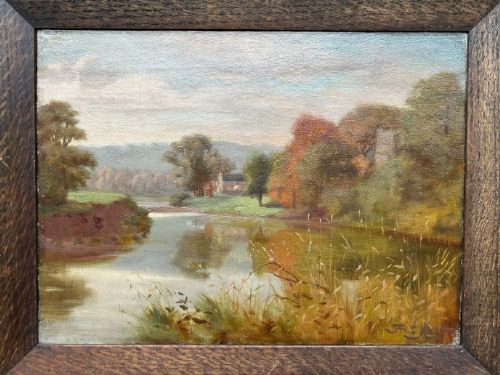
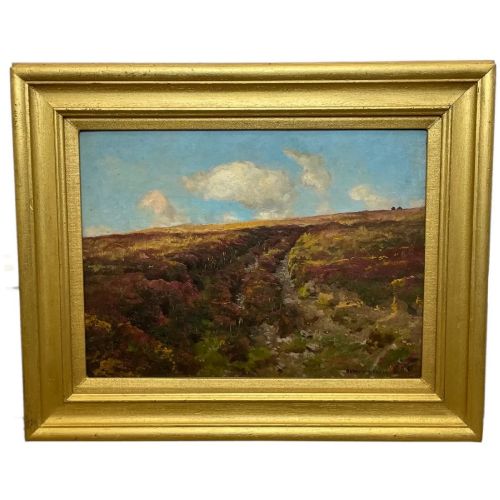
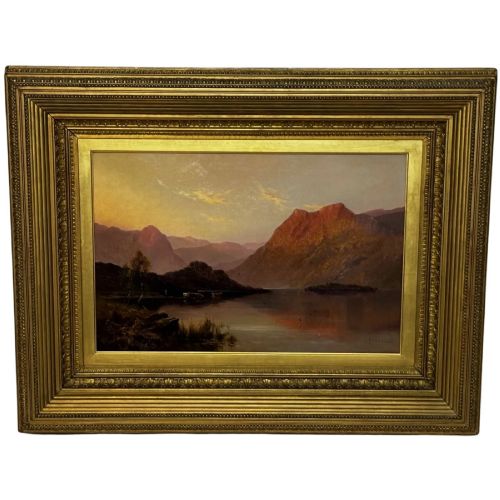
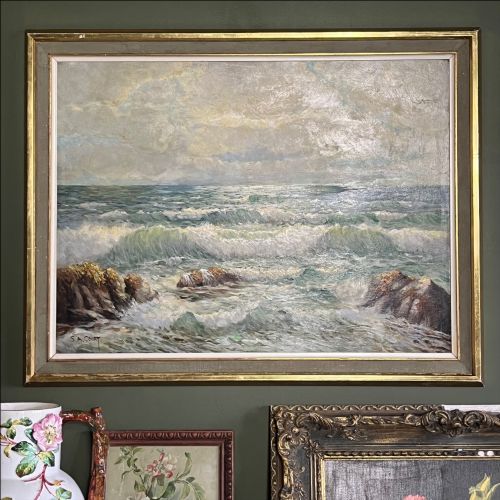
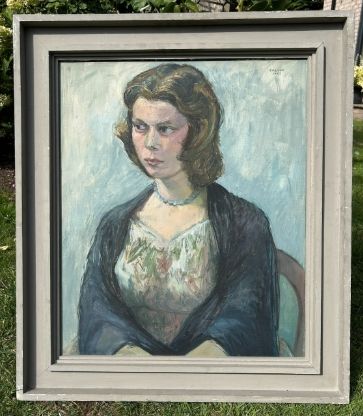
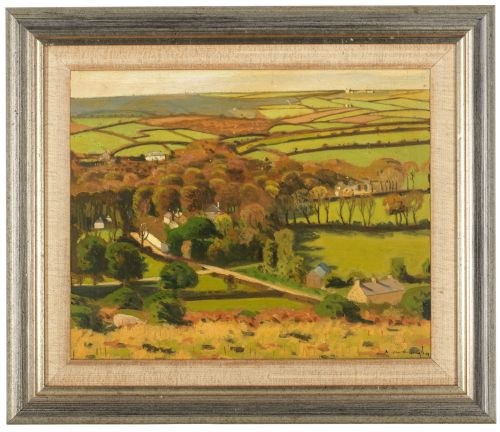
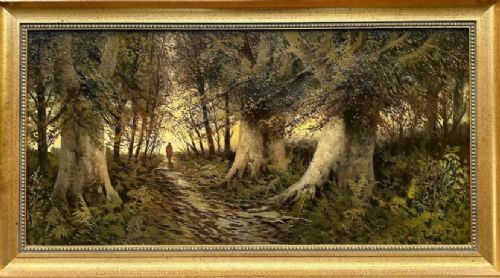
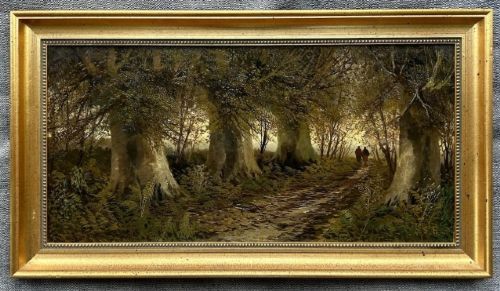
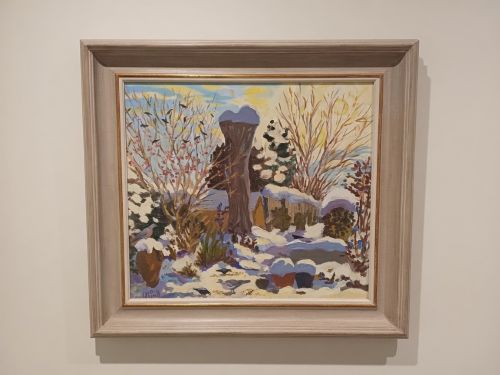
Signed British oil artwork encompasses paintings created across the nineteenth and twentieth centuries by artists working within regional landscapes, portraits, and maritime scenes. Buyers seeking signed British oil artwork will encounter everything from Victorian pastoral views to mid-century industrial compositions.
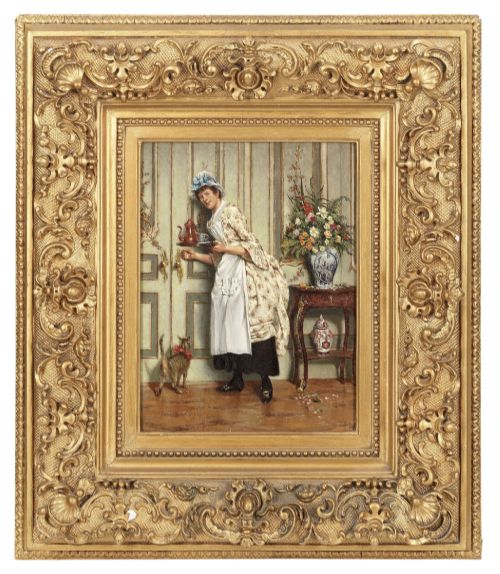
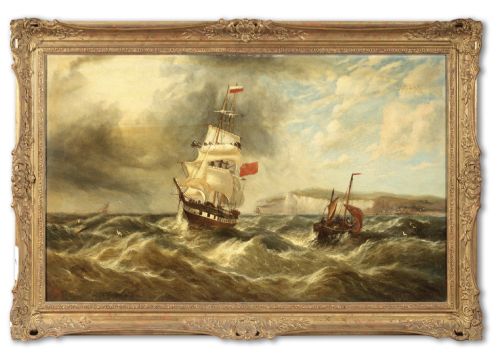
The range on this page spans traditional rural settings with cattle or sheep, coastal harbours, and domestic interiors. These paintings typically arrive framed in period surrounds like giltwood, preserving the physical history of the maker's hand.
How They Were Made
These works rely primarily on oil paint applied to stretched canvas, wooden panels, or rigid board supports. Artists built depth through successive layers of pigment, occasionally utilising thick impasto techniques to create texture on the surface.
Supports were selected according to scale and portability, with board and wood panels favouring outdoor plein air studies, while large canvases suited detailed studio portraiture and expansive landscape views.
Several canvases capture cows, sheep, and hunting dogs observing the British countryside with remarkable patience.
What Varies in Quality
Quality in these paintings rests upon the surety of the brushwork, the balance of composition, and how successfully the artist captured light and atmosphere. Stronger examples display confident handling of pigment that defines form without heavy reliance on preliminary drawing.
Condition of the original paint layer and the integrity of the support also separate works. Pieces retaining their undisturbed pigment surface and original framing demonstrate superior preservation compared to those requiring extensive stabilisation.
Kenneth Cozens·William H Myers·Tom Campbell·William Howard Hardy·Frederick Marriott·Arthur Wardle·Alfred Fontville de Breanski Jr·Sidney A Court·Stephen Samuel Lewin·John Rose Miles·Robert Morson Hughes·Thomas W Lascelles·Lucy Pratt·Mark Ingram·Bernard Benedict Hemy·Herbert Ashwin Budd·Eric Brown·Trajan Hughes·Edgar Hunt·Charles James McCall·Vernon DeBeauvoir Ward·John Emms·Owen Bowen·Sir David Murray·Winifred Turner
The Signed British Oil Artwork Glossary
- Canvas
- A heavy woven fabric stretched across a wooden frame to serve as a painting support. It provides slight spring under the brush.
- Impasto
- Paint applied thickly to a canvas or board, standing out in relief from the surface. This technique adds visible texture and catches light.
- Plein air
- Painting outdoors in direct natural light to capture immediate atmospheric conditions. Artists often used small portable boards for this method.
- Giltwood
- Wood carved and covered with a thin layer of gold leaf or gold-coloured metal powder. It forms traditional decorative frames for historical paintings.
- Provenance
- The documented history of ownership surrounding a work of art. It establishes authenticity and traces the journey of the piece through time.
Signed British Oil Artwork: Frequently Asked Questions
How do I identify the signature?
Signatures are typically located in the lower corners of the canvas or board, rendered in a contrasting tone of oil paint. Examining the handwriting helps connect the work to known regional artists.
Fading or indistinct signatures require careful viewing under natural light to discern initials or dates recorded by the painter.
What subjects are most common?
Landscapes dominate the selection, ranging from Scottish highlands and river valleys to coastal Cornish scenes. Portraiture and animal studies also appear frequently.
Artists frequently documented rural working life, agricultural scenes, and maritime vessels operating off British shores during the nineteenth and twentieth centuries.
Should I reframe an antique oil?
Original period frames, particularly giltwood examples, contribute historic context and value to the artwork. Preserving the mounting keeps the piece in its intended historical state.
Replacement should only occur if the current structure threatens the physical safety of the canvas or panel within.
How do I care for canvas paintings?
Keep oil paintings away from direct sunlight and dramatic shifts in household temperature or humidity. Stable environments prevent the canvas from sagging and the paint from cracking.
Dust the surface gently with a soft, dry brush without applying moisture or cleaning solvents to the pigment.