




Signed Art
When you search for signed antique art, you are looking for original works bearing the personal mark of their creator.
Signed Art
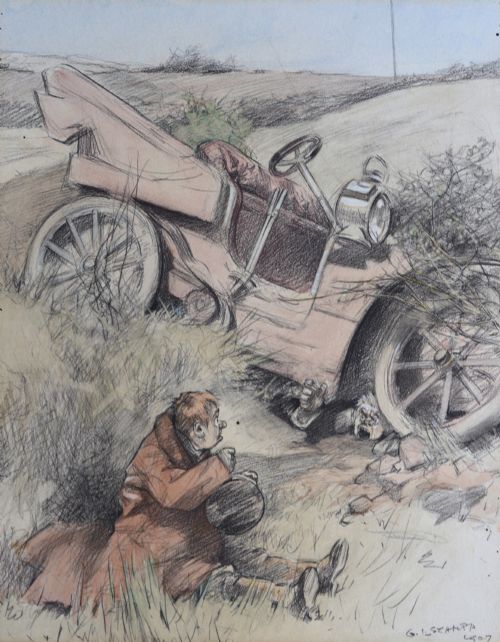
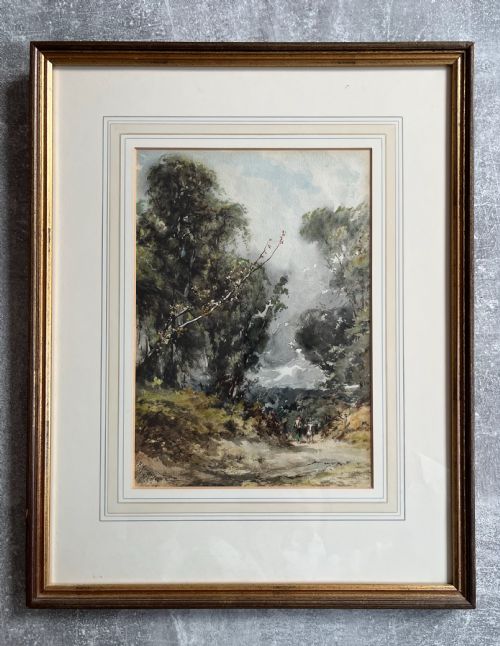
Signed antique art encompasses original paintings, watercolours, drawings, and etchings produced across the nineteenth and early twentieth centuries. These pieces carry the verified signature, monogram, or initials of the artist, connecting the viewer directly to the hand of the maker.
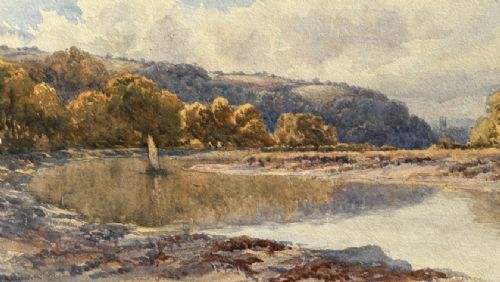
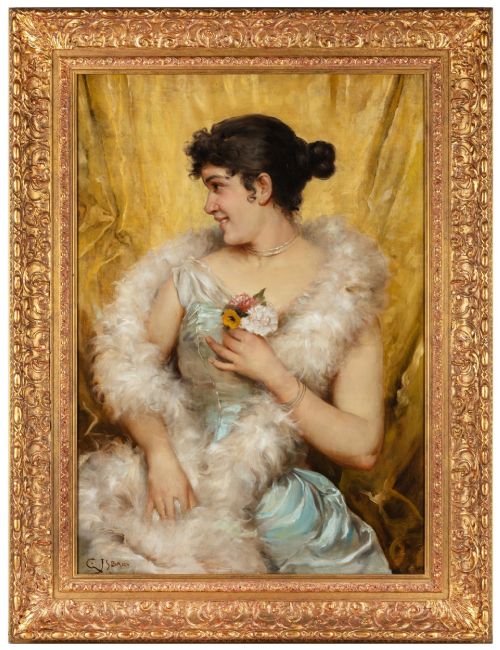
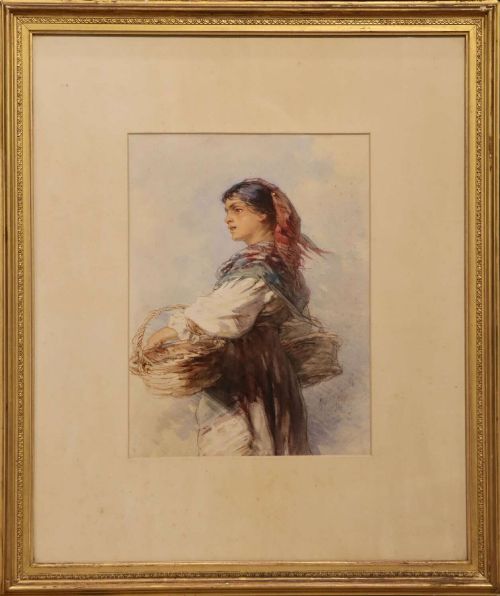
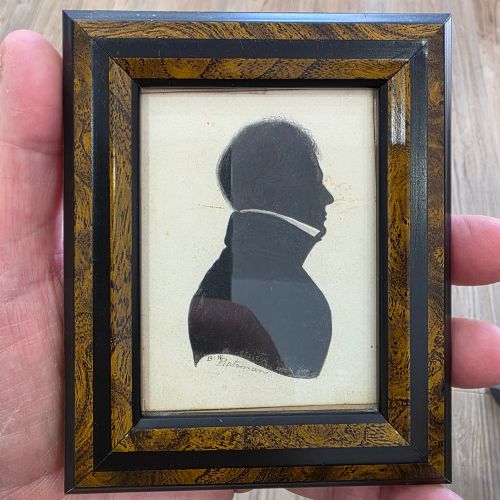
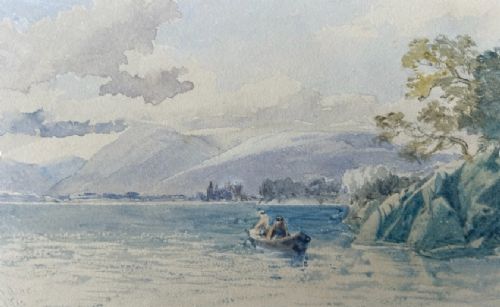
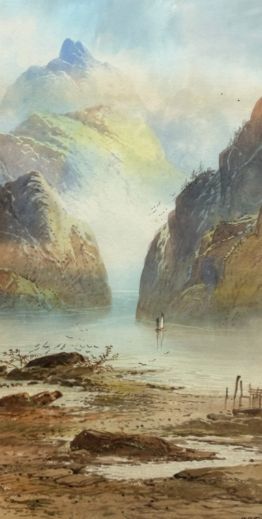
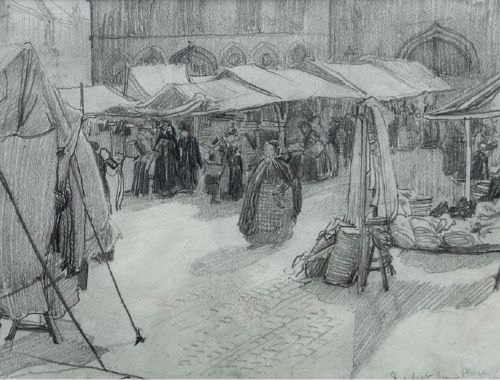
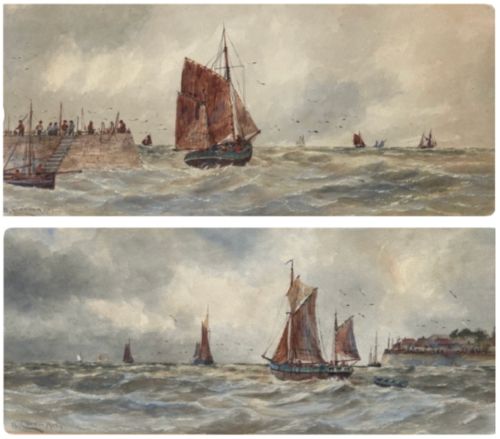
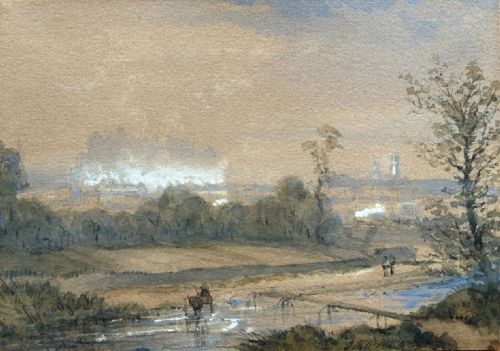
The selections available here range from detailed Victorian landscapes and maritime watercolours to early twentieth-century impressionist oil paintings and pencil drawings. Subjects frequently feature British and European rural scenery, coastal views, and intimate portrait studies.
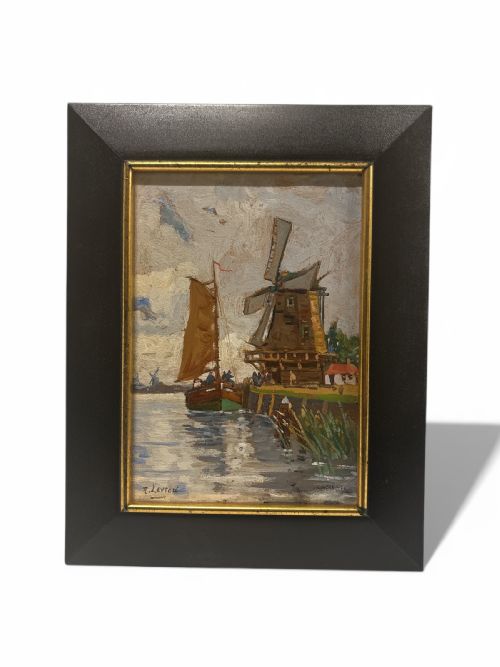
Buyers most commonly encounter watercolours on paper and oil paintings on canvas or wood panel dating from the Victorian and Edwardian eras. These works typically retain their period frames, ranging from simple wooden mouldings to ornate gilt gesso designs.
How They Were Made
Artists of these periods worked primarily with oil paint on stretched canvas or prepared wood panels, and watercolours applied to heavy rag paper. Ink, pencil, and gouache were also utilised frequently for preparatory sketches and detailed studies.
Pigments were mixed by hand or sourced from established colourmen, providing the rich, stable hues visible in these surviving works. Canvases were secured with traditional tacks and framed in timber constructions often finished with layered gesso and gilding.
Several artists hid their signatures among blades of grass and ripples in the water.
What Varies in Quality
Quality in signed antique art rests upon the surety of the drawing, the handling of the medium, and the fidelity of the composition. A master's brushwork shows decisive control and atmospheric depth, whereas lesser works remain stiff and formulaic.
The clarity and placement of the artist signature also influence the standing of a piece, particularly when accompanied by dates, titles, or inscriptions that anchor the work in the creator's documented output.
George Lorain Stampa·George Fotherly Hargitt·Thomas Miles Richardson Jnr·James Orrock·William Henry Earp·Henry Percy Huggill·William Cannon·John R Prentice·William H Myers·Tom Campbell·William Howard Hardy·Frederick Marriott·Arthur Wardle·Robert Heinrich·Sir William Nicholson·A Mitchell·A Marie Parsons·Alfred Fontville de Breanski Jr·R Leyton·W Klombeck·B Nash·George Houston·William Banks Fortescue·Stephen Samuel Lewin·John Rose Miles
The Signed Art Glossary
- Watercolour
- A painting method in which the paints are made of pigments suspended in a water-based solution. The paper support remains partially visible to create luminosity.
- Gesso
- A plaster-like mixture applied to wood panels or frames to prepare a smooth surface for painting or gilding. It is often moulded into decorative relief patterns.
- Monogram
- A motif made by overlapping or combining two or more letters to form a single symbol. Artists frequently used these initials to sign works discreetly.
- Impasto
- The process of laying down paint thickly on an area of the surface so that it stands out from it. Brush or palette knife strokes remain clearly visible.
- Provenance
- The chronology of the ownership, custody, or location of a historical item. A clear record enhances the historical value of signed works.
Signed Art: Frequently Asked Questions
How do I care for antique watercolours?
Keep watercolours away from direct sunlight to prevent the pigments and paper from fading over time. Display them in rooms with stable humidity and temperature levels.
Ensure framing is executed with acid-free materials to protect the paper edges from yellowing or chemical degradation.
Why are some works signed with initials?
Artists often used monograms or combined initials for smaller studies, sketches, or works intended for private exhibition. This practice was common across both the Victorian and Edwardian periods.
Matching these ciphers against known exhibition records and stylistic traits helps confirm the identity of the creator.
What is the difference between an etching and a watercolour?
An etching is a print created by biting lines into a metal plate with acid before applying ink and pressing it onto paper. A watercolour is a unique, direct painting executed manually with brush and pigment.
While watercolours are singular creations, etchings were frequently produced in numbered or unnumbered editions.
How should I display framed oil paintings?
Hang oil paintings on interior walls away from heat sources such as radiators or fireplaces that cause the wood panels or canvas to warp. Ensure the fixings securely support the combined weight of the artwork and its heavy period frame.
Period oil paint benefits from gentle dusting with a soft, dry brush rather than liquid cleaning solutions.