







Shiraz Wool Runner
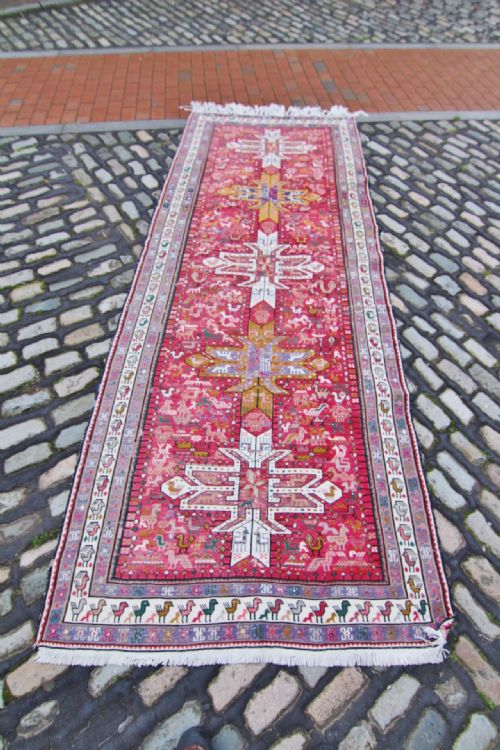
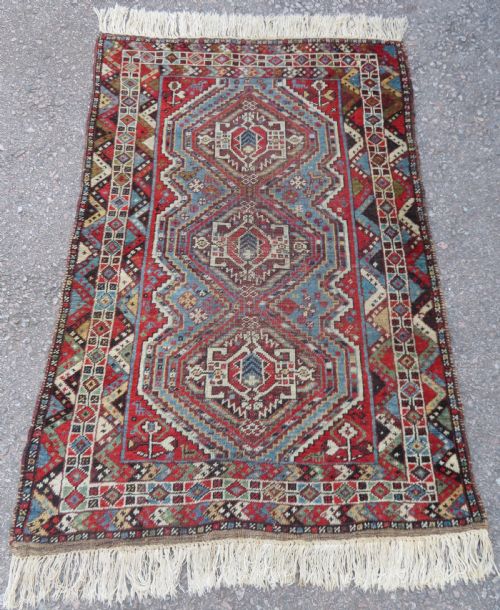
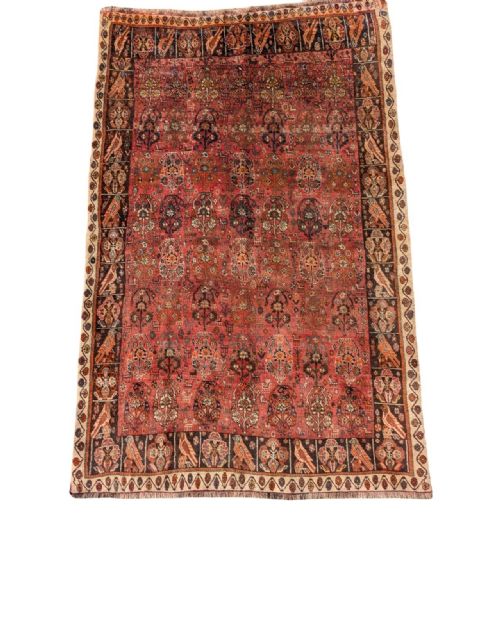
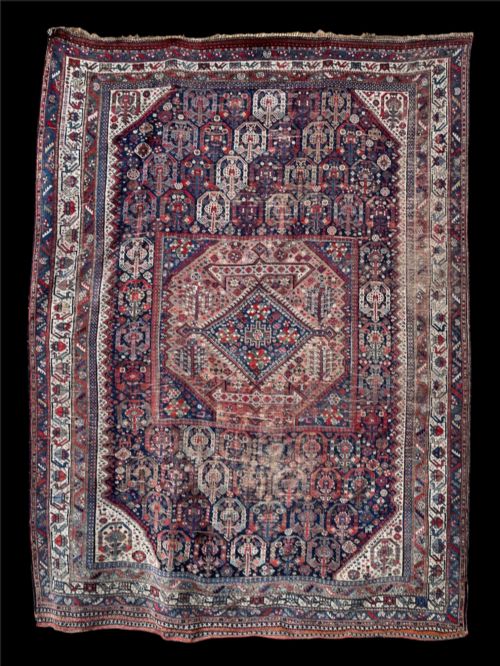
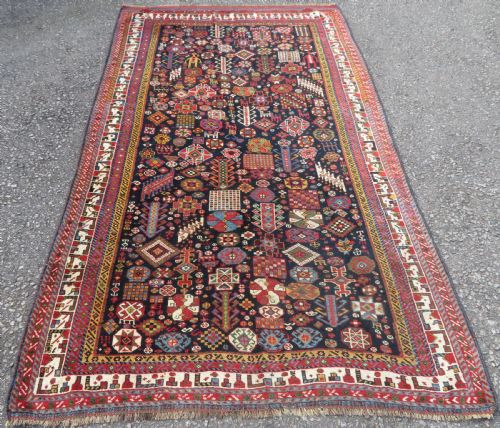
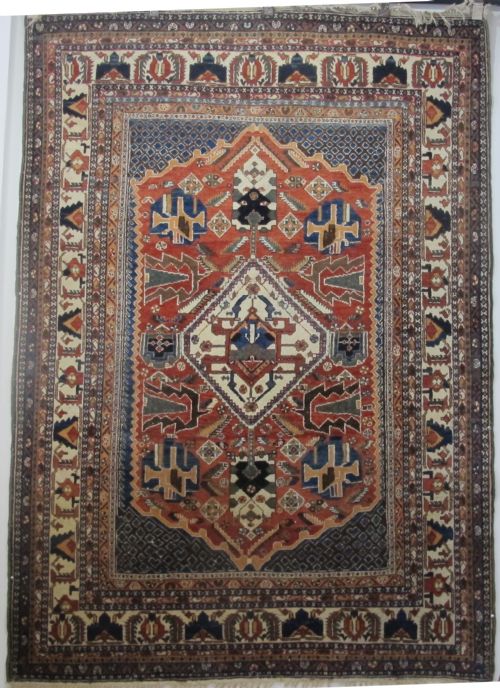
These shiraz wool runner pieces bring rich South Persian nomadic character into a hallway, offering robust wool and striking tribal patterns that anchor a room.
Shiraz Wool Runner
A shiraz wool runner sits within the broader category of South Persian tribal and nomadic weaving, often produced by the Qashqai and Khamseh confederacies. When searching for a shiraz wool runner, a buyer encounters hand-knotted village and tribal carpets spanning the nineteenth century through the early decades of the twentieth century.
The objects on this page include formats ranging from compact rugs to longer runner rugs and main carpets. Pieces feature traditional centre medallions, tribal motifs, and distinctive geometric designs woven by nomadic groups in South Persia.
How they were made
These textiles rely on wool foundations and pile, frequently combined with cotton elements. Weavers utilised natural dyes to achieve deep colour palettes that endure across decades of use.
The construction is hand-knotted, reflecting traditional village and nomadic techniques passed down through generations in the Persian tribal regions.
Shiraz Wool Runner Retail Price Guide 2026
Typical asking prices for shiraz wool runner among the pieces listed under this phrase on Sellingantiques today, from the lower quarter to the upper quarter. They describe what is for sale here now, not the wider market.
Nomadic weavers occasionally worked outdoors on ground looms, leaving tiny desert pebbles permanently trapped deep within the foundation knots.
What varies in quality
Quality in these textiles depends on the density of the knotting and the fineness of the wool used in the pile. Tighter structures and better-preserved natural dye variations separate the finer examples from standard village production.
The clarity of the tribal motifs and the overall handling of the centre medallion design indicate the skill of the weaver and the relative standing of the piece within its tribal tradition.
The Shiraz Wool Runner Glossary
- Shiraz rug
- A South Persian woven textile originating from or marketed through the city of Shiraz, typically produced by surrounding nomadic and village tribes.
- Qashqai
- A confederation of nomadic pastoralist tribes in Iran known for producing distinctively patterned tribal rugs with geometric motifs.
- Khamseh
- A confederation of five tribes in South Persia whose weaving shares stylistic traits with neighbouring nomadic groups.
- Centre medallion
- A prominent decorative motif placed in the middle of the rug field, frequently seen in Persian traditional carpets.
- Natural dyes
- Colourants derived from plant, insect, and mineral sources used by traditional weavers before the widespread adoption of synthetic alternatives.
Shiraz Wool Runner: Frequently Asked Questions
Where should I place a runner?
A runner works best in high-traffic hallways, corridors, or narrow entryways where its elongated format guides movement through the home.
Ensure you use an appropriate underlay to keep the wool textile stable on hard flooring.
How do I clean an old wool rug?
Gentle surface brushing and professional specialist cleaning are recommended for antique wool carpets to protect the natural dyes and pile.
Avoid soaking the cotton and wool foundation or using harsh chemical detergents.
Are these pieces genuinely old?
The inventory spans the nineteenth century up to the 1930s, featuring traditional hand-knotted construction methods characteristic of that era.
Examination of the wool, dyes, and wear patterns helps confirm the period of production.
What is a tribal design?
Tribal designs consist of geometric patterns, stylized animals, and repeating symbols created from memory by nomadic weavers rather than formal paper cartoons.
These motifs often carry cultural meanings specific to groups like the Qashqai or Khamseh confederacies.