



Shiraz Tribal Carpet
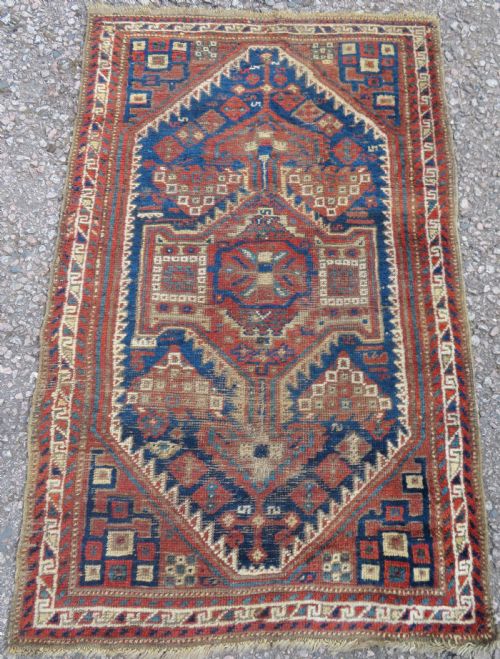
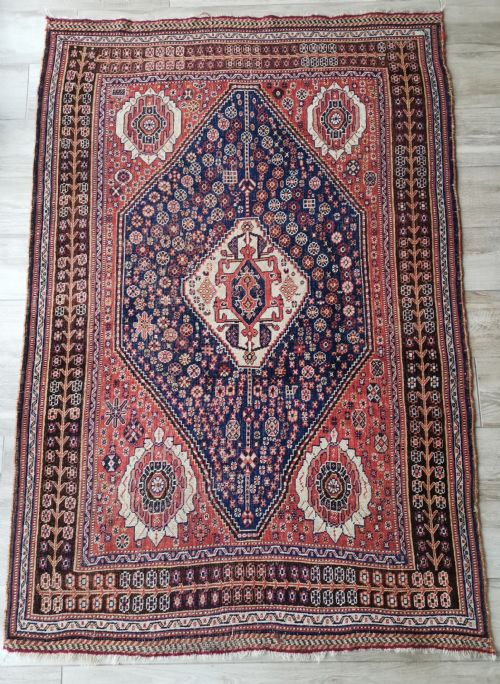
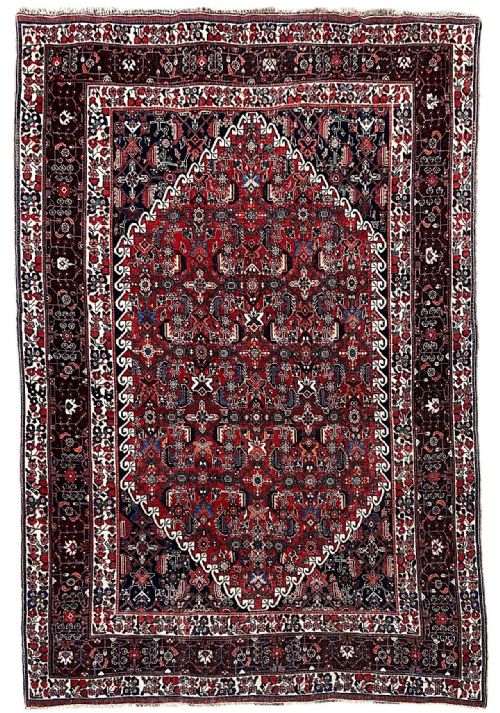
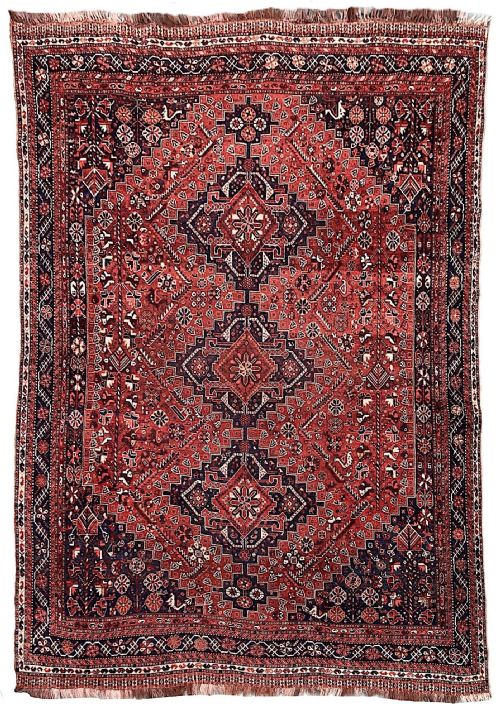
A shiraz tribal carpet brings the bold geometric motifs and rich natural colours of southwest Persia directly into a room.
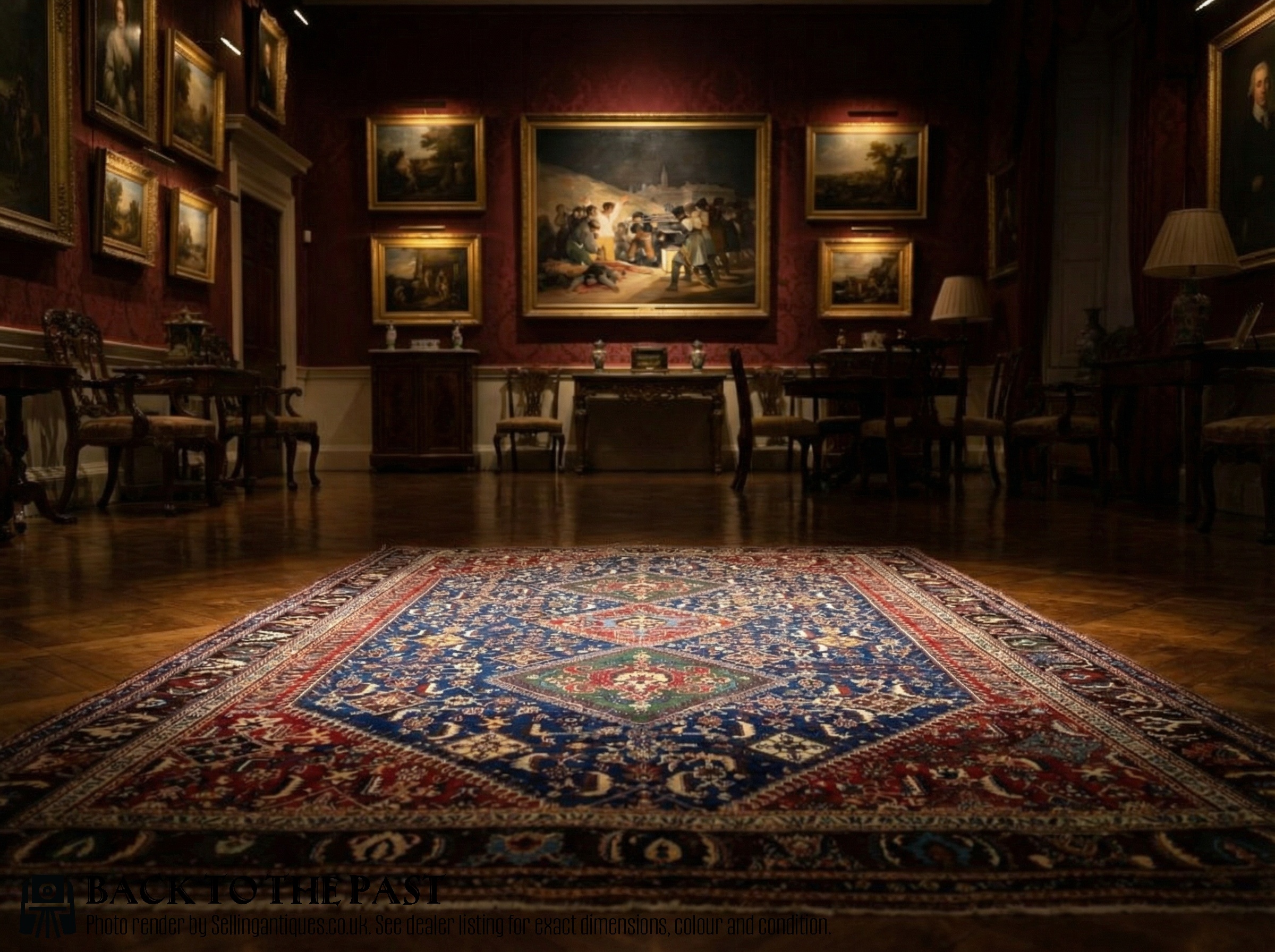
Shiraz Tribal Carpet
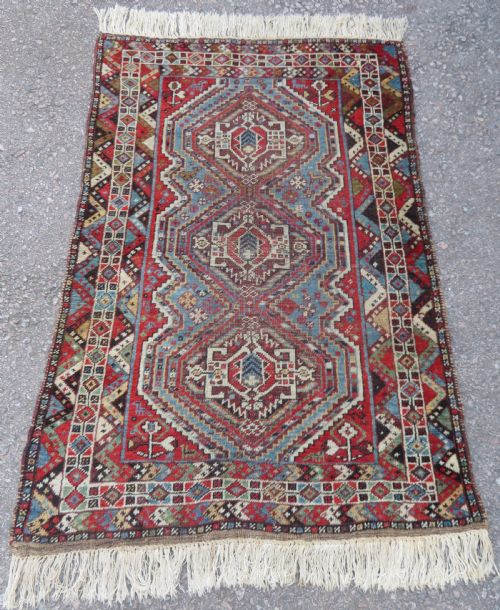
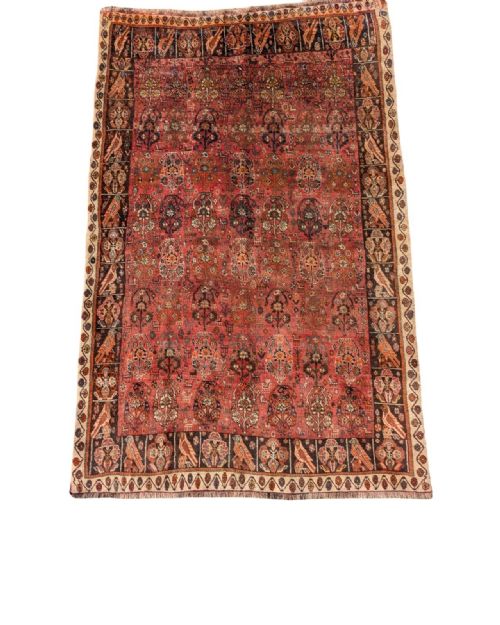
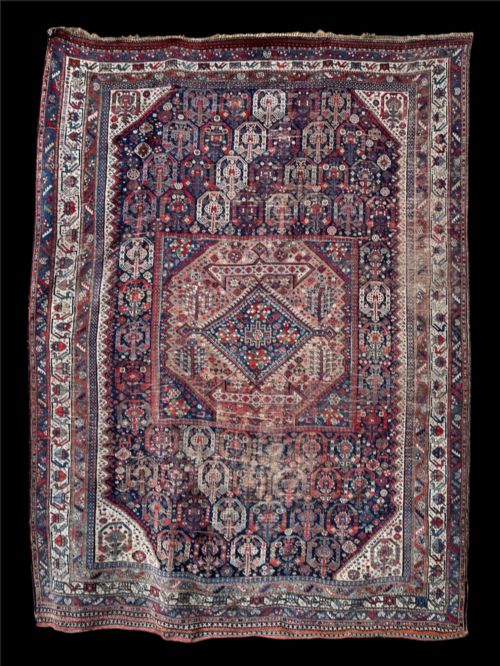
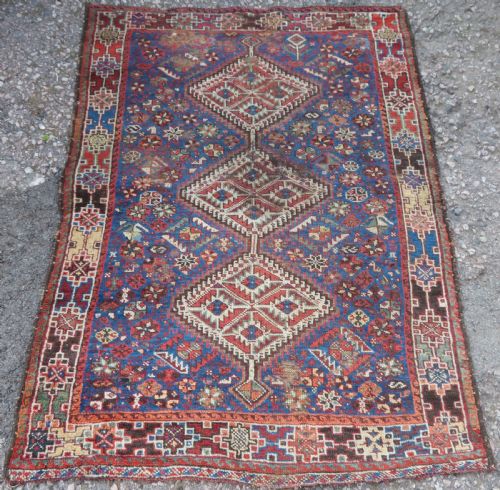
When searching for a shiraz tribal carpet, a buyer is looking at woven floor coverings originating from the southwest Persian region and associated with nomadic and village confederacies such as the Qashqai and Khamseh. These pieces typically display traditional motifs including medallions, geometric patterns and stylized birds, reflecting the heritage of the makers.
The versions most commonly met on this page range from smaller tribal rugs to larger main carpets dating from the late nineteenth century through to the early decades of the twentieth century. Examples span various dimensions, from compact area rugs to substantial room-sized carpets.
The terminology often overlaps between regional market names and specific tribal groups, so a rug catalogued under Shiraz might equally represent the work of Qashqai or Khamseh weavers. The designs remain rooted in traditional village and nomadic craftsmanship rather than urban workshop production.
How they were made
The construction of these carpets relies on hand-woven wool, utilising wool foundations and pile alongside cotton elements in specific examples. Weavers employed natural dyes to achieve the deep palettes characteristic of the region.
Hand-weaving techniques allowed artisans to produce durable pile rugs with dense knots, ensuring the structural integrity necessary for daily domestic use over generations.
Shiraz Tribal Carpet Retail Price Guide 2026
Typical asking prices for shiraz tribal carpet among the pieces listed under this phrase on Sellingantiques today, from the lower quarter to the upper quarter. They describe what is for sale here now, not the wider market.
Keep an eye out for stray animal footprints pressed into the soft wool while the carpet dried under the Persian sun.
What varies in quality
Quality in these textiles rests upon the precision of the hand-weaving, the depth and complexity of the tribal design, and the vibrancy of the natural dyes used across the field. Superior examples display tighter knotting and better structural preservation.
The handling of traditional motifs, such as medallions and figurative elements, dictates the visual success of the piece, separating standard village production from master-woven tribal carpets.
The Shiraz Tribal Carpet Glossary
- Medallion
- A central ornamental motif placed in the middle of the carpet field. These designs often anchor the entire composition of a tribal rug.
- Khamseh
- A confederation of five tribes in southwest Persia known for distinctive dark wool and geometric weaving traditions. Their work frequently incorporates tribal symbols and rich colouring.
- Natural Dyes
- Colourants derived from plants, insects and minerals rather than synthetic compounds. They produce subtle tonal variations that age gracefully over time.
- Main Carpet
- A large floor covering traditionally woven for domestic use within a household rather than as a smaller scatter rug. These substantial pieces often feature complex multi-medallion layouts.
Shiraz Tribal Carpet: Frequently Asked Questions
How do I identify a Qashqai rug?
Look for characteristic geometric medallions, repeated bird or peacock motifs, and a deep wool pile woven by nomadic groups in southwest Persia.
These pieces often display rich natural dyes and traditional village iconography that distinguish them from urban Persian workshops.
What is the difference between Shiraz and Qashqai carpets?
Shiraz acts as a broader regional marketplace term for carpets gathered and traded from southwest Persia, while Qashqai specifically denotes the tribal group who wove many of the finest examples.
Over time, market descriptions often use the terms interchangeably based on stylistic similarities and geographic origin.
Are these carpets suitable for heavy foot traffic?
Hand-woven wool construction with a full pile provides natural durability and resilience for everyday domestic environments.
Placing an appropriate underlay beneath the rug helps protect the wool foundation from excessive wear over time.
How should I care for an antique tribal carpet?
Regular gentle vacuuming without a rotating brush bar prevents dust accumulation within the wool pile while protecting the hand-woven structure.
Professional specialist cleaning is recommended when deeper maintenance becomes necessary to preserve the natural dyes.