



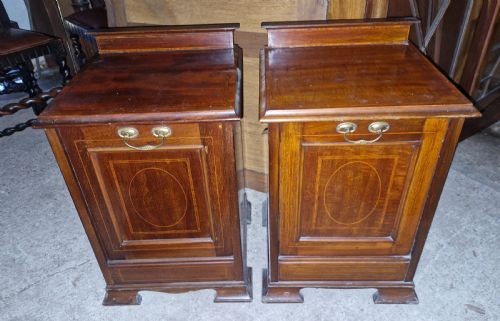
Sheraton Mahogany Pedestal Table
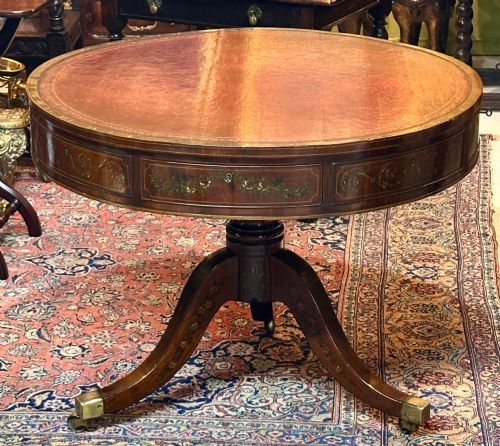
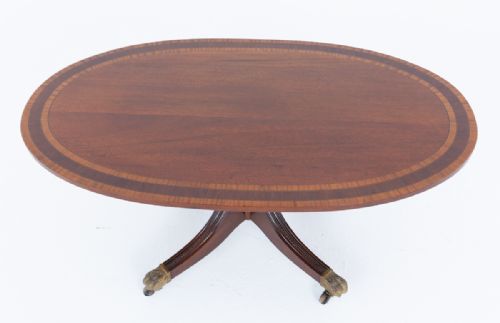
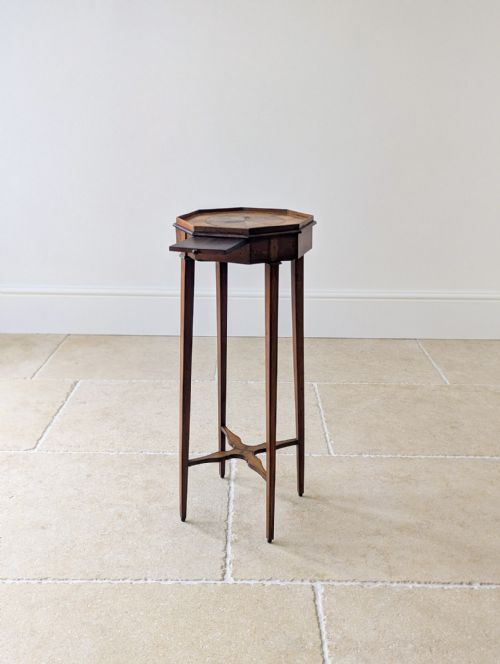
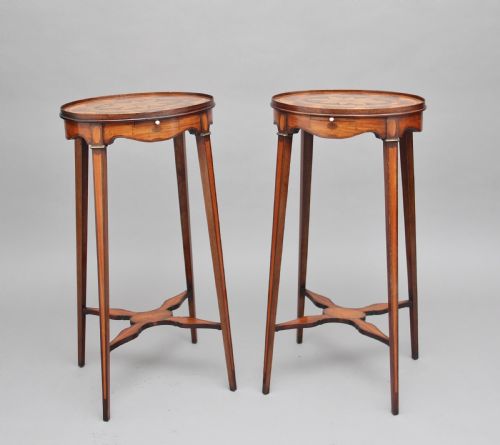
A sheraton mahogany pedestal table brings refined classic form and warm timber grain into a room, uniting Georgian proportion with later revival craftsmanship.
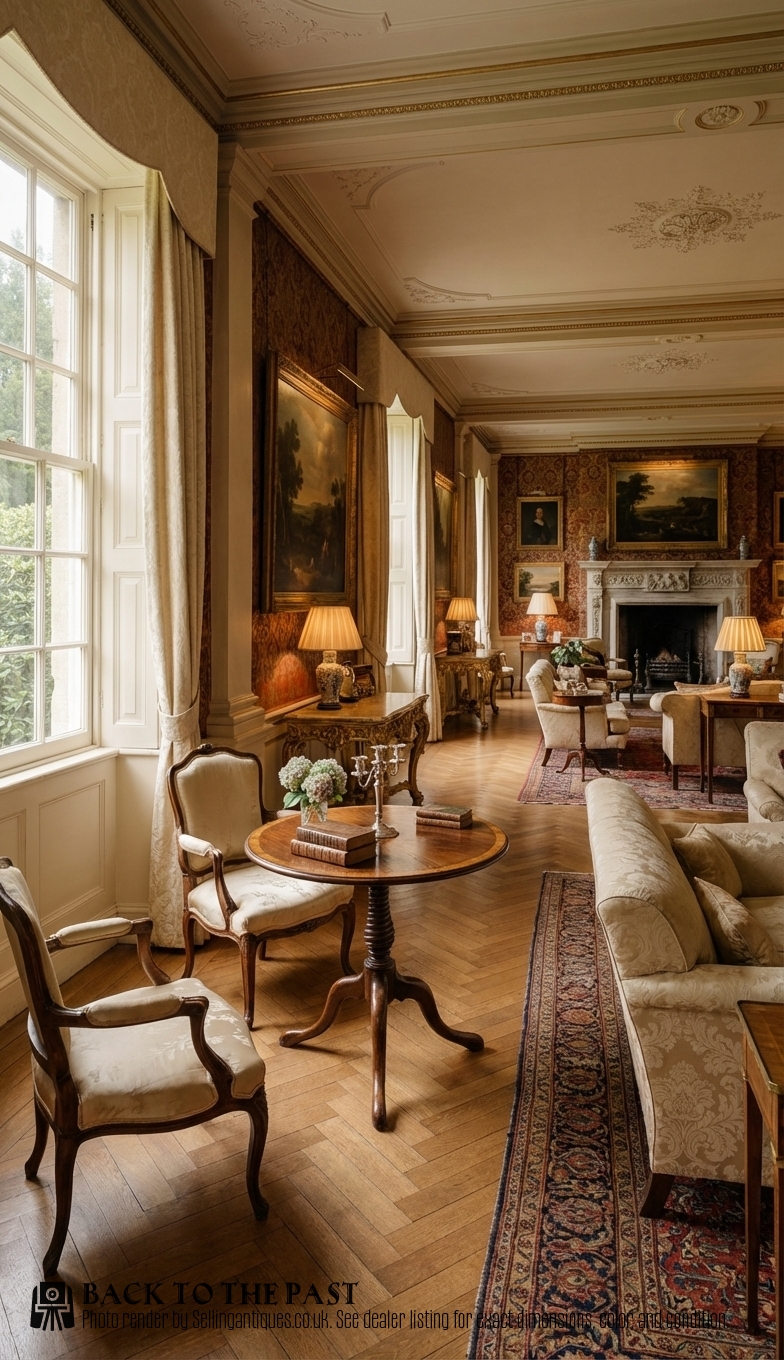
Sheraton Mahogany Pedestal Table
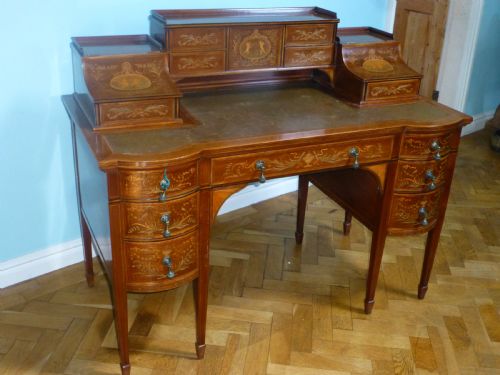
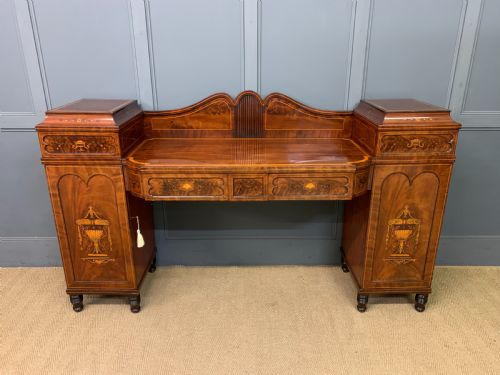
When you search for a sheraton mahogany pedestal table, you encounter pieces spanning from the late eighteenth century through to the Edwardian Sheraton Revival period. The selection includes various forms such as desks, writing tables, sideboards, and bedside cabinets that share the characteristic vocabulary of the style. Most examples you meet on this page originate from the Georgian, Victorian, and Edwardian eras, reflecting both original period production and later nineteenth and twentieth-century revivals.
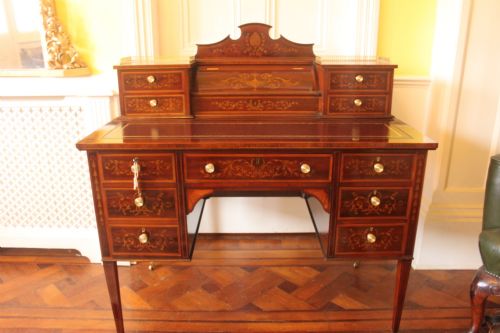
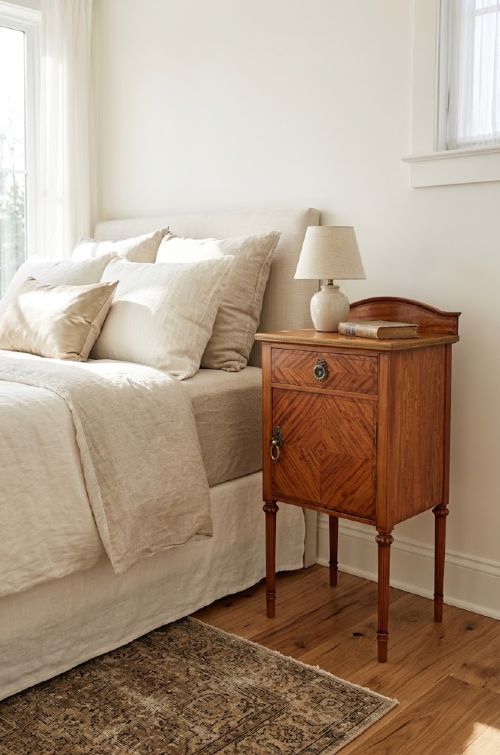
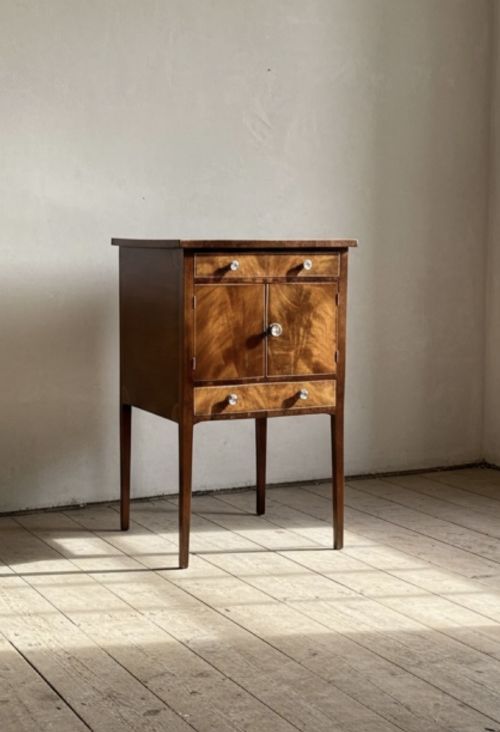
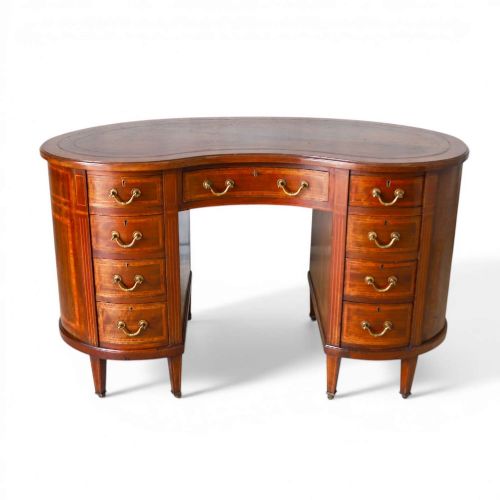
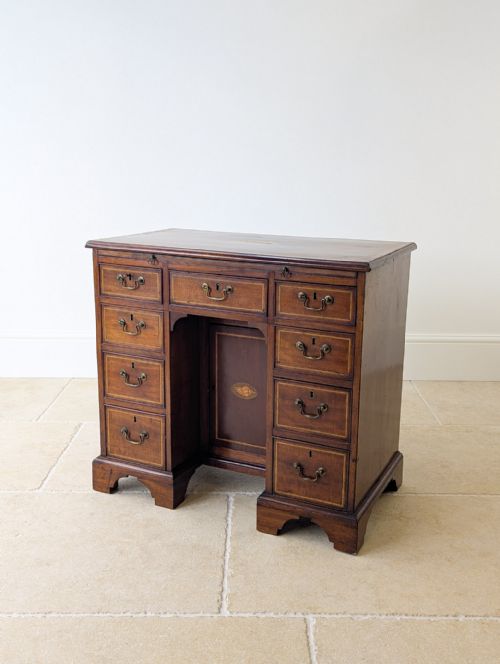
Makers and craftsmen of these periods utilised the classic geometric lines, tapering legs, and balanced proportions associated with the aesthetic. While formal dining tables and smaller stands appear alongside pedestals and side cabinets, the overarching design language remains rooted in cabinet-making traditions of mahogany construction. The pieces range from utilitarian bedside cupboards to elaborately inlaid kneehole desks and writing tables.
How they were made
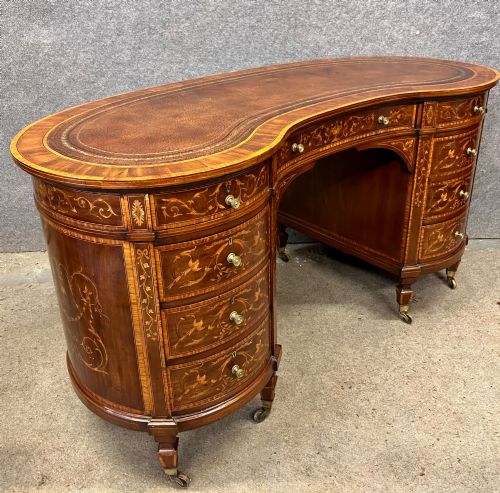
Makers constructed these pieces primarily from solid mahogany and mahogany veneers, often incorporating contrasting timbers to create detailed surface decoration. Workshops applied satinwood, boxwood, and general wood inlay to form delicate banding, floral motifs, and geometric borders across drawer fronts and tabletops. Certain writing desks and library tables also integrated original leather inserts into their surfaces for a functional writing plane.
Construction techniques relied on traditional joinery paired with precise marquetry and inlay work executed by skilled cabinet-makers. Brass hardware such as handles, castors, and keyhole escutcheons were fitted to drawers and doors to complete the functional design. Surface finishes were polished to highlight the natural grain patterns and rich reddish-brown tones of the primary timber.
Some Edwardian bedside cabinets secretly doubled as shoe cupboards, keeping morning routines discreetly organised.
What varies in quality
The standard of a piece depends heavily on the crispness of its inlay work and the selection of the timber figures. Superior examples display precisely cut satinwood and boxwood banding that sits flush with the mahogany ground, whereas lesser items show coarser veneering or painted substitutes. The depth and clarity of any marquetry panels also distinguish workshop output, separating standard production pieces from fine cabinet-maker commissions.
Structural integrity and the retention of original components dictate the standing of individual pieces within the market. Tables and desks retaining their original brass hardware, leather writing surfaces, and balanced proportions command greater attention than those altered or repaired over time. The refinement of the leg turning and the neatness of the interior drawer construction further define the tier of craftsmanship.
Edwards and Roberts·James Shoolbred of London·Maple and Co
The Sheraton Mahogany Pedestal Table Glossary
- Sheraton Revival
- A late nineteenth and early twentieth-century design movement that reinterpreted the light, neoclassical forms popularised by Thomas Sheraton in the eighteenth century. These pieces frequently feature delicate inlay and satinwood banding on mahogany carcasses.
- Marquetry
- The art of applying pieces of veneer to a structure to form decorative patterns and pictures. Makers used contrasting woods like satinwood and boxwood to achieve detailed floral and geometric motifs.
- Pedestal
- A supporting base or column beneath a desk, table, or sideboard. In pedestal furniture, these often contain banks of drawers or storage cupboards flanking a central opening.
- Satinwood
- A durable, yellowish-brown timber imported from the tropics and used extensively for contrasting inlay and stringing on mahogany furniture. Its bright tone provided a striking visual border against darker woods.
- Kneehole desk
- A form of writing table featuring a central recess for the user's legs, flanked by pedestals containing multiple small drawers. Georgian and Victorian makers often fitted these with leather skivers on top.
Sheraton Mahogany Pedestal Table: Frequently Asked Questions
What is a Sheraton Revival piece?
A Sheraton Revival piece is an item made during the late nineteenth or early twentieth century that imitates the lighter, elegant neoclassical furniture designs of the Georgian period. These items typically combine solid mahogany with delicate satinwood inlay and classical proportions.
Craftsmen during the Edwardian era favoured this style for desks, cabinets, and tables, blending historical design with the manufacturing standards of their own time.
How do I identify mahogany furniture?
Mahogany is recognised by its deep reddish-brown colour, dense grain, and ability to take a high polish. Over the decades, the timber deepens in tone and develops a warm patina.
Cabinet-makers prized this wood for its stability and strength, allowing them to construct slender legs and detailed pedestals without risking structural failure.
Were leather inserts original on these desks?
Many nineteenth-century writing desks and library tables were manufactured with integrated leather writing surfaces, often gold-tooled around the edges. These provided a durable and smooth plane for writing.
While some surfaces have been replaced during restoration work, original leather shows appropriate signs of age and wear consistent with the rest of the piece.
How do I care for inlaid wood?
Inlaid furniture requires protection from direct sunlight and excessive humidity to prevent the delicate satinwood and boxwood veneers from lifting or drying out. Regular dusting with a soft, dry cloth maintains the surface without the need for heavy chemical polishes.
Applying a traditional beeswax occasionally helps nourish the mahogany and preserves the sheen on the polished timber.