

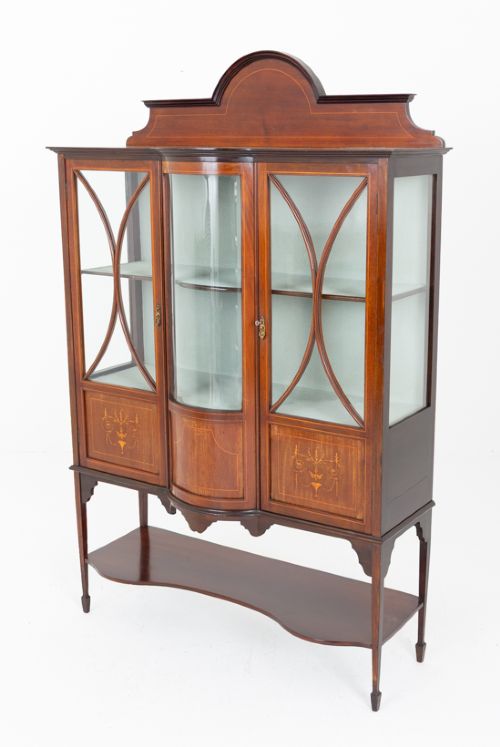
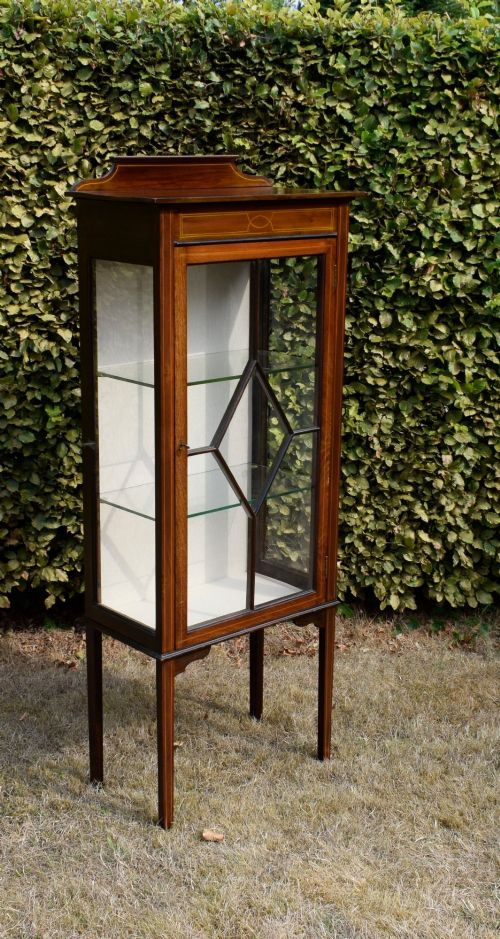
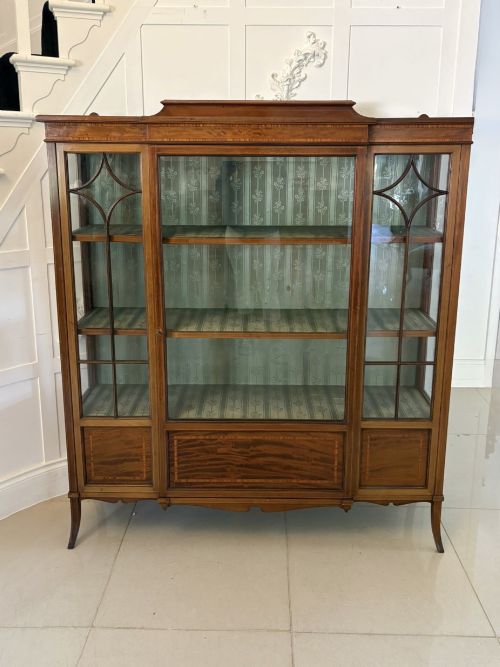
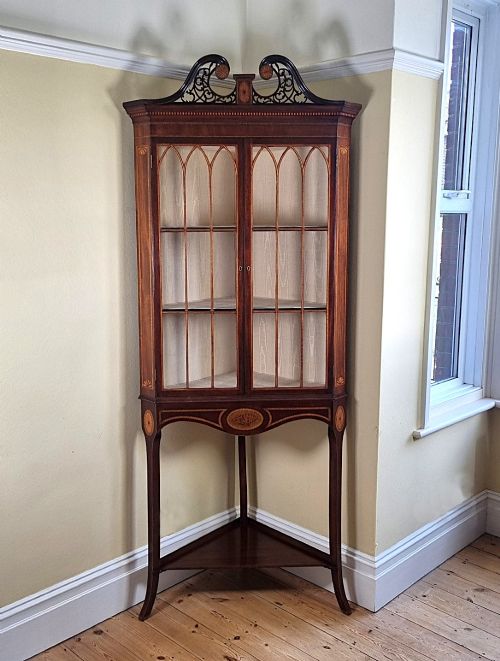
Sheraton Glazed Cabinet
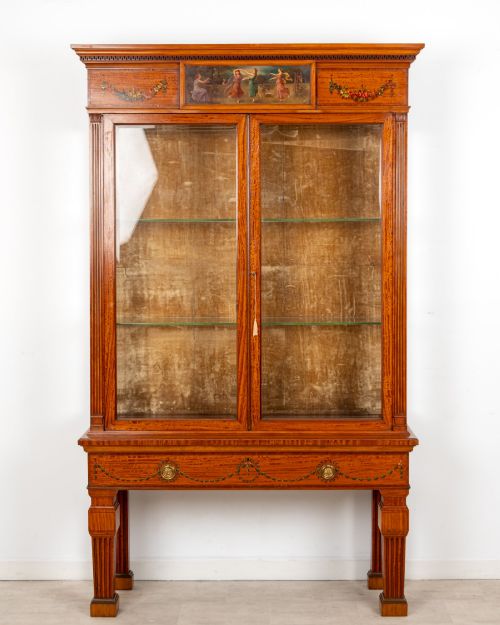
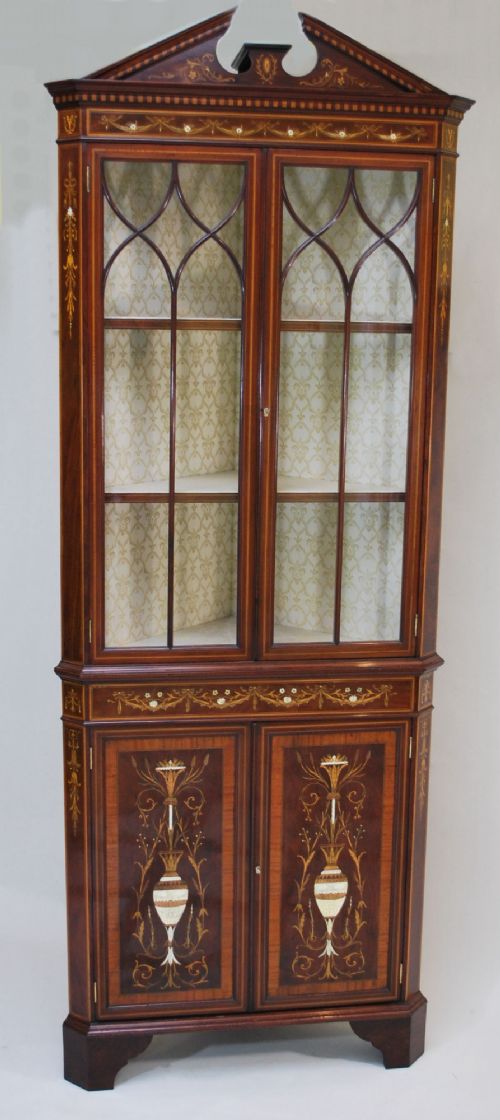
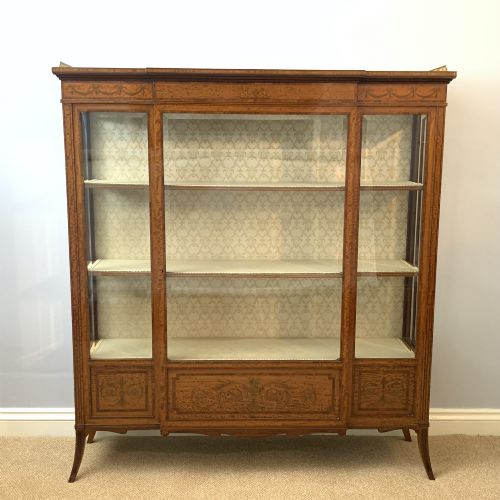
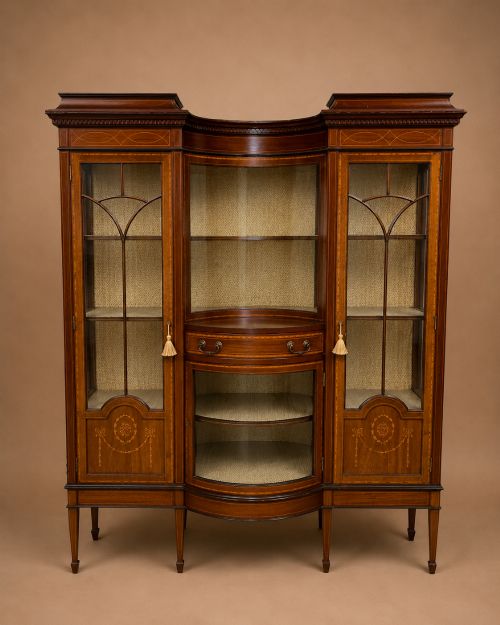
A sheraton glazed cabinet combines light timber frames with delicate glass panels, offering a refined way to display cherished objects.
Sheraton Glazed Cabinet
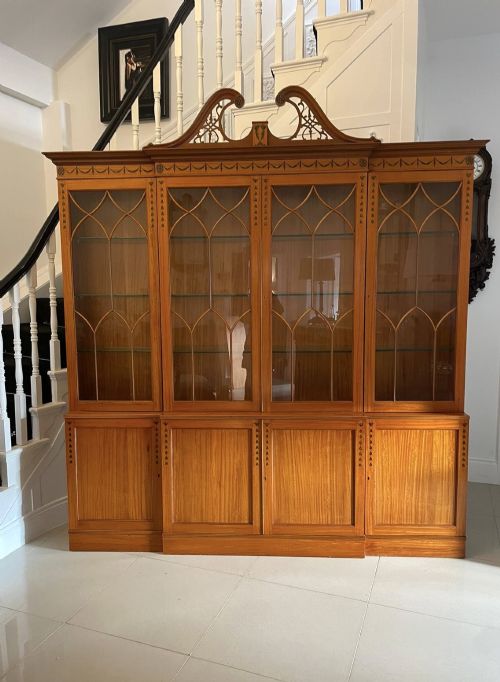
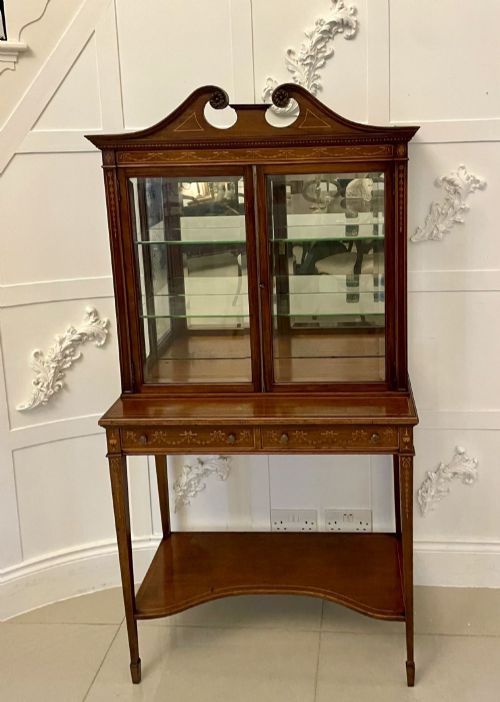
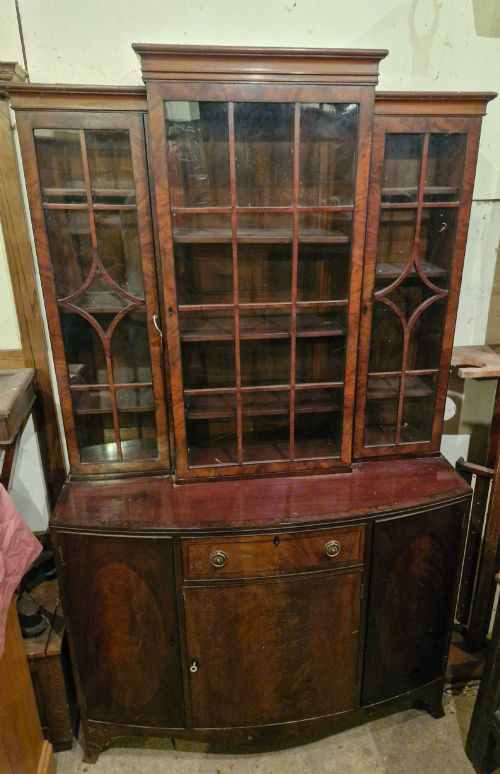
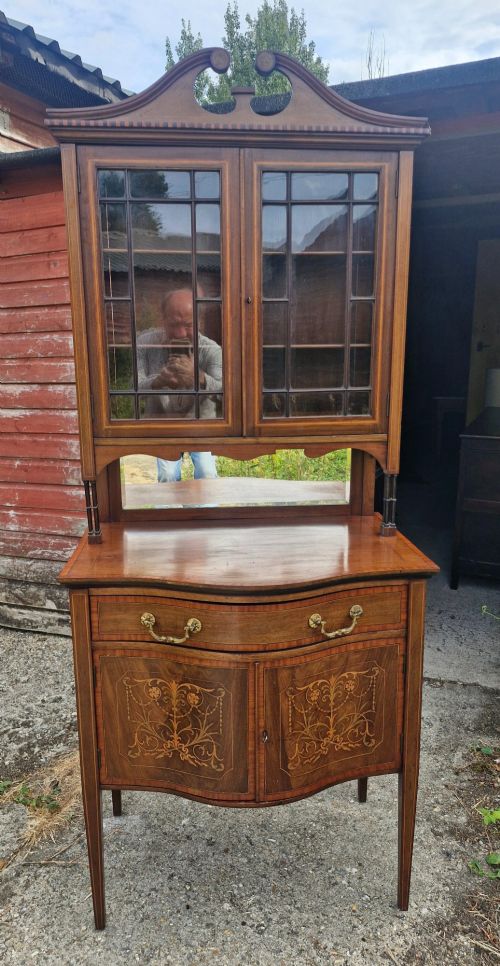
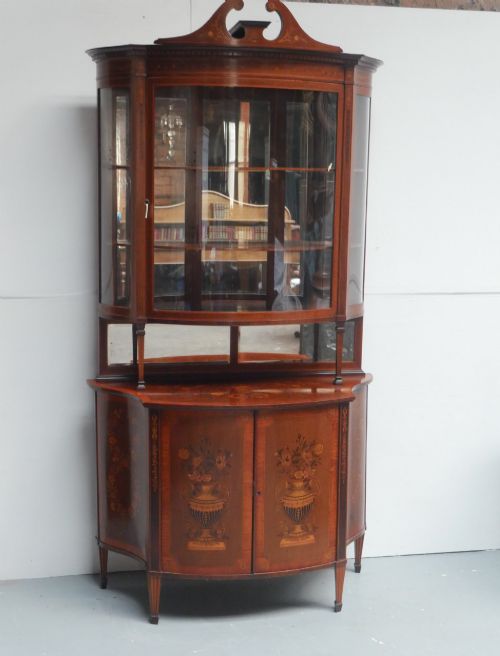
A sheraton glazed cabinet takes many forms across the inventory, ranging from tall breakfront display furniture to compact corner units and writing pieces. The Edwardian period and the late nineteenth century account for the bulk of these items, often executed in the Sheraton Revival style alongside authentic Georgian examples.
Makers in London workshops produced these storage and display pieces to suit formal interiors, utilising mahogany and satinwood carcasses fitted with glazed doors. Buyers frequently encounter bow-fronted or flat-fronted display cabinets designed to showcase porcelain and books while keeping dust at bay.
Materials and construction
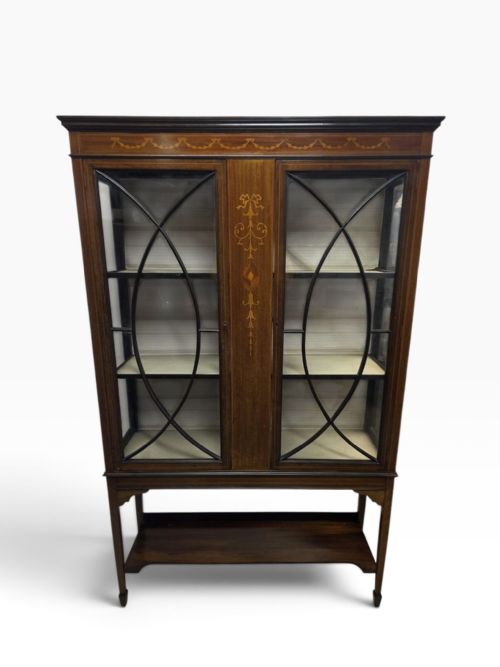
Cabinet makers built these pieces using solid mahogany or satinwood frames, frequently applying contrasting timber veneers and intricate wood inlay to decorate the surfaces. Glass panels are held securely within timber framing or astragal glazing bars, while brass hardware provides functional closure for doors and drawers.
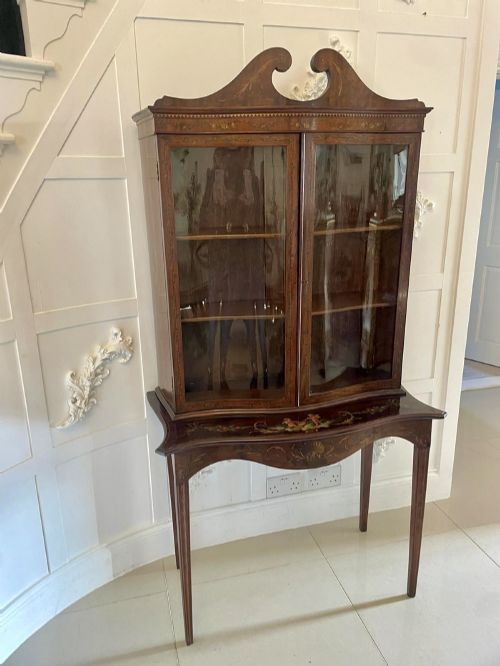
Workshops employed specialised techniques like marquetry and hand-painted decoration to embellish satinwood panels. Structural integrity relies on traditional joinery methods that allow timber to expand and contract across different seasons.
Listings feature mahogany and satinwood cabinets spanning from the eighteenth-century Georgian era through Victorian times to Edwardian Sheraton Revival revivals.
Distinctions in quality
The standard of a sheraton glazed cabinet rests on the precision of its inlay and the choice of primary timbers, where finely figured mahogany or clean satinwood elevates the piece. Original painted panels and delicate hand-carved astragal glazing bars distinguish superior workshop production from simpler commercial output.
Proportion and the handling of secondary woods inside drawers indicate the care taken during manufacture. Pieces bearing stamps from notable cabinet makers reflect a higher level of workshop supervision and material selection.
Hampton and Sons·Edwards and Roberts·Maple and Co
The Sheraton Glazed Cabinet Glossary
- Astragal glazing
- A method of dividing a glass door into smaller panes using narrow timber strips. These bars create a neat geometric grid across the front of the cabinet.
- Satinwood inlay
- The insertion of contrasting light-coloured timber into a darker surface to form patterns. This decorative technique defines much of the Sheraton Revival output.
- Breakfront
- A cabinet design where the central section projects forward from the flanking wings. This configuration adds depth and visual weight to large display furniture.
- Marquetry
- The art of applying veneer pieces to form decorative pictures or ornamentation on furniture surfaces. Craftsmen carefully cut different woods to fit together seamlessly.
- Bijouterie
- A low display table or cabinet designed specifically for small ornaments and precious items. These pieces feature glass tops and upper sections for clear visibility.
Sheraton Glazed Cabinet: Frequently Asked Questions
How do I clean the glass safely?
Use a soft cloth and a mild glass cleaner applied to the cloth rather than directly onto the timber frames. This prevents moisture from damaging antique wood finishes and delicate inlay work.
Take care around painted panels and brass fittings during routine dusting. Gentle maintenance preserves the original surface condition without wearing down the polish.
Where should I place a display cabinet?
Position the cabinet away from direct sunlight and radiators to protect dry timbers from warping or cracking. Stable indoor temperatures prevent veneer from lifting off the carcass.
Ensure the floor surface is level so that the glazed doors hang true and close properly. Heavy items inside should be distributed evenly to maintain stability.
How do I date an Edwardian revival piece?
Examine the interior construction, secondary woods, and hardware style to determine if a piece dates to the Edwardian revival period or the eighteenth century. Revival furniture often displays lighter secondary timbers and machine-assisted joinery alongside hand finishing.
Maker marks and trade labels provide definitive clues when present on drawers or back panels. Stylistic cues like painted satinwood decoration frequently point toward turn-of-the-century London workshops.
What is the difference between an astragal and a standard glazed door?
An astragal glazed door uses multiple wooden bars to hold individual panes of glass within a patterned frame. This creates a traditional multi-pane window effect across the front of the cabinet.
Standard glazed doors typically feature a single large sheet of glass bordered by timber. The divided-light arrangement of astragal glazing requires more intricate carpentry.