


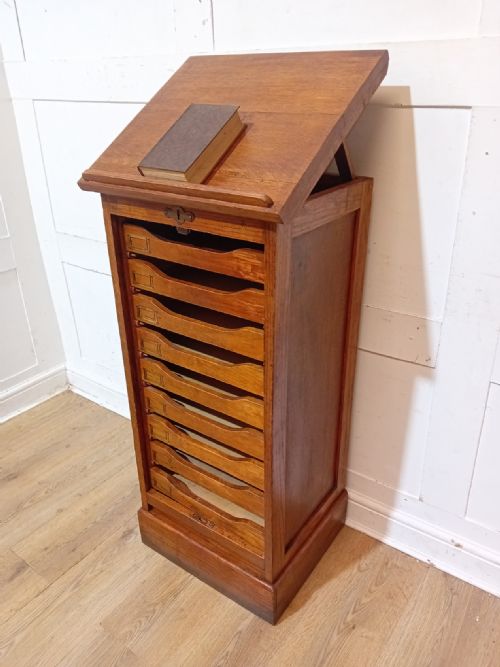

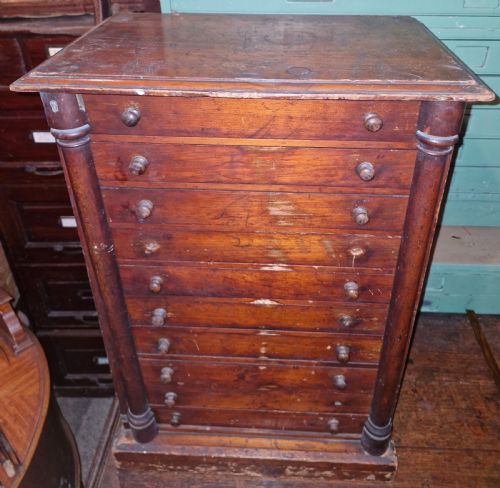
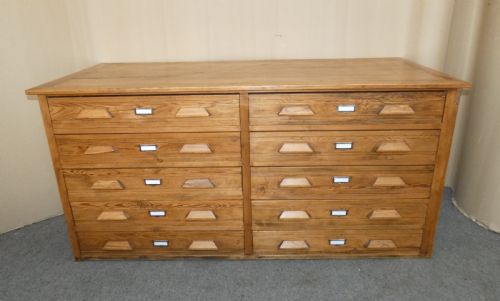


Shallow Drawer Cabinet
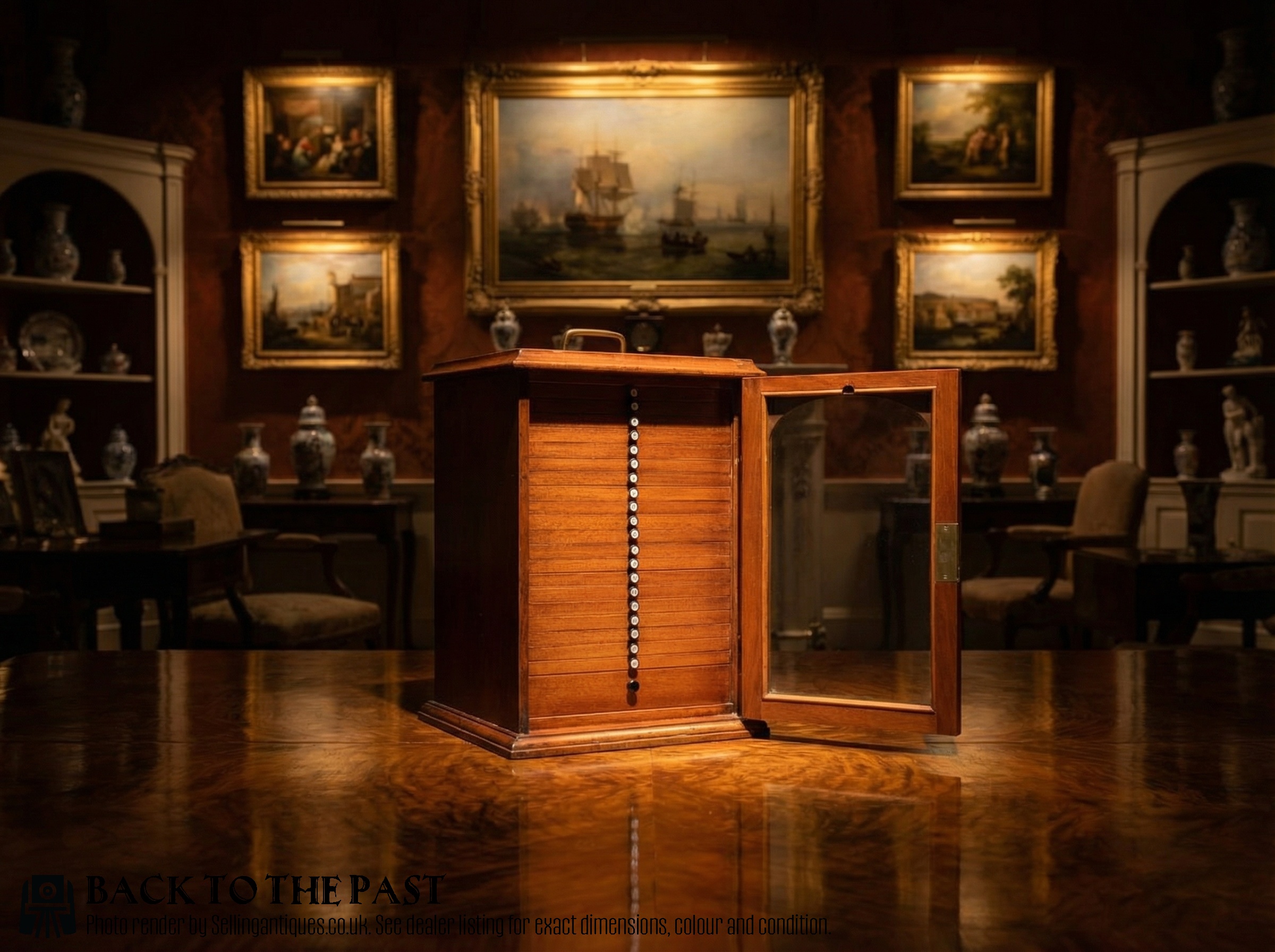
A shallow drawer cabinet offers compact, multi-tiered storage built for specimens, documents, and collections, prized for its functional compartmentalisation.
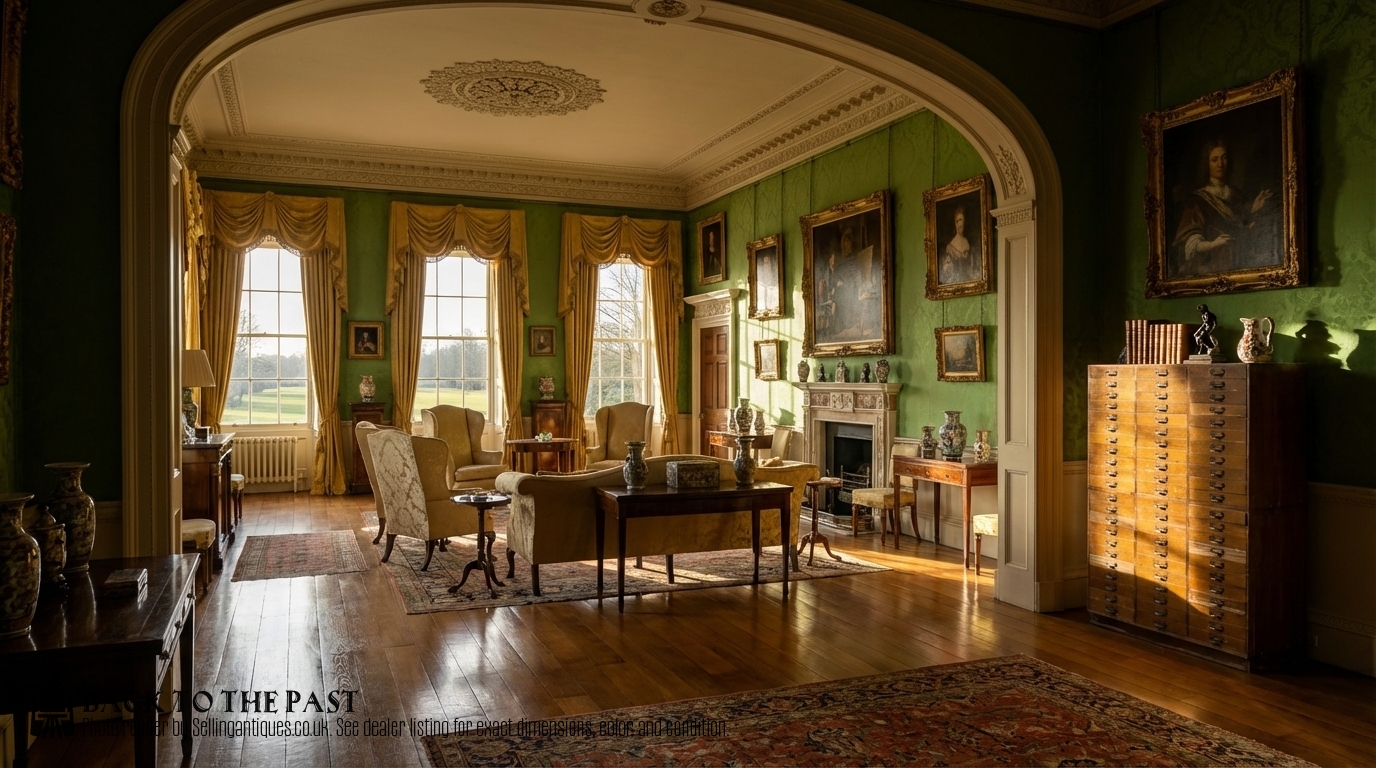
Shallow Drawer Cabinet
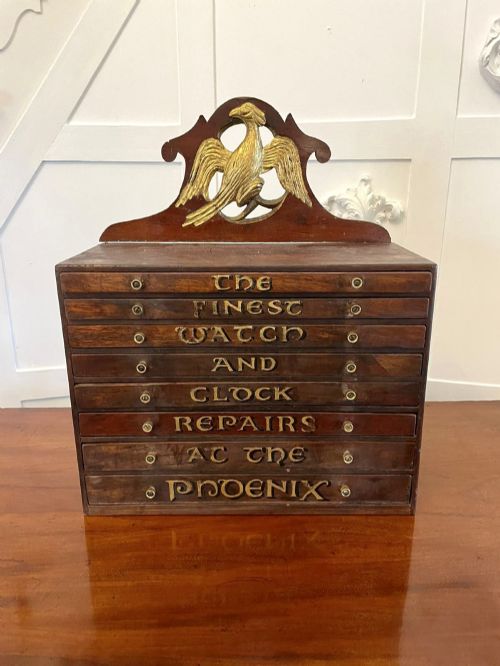
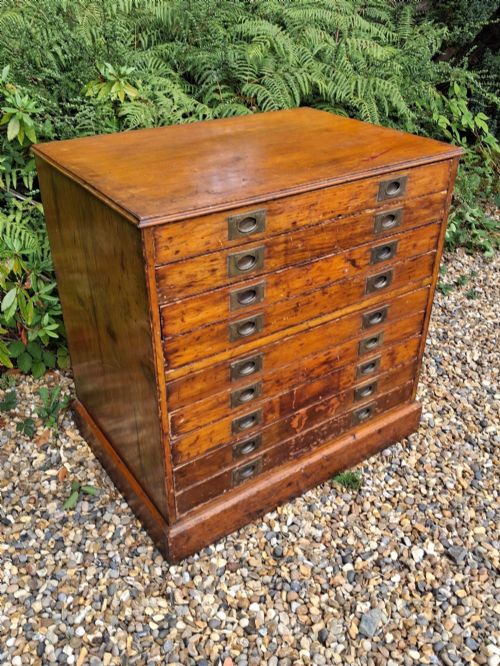
A shallow drawer cabinet provides numerous low-profile tiers designed to organise specialised items rather than bulky garments or household goods. When exploring this selection, buyers frequently encounter pieces originating from the nineteenth and early twentieth centuries.
The physical form encompasses various functional types, including collectors cabinets, specimen chests, filing units, plan chests, and artists chests. These pieces span Victorian, Edwardian, and industrial utility styles, reflecting their original purposes in studies, workshops, and offices.
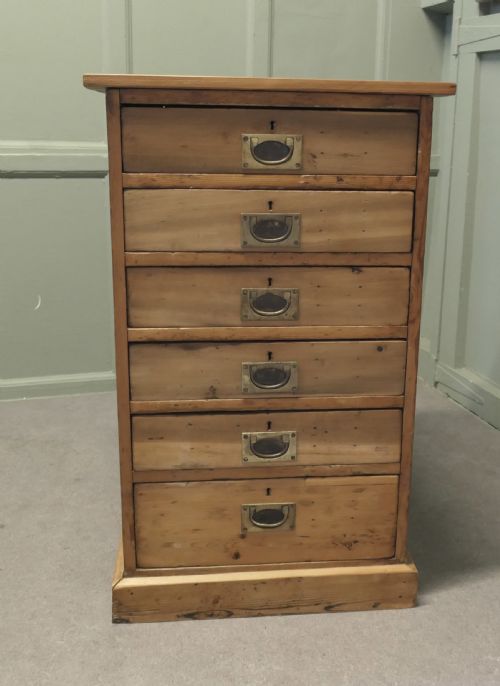
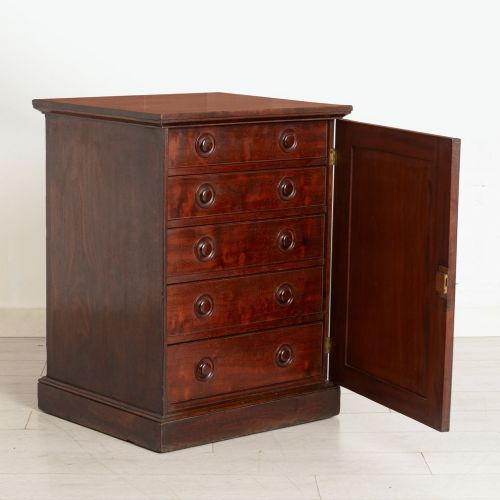
Originating from periods when meticulous organisation was paramount, these cabinets serve collectors, archivists, and interior designers alike. The configurations range from modest six-drawer pine chests to substantial multi-drawer mahogany structures.
How they were made
Carpenters constructed these cabinets using hardwoods like mahogany, oak, walnut, and satinwood alongside utilitarian softwoods such as pine and pitch pine. The drawer construction typically involved precise joinery to withstand frequent opening and closing.
Hardware details incorporated brass pulls, handles, and card holders, complementing the primary timber structure. Glass panels occasionally appeared in doors or specialised compartments to protect contents while allowing visibility.
Shallow Drawer Cabinet Retail Price Guide 2026
Typical asking prices for shallow drawer cabinet among the pieces listed under this phrase on Sellingantiques today, from the lower quarter to the upper quarter. They describe what is for sale here now, not the wider market.
Some nineteenth-century cabinets retain microscopic traces of fossilised beetles and dried botanical specimens.
What varies in quality
The standard of timber selection and interior joinery dictates the structural integrity of the piece over generations. Cabinets built with dense hardwoods and carefully fitted drawer runners demonstrate superior durability compared to lighter utilitarian equivalents.
Makers working to commission or for scientific institutions applied finer finishes and more complex internal configurations, such as glass-topped trays or specialised locking mechanisms. The presence of original maker attribution plates or documented provenance elevates the historical interest of an individual cabinet.
Brady of Edmonton·J.T.Crockett·Charles William Schofield·Standish
The Shallow Drawer Cabinet Glossary
- Specimen cabinet
- A piece of furniture fitted with numerous shallow drawers designed for housing natural history collections such as insects, minerals, or eggs. These cabinets usually feature dust-proof internal construction to protect delicate items.
- Plan chest
- A large, wide cabinet comprising very shallow drawers built specifically for storing architectural drawings, maps, or large sheets of paper flat. They are predominantly constructed in pine, oak, or mahogany.
- Haberdashers drawers
- Multi-drawer units originally utilised in retail drapery shops to organise ribbons, buttons, and small textiles. They often incorporate glass fronts or glazed drawer panels for easy stock identification.
- Pitch pine
- A resinous North American pine variety utilised heavily in nineteenth-century furniture for its durability and prominent grain pattern. It provides a robust, stable carcase for utilitarian and commercial cabinets.
- Carcase
- The main structural body or framework of a cabinet, excluding the drawers, doors, and feet. Understanding the carcase construction reveals the primary building methods of the period.
Shallow Drawer Cabinet: Frequently Asked Questions
What were shallow drawer cabinets originally used for?
These cabinets served laboratories, studies, and offices for sorting delicate objects, scientific specimens, maps, and documents.
Collectors and professionals relied on the shallow depth to keep contents organised and accessible without stacking.
How do I care for a antique timber cabinet?
Keep the wood away from direct heat sources and fluctuating humidity to prevent the timber from warping or splitting.
Apply traditional beeswax occasionally to nourish the surface and maintain the natural lustre of the grain.
Can I use a plan chest for modern storage?
The wide, shallow proportions make these chests ideal for organising art supplies, paperwork, jewellery, or flat textiles.
Their robust construction easily adapts to contemporary home office or studio environments.
How do I distinguish Victorian from Edwardian cabinets?
Victorian pieces often display heavier mahogany or walnut construction with darker tones and elaborate brass hardware.
Edwardian examples frequently lean towards lighter pitch pine or satin walnut with simpler, more restrained decorative lines.