





Shahsavan Weaving
Shahsavan weaving encompasses striking tribal textiles, storage bags and rugs originating from northwest Persia and the Caucasus.
Shahsavan Weaving
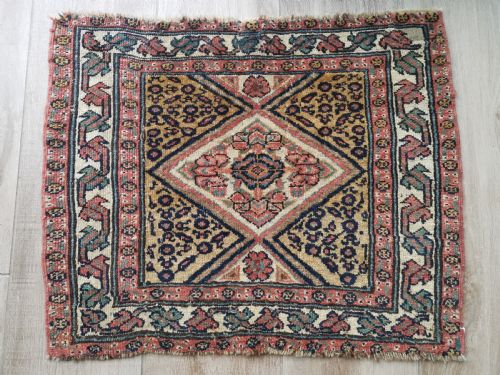
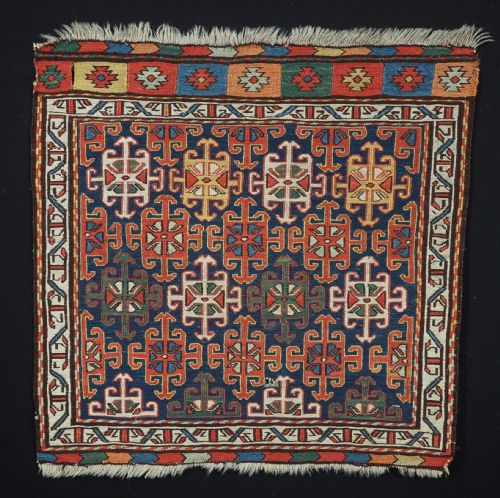
Shahsavan weaving comprises tribal textiles, storage bags, panels, and rugs originating from northwest Persia and the Caucasus. When exploring shahsavan weaving, buyers most frequently encounter utilitarian storage items such as khorjin saddle bags and mafrash storage bag panels.
The objects date across the nineteenth century, with pieces recorded from the eighteen-fifties through to nineteen-hundred. Formats range from complete pairs of saddle bags and whole storage chests to individual bag faces and long rugs.
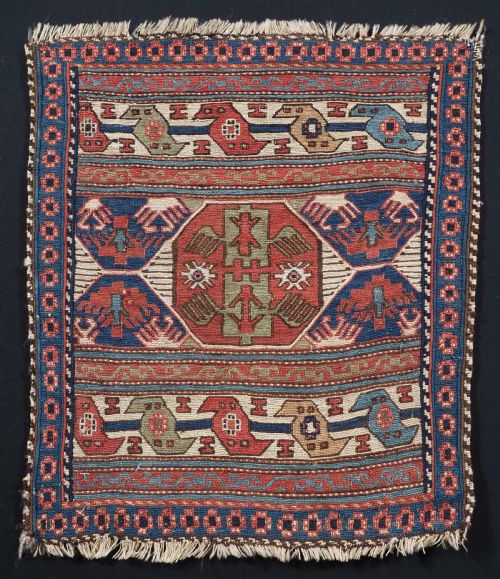
Stylistic descriptors link these pieces to Caucasian tribal, Persian tribal, and combined traditions. Panels and bag faces often display distinct bird and dragon motifs executed in flatweave structures.
Materials and construction
The makers utilised hand-spun wool and standard wool combined with cotton foundations and occasional leather or metal details. Natural and vegetable dyes provide the characteristic soft palette observed across the surviving nineteenth-century examples.
Weavers employed flatweave techniques, notably soumac and sumac work, alongside traditional kilim construction. These technical methods allowed artisans to build crisp geometric patterns and intricate zoomorphic motifs onto durable storage containers and rugs.
Shahsavan Weaving Retail Price Guide 2026
Typical asking prices for shahsavan weaving among the pieces listed under this phrase on Sellingantiques today, from the lower quarter to the upper quarter. They describe what is for sale here now, not the wider market.
The listings span from eighteen-fifty to nineteen-hundred, combining wool, cotton, leather, and metal elements with natural dyes.
Evaluating the pieces
Quality separates through the crispness of the soumac technique and the complexity of the design layout, such as the clear depiction of birds and dragons. Completeness also elevates a piece, distinguishing intact storage bags and matched pairs from single fragments or panels.
The depth and harmony of the vegetable dyes influence visual success, alongside the fineness of the hand-spun wool used in the weave. Pieces retaining their original leather and metal elements demonstrate superior preservation of utilitarian function.
The Shahsavan Weaving Glossary
- Soumac
- A flatweave technique where pattern wefts are wrapped over the warp threads before being packed down. This method creates a textured surface resembling embroidery and provides structural durability for heavy-use storage bags.
- Khorjin
- A traditional double-sided saddle bag designed for transport on horseback or camel. These pairs typically feature matching or complementary bag faces linked by a central web.
- Mafrash
- A large rectangular storage chest or bedding bag constructed from four woven panels and a base. Complete examples are assembled into rigid containers used traditionally inside nomadic tents.
- Kilim
- A flatweave textile produced without pile by tightly interweaving warp and weft strands. These function as rugs or as structural faces for utilitarian bags.
- Bagface
- The decorative front panel of a storage sack preserved after the plain back has deteriorated. These fragments display the primary iconography created by the weaver.
Shahsavan Weaving: Frequently Asked Questions
What is a shahsavan bagface?
A bagface is the decorated front panel of a traditional nomadic storage sack that has survived independently from the plain backing. These panels display the primary weaving skill and pictorial motifs.
Collectors frame or mount these fragments to appreciate the geometric designs and zoomorphic imagery without needing to house a bulky storage container.
How were mafrash panels used?
Mafrash panels formed the four sides of a large rectangular container used by nomadic tribes for storing bedding and clothing during seasonal migrations. Four distinct panels were laced together to create a sturdy storage chest.
Today, individual panels or complete sets appear as flat textiles or reconstructed boxes intended for display rather than travel.
Are these pieces Persian or Caucasian?
Shahsavan weaving originates from the borderlands of northwest Persia and the southern Caucasus, reflecting design elements from both regional traditions. Nomadic movement across these territories blended tribal aesthetics.
As a result, historical pieces frequently share stylistic traits with both Persian tribal groups and Caucasian weavers.
How do I date nineteenth-century pieces?
Dating relies on assessing the materials, particularly the use of hand-spun wool and early natural vegetable dyes that produce soft, integrated colours. Structural characteristics and design wear also indicate nineteenth-century production.
Most surviving examples date from the mid-nineteenth century through to nineteen-hundred.
Can these textiles be used on floors?
Long rugs and flatweaves tolerate light floor placement in low-traffic areas if paired with a secure underlay. However, fragile bag faces and delicate flatweave panels are better suited for wall display.
Protecting antique wool from heavy foot traffic preserves the structural integrity of the flatweave technique.