



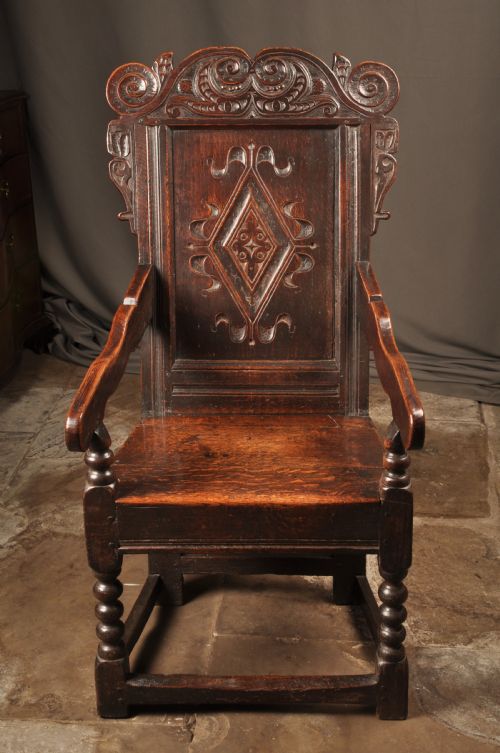


Seventeenth Century Wainscot Chair
A seventeenth century wainscot chair is a heavy wooden seat built to last generations, offering a tangible link to early domestic life.
Seventeenth Century Wainscot Chair
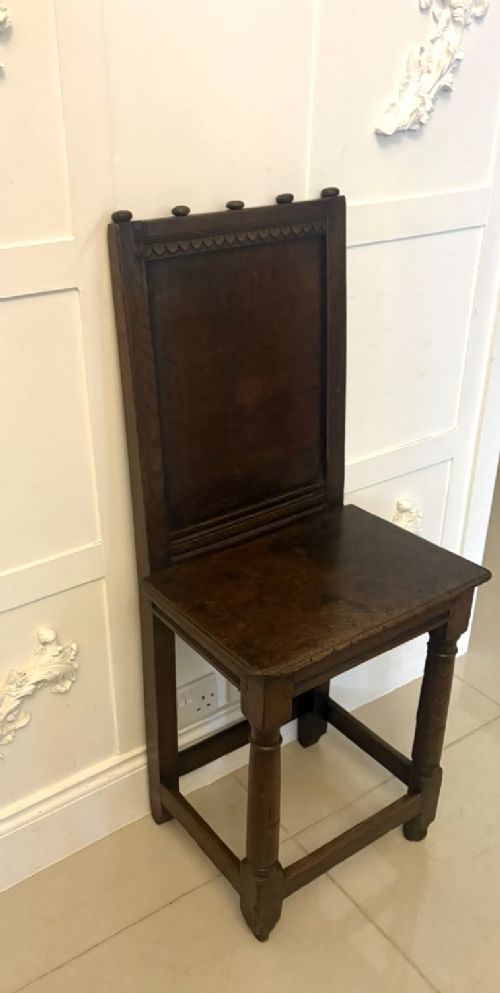
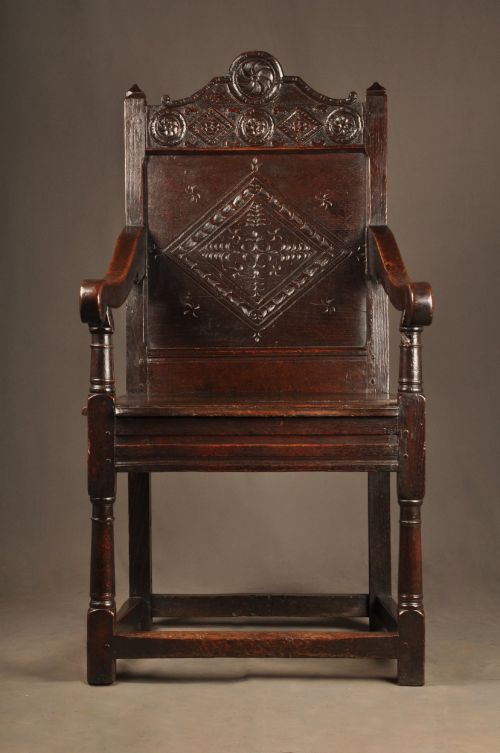
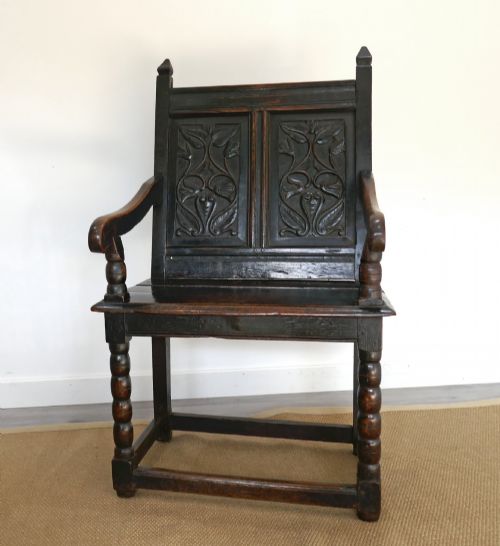
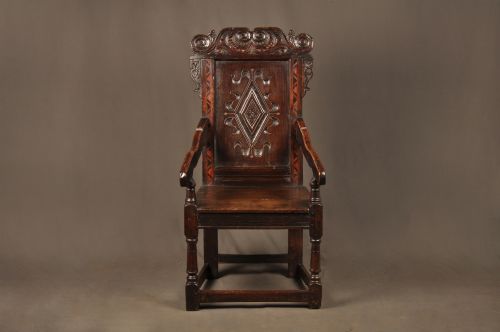
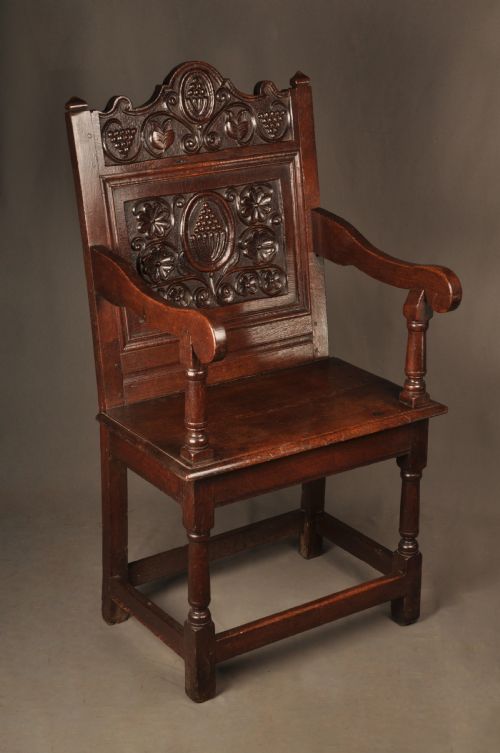
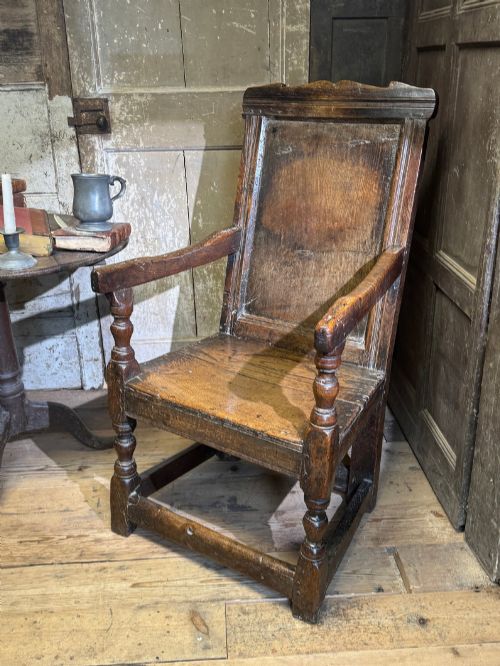
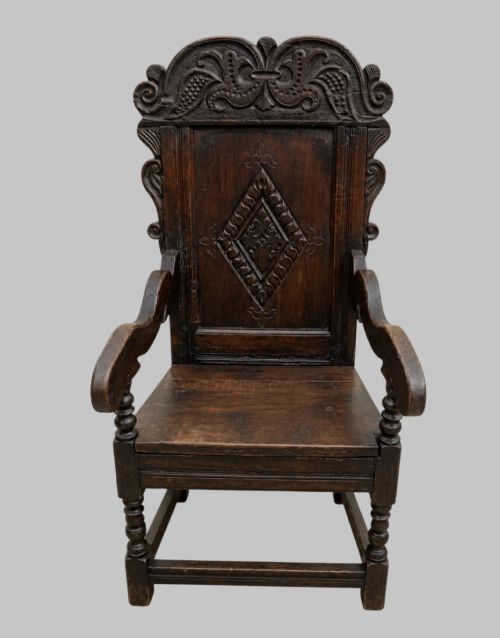
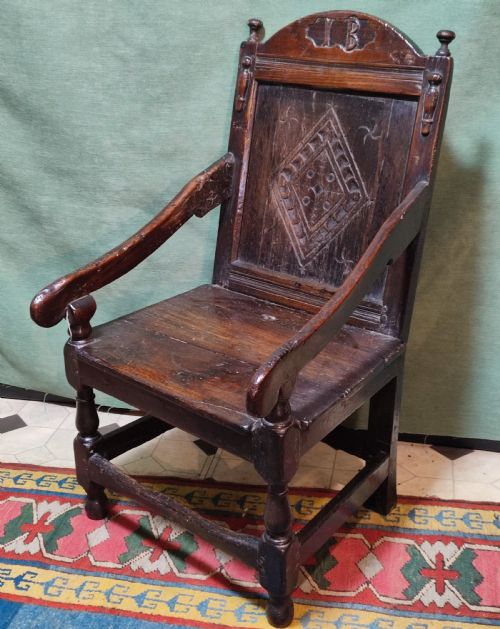
A seventeenth century wainscot chair is a rigid wooden seat constructed with panelled backs and sturdy armchairs, primarily originating from English and Welsh regions. These examples include regional variants from Lancashire, Yorkshire, and Cheshire, alongside later nineteenth century revival pieces made in the same manner.
Buyers will encounter armchairs, side chairs, and backstools across the listings. Most pieces date from the seventeenth century, while others emerge from the eighteenth and nineteenth centuries.
Materials and construction
Carpenters built these chairs using solid oak, employing joined construction methods rather than modern fixings. Panels were fitted into grooved framing to allow for wood movement as seasons changed.
Carving adorns many surfaces, executed by hand with gouges and chisels to create geometric and floral motifs typical of the period.
Listings span the seventeenth, eighteenth, and nineteenth centuries, featuring solid oak construction in regional English and Welsh styles.
Distinguishing quality
The integrity of the original construction and the crispness of the hand carving separate standard examples from finer ones. Timber selection and surface patination also dictate the visual strength of the piece.
Regional attribution and early surface survival influence how an example stands within the historical record.
The Seventeenth Century Wainscot Chair Glossary
- Wainscot chair
- A wooden armchair characterised by a panelled back, originally constructed from fine oak boards. The term derives from the Dutch word for high-grade oak timber imported for panelling.
- Backstool
- An early form of chair without arms, essentially functioning as a single chair or side chair. These pieces share the panelled construction of their larger armchair counterparts.
- Joined oak
- Furniture constructed using mortise and tenon joints secured with wooden pegs. This method formed the structural backbone of seventeenth-century cabinet making.
- Jacobean
- The style of design spanning the reign of James I, associated with heavy proportions and strapwork carving. This aesthetic heavily influences seventeenth-century woodwork.
- Patina
- The surface sheen and colour developed by aged oak over centuries of handling and polishing. A good surface reflects natural wear rather than modern chemical treatments.
Seventeenth Century Wainscot Chair: Frequently Asked Questions
What is a seventeenth century wainscot chair?
A seventeenth century wainscot chair is a rigid wooden seat featuring a panelled back and solid arms. These forms represent early domestic seating built by regional carpenters.
Most examples are constructed from solid oak and date from the seventeen hundreds or earlier, though nineteenth-century revival pieces also exist.
How were these chairs used?
These chairs served as principal seats of authority within early households, often reserved for the head of the family. Their solid wooden construction shielded occupants from drafts in uninsulated rooms.
Over time, their roles shifted from daily utility to status objects placed in halls and parlours.
How do I live with one?
Living with a seventeenth century wainscot chair involves placing it away from direct heat sources and sudden humidity changes. Solid oak responds poorly to central heating, which can dry out the timber.
Maintenance requires only occasional waxing with a traditional beeswax formula to feed the wood.
How can I tell periods apart?
Distinguishing period pieces from later revivals requires examining the construction marks and timber wear. Seventeenth-century examples display hand-tool signatures and pegged joints that differ from machine-cut nineteenth-century work.
Regional styles like those from Yorkshire or Lancashire also carry distinct carving patterns characteristic of their era of manufacture.