
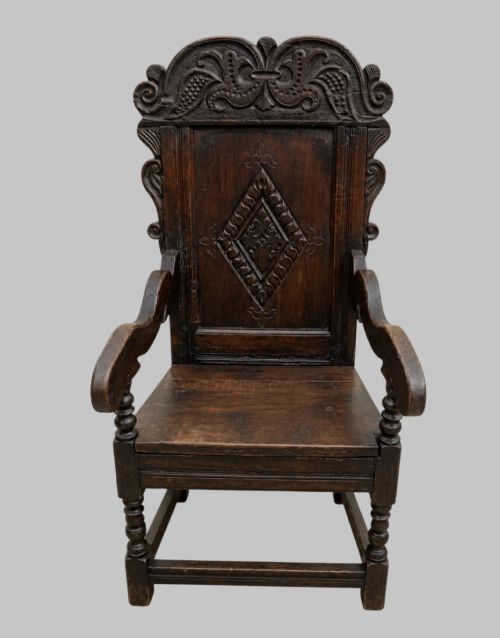
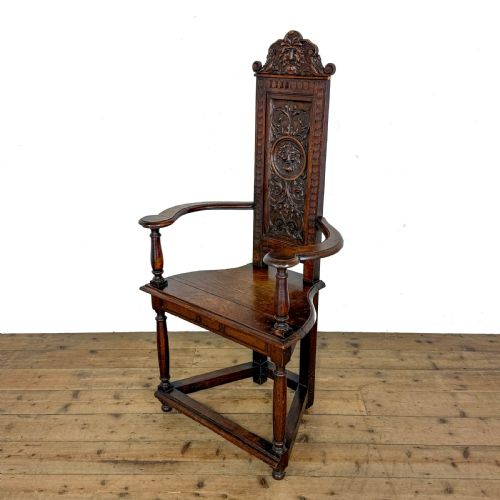


Traditional Panelled Armchair
These traditional panelled armchairs bring solid oak and architectural timber construction straight into modern rooms, offering rigid upright support and centuries of regional character.
Traditional Panelled Armchair
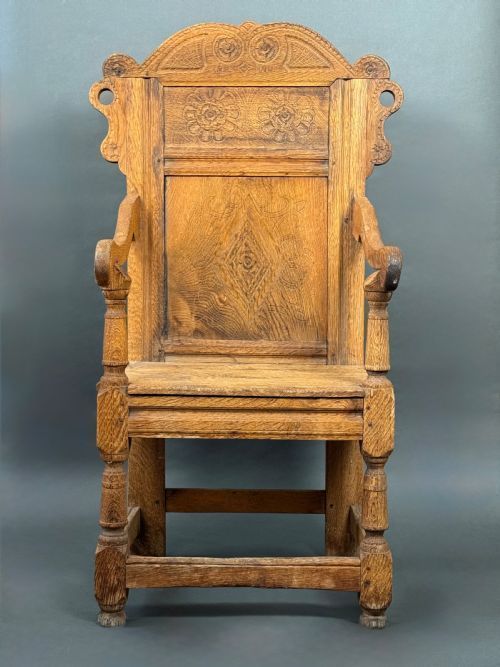
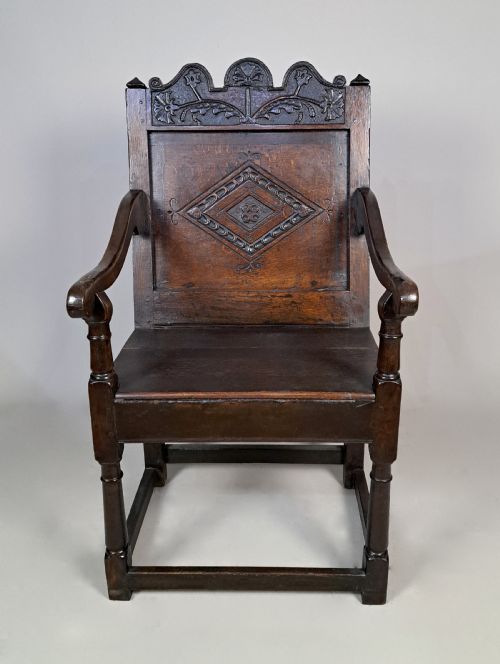
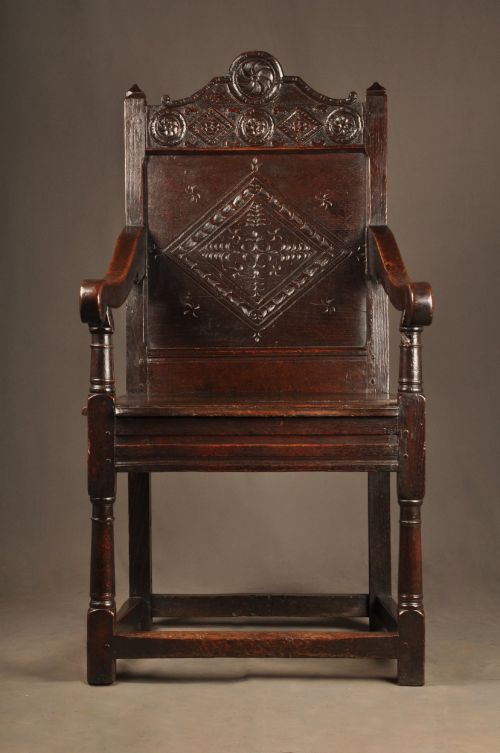
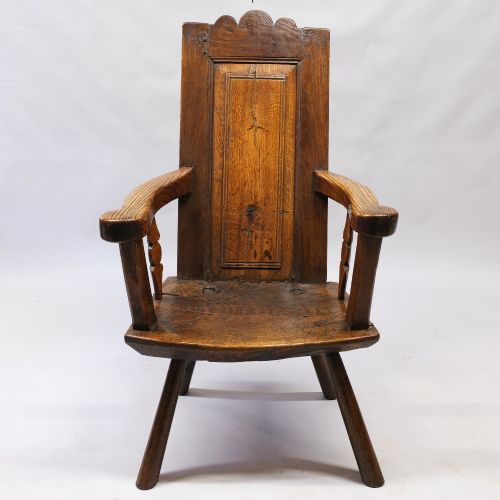
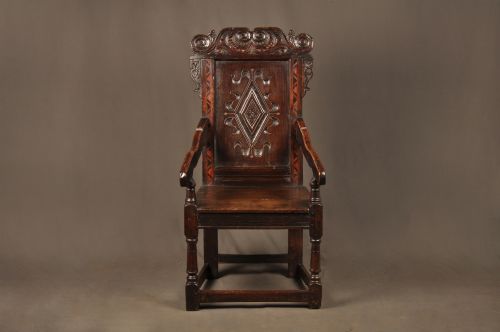
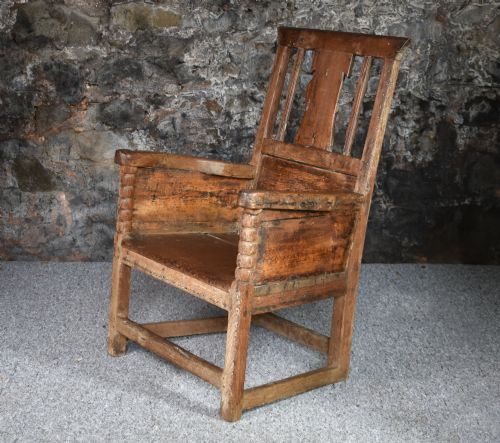
A traditional panelled armchair is typically encountered as a heavy timber seat featuring a flat panelled back and substantial wooden arms, deeply rooted in vernacular domestic seating. The examples found here span from the seventeenth century through to later revival periods, capturing regional British forms such as Yorkshire, Lancashire, and Welsh wainscot styles.
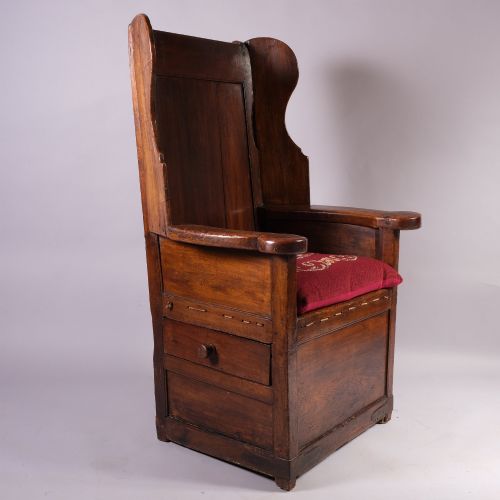
The selection centres heavily on wainscot armchairs built from oak, alongside panel-backed Windsor designs, lambing chairs, and occasional later interpretations in the seventeenth century manner. Buyers searching this phrase encounter sturdy timber frames designed originally for domestic halls and farmhouses, prioritising durability and joinery over upholstered comfort.
What varies in quality
Quality in a traditional panelled armchair rests upon the integrity of the original timber frame and the depth of regional carving, where crisply executed chip carving or moulded rails elevate the piece. The proportion of the arms and the retention of the original panelled back without extensive timber replacement distinguish superior examples.
Wear patterns and surface patination also define the upper tier, favouring pieces that retain their original colour and structural fasteners rather than those heavily restored with modern hardware.
Listings span multiple centuries from the 17th century through the Victorian and Edwardian eras, incorporating oak, elm, fabric, velvet, and pine.
The Traditional Panelled Armchair Glossary
- Wainscot armchair
- A heavy wooden chair constructed with panelled backs, originating from the period when wainscot oak panelling was common in domestic interiors.
- Lambing chair
- A regional vernacular armchair featuring high panelled sides and a hooded or high back designed to shield the occupant from drafts.
- Mortise and tenon
- A traditional woodworking joint where a projecting tenon fits tightly into a corresponding mortise hole, securing the frame without metal nails.
- Vernacular furniture
- Domestic objects built by local craftspeople using regional traditions and readily available materials, distinct from metropolitan high-style cabinet making.
- Patination
- The surface sheen and colour acquired by aged timber through decades of handling, wax application, and environmental exposure.
Traditional Panelled Armchair: Frequently Asked Questions
Where were traditional panelled armchairs used?
These chairs originally stood in the principal rooms of farmhouses, manor houses, and civic halls where heavy timber furniture provided status and durability.
Positioned near hearths or high tables, their solid panelled backs protected occupants from cold drafts in unheated buildings.
How do I care for an oak panelled armchair?
Maintain the timber by applying a traditional beeswax polish sparingly and buffing with a soft brush to preserve the surface patination.
Keep the chair away from direct heat sources and rapid humidity shifts to prevent the oak panels and joints from splitting.
Are these chairs comfortable for daily seating?
Traditional panelled armchairs offer an upright and supportive posture rather than deep, soft lounging ergonomics.
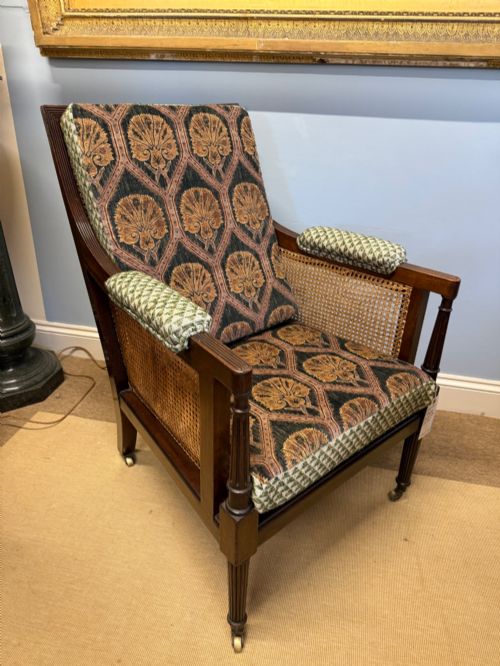
Many owners add loose squab cushions upholstered in fabric or velvet to soften the wooden seat base for everyday use.
How can I tell a seventeenth century chair from a later revival piece?
Early pieces display hand-riven timber, traditional joinery marks, and authentic structural wear consistent with period tool use.
Revival pieces from the nineteenth and twentieth centuries often feature mechanical tool marks, machine-sawn timber, and stylised carving in the historical manner.