





Seventeenth Century Chair
A seventeenth century chair brings centuries of timber-working heritage into a room, offering sturdy construction and enduring historical presence.
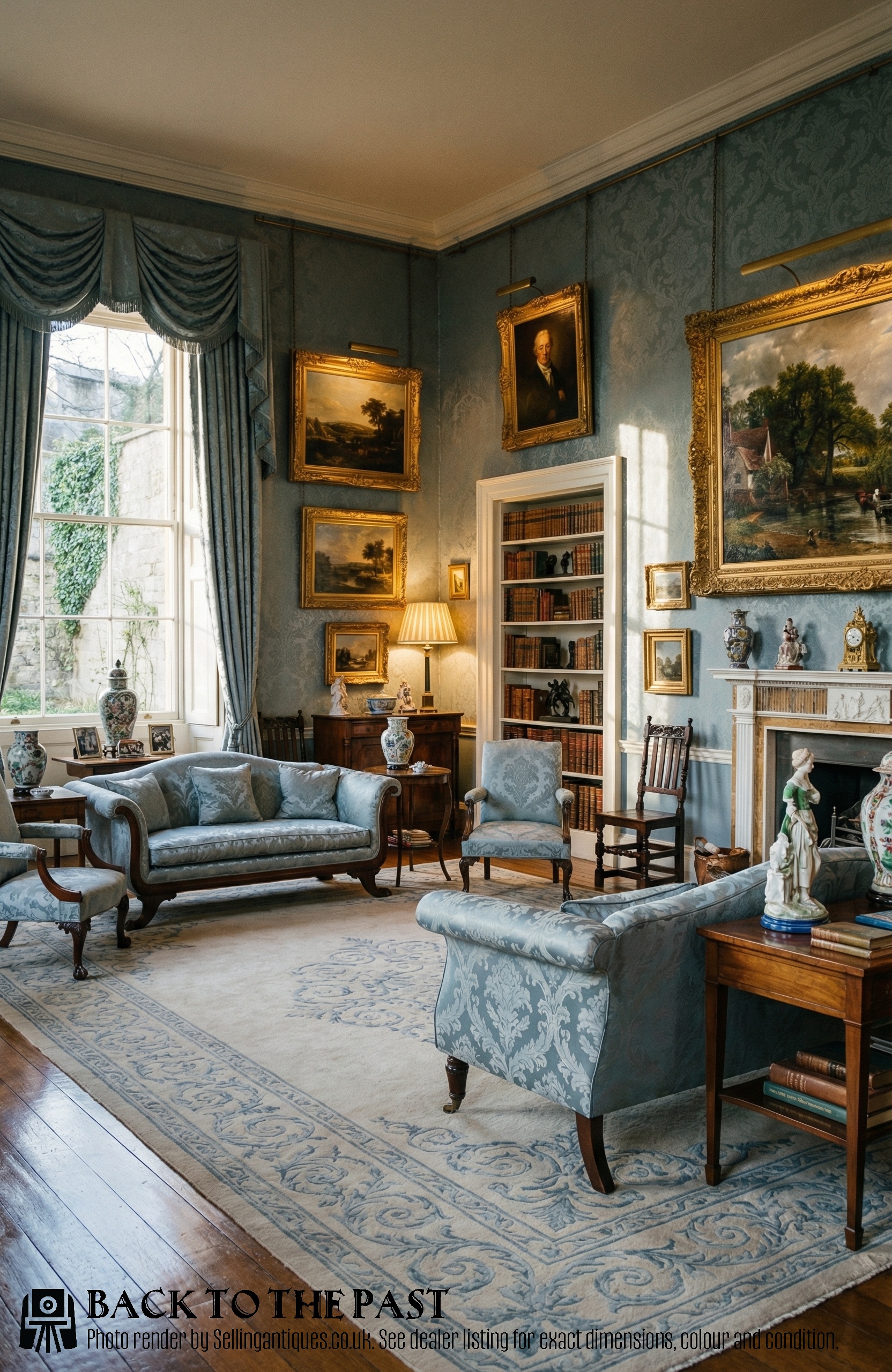
Seventeenth Century Chair
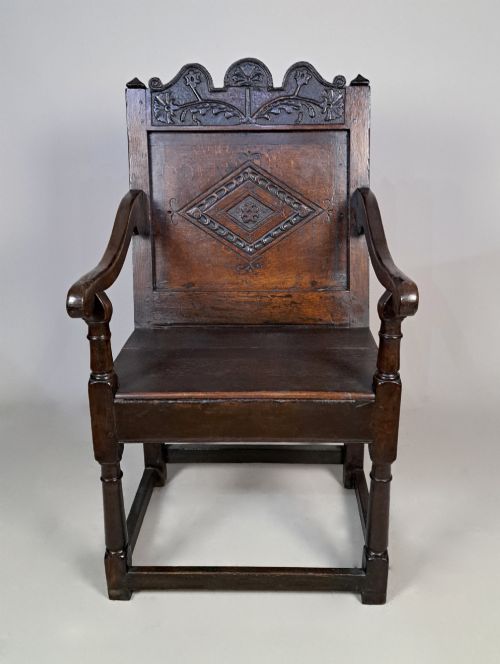
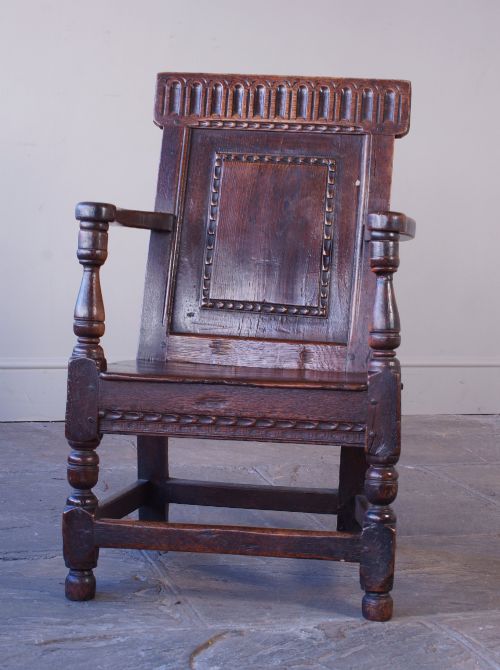
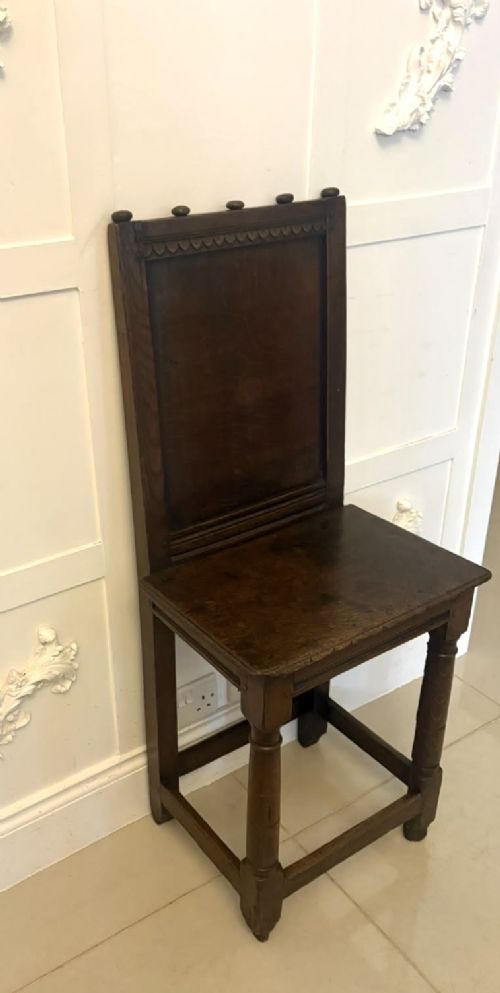
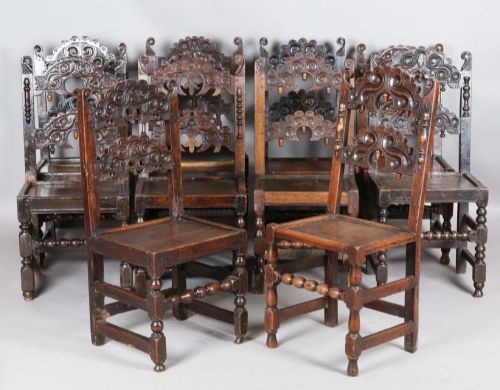
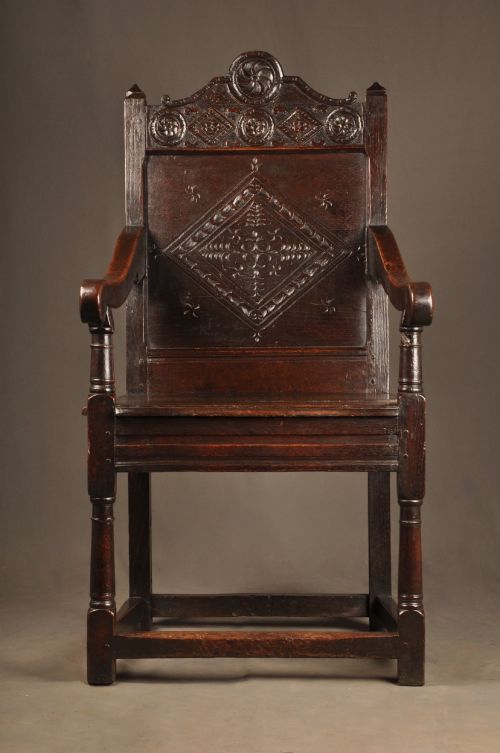
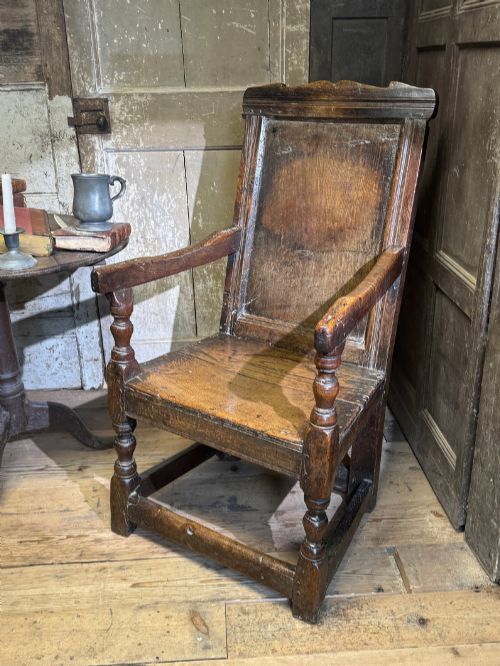
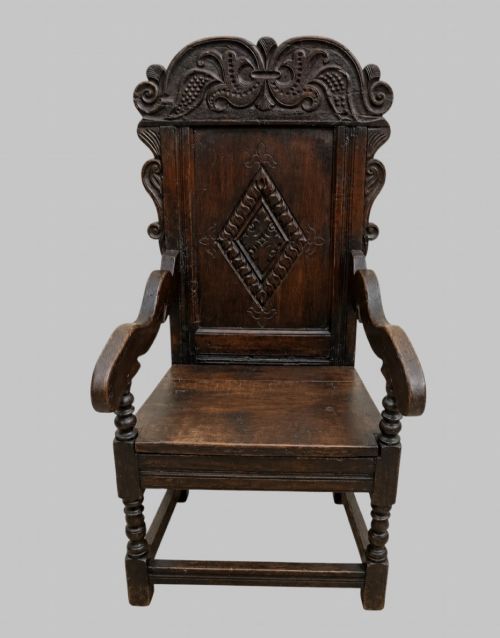
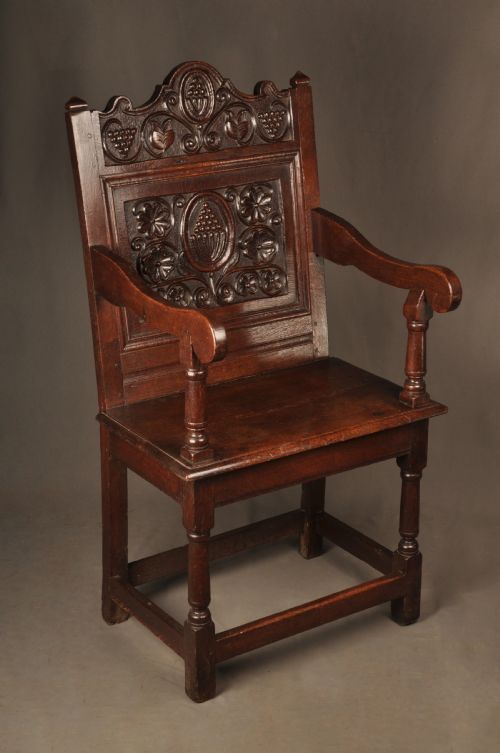
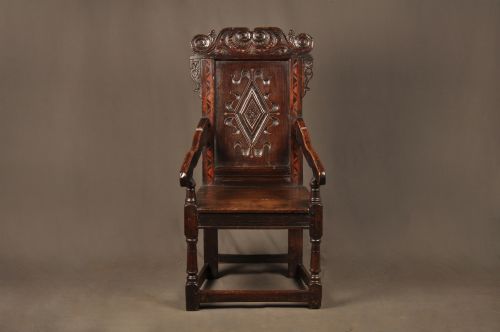
A seventeenth century chair encompasses robust utilitarian forms including heavy wainscot armchairs, side chairs, backstools, and child highchairs originating primarily from English and Welsh regions. Regional varieties such as Lancashire, Cheshire, and Yorkshire types display distinctive carving patterns and panelled backs.
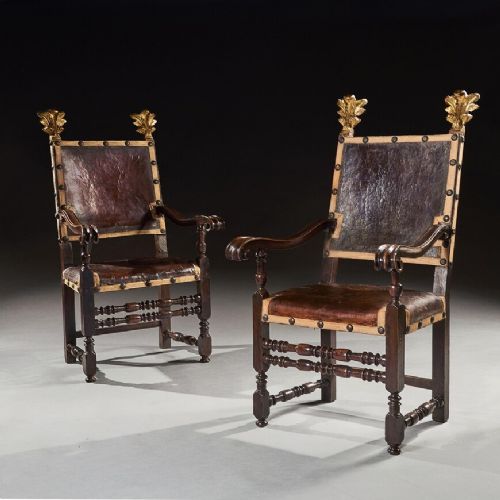
Buyers also encounter later nineteenth and early twentieth century revival pieces created in the Jacobean, Tudor, and William and Mary styles, alongside continental Italian Baroque examples executed in walnut with parcel-gilding.
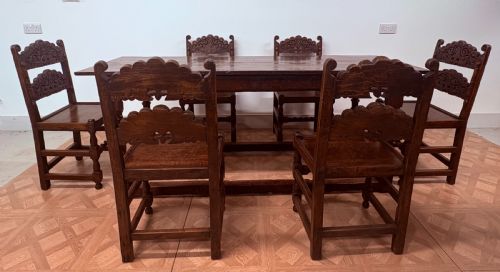
The selection ranges from sturdy joined oak dining sets and benches to diminutive lambing chairs and fruitwood children's seats dating back to the sixteen-eighties.
Materials and construction
Makers relied heavily on solid oak and fruitwood, joined using traditional pegged mortise and tenon joints that lent the timber frames immense rigidity without metal fasteners.
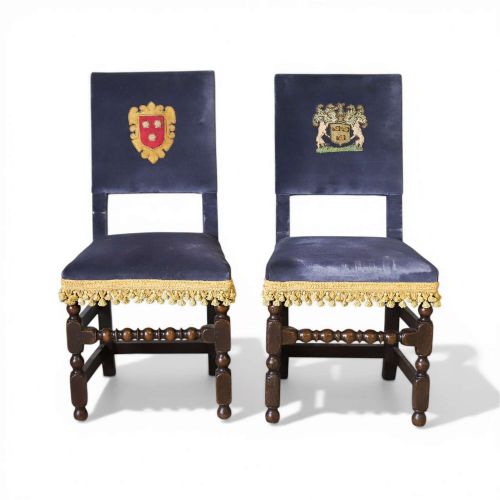
Seating surfaces and back panels incorporated woven cane, supple leather, and rich velvet upholstery, sometimes embellished with gold leaf or heraldic crests.
Surface decoration depended on chip-carving, incised geometric patterns, and raised mouldings applied directly to the structural woodwork.
Seventeenth Century Chair Retail Price Guide 2026
Typical asking prices for seventeenth century chair among the pieces listed under this phrase on Sellingantiques today, from the lower quarter to the upper quarter. They describe what is for sale here now, not the wider market.
Materials recorded across the selection comprise solid oak, walnut, leather, cane, velvet, iron, and gold leaf.
Judging execution and survival
Quality rests on the integrity of the original timber frame, the crispness of hand-carved details on wainscot panels, and the depth of natural patina accumulated on exposed oak surfaces.
Examples that retain their original joinery without excessive timber replacement command attention, whereas heavily restored frames or later nineteenth century revival pieces reflect different tiers of age and craftsmanship.
Waring & Gillow
The Seventeenth Century Chair Glossary
- Wainscot chair
- A heavy wooden armchair characterised by a panelled back and solid wooden seat, typical of the seventeenth century. These pieces often feature carved upper rails and sturdy arm supports.
- Backstool
- An early form of chair without arms, essentially a stool fitted with a vertical wooden backrest. They served as versatile seating around seventeenth century tables.
- Joined oak
- Furniture constructed using closely fitted mortise and tenon joints secured with wooden pegs rather than nails. This method defined the cabinet-making standards of the period.
- Cane
- Woven rattan material used for seats and back panels on specific chair types, offering a lighter alternative to solid timber or upholstered pads.
- Lambing chair
- A low, hooded chair traditionally designed to protect occupants from drafts near the hearth. They were frequently constructed from fruitwood.
Seventeenth Century Chair: Frequently Asked Questions
How do I identify a genuine seventeenth century chair?
Examine the construction methods, looking for pegged joints, hand-carved wooden panels, and timber shrinkage consistent with age.
Compare the piece against known regional styles like Lancashire or Yorkshire wainscot chairs to verify authentic period characteristics.
What is a wainscot chair?
A wainscot chair is a heavy oak armchair featuring a panelled wooden back and a solid seat, built to withstand daily use.
These pieces were principal furnishings in seventeenth century households and often displayed carved crest rails.
How should I care for antique oak chairs?
Keep wooden chairs away from direct heat sources and sudden humidity changes to prevent the oak timber from splitting.
Apply traditional wax polish sparingly to maintain the natural finish without building up heavy chemical layers.
What distinguishes revival chairs from original pieces?
Revival chairs, produced during the nineteenth and early twentieth centuries, often utilise machine-cut elements and standardised joinery.
Original seventeenth century examples show distinct tool marks, hand-carved variations, and deep patination developed over centuries.