





Seventeenth Century Armchair
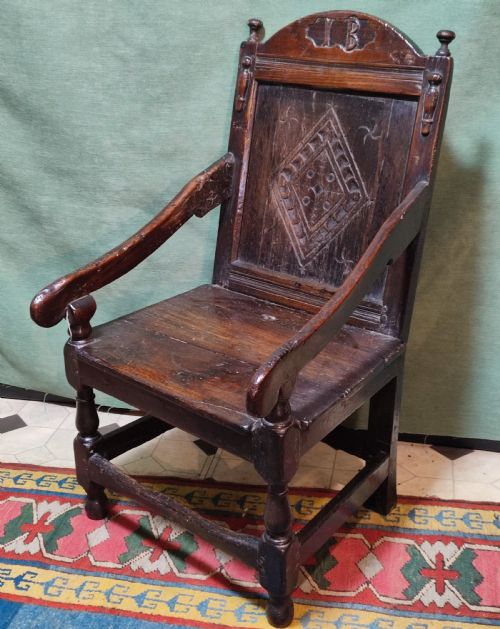
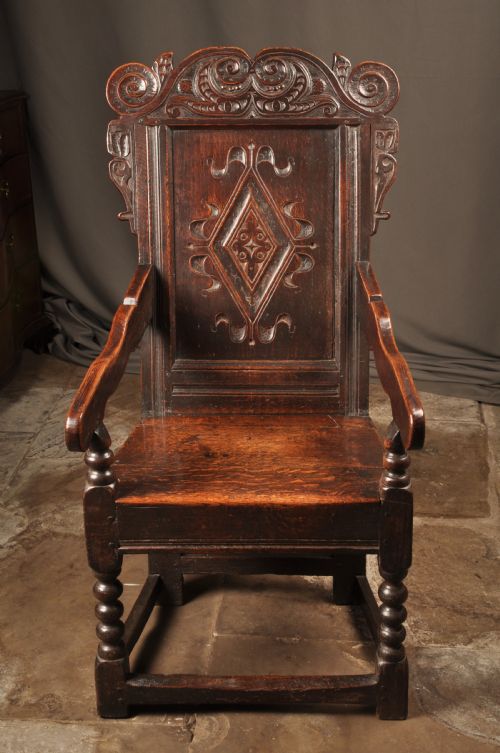
These seventeenth century armchair examples unite solid oak construction with panelled backs, offering a direct link to early domestic life.
Seventeenth Century Armchair
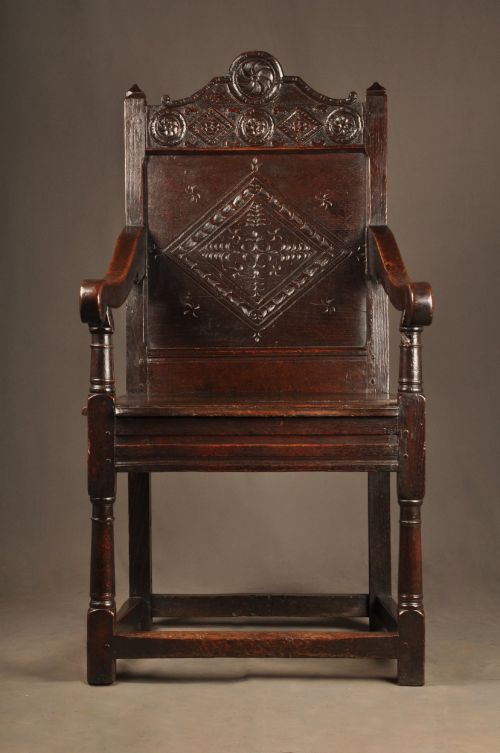
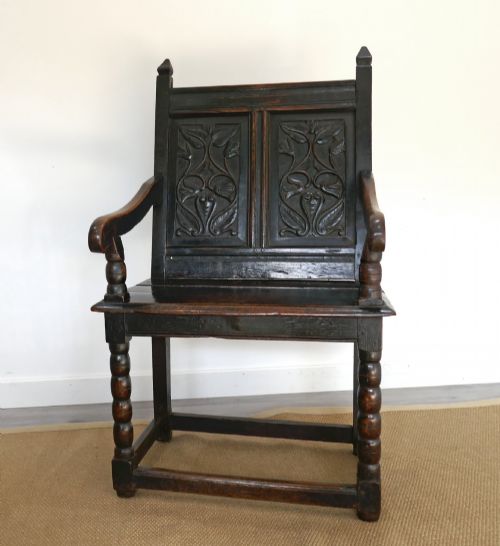
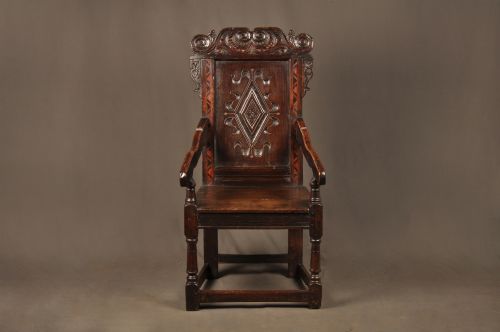
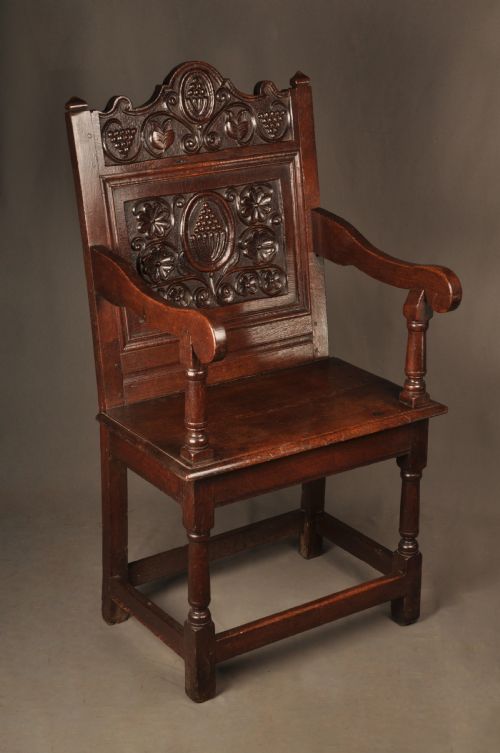
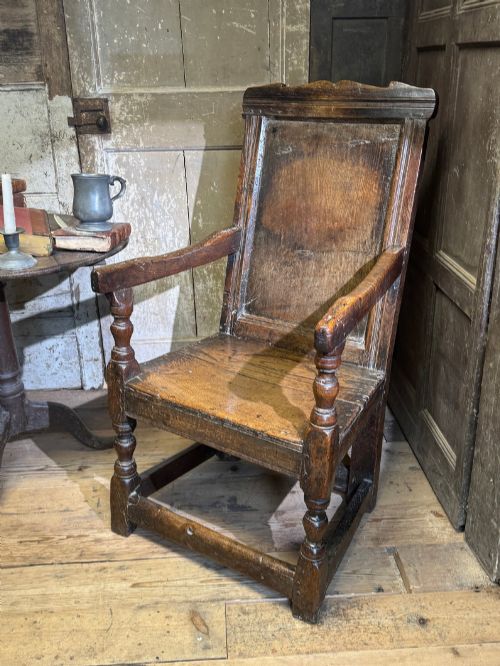
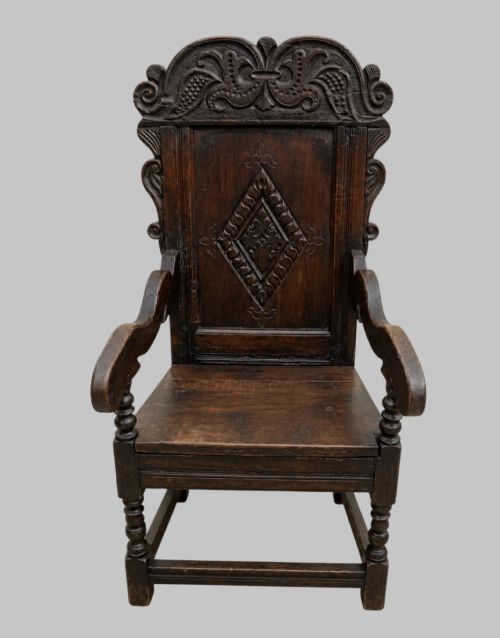
A seventeenth century armchair most commonly appears as a solid oak wainscot chair featuring panelled timber backs and open arms. Regional variations emerge from Lancashire, Yorkshire, and Wales, alongside rarer child lamps and highchairs.
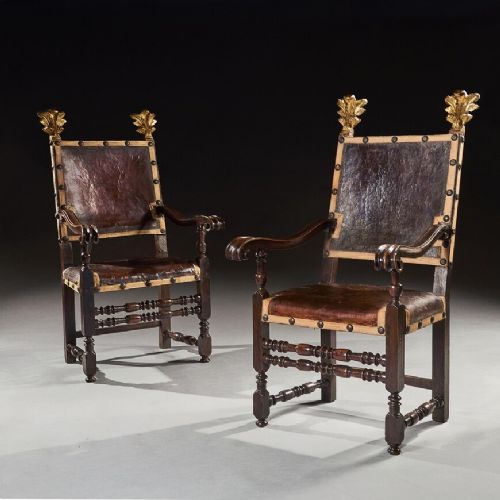
The selection also spans Italian Baroque parcel-gilt walnut models and later revival interpretations from the nineteenth and twentieth centuries. These pieces reflect diverse domestic needs, from master seats to fireside chairs.
Materials and construction methods
Joinery defines these pieces, utilising pegged joints, solid oak boards, and fruitwood or laburnum rather than complex upholstery. Surfaces often display carved detailing, while auxiliary materials like cane, leather, velvet, and brass provide contrasting textures.
Makers shaped structural elements by hand, employing turning on legs and stretchers for stability. Natural finishes highlight the grain of the timber, sometimes enhanced by parcel-gilt or gold leaf applications on continental examples.
Seventeenth Century Armchair Retail Price Guide 2026
Typical asking prices for seventeenth century armchair among the pieces listed under this phrase on Sellingantiques today, from the lower quarter to the upper quarter. They describe what is for sale here now, not the wider market.
Listings feature woods including oak, walnut, fruitwood, and laburnum, paired with textiles such as leather, cane, and velvet.
Factors influencing quality
Depth of carving and clarity of regional attribution separate standard examples from finer works. Crisp execution in the panel relief indicates superior craftsmanship within local workshops.
The integrity of the original timber frame and the presence of period surface patination dictate the desirability of a piece. Original construction methods without extensive replacement timber hold greater architectural honesty.
The Seventeenth Century Armchair Glossary
- Wainscot chair
- A solid wooden armchair constructed with panelled backs and turned supports, typical of early domestic interiors. These heavy chairs formed significant household assets.
- Joined oak
- Furniture constructed using mortise and tenon joints secured with wooden pegs. This method replaced earlier boarded construction techniques.
- Parcel-gilt
- Wood partially decorated with applied gold leaf to highlight specific carved details. This treatment appears on continental Baroque items.
- Bobbin turned
- Legs or stretchers shaped on a lathe to resemble a series of rounded reels or bobbins. It provides decorative rhythm to the undercarriage.
- Lambing chair
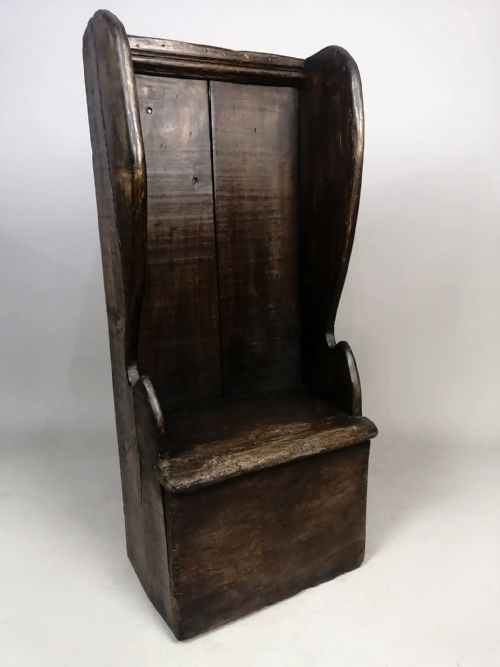
- An enclosed wooden seat designed to shield the occupant from drafts near the hearth. They often incorporate solid side wings.
Seventeenth Century Armchair: Frequently Asked Questions
Where were seventeenth century armchairs used?
These seats occupied important positions in great halls, parlours, and farmhouses, often reserved for the head of the household. Their substantial weight meant they remained fixed in principal rooms.
Smaller versions functioned as fireside or children's chairs, offering protection from cold drafts in unheated spaces.
How do I identify a genuine seventeenth century piece?
Examine the construction methods, tool marks, and timber shrinkage to assess age. Pegged joints and hand-split oak panels display irregularities absent in later machine-made furniture.
Compare the decorative carving against documented regional styles from areas like Yorkshire or Lancashire to confirm the period.
What is a wainscot chair?
A wainscot chair is a heavy wooden armchair built primarily from oak with panelled backrests. The term originally referred to fine imported oak boards used for panelling.
Over time, the name became attached to these sturdy panelled armchairs found in seventeenth-century homes.
How do I care for antique oak furniture?
Maintain stable indoor humidity and temperature levels to prevent the solid oak from splitting or warping. Keep timber away from direct heat sources and strong sunlight.
Apply traditional wax sparingly to nourish the wood surface and preserve the natural patination built up over centuries.