




Charles I Armchair
When you search for a charles i armchair, you enter a field of heavy timber and joined construction dominated by seventeenth-century wainscot forms.
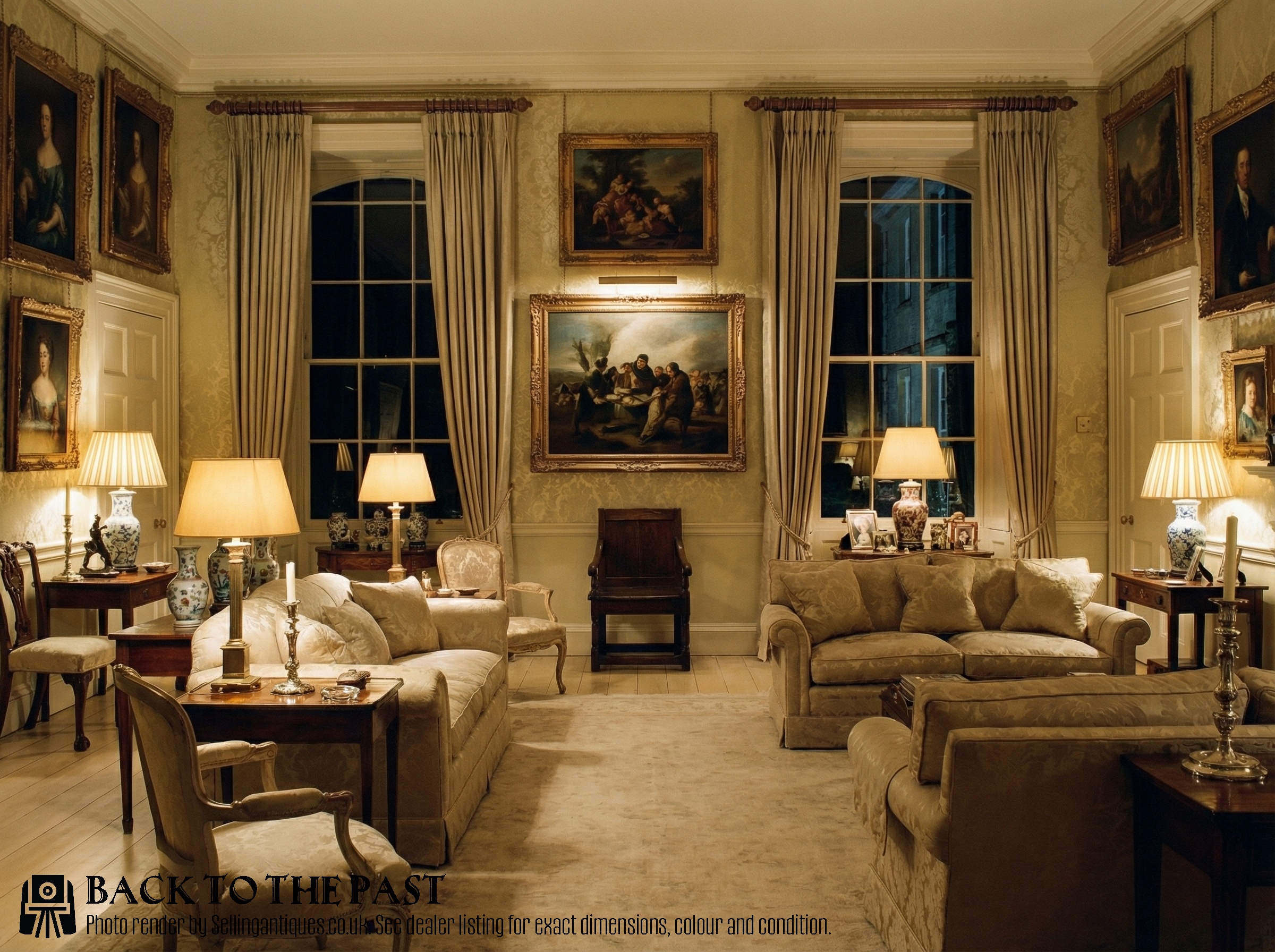
Charles I Armchair
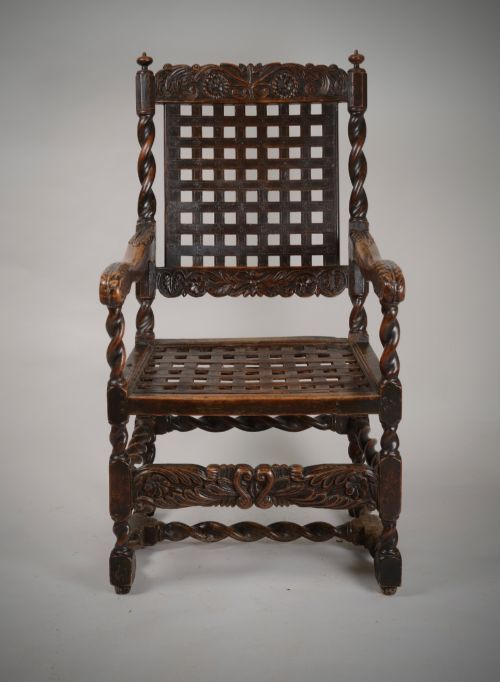
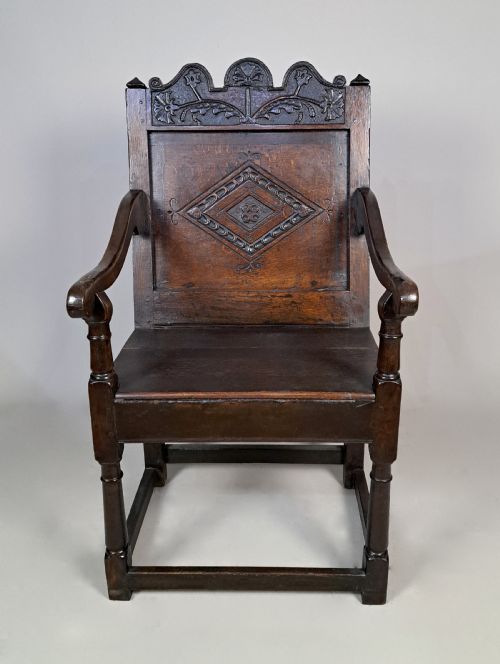
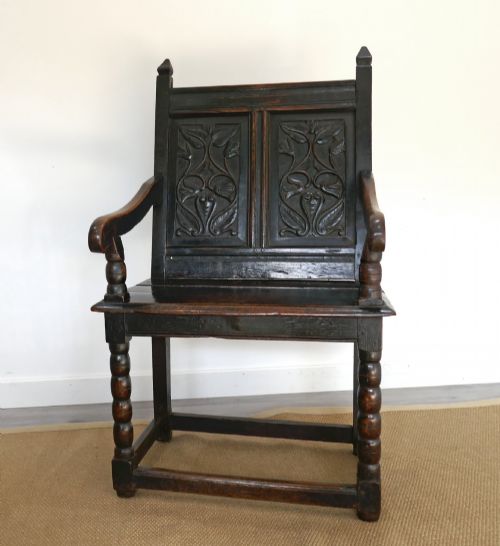
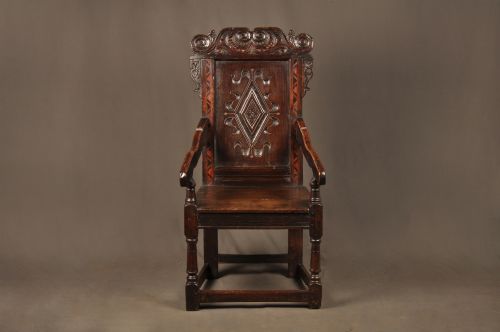
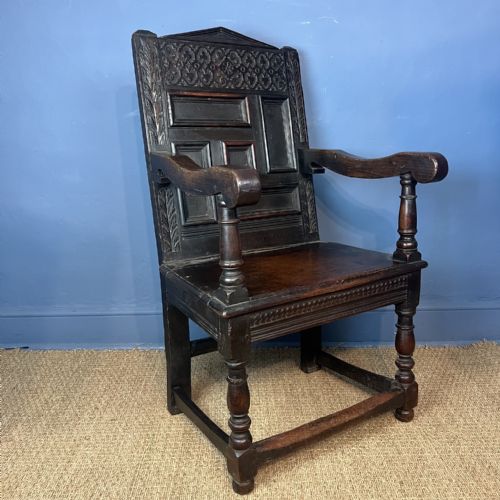
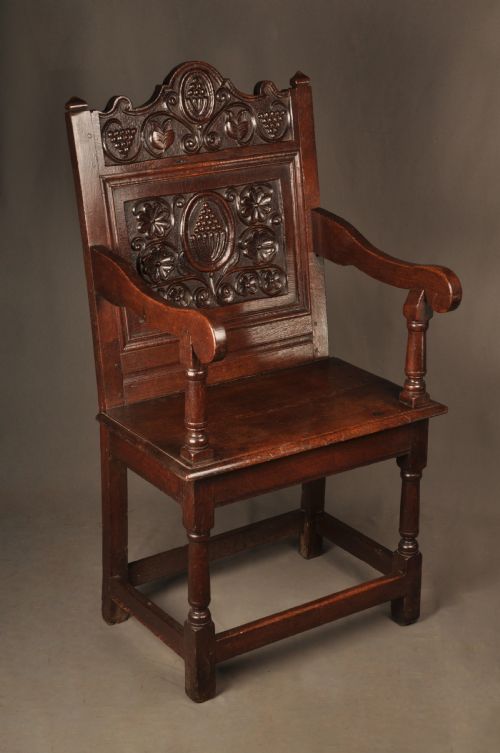
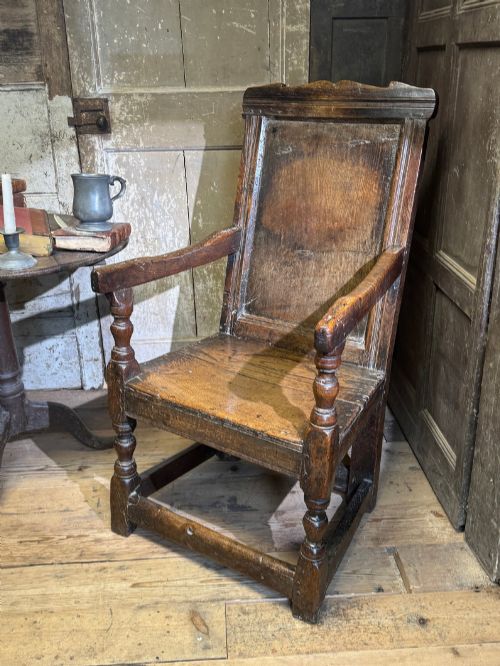
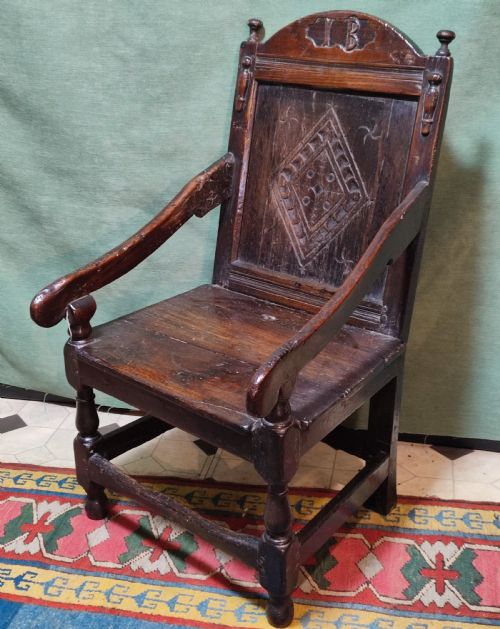
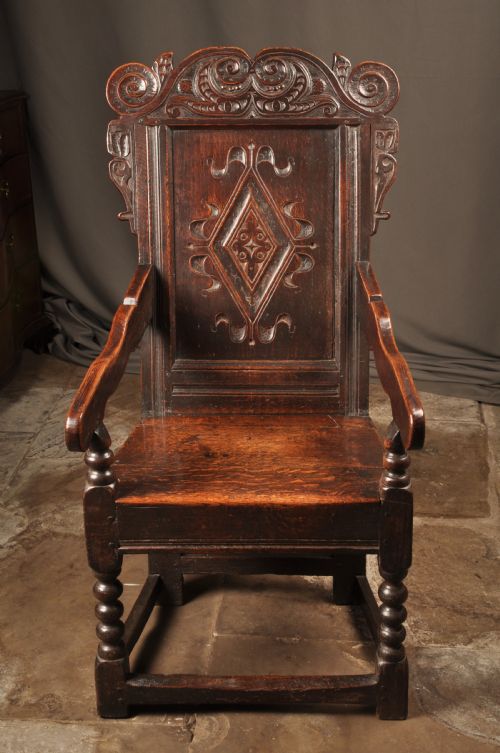
A charles i armchair typically refers to solid oak wainscot chairs originating in seventeenth-century England, though the designation frequently extends to related joined seating from the mid-seventeenth century. These heavy timber seats feature panelled backs, solid wooden seats, and sturdy armrests supported by turned or shaved legs.
While true period examples from the early seventeenth century survive, buyers also encounter nineteenth-century revival pieces modelled after Carolean and seventeenth-century styles in oak and walnut. Regional variations such as Yorkshire, Lancashire, and Welsh wainscot chairs appear alongside later continental pieces bearing stylistic connections.
The category encompasses not only standard armchair forms but also master chairs, enclosed armchairs, and occasional dining chairs produced in regional workshops using native hardwoods.
How they were made
Construction relies heavily on traditional joinery methods such as mortise and tenon joints secured with wooden pegs, creating rigid frames without relying on metal fixings. Regional makers utilised native timbers including oak, walnut, laburnum, and yew, selecting dense heartwood for durability.
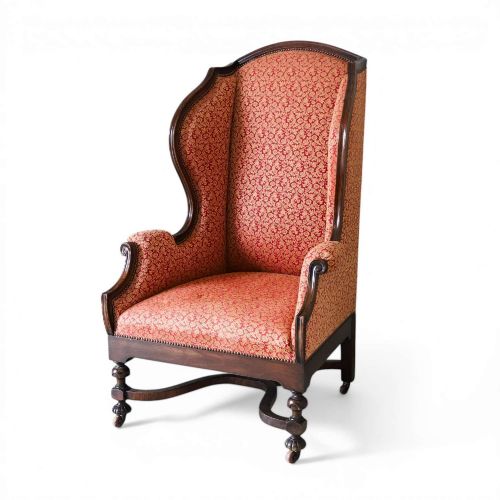
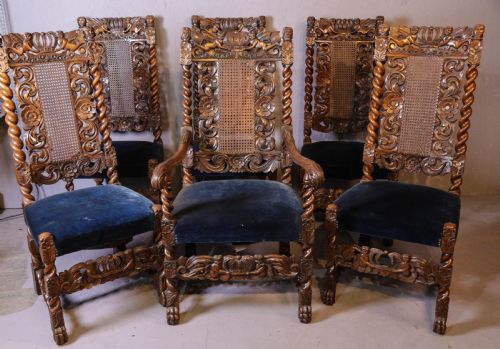
Decoration on seventeenth-century examples involves chip-carving, gouge work, and relief panels on the backrest, often depicting floral motifs, scrolls, or geometric patterns. Later nineteenth-century revivals incorporated heavy machine and hand carving into walnut and oak frames, sometimes upholstered in velvet, damask, or tapestry fabrics.
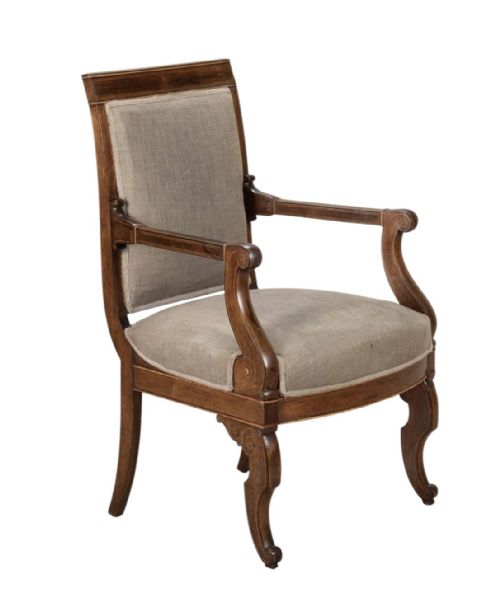
Listings span several centuries, combining seventeenth-century oak wainscot chairs with nineteenth-century Carolean revival seating in walnut and rosewood.
What varies in quality
The integrity of the timber and the extent of original structure determine the standing of an individual piece within this tradition. Early wainscot chairs retain their original panel backs, pegged joints, and unreplaced seat boards, whereas heavily restored examples often incorporate replacement timbers from later centuries.
Carving depth and sharpness distinguish provincial workshop output from finer urban or commissioned pieces. Crisp relief work on the crest rail and back panels indicates superior craftsmanship, while softened edges and blurred details suggest wear or heavy over-cleaning.
Charles Hindley and Sons·Charles Robert Ashbee·Charles Bevan·James Lamb·Charles François Normand·Charles Rennie Mackintosh
The Charles I Armchair Glossary
- Wainscot chair
- An early wooden armchair constructed primarily from panelled timber rather than upholstery. These heavy seats were status objects in seventeenth-century households.
- Carolean
- Pertaining to the reign of King Charles II from 1660 to 1685, characterised by lavishly carved walnut, scrolling woodwork, and ornate crest rails. This style experienced significant revivals during the Victorian period.
- Peg joint
- A traditional method of securing mortise and tenon timber connections using wooden dowels or trunnels. This technique allows wood to expand and contract naturally with seasonal humidity changes.
- Crest rail
- The horizontal top member of a chair back, frequently shaped, pierced, or carved with heraldic or floral motifs. On seventeenth-century chairs, this element receives the most prominent decoration.
Charles I Armchair: Frequently Asked Questions
How do I identify a true seventeenth-century wainscot chair?
Examine the construction methods visible on the underside and back of the frame, looking for hand-cut joints secured by pegged wooden dowels rather than modern screws. Timber shrinkage, tool marks, and surface patina accumulated over centuries provide reliable indicators of genuine period age.
Compare the panel construction and carving style against known regional archetypes from districts like Yorkshire or the West Country. Authentic early examples display wear patterns consistent with centuries of domestic use rather than artificial distressing.
How should I care for an antique oak armchair?
Maintain a stable indoor environment away from direct heat sources and strong sunlight, which cause old timber to dry out and split. Apply traditional beeswax sparingly to nourish the wood surface and preserve the historic patina without sealing the pores.
Avoid modern liquid polishes containing silicone, as these penetrate open-grain hardwoods and degrade the finish over time. Regular dusting with a soft, dry cloth remains the best maintenance practice.
Were these heavy wooden chairs actually comfortable?
Seventeenth-century wainscot chairs were designed for posture and status rather than lounging, featuring rigid upright panel backs and solid wooden seats. Households typically added loose squab cushions filled with wool or feathers to soften the hard oak surface during extended sitting.
Later Victorian revival versions often introduced padded upholstery or curved wing formats to align with nineteenth-century standards of domestic comfort.