
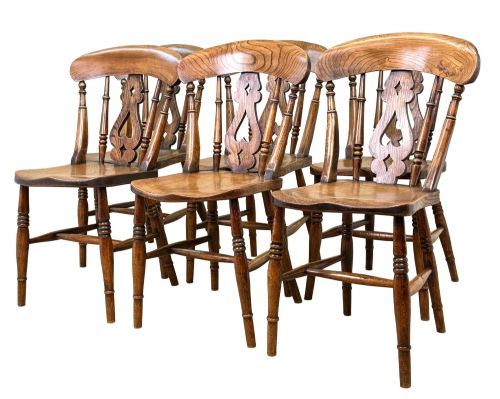
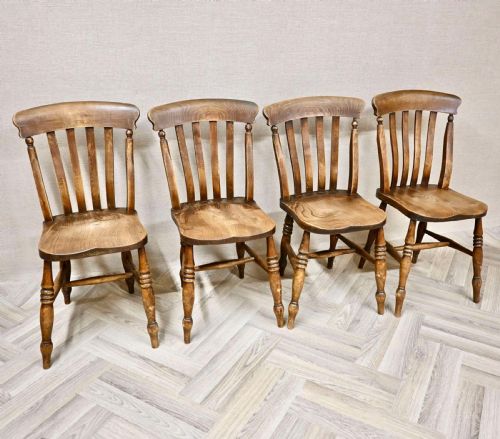
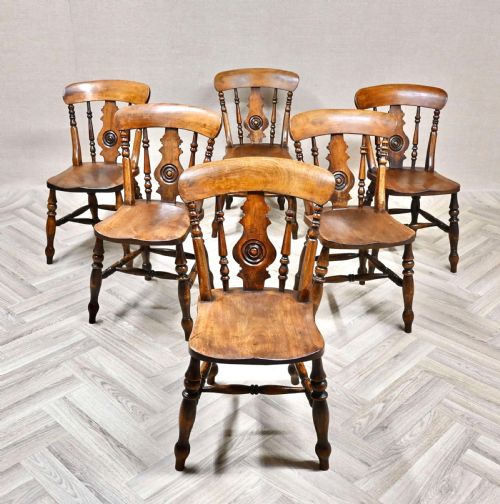
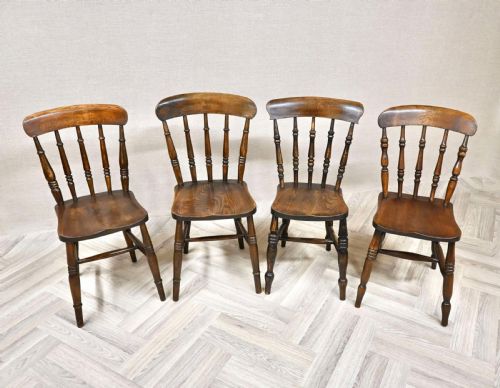


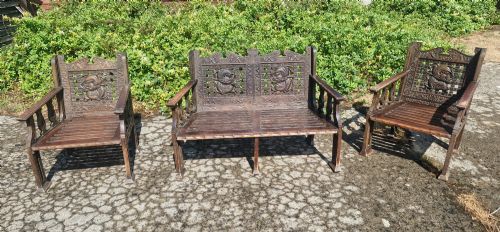
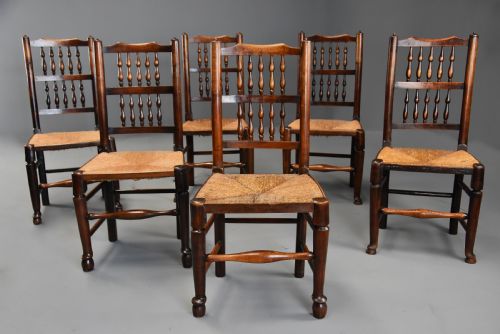
Set of Country Chairs
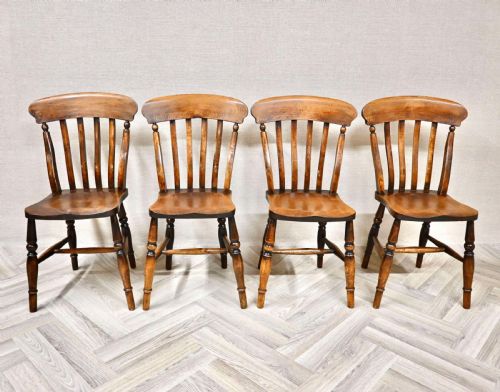
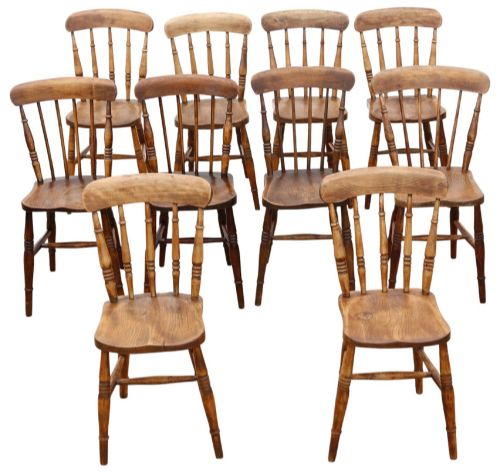
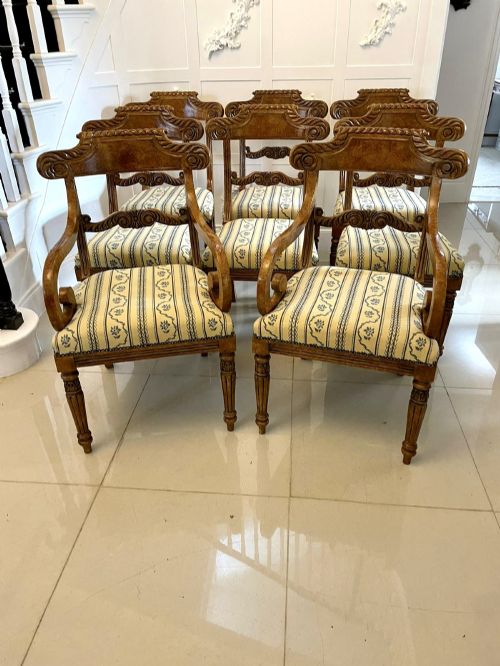
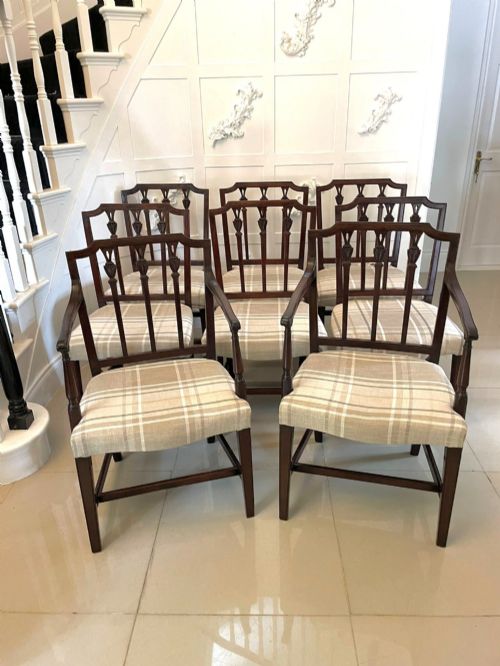
When you search for a set of country chairs, you are looking at matched or harlequin groups of seating shaped by regional traditions and domestic utility.
Set of Country Chairs
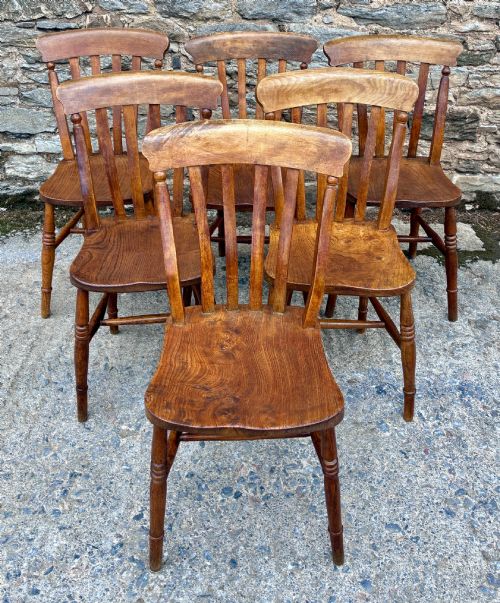
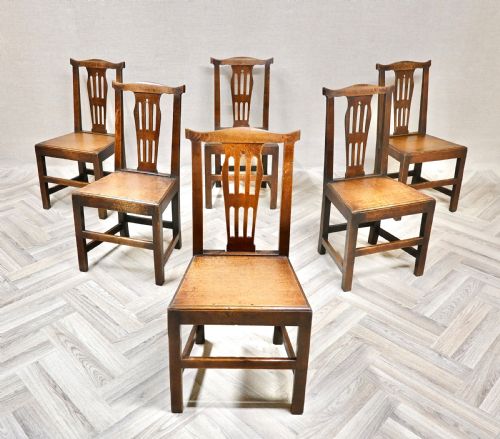
A set of country chairs brings together multiples of vernacular seating, most frequently encountered in kitchen dining forms such as Windsors, ladderbacks, and spindlebacks originating from the eighteenth, nineteenth, and early twentieth centuries.
The material record shows a strong preference for native timbers like elm, ash, beech, and oak, often combined within a single frame to exploit the specific bending and load-bearing properties of each wood.
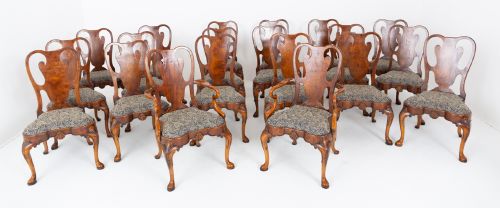
These groupings range from uniform sets made in a single workshop to harlequin collections assembled over time, reflecting the practical domestic life of farmhouses, cottages, and country houses rather than formal urban parlours.
How they were made
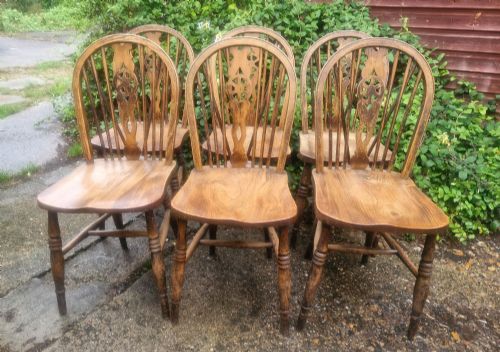
Construction relied heavily on greenwood working techniques, utilising steam-bent ash for hoops and bows alongside heavily grained elm for solid saddle seats.
Turned components in beech and oak provided structural rigidity for legs and spindles, assembled using traditional mortise-and-tenon joints secured with wooden wedges.
Many wheelback chairs still retain faint pencil marks underneath the seat left by nineteenth-century turners keeping count of their daily output.
What varies in quality
Quality rests in the integrity of the timber selection and the degree of wear sustained by the seating platform and joints over centuries of use.
Finer examples display deeply sculpted saddle seats, well-matched turnings across the entire set, and a rich, undisturbed surface patina achieved through generations of handling.
The Set of Country Chairs Glossary
- Harlequin set
- A collection of chairs that share a similar style, period, or region but were not originally manufactured as a single unified group.
- Windsor
- A chair built with a solid wooden seat into which the legs, back, and spindles are individually inserted.
- Rush seat
- A seating surface woven from dried marsh rushes, commonly found on ladderback and provincial dining chairs.
- Spindle back
- A chair back featuring a series of thin, turned wooden uprights arranged vertically between the top rail and the seat.
Set of Country Chairs: Frequently Asked Questions
What is a harlequin set of chairs?
A harlequin set is a group of seating pieces that share matching styles, materials, and periods but were gathered together from different sources rather than produced in one workshop. These collections offer a cohesive appearance around a dining table while retaining individual character.
They allow buyers to acquire larger quantities of vintage seating that match in general tone and vernacular design without the uniformity of a strict factory-produced suite.
How do I care for antique wooden chairs?
Maintaining antique seating involves keeping them away from direct heat sources and sudden humidity changes to prevent the native timbers from splitting or shrinking. Regular gentle dusting and occasional waxing help preserve the natural surface finish.
Avoid using modern chemical polishes that can build up a sticky residue over time and dull the historic patina of the wood.
Are these chairs suitable for daily dining?
Most provincial dining chairs were originally built for heavy daily use in farmhouses and kitchens, making them sturdy and practical for contemporary dining. Their solid construction in elm, oak, and ash ensures they handle regular seating.
Buyers should check that the joints remain tight and the seats secure before putting antique seating into intensive daily service.
What woods were used in these chairs?
Maker workshops utilised readily available native hardwoods, frequently combining multiple timbers within a single frame according to their structural strengths. Elm was chosen for its resistance to splitting in solid seats, while ash provided flexible strength for steam-bent components.
Beech and oak frequently appear in the turned legs, stretchers, and ladder backs that support the overall framework.