



Serpentine Painted Chest
A serpentine painted chest brings fluid, undulating movement and decorated surface to a room, offering deep storage within a distinctive silhouette.
Serpentine Painted Chest
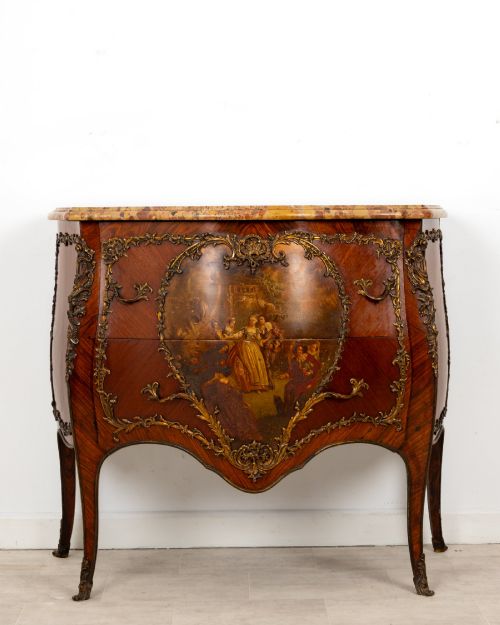
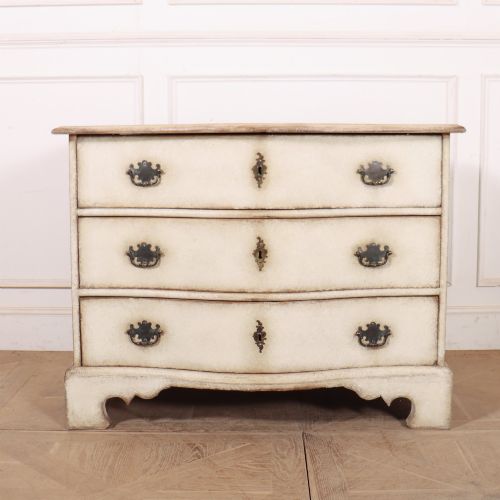
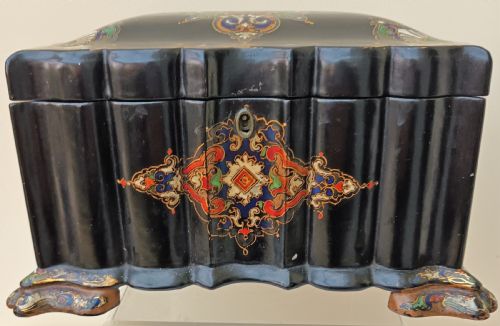
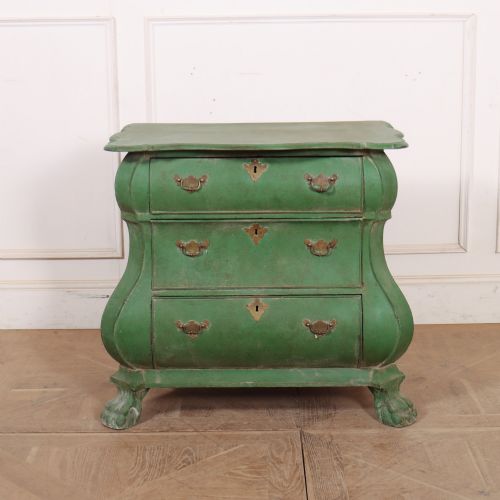
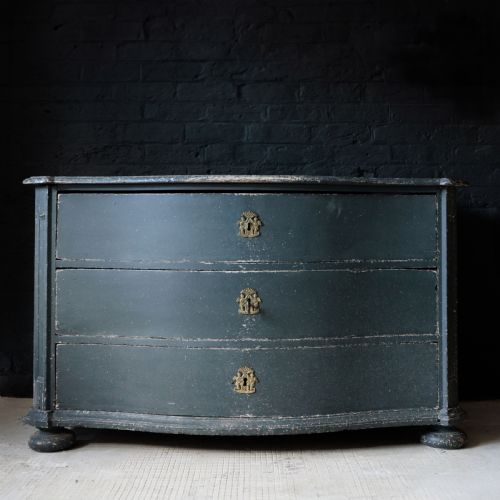
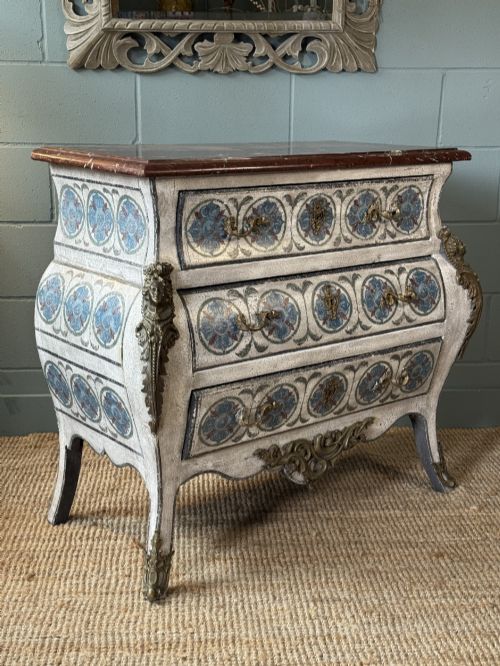
A serpentine painted chest presents a distinctive undulating front profile paired with a decorated wooden surface, functioning primarily as a commode or drawer unit. These pieces span the eighteenth, nineteenth, and early twentieth centuries, emerging from workshops across France, Italy, Sweden, Germany, and the Netherlands.
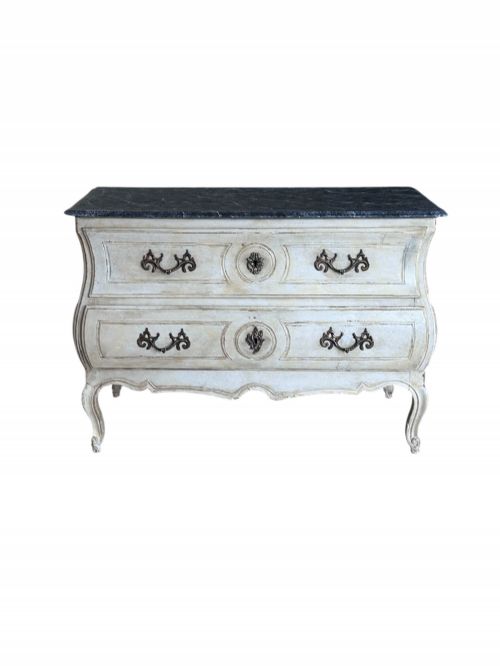
The form frequently adopts regional iterations such as the bombe profile or provincial commode styles. Buyers encounter pieces finished with floral motifs, chinoiserie details, or solid pigments applied over woods like oak, pine, and walnut.
Makers ranged from provincial cabinetmakers to metropolitan workshops producing revival and rococo designs. The inventory includes both grand salon furniture and simpler country variants designed for domestic storage.
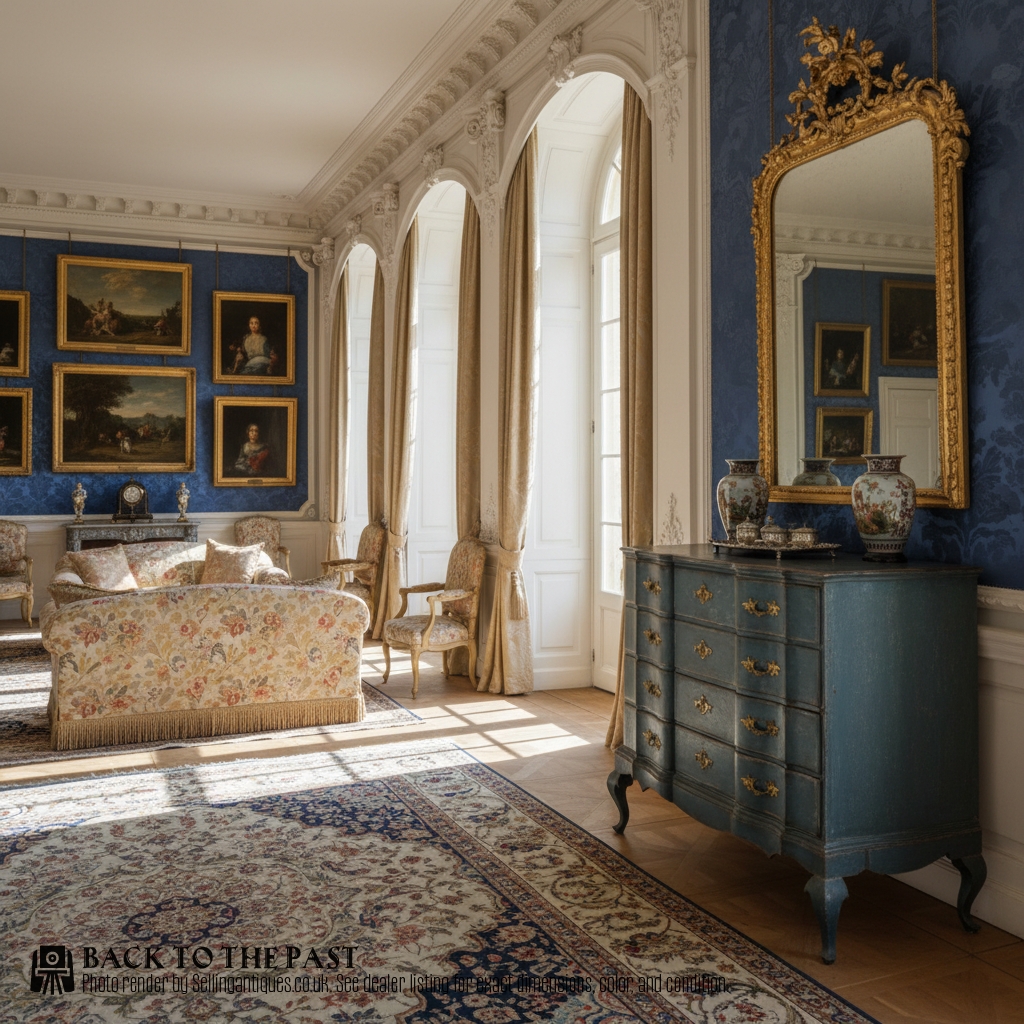
Materials and Construction
Carpenters constructed the carcasses from accessible timbers including pine, oak, and walnut, shaping the characteristic S-curve front through multi-layered joinery or solid timber carving. Surface preparation involved applying gesso or priming layers directly onto the wood to receive oil or distemper paint.
Finishing techniques combined hand-mixed pigments with decorative flourishes such as gilding, floral brushwork, and faux marble treatments. Metal mounts in brass or gilt-bronze frequently complemented the painted facades and supported functional drawer hardware.
The listings on this site record serpentine painted chests spanning the mid-eighteenth century through to the 1920s, utilising oak, pine, walnut, and marble.
Quality Variations
The integrity of the structural carcass and the precision of the serpentine curve separate finer examples from simpler provincial work. Crisp timber shaping requires advanced joinery skills to maintain stability along the undulating planes without warping.
Surface execution dictates visual distinction, where layered polychrome work, retained original pigment, and delicate brush detail demonstrate superior craftsmanship compared to later or heavy-handed overpainting.
The Serpentine Painted Chest Glossary
- Serpentine
- A shaped furniture front featuring a central convex curve flanked by two concave curves. This contour requires precise carpentry to execute across drawer fronts and frames.
- Commode
- A low chest of drawers or cabinet originating in France. These pieces served functional storage roles in domestic interiors.
- Bombe
- A swelling, outward-curving profile found on case furniture. This voluminous shape became prominent in Dutch and continental design.
- Chinoiserie
- European decorative style imitating Chinese artistic traditions. It appears on painted furniture through motifs of figures, landscapes, and pavilions.
- Gesso
- A plaster-like mixture applied to wood surfaces as a preparation for paint or gilding. It provides a smooth ground for detailed brushwork.
Serpentine Painted Chest: Frequently Asked Questions
Where were serpentine painted chests placed?
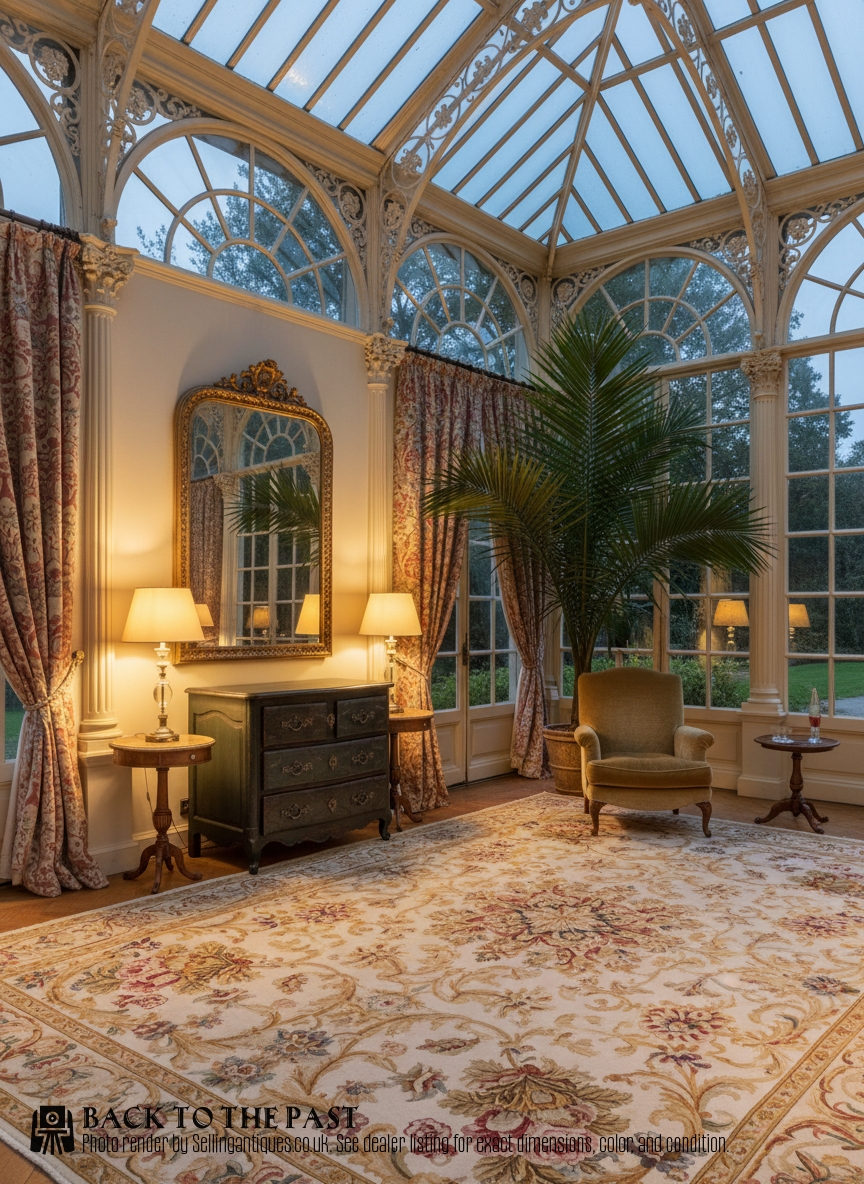
These pieces functioned primarily as commodes or storage chests within domestic chambers and formal reception rooms. Their decorative surfaces suited principal living spaces rather than utilitarian areas.
Craftsmen scaled them to serve against walls in bedrooms, halls, and parlours, providing both surface display and concealed drawer storage.
How do I care for a painted surface?
Maintenance requires dry dusting with a soft cloth to protect fragile historical pigments from abrasion. Avoid chemical sprays or excessive moisture which can lift old gesso and paint layers.
Keeping pieces away from direct sunlight and steady humidity changes preserves the stability of the underlying wood and decorative finish.
What is the difference between bombe and serpentine?
A serpentine shape involves a distinct horizontal S-curve across the front of the chest, moving inward and outward. Bombe refers to a swelling, bulging profile that projects outward in a rounded, three-dimensional form.
While both styles break away from flat fronts, bombe furniture emphasises volume and curved sides, whereas serpentine focuses on the undulating frontal rhythm.
How can I tell original paint from later decoration?
Original paint surfaces show natural craquelure, wear consistent with age, and pigment settling into the underlying wood grain or gesso. Examining the layers under magnification often reveals historical ground preparations beneath the surface.
Later decoration frequently appears flat, uniform, or lacks the integrated wear patterns found around handles and keyholes on older pieces.