
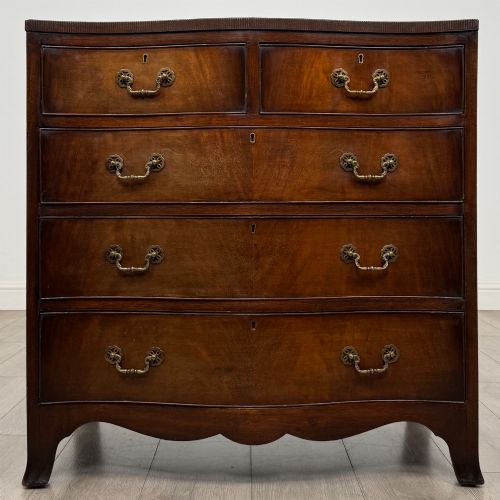
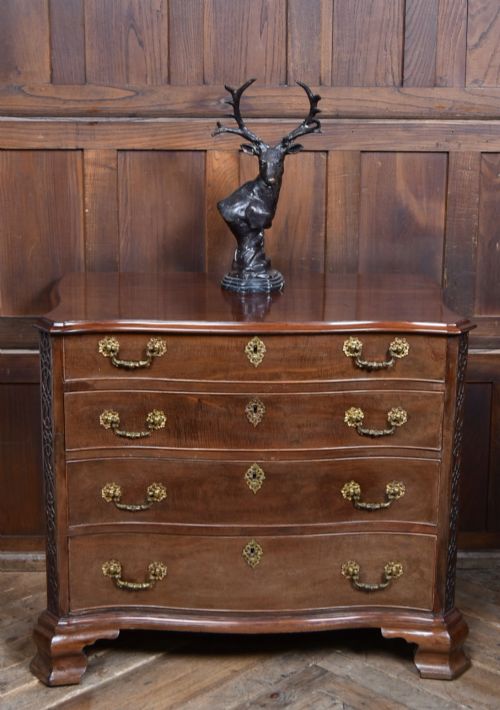
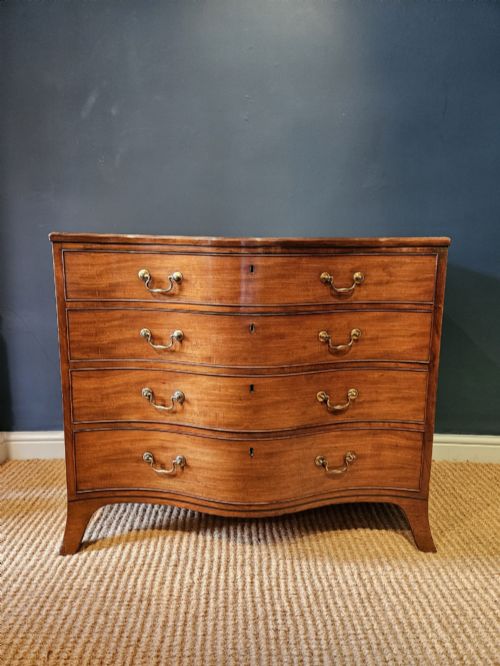
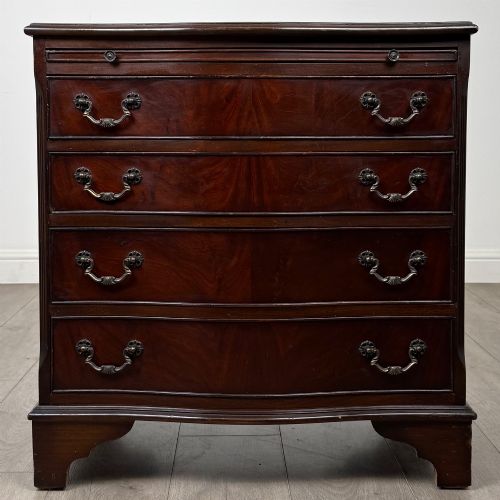



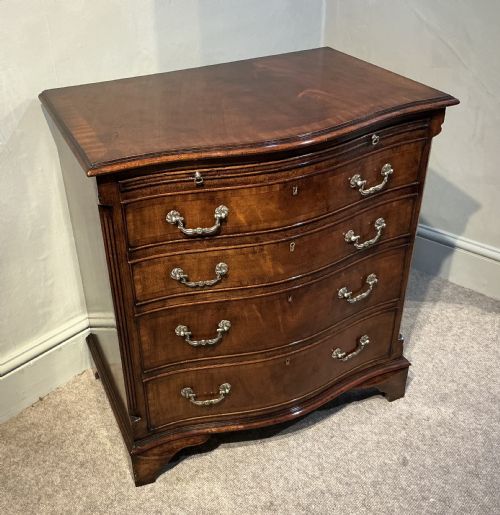
Serpentine Mahogany Bureau
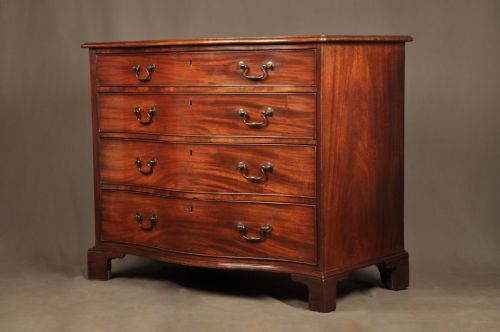
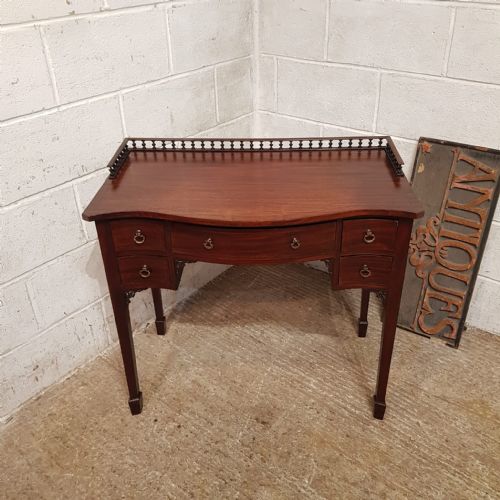
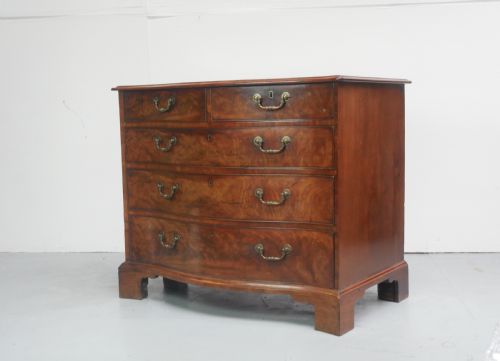
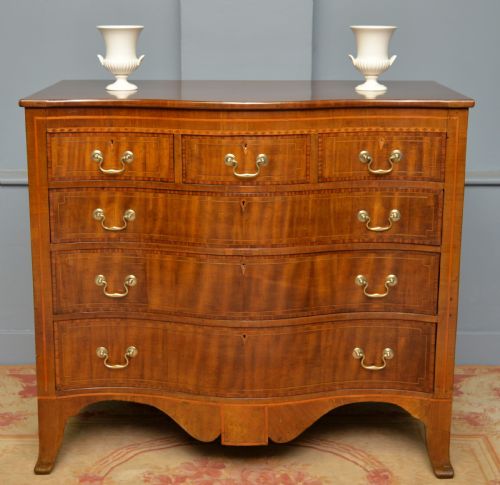
A serpentine mahogany bureau or chest combines a distinctively curved front with rich timber, uniting elegance and practical writing space in one piece.

Serpentine Mahogany Bureau
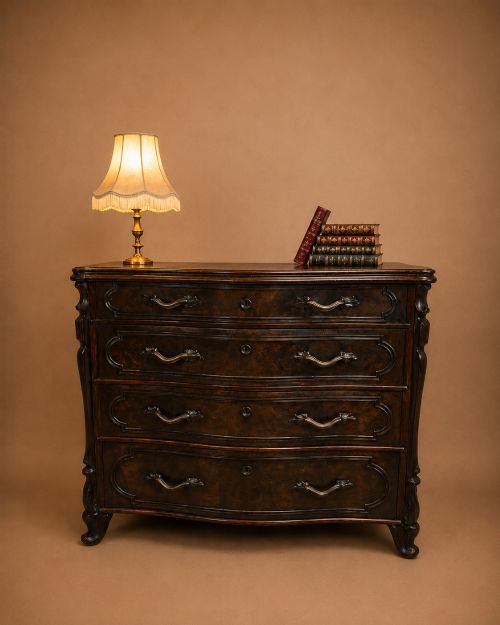
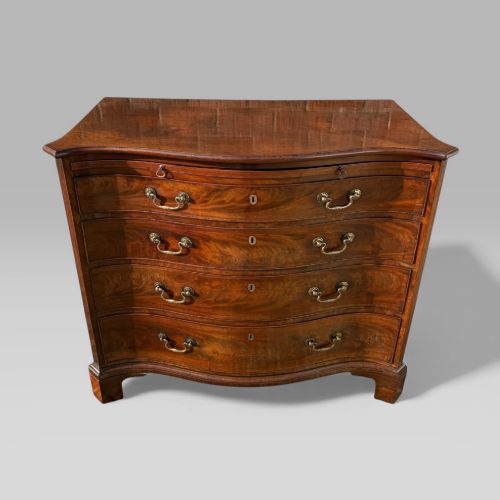
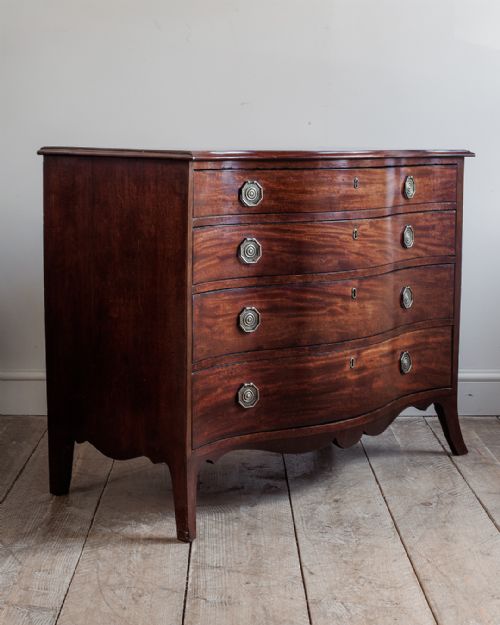
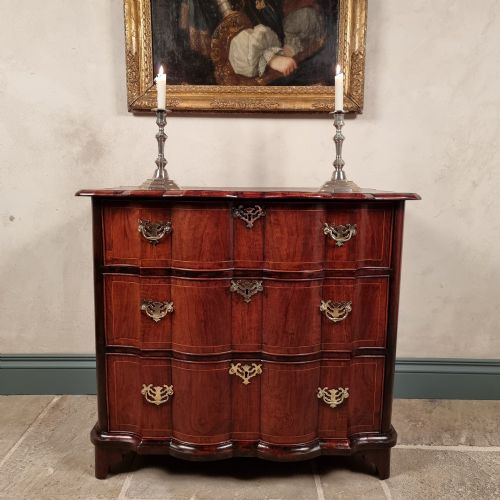
A serpentine mahogany bureau brings together the graceful, undulating curves of the serpentine form and the deep reddish-brown tones of mahogany timber. When you search for a serpentine mahogany bureau, you encounter items built primarily as chests of drawers, writing desks, and secretaire bookcases.
The pieces appearing on this page span several centuries, with origins tracing back to the Georgian and 18th century periods, as well as later Edwardian and revival eras. Chests with writing slides and kneehole desks dominate the selection, offering functional compartments alongside the characteristic undulating facade.
Makers and craftsmen from English, Scottish, and French workshops produced these items, employing regional cabinet-making traditions that range from classic George III designs to French Provincial and Chippendale styles. Each period brings distinct proportions and decorative treatments to the curved timber front.
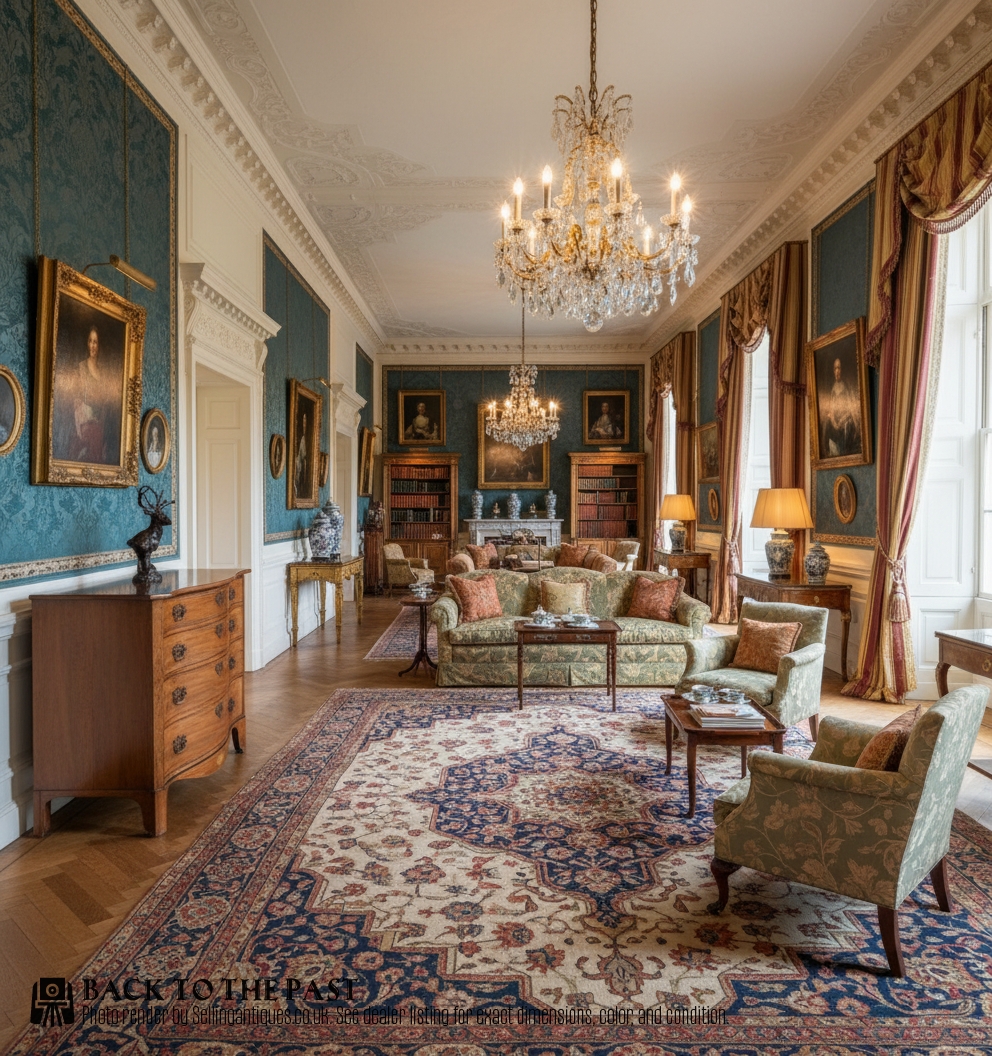
Materials and construction methods
Cabinet-makers relied on solid and veneered mahogany as the primary structural and visual medium, often pairing it with secondary woods such as oak and pine for drawer linings and internal framing. Timber selection focused on rich grain patterns, including fiddleback and figured varieties that caught the light across the curved surfaces.
Makers shaped the characteristic serpentine front by carefully cutting and bending solid timber or laying matched veneers over constructed carcases. Workshops integrated brass handles, escutcheons, and occasional ormolu mounts to accent the drawers and doors.
Fine decorative detailing involved boxwood inlay, contrasting stringing, and glazed panel sections for bookcase upper tiers. Writing compartments incorporated fitted pigeonholes and leather-lined writing surfaces designed for daily correspondence.
Serpentine Mahogany Bureau Retail Price Guide 2026
Typical asking prices for serpentine mahogany bureau among the pieces listed under this phrase on Sellingantiques today, from the lower quarter to the upper quarter. They describe what is for sale here now, not the wider market.
Listings feature items spanning the 18th Century, Georgian, Victorian, and Edwardian periods, constructed in mahogany, oak, and satinwood.
Distinctions in quality and execution
The refinement of the curved front defines the distinction between standard items and exceptional examples, requiring precise carpentry to maintain structural integrity along the sweeping lines. Superior pieces display seamless continuity in the grain across multiple drawer fronts, indicating careful timber selection by the cabinet-maker.
Hand-cut dovetailing in the drawer construction and the quality of internal fittings, such as secret compartments and sliding writing brushes, separate master workshops from mass-produced revival pieces. The crispness of inlaid boxwood stringing and the retention of original brass hardware further elevate a piece.
Proportion and balance dictate the aesthetic success of the design, where the sweep of the serpentine curve harmonises with the bracket feet or plinth base. Later revival interpretations from the Edwardian era contrast with 18th-century originals through differences in timber weight and construction depth.
Maple & Co.
The Serpentine Mahogany Bureau Glossary
- Serpentine
- A curved furniture front characterised by a convex centre flanked by concave sides. This undulating shape requires advanced woodworking skill to execute properly.
- Secretaire
- A desk or chest featuring a pull-down writing flap that conceals small drawers and pigeonholes. It combines storage capacity with a dedicated writing surface.
- Fiddleback
- A figured variety of mahogany timber showing transverse ripples that resemble the back of a violin. Cabinet-makers prized this figure for high-status furniture fronts.
- Dovetail
- A joint formed by interlocking wedge-shaped fingers used in drawer construction. Hand-cut dovetails indicate traditional craftsmanship before industrial manufacturing.
- Escutcheon
- A protective plate surrounding a keyhole, usually cast in brass. It prevents the timber around the lock from sustaining wear during use.
Serpentine Mahogany Bureau: Frequently Asked Questions
How do I identify an 18th-century piece?
Eighteenth-century examples typically display hand-cut dovetails, secondary timbers like oak, and proportioning specific to the Georgian era.
Makers working during this period utilised solid mahogany or figured veneers without modern mechanical fasteners.
Where were these bureaus made?
The listings include pieces originating from English, Scottish, and French workshops across different centuries.
Regional variations appear in the choice of inlay, brass hardware styling, and the exact curvature of the serpentine front.
How should I care for mahogany furniture?
Maintain mahogany furniture by keeping it away from direct sunlight and fluctuating heat sources that can dry out the timber.
Regular dusting with a soft, dry cloth preserves the finish without requiring heavy polishes or chemical treatments.