

Sepia Paper Art
Sepia paper art gathers works on paper rendered in monochrome tones, offering collectors intimate glimpses into historic draftsmanship and design.
Sepia Paper Art
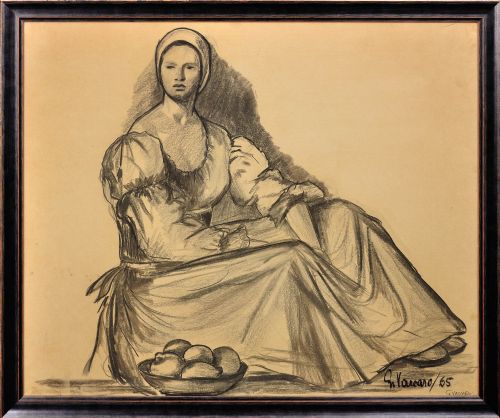
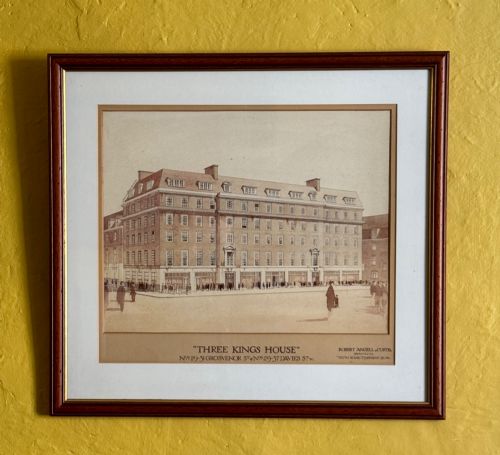
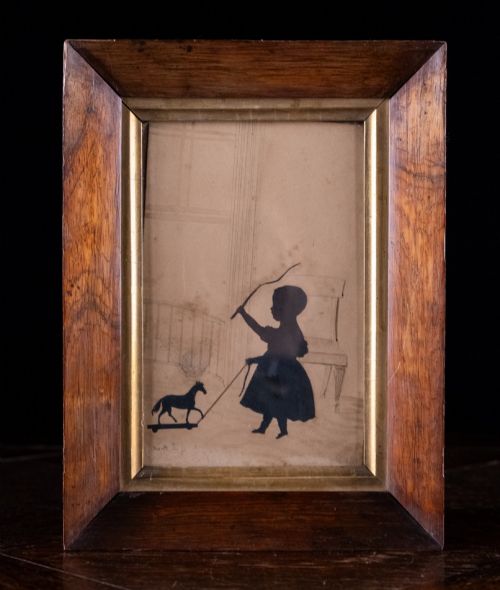
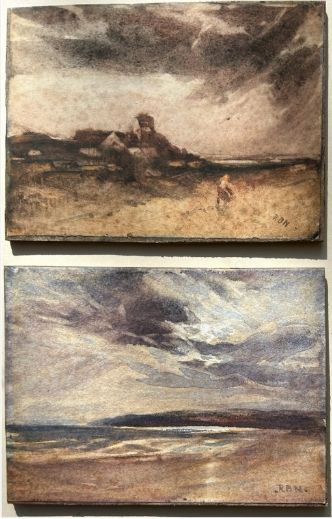
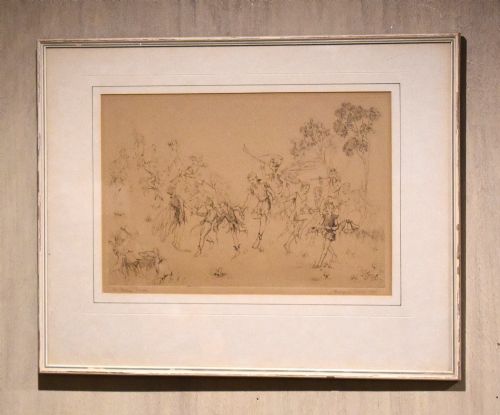
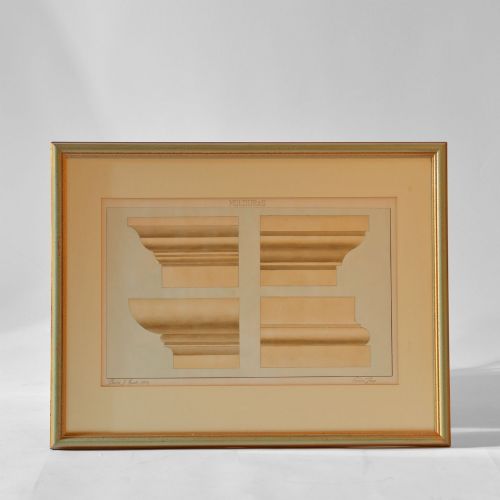
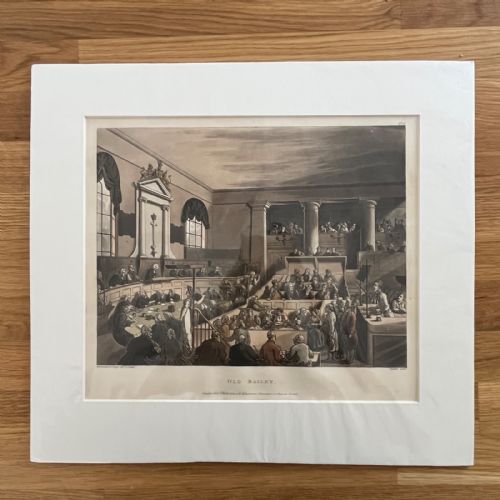
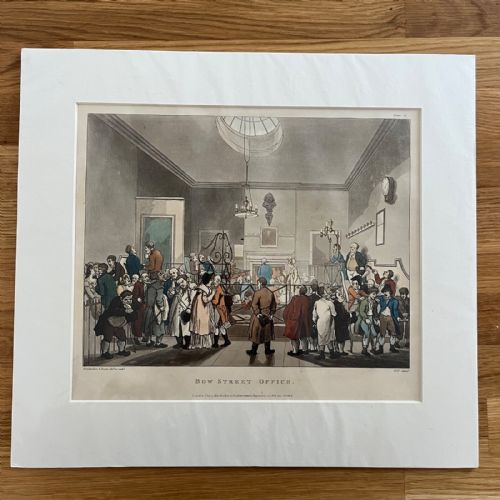
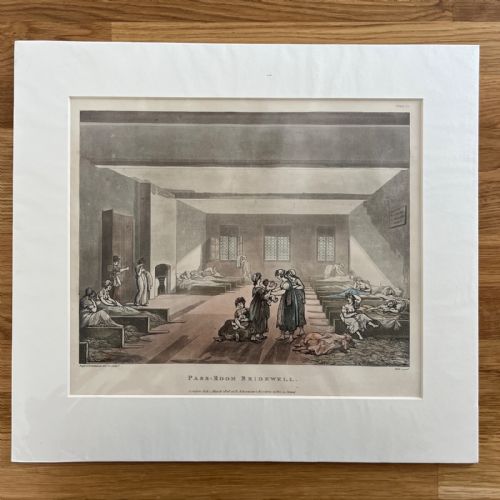
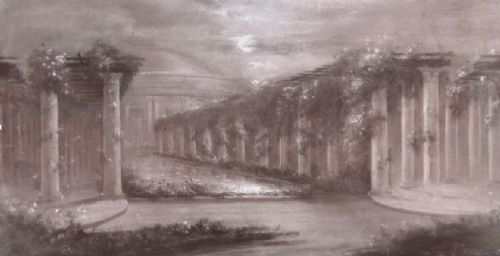
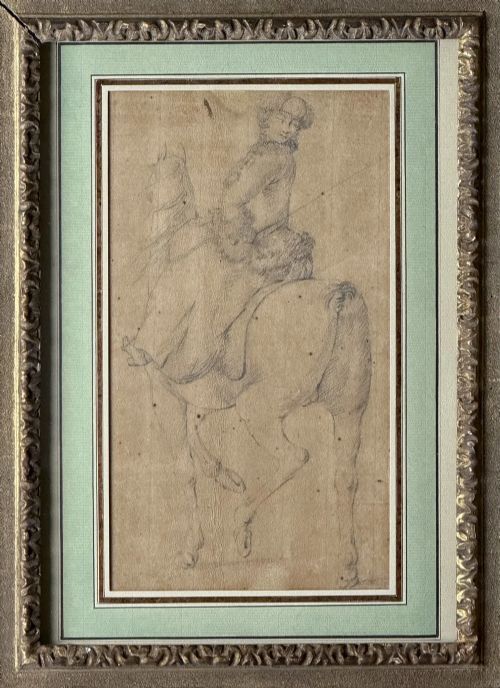
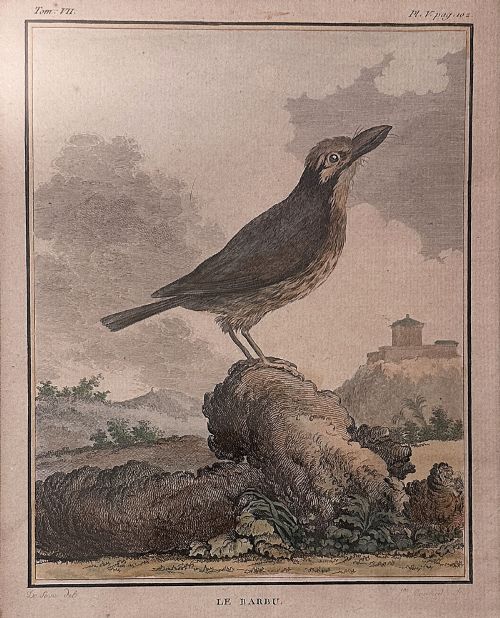
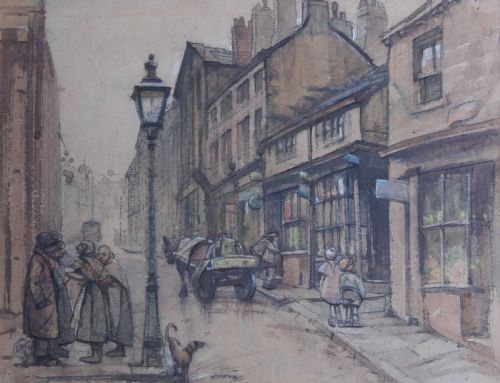
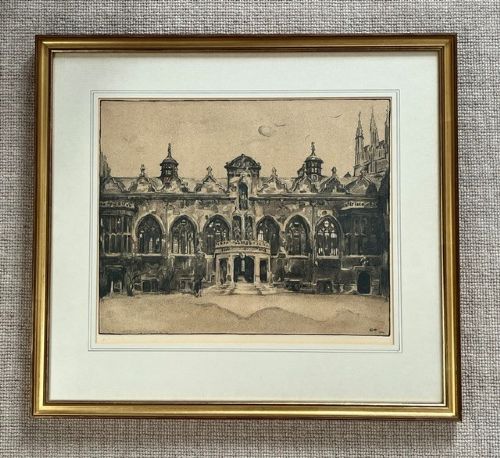
When you search for sepia paper art, you encounter a diverse range of works on paper spanning multiple centuries, including original watercolours, ink studies, charcoal drawings, and period engravings. These pieces capture historical moments, architectural designs, landscapes, and figure studies executed in monochromatic brown or neutral palettes.
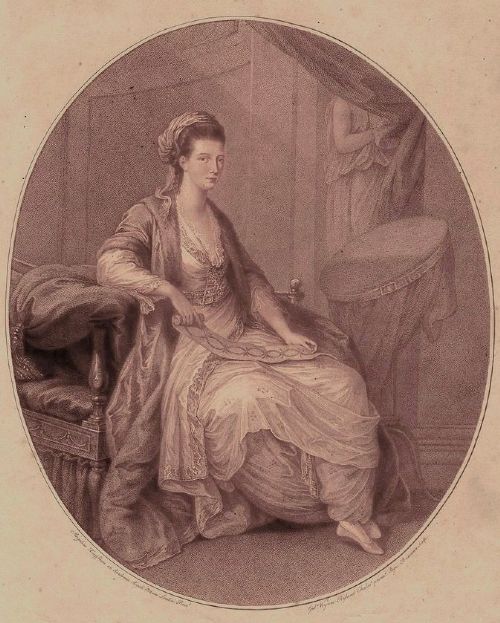
Nineteenth-century examples frequently dominate this category, alongside eighteenth-century portraits and early twentieth-century townscapes or prints. Works often arrive framed and ready for display, preserving delicate paper supports that range from buff tones to aged white sheets.
Subject matter varies widely from academic nude drawings and classical architectural designs to literary scenes and delicate animal studies. Each piece reflects the specific illustrative or preparatory techniques of its period, whether Georgian, Victorian, or Art Deco.
How They Were Made
Artists relied primarily on paper supports, sometimes attaching sheets to canvas stretchers or working on tinted buff paper to enhance tonal contrast. Pigments and mediums included traditional ink and wash, watercolour, charcoal, chalk, and graphite, often combined on a single sheet.
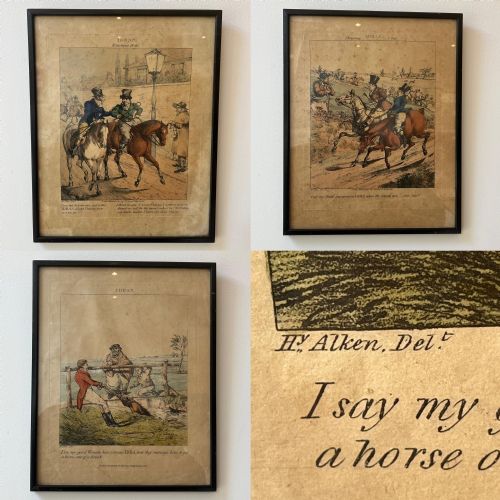
Printmakers utilised etching and mezzotint techniques on metal plates before transferring images to paper, occasionally applying hand-colouring or gold leaf details by hand. These varied methods allowed creators to achieve rich sepia tones through layered washes or fine engraved lines.
Sepia Paper Art Retail Price Guide 2026
Typical asking prices for sepia paper art among the pieces listed under this phrase on Sellingantiques today, from the lower quarter to the upper quarter. They describe what is for sale here now, not the wider market.
Several dogs make historic appearances here, including a dashing Borzoi sketched in gouache and hardworking American foxhounds.
What Varies in Quality
Quality rests upon the sureness of the initial draftsmanship and the artist's ability to command light and shadow within a restricted monochrome palette. Strong compositional structure and expressive mark-making distinguish accomplished professional works from routine student exercises.
Condition of the paper support and the stability of early inks or watercolours also influence the overall standard of a piece. Original framing, clear signatures, and identifiable preparatory context elevate historical importance.
Augustin Edouart·Robert Buchan Nisbet·Marjorie L Davies·Cuthbert Crossley·Kurt Lorein Victor Peiser·James Smetham·Sir William Nicholson·William Marshall Craig·Frank William Scarbrough·Herbert Dicksee·John Smith Atherton·David Roberts·Richard Houston·Anton Ignaz Melling·Herbert Johnson Harvey·Louis Icart·Charles James Lauder·Michael Lyne
The Sepia Paper Art Glossary
- Etching
- A printmaking technique where lines are bitten into a metal plate with acid before ink is applied and transferred to paper. This process allows for fine, expressive detail characteristic of period prints.
- Mezzotint
- A tonal printmaking method where the copper plate is roughened to achieve rich dark areas and subtle gradations of light. It produces velvety tones suited to portraiture.
- Wash
- A technique of diluting ink or watercolour to create translucent layers of monochromatic tone across paper. Artists use this to build depth and shadow.
- Buff paper
- A pale brownish-yellow paper stock frequently utilised in the nineteenth and early twentieth centuries. It provides a warm neutral ground for charcoal and gouache highlights.
- Academic study
- A rigorous drawing or painting created during artistic training, often focusing on anatomy, the nude figure, or classical composition.
Sepia Paper Art: Frequently Asked Questions
What is sepia paper art?
Sepia paper art encompasses original drawings, watercolours, and antique prints created on paper supports using brownish or neutral monochrome tones.
These works span from the eighteenth century through the early twentieth century, capturing subjects like landscapes, architecture, and figurative studies.
How should I frame these works?
Paper artworks require conservation framing with acid-free mounts to prevent deterioration and discolouration over time.
Glazing with UV-protective glass helps shield delicate watercolours and inks from fading in natural light.
Are these pieces original?
Many listings feature unique hand-drawn or painted works such as preparatory sketches, watercolours, and ink studies.
The category also includes period prints and etchings pulled from original plates during their respective eras.
How do I date an antique drawing?
Dating relies on stylistic markers, paper watermarks, artist signatures, and framing techniques specific to periods like the Georgian or Victorian eras.
Subject matter and costume details within portraits or architectural designs also provide reliable chronological clues.