


Scrolled Mahogany Mirror
A scrolled mahogany mirror brings deep timber warmth and elegant scrollwork to a room, offering both practical reflection and classic interior decoration.

Scrolled Mahogany Mirror
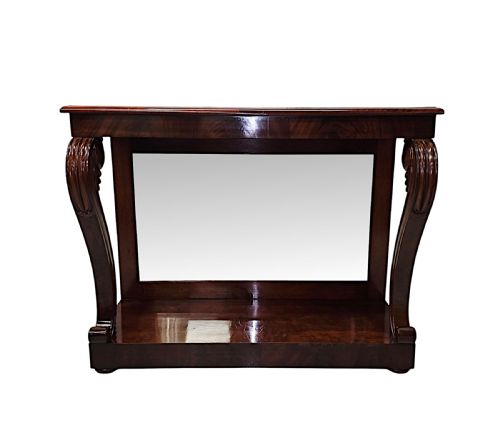
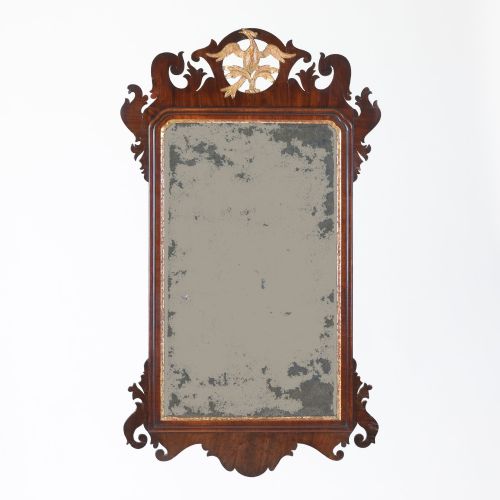
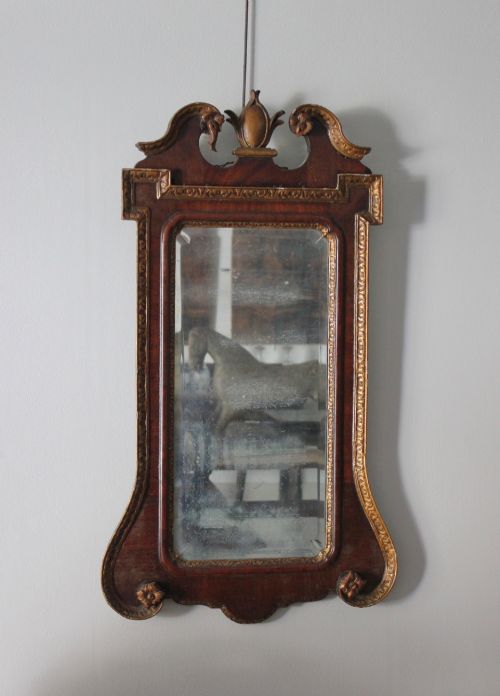
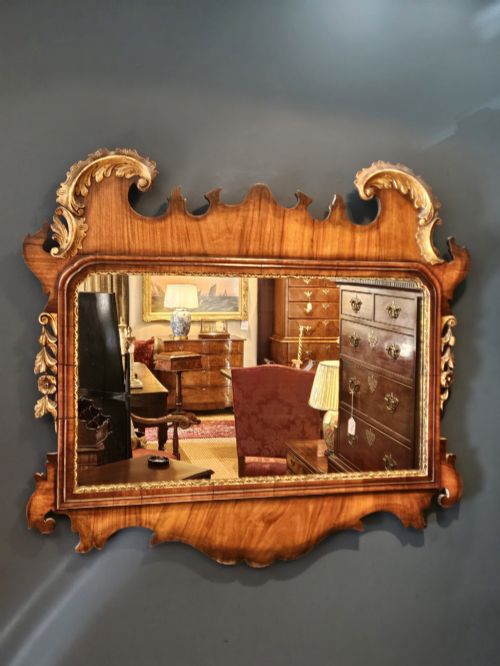
A scrolled mahogany mirror combines rich reddish-brown timber framing with flowing scroll designs, appearing primarily in wall-hanging formats, dressing table variants, and pier mirror configurations. These pieces span Georgian, 19th Century, and Victorian periods, reflecting shifting tastes from the mid-18th century onwards.
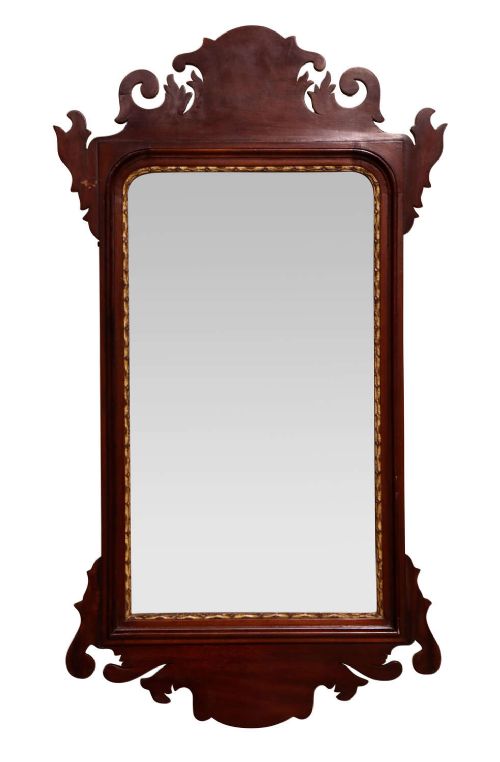
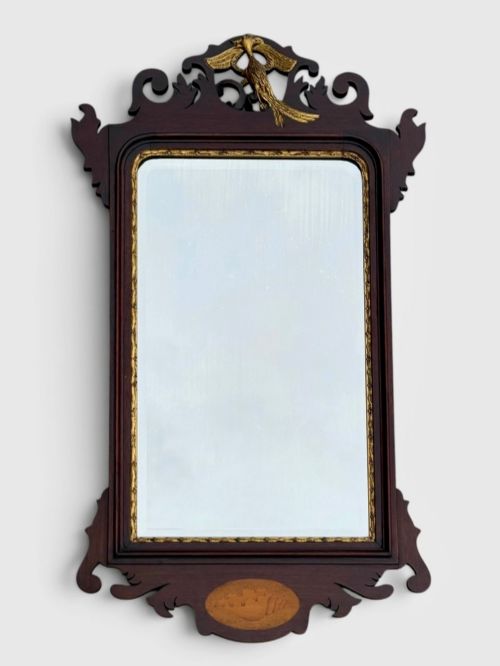
Buyers seeking a scrolled mahogany mirror will encounter numerous fretwork wall mirrors alongside dressing mirrors and console tables incorporating mirror glass. The selection ranges from 18th-century Chippendale examples to later Victorian revivals and Edwardian interpretations.
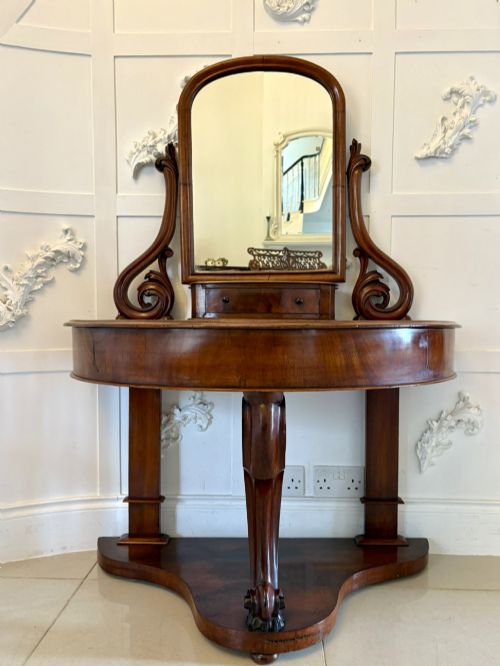
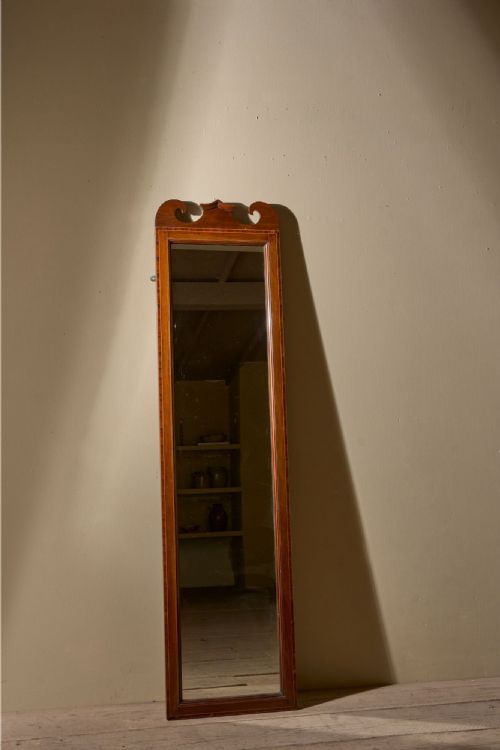
The physical forms include rectangular landscape formats, tall pier glass, and swinging toilet mirrors mounted on small drawer bases. Many pieces feature traditional fret-cut silhouettes that showcase the natural grain of the mahogany.
How scrolled mahogany mirrors were made
Cabinetmakers constructed these frames using solid mahogany timber, frequently selecting flame or figured grain veneers to enhance the visual depth of the wood. Craftspeople shaped the distinct outlines using fretsaws to create intricate pierced scrolls and architectural pediments.
Makers integrated mirror glass, sometimes utilising bevelled edges or historic Vauxhall plates, alongside brass fittings and occasional gilt wood or gold leaf accents. Carved details such as the characteristic Ho-ho bird often adorned the top scrollwork of Georgian and revival pieces.
Scrolled Mahogany Mirror Retail Price Guide 2026
Typical asking prices for scrolled mahogany mirror among the pieces listed under this phrase on Sellingantiques today, from the lower quarter to the upper quarter. They describe what is for sale here now, not the wider market.
Object forms on this page include wall mirrors, dressing tables, console tables, and cheval mirrors.
What varies in quality in scrolled mahogany mirrors
The refinement of the hand-carved fretwork and the crispness of the scroll edges distinguish finer examples from simpler workshop output. Skilled carvers achieved deep relief and balanced proportions in the pierced wooden borders.
The choice of mahogany timber and the retention of original mirror glass or untouched surface finishes heavily influence the character and integrity of the piece. Conservation of early glass plates and original cabinet construction marks the upper tier of surviving examples.
Gillingtons of Dublin
The Scrolled Mahogany Mirror Glossary
- Fretwork
- Openwork ornamentation cut into thin boards using a fretsaw. This technique created the intricate geometric and scrolled borders seen on many wall mirrors.
- Pier Mirror
- A tall mirror designed to hang on the wall space between windows. These pieces often matched console tables placed directly beneath them.
- Vauxhall Plate
- Early mirror glass characterised by a bevelled edge produced by hand grinding. These historic plates frequently display subtle imperfections.
- Cheval Mirror
- A full-length dressing mirror suspended on a vertical floor frame. The swivelling glass frame allowed adjustment for the user.
Scrolled Mahogany Mirror: Frequently Asked Questions
Where should I hang a scrolled mahogany mirror?
These mirrors suit hallways, living rooms, and bedrooms where their timber frames can complement existing wooden furniture. Hanging them above mantelpieces or console tables creates a traditional focal point.
Ensure the wall fixings can support the weight of the solid timber frame and glass. Positioning them opposite windows also helps maximise natural light in smaller spaces.
How do I date a mahogany mirror?
Dating relies on examining construction methods, timber types, and decorative motifs such as fretwork patterns or gilt accents. Georgian pieces often display finer hand-cut details, while Victorian revivals incorporate heavier proportions.
Backboards, screw types, and the condition of the mirror glass offer further clues to the manufacturing era. Comparing the style to documented period examples helps confirm the age.
How do I care for antique mahogany frames?
Maintain the timber by dusting gently with a dry, soft cloth to prevent buildup. Avoid placing the mirror in direct sunlight or near heat sources to protect the wood and finish.
Clean the glass with a minimal amount of window cleaner applied to a cloth rather than directly onto the mirror. This prevents moisture from seeping behind the plate or damaging the surrounding timber.