



Scottish Victorian Chairs
Scottish victorian chairs bring robust timber frames and distinctive regional styles into interiors, prized by collectors for their strong local character and enduring utility.
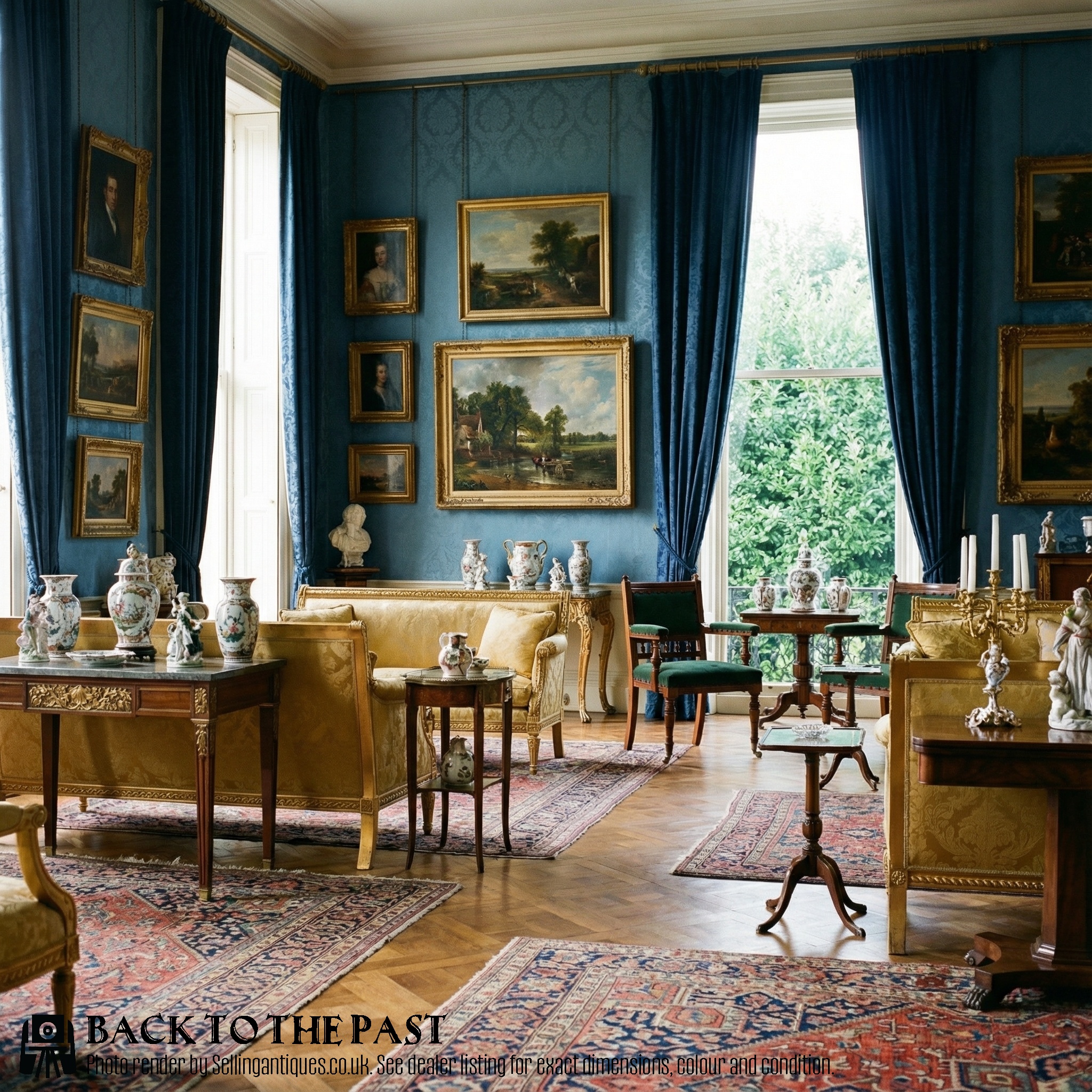
Scottish Victorian Chairs
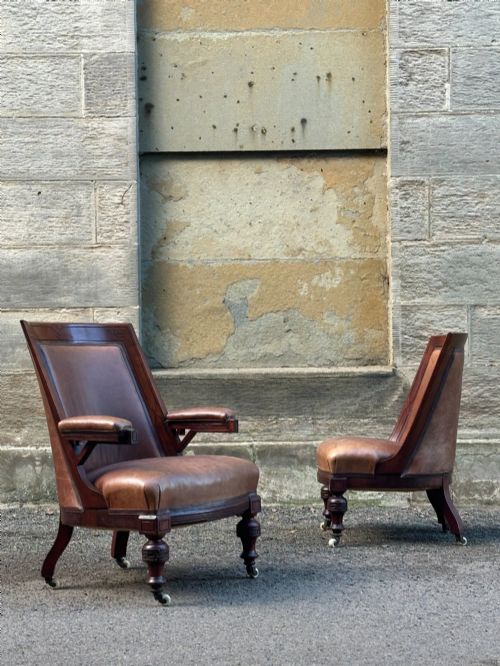
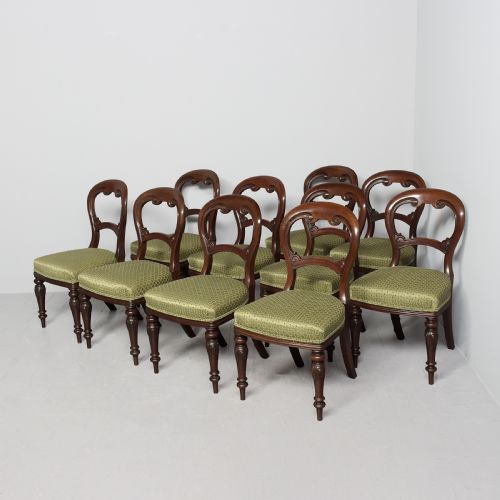
When you search for scottish victorian chairs, you encounter a diverse range of seating forms spanning formal dining sets to rustic vernacular pieces. The material evidence shows a strong presence of mahogany, oak, and walnut utilised across armchairs, hall chairs, and large dining suites.
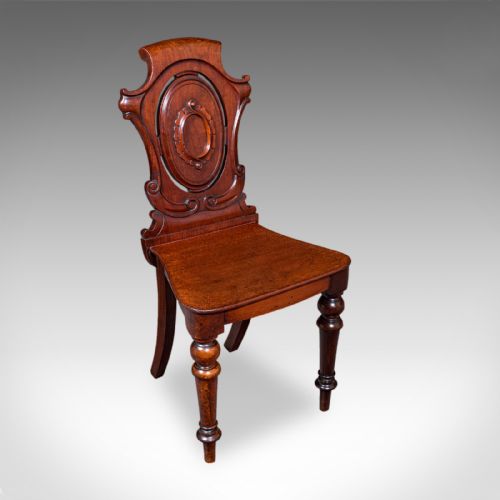
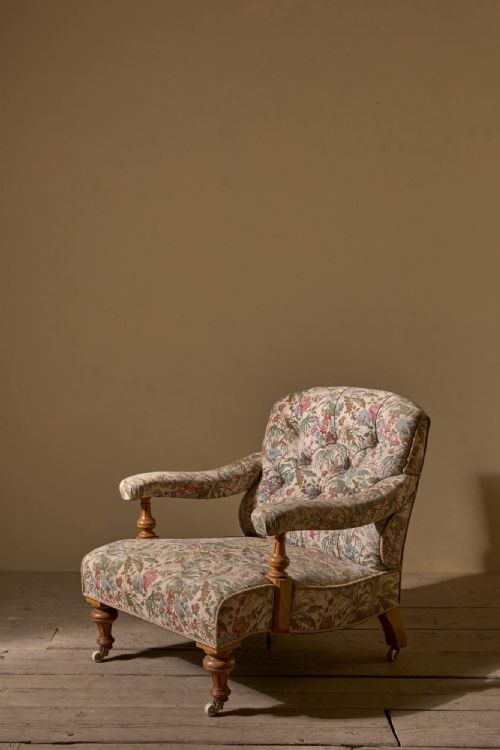
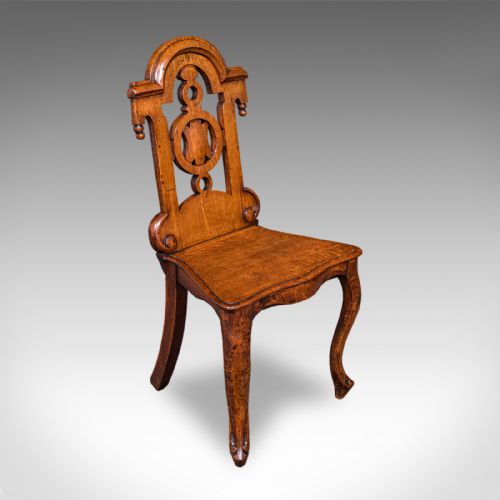
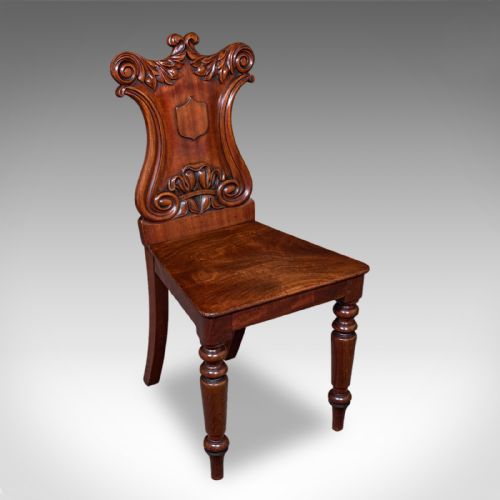
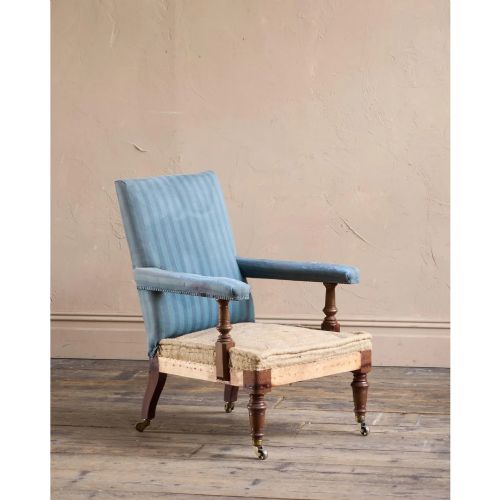
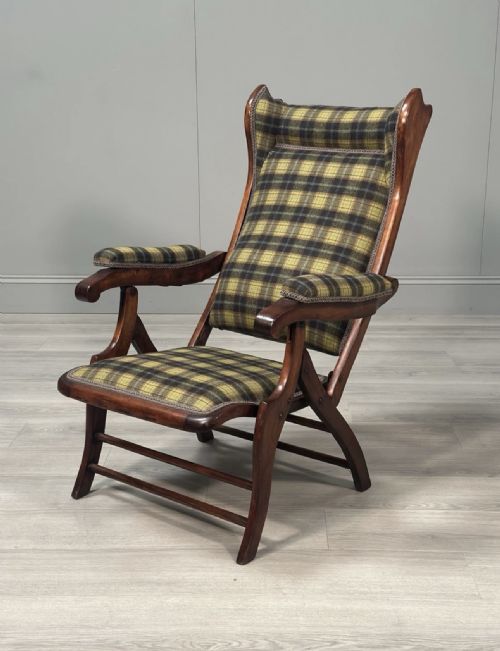
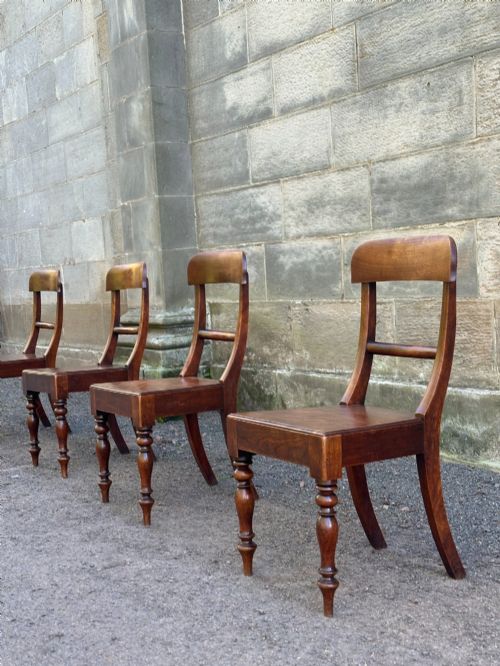
The most common forms on this page include sturdy sets of mahogany dining chairs and carved oak hall seats. Vernacular rocking chairs and country house open armchairs also appear, demonstrating the breadth of domestic and institutional seating produced north of the border during the nineteenth century.
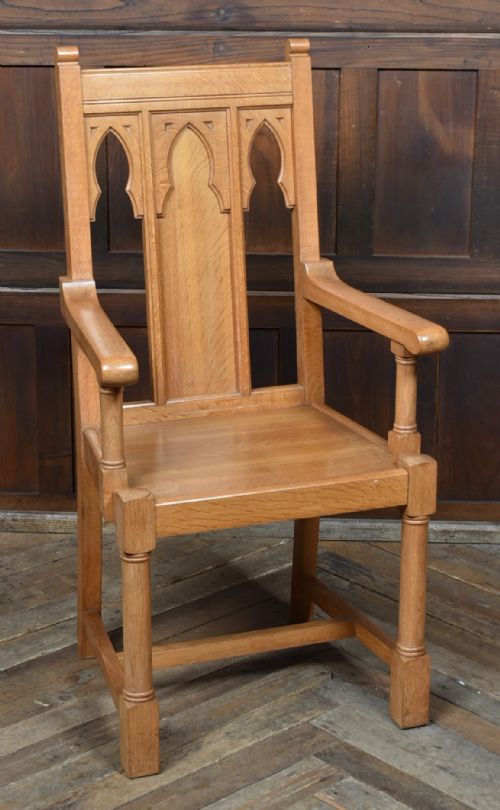
Regional variations distinct to Scotland often manifest in specific pattern designs, such as Edinburgh pattern birch side chairs or heavy Gothic Revival chapel thrones. These pieces reflect both the formal aesthetic trends of the Victorian era and local cabinet-making traditions.
Materials and Construction
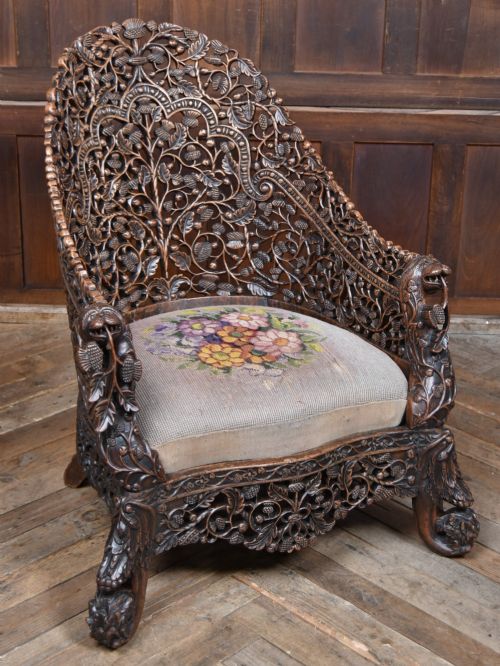
Makers relied heavily upon dense hardwoods like mahogany, oak, walnut, and birch to construct durable frames. These timbers were frequently carved with local motifs, including thistle patterns, or shaped into shield back and balloon back forms.
Upholstery elements integrate traditional textiles such as velvet, leather, and fabric inserts secured with brass detailing. Structural integrity was achieved through traditional joinery methods suited to heavy daily use in grand houses, law chambers, and estate chapels.
Walnut and mahogany appear frequently across reception seats and library armchairs.
Assessing Quality and Craftsmanship
The upper tier of these chairs is distinguished by superior timber selection, evident in deeply figured mahogany, burr elm, or richly grained walnut. Exceptional examples often bear the provenance or stamp of notable Edinburgh cabinet-makers rather than being anonymous workshop productions.
Carving depth and sharpness separate standard utility seating from high-status commissions. Crisp execution of Gothic Revival tracery, heraldic shield backs, or intricate pierced splats indicates superior workshop skill.
Morison and Co·John Taylor and Son·Duncan McKellar·J and T Scott
The Scottish Victorian Chairs Glossary
- Shield Back
- A chair back shaped like a heraldic shield, popular in formal dining and hall seating designs.
- Vernacular
- Objects made by local craftsmen using regional traditions and readily available materials rather than metropolitan pattern books.
- Gothic Revival
- A nineteenth-century style drawing inspiration from medieval architecture, featuring pointed arches, tracery, and heavy oak frames.
- Balloon Back
- An upholstered or open chair back curved in a continuous oval or loop resembling a balloon, characteristic of Victorian dining seats.
- Campaign Armchair
- Portable folding furniture originally designed for military officers on active service overseas.
Scottish Victorian Chairs: Frequently Asked Questions
How do I identify Scottish Victorian chairs?
Look for distinctive regional traits, heavier timber scantlings, and specific local timber choices like birch or golden oak alongside traditional Victorian forms. Maker stamps from Edinburgh workshops often provide definitive confirmation of origin.
Compare the carving styles and structural proportions against standard English equivalents of the same period. Scottish makers frequently employed robust vernacular touches even within formal dining designs.
Were these chairs used only in formal dining rooms?
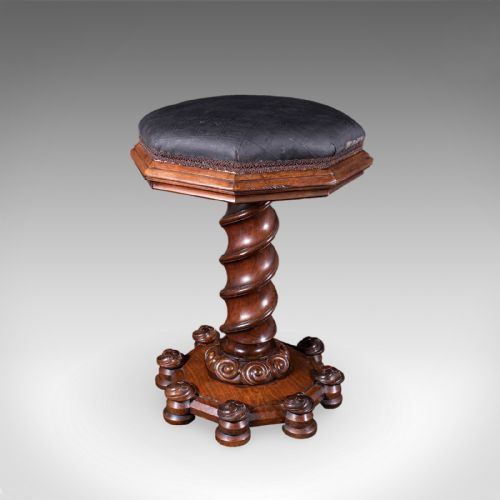
While large sets of dining chairs form a major category, the surviving evidence includes robust hall chairs, library armchairs, music stools, and chapel seating. Different rooms required specific ergonomic forms and timber treatments.
Institutional and domestic environments alike utilised these seats, ranging from grand country house reception rooms to estate chapel organs and law chambers.
What woods were commonly used in Scotland?
Mahogany and oak predominate across the listings, supplemented by walnut, birch, and burr elm. Cabinet-makers selected these dense timbers to ensure longevity under heavy domestic or institutional service.
Lighter woods like birch often appear in specific regional patterns, while dark oak and walnut anchor the Gothic Revival and formal reception pieces.
How should I care for antique timber frames?
Maintain stable indoor humidity levels to prevent the dense hardwoods and veneered surfaces from drying out or splitting over time. Avoid placing antique seating near direct heat sources or in strong sunlight.
Clean surfaces gently with a soft cloth and feed the wood periodically with appropriate traditional wax polish to preserve the original patina.