




Scottish Victorian Ceramic
These scottish victorian ceramic pieces bring nineteenth-century regional character and domestic utility straight to a mantelpiece or sideboard.
Scottish Victorian Ceramic
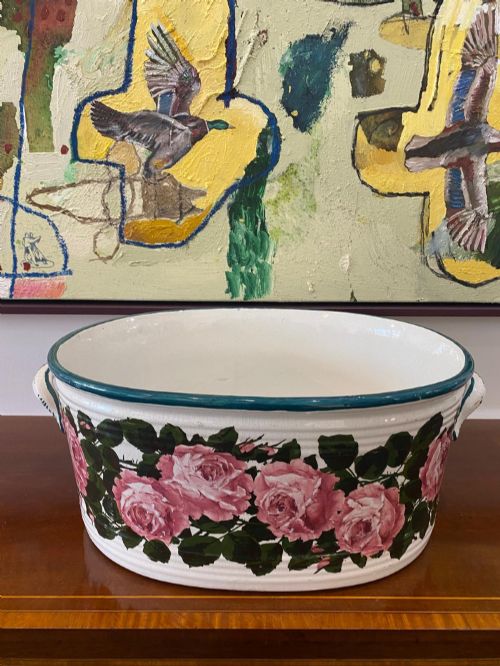
When you search for scottish victorian ceramic, you encounter a selection spanning utilitarian vessels and figurative pottery from the nineteenth century. The grouping includes dairy bowls, footbaths, stoneware whisky jugs, and jardinieres alongside decorative earthenware figures and spill vases.
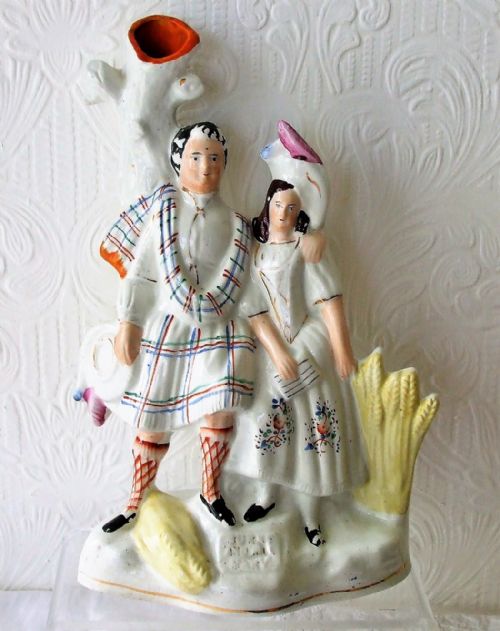
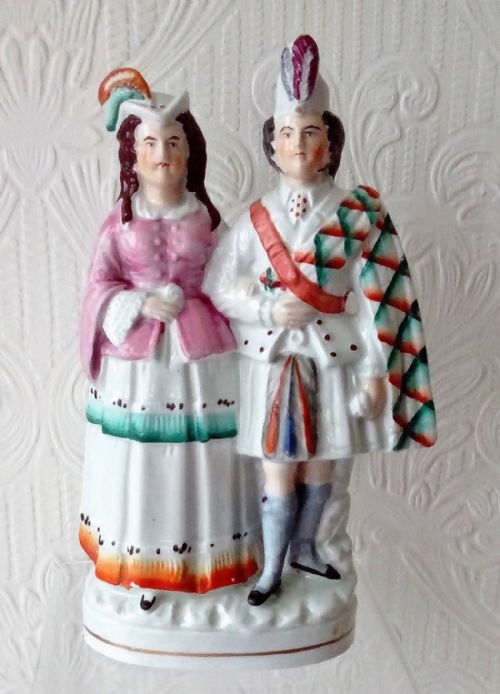
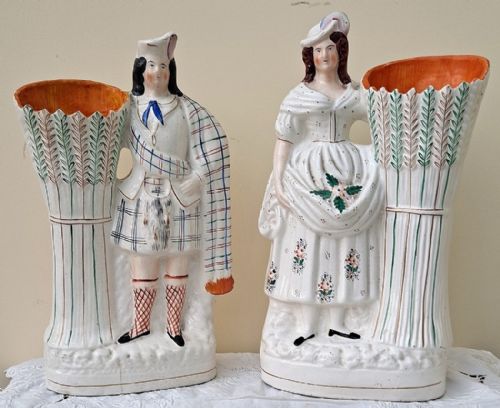
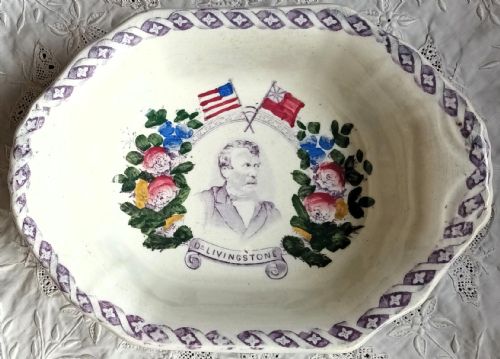
Figurative works frequently depict literary characters, historical figures such as Dr Livingstone, royal personalities, and regional subjects like Scots harvesters or highlanders. These objects combine local Scottish pottery output with popular Victorian Staffordshire styles designed for display.
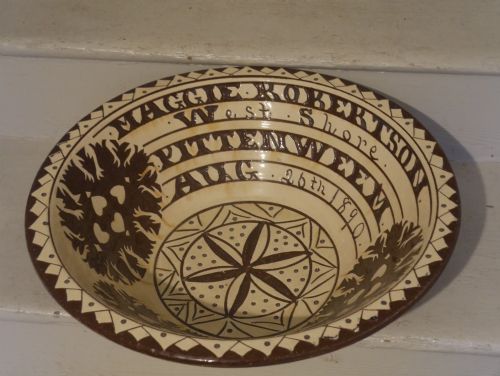
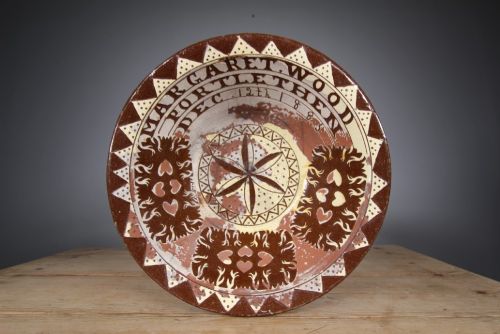
Utility wares such as Seaton pottery bowls and Port Dundass stoneware demonstrate the robust domestic production of the period. Buyers meet both substantial dairy vessels and mantle ornaments that reflect nineteenth-century tastes in storytelling and commemorative display.
How they were made
Potters shaped these objects from earthenware, stoneware, and clay bodies, applying lead glazes, enamel paints, and occasional gold leaf for surface decoration. Slipware techniques decorate large dairy bowls, while figures receive hand-painted details over moulded earthenware forms.
Scottish Victorian Ceramic Retail Price Guide 2026
Typical asking prices for scottish victorian ceramic among the pieces listed under this phrase on Sellingantiques today, from the lower quarter to the upper quarter. They describe what is for sale here now, not the wider market.
Listings feature nineteenth-century materials including earthenware, lead glaze, enamel, and gold leaf applied to utilitarian and decorative forms.
What varies in quality
The distinction between ordinary and superior pieces rests on the crispness of the moulding and the care taken with hand painting. Finer figurative examples display distinct facial expressions and detailed brushwork on costumes, whereas lesser items show blurred transfers or hasty enamel application.
Size and ambition also separate standard production from exceptional survivals, such as large footbaths or dated slipware bowls. Intricate modelling on complex flatback groups or large jardinieres indicates a higher grade of workshop output.
Seaton Pottery·Port Dundass·Wemyss·Copeland and Garrett·Portobello
The Scottish Victorian Ceramic Glossary
- Flatback
- A ceramic figure modelled fully on the front and sides with a flat, unglazed or minimally finished back designed to sit flush against a wall. These were common for mantelpiece display during the Victorian era.
- Spill Vase
- A hollow ceramic vessel incorporating a holder designed to store wooden tapers used for lighting pipes, candles, or fires. They frequently accompany figurative groups.
- Slipware
- Pottery decorated with slip, which is liquid clay poured or trailed onto a body of a different colour before glazing and firing. This technique appears on traditional bowls.
- Jardinière
- A large decorative ceramic flower pot or planter intended to hold potted plants indoors. They often feature moulded decoration in majolica taste.
- Earthenware
- Porous pottery fired at lower temperatures than stoneware or porcelain, requiring a glaze to become impermeable. It forms the foundation of most Victorian figures and dairy bowls.
Scottish Victorian Ceramic: Frequently Asked Questions
How do I identify a Portobello figure?
Portobello figures are earthenware pieces produced in the Portobello district near Edinburgh during the nineteenth century. They often display primitive folk art styles and portray historical or regional subjects such as riders on horseback.
These figures use local clays and glazes distinct from Staffordshire output, though they share the general Victorian taste for narrative ornaments. Examining the weight, glaze texture, and modelling style helps distinguish them from English equivalents.
Were nineteenth-century dairy bowls used daily?
Large earthenware dairy bowls and slipware vessels were working items employed in dairies for setting milk and separating cream. Their robust construction and glazed interiors handled heavy agricultural use.
Over decades of service, many acquired wear consistent with dairy labour, making surviving examples prized for their domestic utility and rustic aesthetic today.
What is a flatback figure?
A flatback is a ceramic figure finished primarily on the front and sides with a flat reverse designed to stand against a wall. This construction saved materials and allowed potters to place large groups securely on narrow mantels.
Victorians favoured these decorative groups for their colourful portrayal of royalty, Scottish highlanders, and contemporary events. They remain a primary category of nineteenth-century shelf pottery.
How are stoneware whisky jugs marked?
Stoneware whisky jugs from the nineteenth century are dense, salt-glazed vessels built to transport and store spirits safely. They often feature impressed lettering or cobalt blue details denoting the maker or merchant.
These robust containers reflect commercial storage methods before glass bottles became standard. Their sturdy manufacture ensures high survival rates among utilitarian kitchenalia.