

Victorian Earthenware Mantel Ornament
When you search for a victorian earthenware mantel ornament, you step into a world of chimney-piece figures, spaniels, and historical portraits.
Victorian Earthenware Mantel Ornament
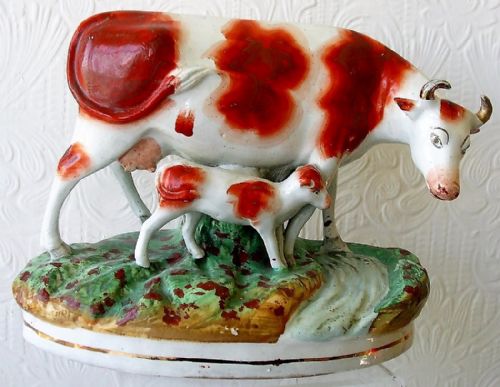
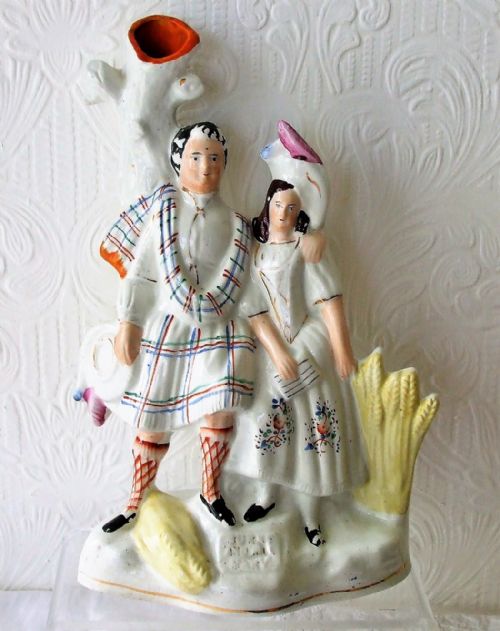
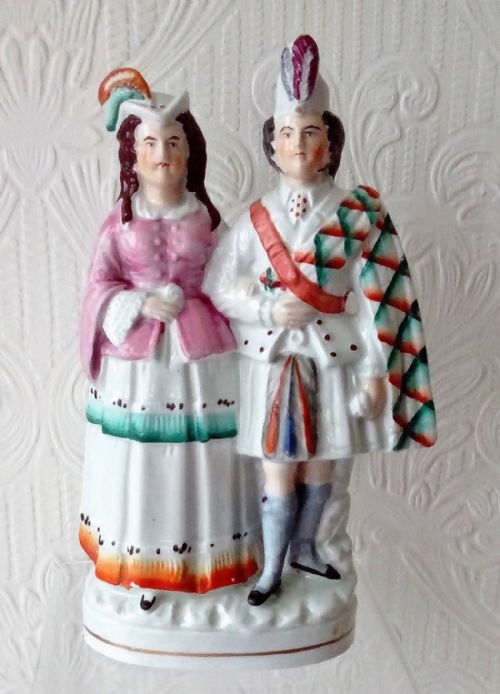
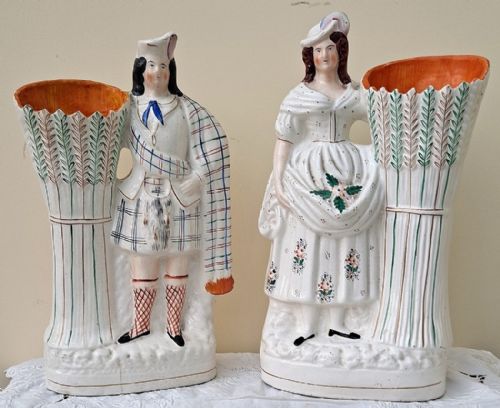
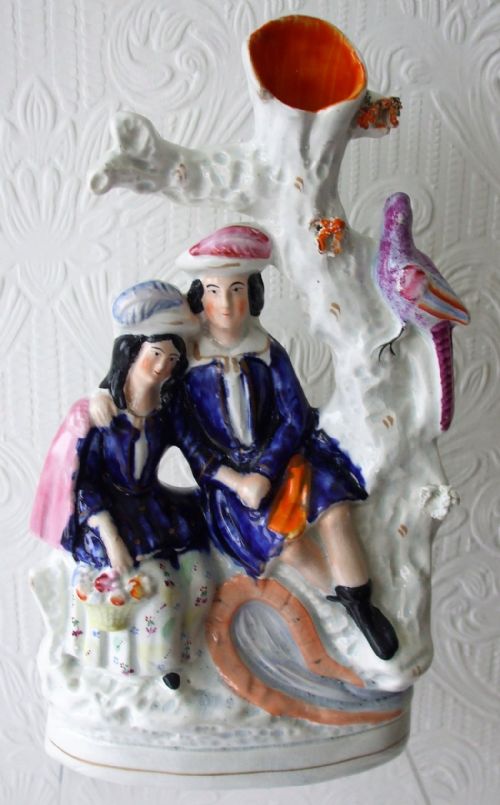
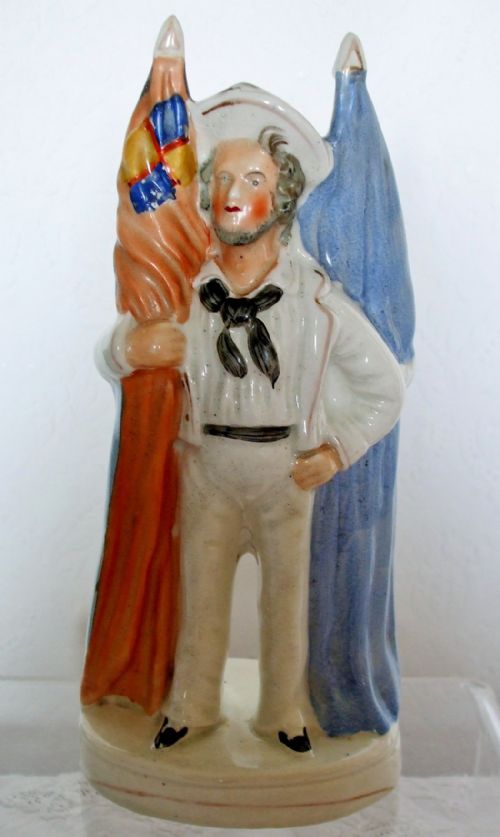
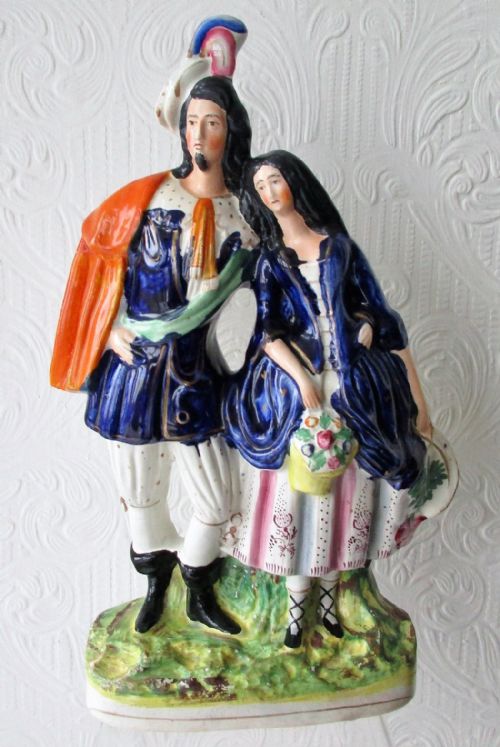
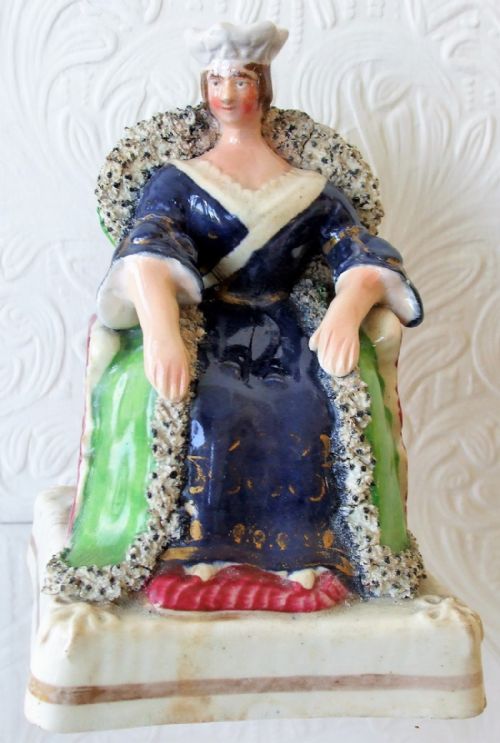
A victorian earthenware mantel ornament brings the domestic shelf displays of the nineteenth century into a modern interior. These pieces take the form of decorative figurines, spill vases, and pottery groups depicting animals, royals, and literary scenes.
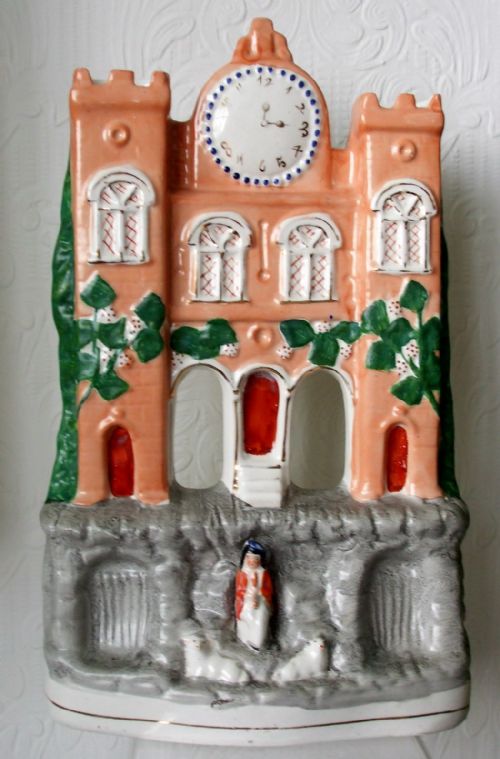
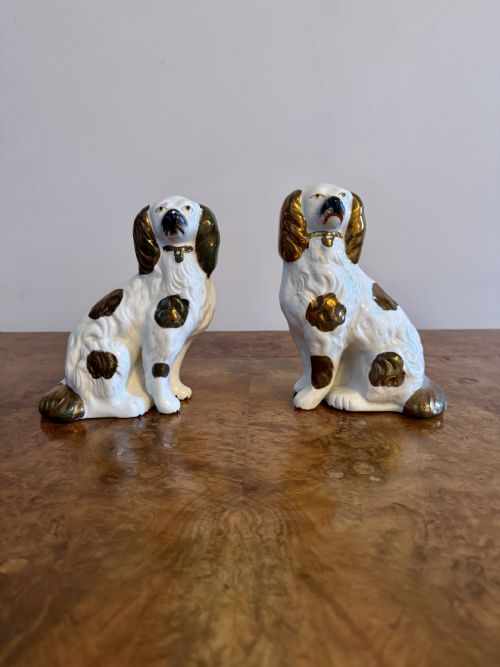
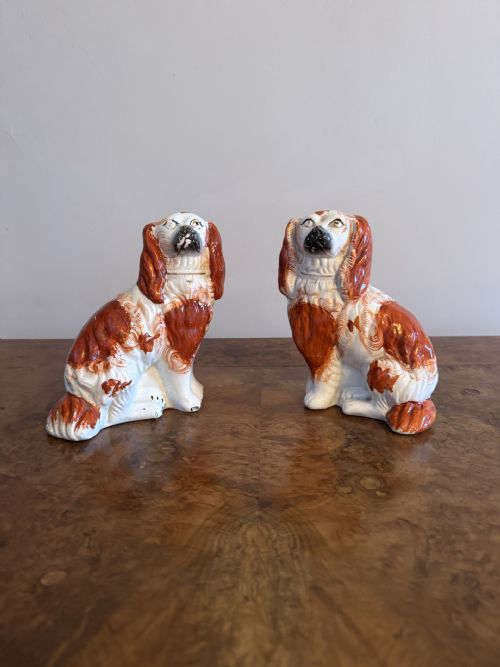
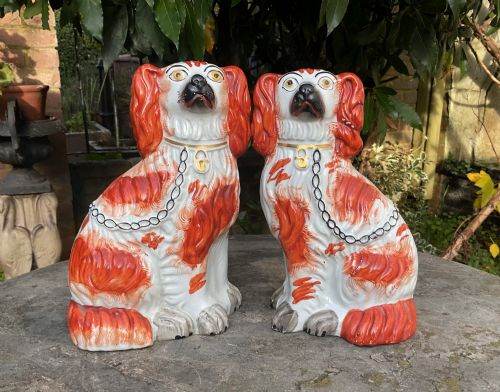
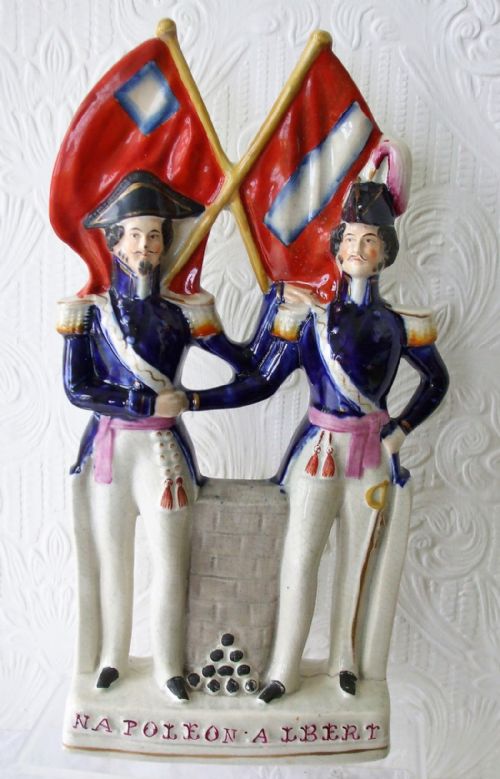
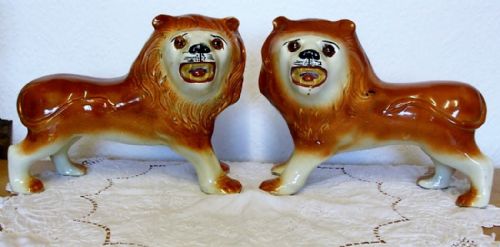
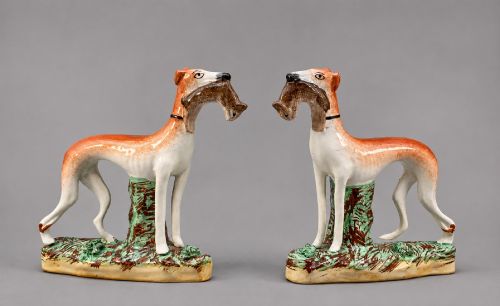
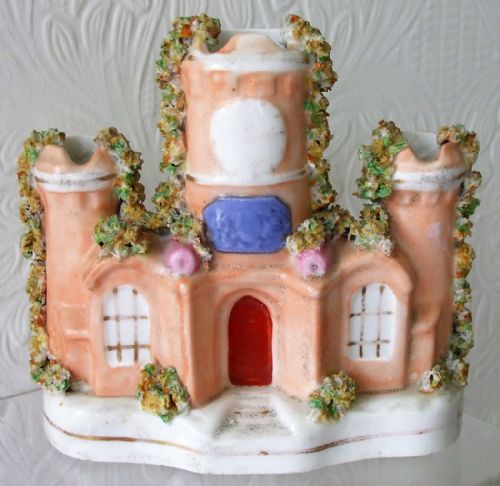
The version most commonly met on this page is the Staffordshire pottery figure or dog, often modelled as a pair to sit at either end of a fireplace. Spaniels, greyhounds, lions, and poodles dominate the selection, frequently paired with castles or flat-backed architectural models.
The origins of these items lie in English regional potteries, predominantly Staffordshire, spanning the decades from eighteen-fifty to nineteen-hundred. They were made to be viewed primarily from the front, designed with unglazed or simply finished flat backs meant to stand against a wall.
Materials and methods of construction
Potters shaped these figures using earthenware clay, pressing it into moulds and finishing the details by hand before a primary firing. The porous ceramic body forms the stable foundation for the structure, whether it is a seated spaniel or a castle.
Surface decoration relies on lead glaze applied over enamel colours, sometimes accented with gilt or gold leaf for highlights on collars, eyes, and architectural trim. This glaze gives the pieces their characteristic glossy sheen and seals the underlying ceramic.
Victorian Earthenware Mantel Ornament Retail Price Guide 2026
Typical asking prices for victorian earthenware mantel ornament among the pieces listed under this phrase on Sellingantiques today, from the lower quarter to the upper quarter. They describe what is for sale here now, not the wider market.
Certain figures are completely reversible, showing an English sailor on one side and a French soldier on the reverse.
Assessing craftsmanship and detail
The standard of painting and moulding separates finer output from simpler commercial work. Crisp facial expressions, careful hand-brushing on the enamel details, and well-defined modelling distinguish superior figures.
The uniformity of matched pairs also dictates desirability, as pairs cast from the same moulds and painted by the same hand hold greater visual symmetry on a mantel shelf.
Thomas Parr
The Victorian Earthenware Mantel Ornament Glossary
- Earthenware
- A porous pottery body fired at lower temperatures than stoneware or porcelain. It requires a glaze to become impermeable to liquids.
- Flat back
- A style of ceramic figure where the rear is left unmodelled or flat. This allowed potters to save clay and place the piece securely against a wall.
- Spill vase
- A hollow cylindrical vase incorporated into a ceramic figure. Victorian households used these to hold wooden spills for lighting pipes and fires.
- Lead glaze
- A glossy coating containing lead oxide applied to pottery before firing. It creates a smooth, reflective surface that enhances coloured enamels.
Victorian Earthenware Mantel Ornament: Frequently Asked Questions
Where were these mantel ornaments displayed?
Victorian households placed these ceramic figures along the mantelpiece above the fireplace, often arranging them in symmetrical pairs.
They also sat on sideboards and chests of drawers in the main living areas of nineteenth-century homes.
How do I care for glazed earthenware?
Dust the surface gently with a dry, soft cloth to remove everyday particles without disturbing the glaze or enamel.
Avoid using water or chemical cleaners, as moisture can penetrate through tiny hairline cracks in the older ceramic body.
Why are spaniels so common?
Potters produced vast numbers of spaniel figures because the breed was a favourite pet of Queen Victoria.
These dogs became essential household companions and symbolic ornaments for nineteenth-century mantel displays.
What is a spill vase group?
A spill vase group combines a decorative figure with an integrated tubular vase for holding wooden matches.
These combination pieces served a practical function in the parlour before the invention of safety matches.